


 2
2


This review may contain spoilers
When Death Stans an Idol
This drama starts off feeling like one of those shows that dares you to quit. Within the first few episodes, I was hovering over the eject button thanks to some seriously questionable choices—like stalker fan behavior being romanticized even after death. Apparently, dying grants you emotional immunity and a backstage pass into someone’s life. And the setup of a high school-aged grim reaper being romantically paired with a grown adult? Slightly unsettling. But then again, this drama seems to live in a galaxy where "What the eff" is a guiding principle.
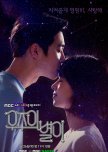
Despite the eyebrow-raising premise, Ji Woo as Ha Na manages to anchor the chaos. She’s not your cookie-cutter rom-com lead—there’s no faux innocence or forced charm. Instead, she delivers vulnerability wrapped in quiet determination, and it works. Ha Na feels more like a person trying to make sense of an existence interrupted, rather than a plot device designed to prop up Suho. That said, Suho as the “Universe’s Star” isn’t just casting convenience—it fits. He carries the aloof superstar persona with just enough melancholy to sell the cosmic metaphor, even if the script occasionally flirts with melodrama overload.
The real strength of this drama isn’t its logic—it’s its emotional intent. When it decides to stop being quirky and just be sincere, it lands. It tackles themes of second chances, unfinished business, and living with no regrets. For a story that includes supernatural fan service and death bureaucracy, it surprisingly pulls no punches when it comes to asking: “What would you do if you had one more moment?”
Flawed but affecting, The Universe’s Star is best consumed with lowered logic defenses and an open heart. If you can overlook the premise quirks and moral landmines, what’s left is a story that whispers carpe diem through stardust and grief—and sometimes, that’s enough.
Despite the eyebrow-raising premise, Ji Woo as Ha Na manages to anchor the chaos. She’s not your cookie-cutter rom-com lead—there’s no faux innocence or forced charm. Instead, she delivers vulnerability wrapped in quiet determination, and it works. Ha Na feels more like a person trying to make sense of an existence interrupted, rather than a plot device designed to prop up Suho. That said, Suho as the “Universe’s Star” isn’t just casting convenience—it fits. He carries the aloof superstar persona with just enough melancholy to sell the cosmic metaphor, even if the script occasionally flirts with melodrama overload.
The real strength of this drama isn’t its logic—it’s its emotional intent. When it decides to stop being quirky and just be sincere, it lands. It tackles themes of second chances, unfinished business, and living with no regrets. For a story that includes supernatural fan service and death bureaucracy, it surprisingly pulls no punches when it comes to asking: “What would you do if you had one more moment?”
Flawed but affecting, The Universe’s Star is best consumed with lowered logic defenses and an open heart. If you can overlook the premise quirks and moral landmines, what’s left is a story that whispers carpe diem through stardust and grief—and sometimes, that’s enough.
Was this review helpful to you?


