
 Editorials


 2
2


This review may contain spoilers
A game of strategy, a story of longing, and one very committed makeup artist
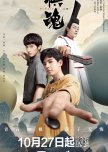
This is a drama with a premise begging to be a sleek, modern fantasy-sports hybrid—and yet it looks like it crawled out of a VHS tape from 1987. The biggest culprit is Chu Ying’s makeup: part “ethereal 11th-century ghost,” part “community theater eyeliner enthusiast.” It’s a creative choice that sort of works in context, but it does take a moment to adjust when your ancient spirit looks like he borrowed from an ’80s glam kit.
The real triumph here is the acting. The child cast didn’t just perform—they owned their roles, and the adult actors carried those same quirks and rhythms with eerie precision. Too often in dramaland, growing up equals a full-on personality transplant, but here it felt seamless, like the characters had truly aged rather than been swapped out. That continuity alone makes the story more immersive.
Then we get to the bromance—Shi Guang and Yu Liang’s dynamic teeters on the edge of plausible deniability. Yu Liang’s devotion sometimes looks less like rivalry and more like romantic fixation, but since his social world is basically nonexistent, his intensity is almost forgivable. Still, I often wished he was let in on Shi Guang’s secret. It would’ve deepened his arc instead of leaving all the emotional heavy lifting to the latter.
Speaking of which, Shi Guang’s insistence on carving out his own path rather than relying forever on Chu Ying’s genius was one of the most satisfying parts of the drama. But his attachment to Chu Ying? Absolutely heartbreaking. Whether it’s the absence of a father figure or simply the bond of a mentor he can’t keep, that goodbye landed like a punch.
My only stumbling block was Go itself. The show explained it with patience, but unless you’re already fluent in the game, the finer points remain a mystery. Still, I watched every match like it was the Super Bowl, rules be damned—because by then, it wasn’t really about the board anymore. It was about the bond.
The real triumph here is the acting. The child cast didn’t just perform—they owned their roles, and the adult actors carried those same quirks and rhythms with eerie precision. Too often in dramaland, growing up equals a full-on personality transplant, but here it felt seamless, like the characters had truly aged rather than been swapped out. That continuity alone makes the story more immersive.
Then we get to the bromance—Shi Guang and Yu Liang’s dynamic teeters on the edge of plausible deniability. Yu Liang’s devotion sometimes looks less like rivalry and more like romantic fixation, but since his social world is basically nonexistent, his intensity is almost forgivable. Still, I often wished he was let in on Shi Guang’s secret. It would’ve deepened his arc instead of leaving all the emotional heavy lifting to the latter.
Speaking of which, Shi Guang’s insistence on carving out his own path rather than relying forever on Chu Ying’s genius was one of the most satisfying parts of the drama. But his attachment to Chu Ying? Absolutely heartbreaking. Whether it’s the absence of a father figure or simply the bond of a mentor he can’t keep, that goodbye landed like a punch.
My only stumbling block was Go itself. The show explained it with patience, but unless you’re already fluent in the game, the finer points remain a mystery. Still, I watched every match like it was the Super Bowl, rules be damned—because by then, it wasn’t really about the board anymore. It was about the bond.
Was this review helpful to you?


