


 10
10 42
42 15
15


This review may contain spoilers
He forgets the past — but carries its weight, one name at a time, until memory becomes justice
"Remember" ist a Film about Revenge, Memory, and the Echo of History
An old man. A revolver. Five names tattooed on his fingers — and a memory slowly fading. "Remember" is no ordinary revenge thriller. It’s a film about guilt, about forgetting — and about what remains when history isn’t confronted, but buried.
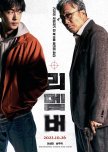
At its center is Han Pil-joo, portrayed masterfully by Lee Sung-min. Before his memory slips away for good, he has one last mission. At his side: the young In-gyu (Nam Joo-hyuk), who only meant to drive the old man — and suddenly finds himself an accomplice in a revenge mission that is as absurd as it is moving.
What makes the film so remarkable is its tone: poised between tragedy and dark humor, between road movie and history lesson. This is no hero’s journey, but a moral dilemma — laced with dry wit, laconic dialogue, and a kind of tender melancholy. The camera remains still, the violence understated, almost quiet. And yet it cuts deep.
"Remember" is more than a thriller — it’s a commentary on Korea’s unresolved colonial past. From 1910 to 1945, Korea was under Japanese rule — a traumatic era that still reverberates. Many Koreans were forced into labor, women abused as so-called “comfort women.” And yet, some Koreans collaborated — out of fear, opportunism, or conviction.
The film poses an uncomfortable question: What if those collaborators survived — and simply continued their careers after 1945? What if they now sit in high offices, as businessmen, politicians, patriarchs? "Remember" hints at this — and leaves the audience with the haunting question of whether justice expires. Or whether, sometimes, it needs an old man with a gun.
In Korea, the topic remains sensitive. Official reckoning was long delayed, many archives stayed sealed, many names unspoken. And while Japan still struggles with a clear apology, Korea wrestles with its own culture of remembrance: How do you remember betrayal without losing yourself?
"Remember" doesn’t answer that. But it asks the right questions. And it does so through a protagonist who forgets — and in doing so, reminds us.
An old man. A revolver. Five names tattooed on his fingers — and a memory slowly fading. "Remember" is no ordinary revenge thriller. It’s a film about guilt, about forgetting — and about what remains when history isn’t confronted, but buried.
At its center is Han Pil-joo, portrayed masterfully by Lee Sung-min. Before his memory slips away for good, he has one last mission. At his side: the young In-gyu (Nam Joo-hyuk), who only meant to drive the old man — and suddenly finds himself an accomplice in a revenge mission that is as absurd as it is moving.
What makes the film so remarkable is its tone: poised between tragedy and dark humor, between road movie and history lesson. This is no hero’s journey, but a moral dilemma — laced with dry wit, laconic dialogue, and a kind of tender melancholy. The camera remains still, the violence understated, almost quiet. And yet it cuts deep.
"Remember" is more than a thriller — it’s a commentary on Korea’s unresolved colonial past. From 1910 to 1945, Korea was under Japanese rule — a traumatic era that still reverberates. Many Koreans were forced into labor, women abused as so-called “comfort women.” And yet, some Koreans collaborated — out of fear, opportunism, or conviction.
The film poses an uncomfortable question: What if those collaborators survived — and simply continued their careers after 1945? What if they now sit in high offices, as businessmen, politicians, patriarchs? "Remember" hints at this — and leaves the audience with the haunting question of whether justice expires. Or whether, sometimes, it needs an old man with a gun.
In Korea, the topic remains sensitive. Official reckoning was long delayed, many archives stayed sealed, many names unspoken. And while Japan still struggles with a clear apology, Korea wrestles with its own culture of remembrance: How do you remember betrayal without losing yourself?
"Remember" doesn’t answer that. But it asks the right questions. And it does so through a protagonist who forgets — and in doing so, reminds us.
Was this review helpful to you?


