

 10
10 42
42 15
15


This review may contain spoilers
Quiet in its voice, thunderous in its impact – a drama of nuance, humanity & whispered revolution
Between Wind, Clouds and Change – "King Maker: The Change of Destiny".
Some dramas tell about history – others tell how history is made. "King Maker: The Change of Destiny" does both. It's also a historical KDrama that doesn't just focus on battles or hero myths, but makes the art of face reading (Gwansang) the narrative compass: Whoever wants power must understand people – and themselves. The story takes place in the late Joseon era, a time of political upheaval and dynastic power struggles. But instead of swords, the drama talks about people who deal with knowledge – and read faces. The series is based on the novel "Wind, Clouds and Tombstone" by Lee Byung-joo and creatively reinterprets historical events.
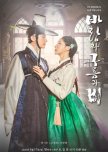
At the center stands Choi Chun-joong, a man not only talented at physiognomy, but who has a deep sense for the movement between fate and choice. His gift for reading personality, future, and intention from a face makes him a valuable advisor, but also a target for political intrigue. Park Si-hoo plays Chun-joong with subtle intensity – a man who thinks more than he speaks, but whose presence fills every scene. At his side is Princess Lee Bong-ryeon (Go Sung-hee), who struggles with her own tragic gift – seeing the fates of others. Go Sung-hee gives Bong-ryeon a quiet dignity, shifting between vulnerability and determination.
I´d say the quiet, deep relationship between Chun-joong and Princess Lee Bong-ryeon gives the series an emotional warmth that goes far beyond grand gestures and touches through small, sincere moments. Their love is marked by separation, reunion, and the burden of fate – less passion, more loyalty. Their romance is not the center, but rather the emotional backbone – giving the political drama a human depth. It's like a river that always flows, even as the banks change. Their bond is based on shared gifts – face reading and destiny reading – and becomes a kind of spiritual complicity. It shows how intimacy lives not in big gestures, but in shared understanding. The romance is quiet, but sustaining – an echo underlying everything.
The series doesn’t follow a classic hero’s journey, but tells of entanglements: between the power-hungry Prince Lee Ha-eung, who loses himself between reform and control; between officials who renegotiate their loyalties daily; and between people whose moral decisions influence the system more than titles. Especially impressive is the calm, almost tentative narrative style, using time jumps not as breaks, but as mirrors for human maturity.
The drama convinces with a finely tuned ensemble performance. The relationship between Chun-joong and the ambitious Prince Lee Ha-eung is a prime example of ambivalence and power psychology. Jun Kwang-ryul shines as the power-conscious Prince Lee Ha-eung, whose performance captures the full moral complexity of the era, balancing ambition and regret. The supporting characters are also carefully and multi-layeredly designed – from scheming officials to tragic outsiders. They’re not just decoration but part of a system that enables as much change as it prevents. Particularly interesting is the cultural background: The art of face reading – called Gwansang – gets a tangible, almost magical significance in the series. It’s not just a trick, but a mirror for responsibility, freedom of choice, and compassion.
What makes "King Maker: The Change of Destiny" so special is its quiet, poetic narration: Political intrigues, conflicts of loyalty, and personal sacrifice are not made sensational, but are shown with respect for the characters and their development. The love story between Chun-joong and Bong-ryeon is tender and believable – it grows out of mutual understanding and shared worries, not dramatic coincidences. Their relationship stands for mutual respect and quiet strength.
The production scores with atmospheric camerawork, detailed costumes, and a fitting soundtrack. Every scene feels lovingly staged and invites the viewer to let the slow unfolding of fate and change wash over them.
"King Maker: The Change of Destiny" is not a loud drama, but a quiet, intelligent masterpiece, convincing with its humanity, well-placed accents, and deep appreciation for tradition and change. Anyone willing to embark on a journey of delicate nuances, fascinating history, and gentle romance could as well love this KDrama.
This KDrama is a moving homage to the quiet forces of change, to the power of perception and humanity. A series for heart and mind – and a recommendation for anyone wanting to feel how history, magic, and love can meet on soft feet.
--------------------------- SIDE NOTE: GWANSANG in "King Maker: The Change of Destiny" --------------------------------------
Gwansang continues to shape the cultural self-understanding of many people to this day. What appears as “face reading” in historical dramas like "King Maker: The Change of Destiny" is more than just interpreting external features. It is an echo of ancient shamanic practices, an intuitive grasp of truth—deeply rooted in Korea’s spiritual history. Even today, many people seek counsel from face readers or shamans when it comes to fate, love, or decisions. Between tradition and trend, this art lives on—as a mirror of a culture that never completely loses sight of the invisible.
In Korean culture, the art of Gwansang has a centuries-old tradition. It is the art of drawing conclusions about character, fate, potential, and even future events from facial features. The forehead as a sign of wisdom, the eyes as mirrors of the soul, the jaw as a measure of determination—these are all classic elements of this ancient teaching. But Gwansang is more than physiognomy in the Western sense: it also touches spiritual dimensions, for behind the visible form, an invisible echo often resonates—an aura, an energy, a truth between the lines.
As a cultural practice, Gwansang becomes an ethical touchstone in “King Maker: The Change of Destiny.” Here, especially through the character of the “Taoist” or "Fortuneteller" Choi Chun-joong, Gwansang is not portrayed as magic but as an intuitive science that influences political decisions. The art of face reading is not romanticized but reflected upon. How far can one really see? Where does perception end and wishful thinking begin? The face becomes a map—not for destiny, but for decision. Princess Bong-ryeon, in contrast, represents another, intuitive level: she senses destinies in advance, has visions, and follows not the logic of what is visible but the inspiration within. Their connection brings together two paths of knowledge: calculation and intuition, reason and empathy. In this way, the series shows that true understanding happens not only through the eyes—but also through the heart. And so, King Maker ultimately becomes a meditation on responsibility: those who read faces must also be able to look within themselves.
Some dramas tell about history – others tell how history is made. "King Maker: The Change of Destiny" does both. It's also a historical KDrama that doesn't just focus on battles or hero myths, but makes the art of face reading (Gwansang) the narrative compass: Whoever wants power must understand people – and themselves. The story takes place in the late Joseon era, a time of political upheaval and dynastic power struggles. But instead of swords, the drama talks about people who deal with knowledge – and read faces. The series is based on the novel "Wind, Clouds and Tombstone" by Lee Byung-joo and creatively reinterprets historical events.
At the center stands Choi Chun-joong, a man not only talented at physiognomy, but who has a deep sense for the movement between fate and choice. His gift for reading personality, future, and intention from a face makes him a valuable advisor, but also a target for political intrigue. Park Si-hoo plays Chun-joong with subtle intensity – a man who thinks more than he speaks, but whose presence fills every scene. At his side is Princess Lee Bong-ryeon (Go Sung-hee), who struggles with her own tragic gift – seeing the fates of others. Go Sung-hee gives Bong-ryeon a quiet dignity, shifting between vulnerability and determination.
I´d say the quiet, deep relationship between Chun-joong and Princess Lee Bong-ryeon gives the series an emotional warmth that goes far beyond grand gestures and touches through small, sincere moments. Their love is marked by separation, reunion, and the burden of fate – less passion, more loyalty. Their romance is not the center, but rather the emotional backbone – giving the political drama a human depth. It's like a river that always flows, even as the banks change. Their bond is based on shared gifts – face reading and destiny reading – and becomes a kind of spiritual complicity. It shows how intimacy lives not in big gestures, but in shared understanding. The romance is quiet, but sustaining – an echo underlying everything.
The series doesn’t follow a classic hero’s journey, but tells of entanglements: between the power-hungry Prince Lee Ha-eung, who loses himself between reform and control; between officials who renegotiate their loyalties daily; and between people whose moral decisions influence the system more than titles. Especially impressive is the calm, almost tentative narrative style, using time jumps not as breaks, but as mirrors for human maturity.
The drama convinces with a finely tuned ensemble performance. The relationship between Chun-joong and the ambitious Prince Lee Ha-eung is a prime example of ambivalence and power psychology. Jun Kwang-ryul shines as the power-conscious Prince Lee Ha-eung, whose performance captures the full moral complexity of the era, balancing ambition and regret. The supporting characters are also carefully and multi-layeredly designed – from scheming officials to tragic outsiders. They’re not just decoration but part of a system that enables as much change as it prevents. Particularly interesting is the cultural background: The art of face reading – called Gwansang – gets a tangible, almost magical significance in the series. It’s not just a trick, but a mirror for responsibility, freedom of choice, and compassion.
What makes "King Maker: The Change of Destiny" so special is its quiet, poetic narration: Political intrigues, conflicts of loyalty, and personal sacrifice are not made sensational, but are shown with respect for the characters and their development. The love story between Chun-joong and Bong-ryeon is tender and believable – it grows out of mutual understanding and shared worries, not dramatic coincidences. Their relationship stands for mutual respect and quiet strength.
The production scores with atmospheric camerawork, detailed costumes, and a fitting soundtrack. Every scene feels lovingly staged and invites the viewer to let the slow unfolding of fate and change wash over them.
"King Maker: The Change of Destiny" is not a loud drama, but a quiet, intelligent masterpiece, convincing with its humanity, well-placed accents, and deep appreciation for tradition and change. Anyone willing to embark on a journey of delicate nuances, fascinating history, and gentle romance could as well love this KDrama.
This KDrama is a moving homage to the quiet forces of change, to the power of perception and humanity. A series for heart and mind – and a recommendation for anyone wanting to feel how history, magic, and love can meet on soft feet.
--------------------------- SIDE NOTE: GWANSANG in "King Maker: The Change of Destiny" --------------------------------------
Gwansang continues to shape the cultural self-understanding of many people to this day. What appears as “face reading” in historical dramas like "King Maker: The Change of Destiny" is more than just interpreting external features. It is an echo of ancient shamanic practices, an intuitive grasp of truth—deeply rooted in Korea’s spiritual history. Even today, many people seek counsel from face readers or shamans when it comes to fate, love, or decisions. Between tradition and trend, this art lives on—as a mirror of a culture that never completely loses sight of the invisible.
In Korean culture, the art of Gwansang has a centuries-old tradition. It is the art of drawing conclusions about character, fate, potential, and even future events from facial features. The forehead as a sign of wisdom, the eyes as mirrors of the soul, the jaw as a measure of determination—these are all classic elements of this ancient teaching. But Gwansang is more than physiognomy in the Western sense: it also touches spiritual dimensions, for behind the visible form, an invisible echo often resonates—an aura, an energy, a truth between the lines.
As a cultural practice, Gwansang becomes an ethical touchstone in “King Maker: The Change of Destiny.” Here, especially through the character of the “Taoist” or "Fortuneteller" Choi Chun-joong, Gwansang is not portrayed as magic but as an intuitive science that influences political decisions. The art of face reading is not romanticized but reflected upon. How far can one really see? Where does perception end and wishful thinking begin? The face becomes a map—not for destiny, but for decision. Princess Bong-ryeon, in contrast, represents another, intuitive level: she senses destinies in advance, has visions, and follows not the logic of what is visible but the inspiration within. Their connection brings together two paths of knowledge: calculation and intuition, reason and empathy. In this way, the series shows that true understanding happens not only through the eyes—but also through the heart. And so, King Maker ultimately becomes a meditation on responsibility: those who read faces must also be able to look within themselves.
Was this review helpful to you?


