

 10
10 42
42 15
15


This review may contain spoilers
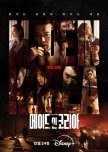
Made in Korea felt like a high‑gloss promise that ultimately left me puzzled.
I really wanted to love this series. Everything about "Made in Korea" — the cast, the production design, the cool prestige look — suggested that this would be the next big thing. But while watching, I slowly got that familiar feeling I sometimes have with shows that seem a little too confident in their own importance. The series aims for “masterpiece” status, but never quite pulls me in on a narrative level.
For me, the six episodes felt like a structural dead end. They were too short to truly explore the characters as human beings trapped in a system, with all their contradictions and moral struggles. At the same time, they were too long to work as a lean, uncompromising espionage thriller. The show wants to be both — and ends up losing me somewhere in between.
What disappointed me most was how much is hinted at rather than actually told. Friendships feel more like setup than lived relationships, the Vietnam reference remains a decorative biographical backdrop, and the sibling dynamic feels like a dramatic premise rather than an emotionally grounded conflict. Many characters came across as symbols for power and betrayal rather than people I could really connect with. Everything feels like narrative furniture — present, but not truly inhabited.
My personal anchor was the prosecutor. Amid all the polished surfaces, he felt like the exception, and that’s exactly why he stood out to me. He didn’t feel like a plot device, but like someone who thinks, doubts, and hesitates. That some viewers felt he didn’t quite fit actually says more about the show than about the character. To me, he represented a version of Made in Korea that takes moral gray zones seriously — a glimpse of what the series could have been.
Hyun Bin and Jung Woo‑sung carry the show with their presence, but even they (and production design and camera and music) can’t make up for the lack of narrative depth. Especially Jung Woo‑sung often felt like he was acting in a much bigger, more complex project that never fully made it to the screen. Without the star power, I probably wouldn’t have finished the series.
In the end, Made in Korea feels like a “budget version of a blockbuster”: huge effort, but limited storytelling payoff. As a film, it might have been sharper. As a longer series, it could have allowed its themes to breathe.
As it is, it left me with the sense of a project that knows its own potential — and quietly avoids fully committing to it.
Not quite one thing or the other. For me a sort of aesthetic, but ultimately empty space.
For me, the six episodes felt like a structural dead end. They were too short to truly explore the characters as human beings trapped in a system, with all their contradictions and moral struggles. At the same time, they were too long to work as a lean, uncompromising espionage thriller. The show wants to be both — and ends up losing me somewhere in between.
What disappointed me most was how much is hinted at rather than actually told. Friendships feel more like setup than lived relationships, the Vietnam reference remains a decorative biographical backdrop, and the sibling dynamic feels like a dramatic premise rather than an emotionally grounded conflict. Many characters came across as symbols for power and betrayal rather than people I could really connect with. Everything feels like narrative furniture — present, but not truly inhabited.
My personal anchor was the prosecutor. Amid all the polished surfaces, he felt like the exception, and that’s exactly why he stood out to me. He didn’t feel like a plot device, but like someone who thinks, doubts, and hesitates. That some viewers felt he didn’t quite fit actually says more about the show than about the character. To me, he represented a version of Made in Korea that takes moral gray zones seriously — a glimpse of what the series could have been.
Hyun Bin and Jung Woo‑sung carry the show with their presence, but even they (and production design and camera and music) can’t make up for the lack of narrative depth. Especially Jung Woo‑sung often felt like he was acting in a much bigger, more complex project that never fully made it to the screen. Without the star power, I probably wouldn’t have finished the series.
In the end, Made in Korea feels like a “budget version of a blockbuster”: huge effort, but limited storytelling payoff. As a film, it might have been sharper. As a longer series, it could have allowed its themes to breathe.
As it is, it left me with the sense of a project that knows its own potential — and quietly avoids fully committing to it.
Not quite one thing or the other. For me a sort of aesthetic, but ultimately empty space.
Was this review helpful to you?


