
 News


Recent Discussions




• Tragic Health Crises: Both dramas center on a male lead whose life is derailed by a devastating medical diagnosis.
• Shattered Ambitions: The illnesses strike at the peak of their potential, forcing them to abandon their dreams Park Min jae loses his swimming career, while Shin Joon young faces the end of his top star acting career.
• Emotional Isolation: Both protagonists build thick emotional walls, adopting cold and distant personas as a coping mechanism to avoid vulnerability.
• Focus on Acceptance: The core emotional arc transitions from denial and anger to eventual self acceptance and finding peace with their respective fates.


In both dramas the FL is the only cure/solution for the problem the ML is suffering from. In I'm not a robot the FL is the only person the ML can touch and in this drama FL is the only person that charges MLs heart.

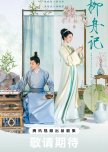
Both have strong, ambitious and smart female leads who venture into business and are very capable at what they do. The male leads are incredibly supportive and respect the FLs. I especially love that both couples feel like true partners who complement and support each other.
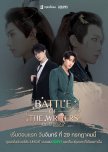

You might wonder why I add this one in the recommendation section but,,, let’s list out the reason:
- Leads portraying two characters (real and fictional)
- They both portray two characters but through different media (one in a novel and the other is a drama)
That’s pretty much all I wanna write ???
- Leads portraying two characters (real and fictional)
- They both portray two characters but through different media (one in a novel and the other is a drama)
That’s pretty much all I wanna write ???

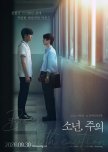
Young top, older bottom.
Yearning. Do I need to say more?
Forbidden love.
Tension? Hell yeah.
Anyway for minimum word requirement:
The Psychology of the Bond
• The Power of "Found Family": Characters in these stories often lack a traditional safety net. When they choose each other despite their flaws and damage, it creates a powerful sense of belonging that feels earned rather than given.
• Shared Trauma and Mutual Understanding: People who have struggled often don't need to explain their pain to one another. There is an instant, unspoken understanding. Watching two guarded characters drop their walls because they feel safe enough with each other provides an immense emotional payoff.
• High-Stakes Loyalty: When characters have survived hard times, their loyalty to each other is usually fierce and absolute. This creates an incredibly satisfying "us against the world" dynamic.
The Appeal of the Narrative Journey
• Catharsis through Healing: Seeing characters who are broken or cautious slowly heal through connection offers a strong sense of hope and emotional release (catharsis).
• Earned Intimacy: In stories like this, trust isn't given easily. Every small step closer, every shared secret, and every moment of comfort feels deeply rewarding because the characters had to fight through their own caution to get there.

Calm, solemn, dark vibe.
People who went a big event together now bond together.
Anyway for minimum word requirement:
The Psychology of the Bond
• The Power of "Found Family": Characters in these stories often lack a traditional safety net. When they choose each other despite their flaws and damage, it creates a powerful sense of belonging that feels earned rather than given.
• Shared Trauma and Mutual Understanding: People who have struggled often don't need to explain their pain to one another. There is an instant, unspoken understanding. Watching two guarded characters drop their walls because they feel safe enough with each other provides an immense emotional payoff.
• High-Stakes Loyalty: When characters have survived hard times, their loyalty to each other is usually fierce and absolute. This creates an incredibly satisfying "us against the world" dynamic.
The Appeal of the Narrative Journey
• Catharsis through Healing: Seeing characters who are broken or cautious slowly heal through connection offers a strong sense of hope and emotional release (catharsis).
• Earned Intimacy: In stories like this, trust isn't given easily. Every small step closer, every shared secret, and every moment of comfort feels deeply rewarding because the characters had to fight through their own caution to get there.

Struggling people bond together.
Anyway for minimum word requirement:
The Psychology of the Bond
• The Power of "Found Family": Characters in these stories often lack a traditional safety net. When they choose each other despite their flaws and damage, it creates a powerful sense of belonging that feels earned rather than given.
• Shared Trauma and Mutual Understanding: People who have struggled often don't need to explain their pain to one another. There is an instant, unspoken understanding. Watching two guarded characters drop their walls because they feel safe enough with each other provides an immense emotional payoff.
• High-Stakes Loyalty: When characters have survived hard times, their loyalty to each other is usually fierce and absolute. This creates an incredibly satisfying "us against the world" dynamic.
The Appeal of the Narrative Journey
• Catharsis through Healing: Seeing characters who are broken or cautious slowly heal through connection offers a strong sense of hope and emotional release (catharsis).
• Earned Intimacy: In stories like this, trust isn't given easily. Every small step closer, every shared secret, and every moment of comfort feels deeply rewarding because the characters had to fight through their own caution to get there.


the dramas has affairs you would want to root for....though the case was it's the main characters and ALOTY was second lead basis


Bizarre B&B's where the cast/hosts/workers interact in various fun ways together with the cast. Its fun and easy to binge. The show makes the guests work in weird ways that you dont normally think would be the way youd stay when at a B&B. Both are very fun.
Both are Netflix shows as well. Minor detail but it makes it easy to find them both
Both are Netflix shows as well. Minor detail but it makes it easy to find them both


Modern setting. Corporate culture. Strong FL. ML helps the FL to grow. Both dramas are unlike the typical boring CEO-Employee(Princess) dramas.


Both dramas involve a cast of righteous people solving supernatural cases, but they're joined by a mysterious central figure who is on a mission of their own. At least part of the "normal" cast seems to have past traumas of their own that might eventually be solved.
They're both xianxia leaning heavily towards wuxia, good music, good set designs, nice build-up.
They're both xianxia leaning heavily towards wuxia, good music, good set designs, nice build-up.


Similar vibe. Enemies because of family drama, classmats who take very good care of each other obviously falling in love but won't admit it


Same warmth and story around friendships in a different hospital & doctors/patients context. A masterpiece Korean series.
Similarities
Warmth and Community: Both series create an immersive, deeply comforting environment where a dedicated group forms a tight-knit "chosen family." Just as neighbors in Meet Yourself drop by unannounced and share meals in the village, the Hospital Playlist squad shares daily meals, inside jokes, and sanctuary in the hospital cafeteria and band practice room.
Deep Family & Intergenerational Bonds: Family dynamics and multi-generational care take center stage. Whether it's the touching relationships between doctors and their aging parents, pediatric patients and their anxious families, or the guiding wisdom of senior mentors, both shows celebrate profound emotional support systems.
Slice-of-Life Healing: Both excel at romanticizing the mundane and finding profound meaning in ordinary moments. From making coffee runs and eating comfort food after long shifts to navigating everyday heartbreaks, burnout, and grief, healing is woven into the fabric of both narratives.
Organic Romance: The romantic relationships grow slowly and naturally out of deep, long-standing friendship and mutual respect, entirely free of toxic tropes or forced misunderstandings.
Differences
The Setting and Backdrop: Hospital Playlist is set inside the fast-paced, high-stakes environment of a major metropolitan hospital in modern-day Seoul, where life-or-death decisions happen daily. Meet Yourself is a modern pastoral escape set against the breathtaking, scenic backdrop of a quiet rural village in Yunnan, China, focusing on slowing down and rural revitalization.
Core Setup and Structure: Hospital Playlist focuses on five veteran medical school friends in their 40s who reunite to work together, balancing demanding careers, lifelong bonds, and personal growth. Meet Yourself is structured around a burnout recovery journey, where a stressed-out city dweller relocates to the countryside to heal alongside an eclectic mix of fellow travelers and locals.

Definitely suggest Korean masterpiece of slice-of-life shows.
Similarities:
Warmth and Community: Both series anchor their stories in tight-knit, rural or old-fashioned neighborhoods where everyone knows everyone. Neighbors drop by unannounced, share meals, and deeply involve themselves in each other's daily lives.
Deep Family & Intergenerational Bonds: Family dynamics take center stage. Whether it's the fierce, protective love of parents or the wisdom of neighborhood elders (like Reply 1988's neighborhood moms or Meet Yourself's beloved village grandmother), both shows celebrate multi-generational support systems.
Slice-of-Life Healing: Both excel at romanticizing the mundane. Cooking local delicacies, gossiping on porches, navigating career burnout, and dealing with everyday heartbreaks form the core of both narratives.
Organic Romance: The romantic relationships grow slowly and naturally out of deep friendship and mutual respect, entirely free of toxic tropes or forced misunderstandings.
Differences:
The Setting and Backdrop: Reply 1988 is a nostalgic, historical period piece set in a narrow alleyway of 1980s Seoul, heavily defined by retro pop culture and political-social transitions. Meet Yourself is a modern pastoral escape set against the breathtaking, scenic backdrop of a rural village in Yunnan, China, focusing heavily on rural revitalization and digital-age burnout.
Core Setup and Structure: Reply 1988 focuses on childhood friends growing up together over several formative years, making nostalgia its main vehicle. Meet Yourself is structured around a burnout recovery journey, where a stressed-out city dweller relocates to the countryside and heals alongside an eclectic mix of fellow travelers and locals.


Similarities:
-- Thai BL dramas
-- A "grim reaper" character as a love interest.
-- A doctor/medical professional as the other love interest.
Differences:
-- I will have to see upon release of Grim Lover and update this section later :)
-- Thai BL dramas
-- A "grim reaper" character as a love interest.
-- A doctor/medical professional as the other love interest.
Differences:
-- I will have to see upon release of Grim Lover and update this section later :)


