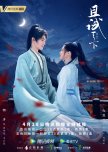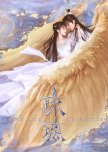
Feng Miao Jun, a princess of the fallen Anxia Kingdom, crosses paths with Yun Ya, a cruel master from Wei. Despite initial distrust, their fates intertwine. Together with Master Mo Ti Zhun and Saintess Han Yue, they become close allies in their battle against the Heavenly Demons. Through trials, love, and mutual support, they grow into powerful beings capable of facing all challenges.
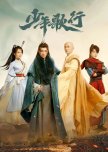
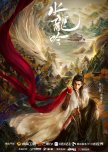
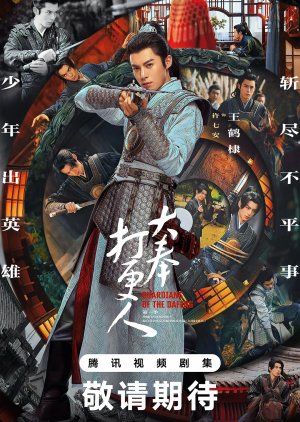
Both Joy of Life and The Guardians of the Dafeng masterfully blend political intrigue, sharp wit, and unforgettable characters, making them standouts in the historical drama genre. Both feature intelligent, charismatic male leads — Fan Xian and Xu Qi’an — who navigate corrupt courts and dangerous hierarchies armed with brains, humor, and a knack for outsmarting those in power. Each story thrives on clever dialogue, layered worldbuilding, and that rare mix of intense political maneuvering and laugh-out-loud absurdity. You’ll find plenty of mystery-solving, moral dilemmas, and that satisfying “chess game” dynamic where every smile hides a strategy.
Where they differ lies in tone and emotional weight. Joy of Life leans darker and more cynical — it’s a biting reflection on how little human life matters in the pursuit of power, laced with tragedy beneath its humor. The Guardians of the Dafeng, on the other hand, keeps things lighter and more adventurous. It balances high-stakes politics with a playful energy, tight-knit teamwork, and bursts of comedy that make the heavy moments easier to bear. If Joy of Life makes you flinch and think, The Guardians of the Dafeng makes you grin and cheer — two sides of the same brilliant, politically charged coin.
Where they differ lies in tone and emotional weight. Joy of Life leans darker and more cynical — it’s a biting reflection on how little human life matters in the pursuit of power, laced with tragedy beneath its humor. The Guardians of the Dafeng, on the other hand, keeps things lighter and more adventurous. It balances high-stakes politics with a playful energy, tight-knit teamwork, and bursts of comedy that make the heavy moments easier to bear. If Joy of Life makes you flinch and think, The Guardians of the Dafeng makes you grin and cheer — two sides of the same brilliant, politically charged coin.
Although at first glance these two shows don't seem that similar with No Pain No Gain being about a modern day gaming company and Guardians Of Dafeng being a wuxia, they're really similar in tone. Both have this satirical take on their genre of choice and with our leads sort of bumbling from situation to situation accidentally picking up followers and continuously doing exceptionally well at their jobs.

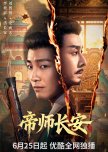
### Similarities:
1. **A highly intelligent protagonist** — Both dramas feature a main character who relies on cleverness, knowledge, and quick thinking to solve problems.
2. **An outsider entering a new world** — Both protagonists have a unique perspective that separates them from the people around them.
3. **Using modern-style ideas** — They apply knowledge and methods that are unusual for their era, giving them an advantage over others.
4. **Helping the country** — Both characters become involved in larger matters that affect society and the stability of the kingdom.
5. **Mix of humor and serious moments** — Both stories combine comedy, adventure, and political conflicts.
### Differences:
1. **Main role** — *The Imperial Master* focuses more on being a reformer and advisor who improves governance, while *Guardians of the Dafeng* focuses more on solving mysteries and protecting the kingdom.
2. **Type of conflict** — *The Imperial Master* deals more with administration and social development, while *Guardians of the Dafeng* includes more action, investigations, and supernatural elements.