Stunning work that immerses the viewer in the destiny of a Korean family
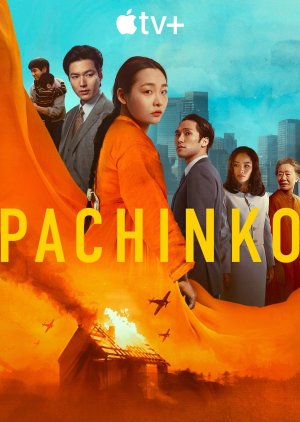
Pachinko is a moving and visually stunning work that immerses the viewer in the destiny of a Korean family across several generations, from the 1910s to the 1980s, against the backdrop of tensions between Korea and Japan. The series explores themes of identity, resilience, sacrifice, and the fractures left by colonial history.One of the series’ greatest strengths is its writing: every character is carefully developed, with narrative arcs that captivate and move the audience. The cast is outstanding. Youn Yuh-jung, Jin Ha, Kim Min-ha, and Lee Min Ho deliver powerful performances, embodying both the strength and vulnerability of their characters. The series goes beyond portraying suffering, also exploring moments of tenderness, courage, and hope that span generations.
Visually, Pachinko is breathtaking. The cinematography captures both the raw beauty of Korean landscapes and the urban life of Japan, with remarkable attention to historical detail. The soundtrack, subtle and emotive, perfectly complements the narrative rhythm, enhancing the impact of key scenes without ever being overpowering.
Was this review helpful to you?
Perfect in all categories
What an amazing drama. Not what I have seen for the past few years. I followed the 2 time lines smoothly, and able to feel pain of different generations. Lee Min Ho slayed his role as Koh Hansu, I loved and hated Koh Hansu at the same time. But I always love Lee Min Ho. Jinha and Kim Minha and young actors are so so good as well. A must watch drama for this year.Was this review helpful to you?
A story beautifully told
It is phenomenal, the casting, the storyline, the music, the cinematography and all. There is no overdo of any emotion, the love, pain, anger and disappointment of being insulted, betrayed and all are at the point, and I am totally impressed.I want to specifically mention the 2 scenes that i like the most. One is when Koh Hanshu (Lee Minho) was attending a social function with his father-in-law who calmed him and supported him, the eye contact and touch is beautiful. And another scene is the meeting of Sunja and Hansu in Hansu's office. I held my breath till Sunja walked away and I teared when I saw Hansu's pain and anger in Lee Minho's eyes.
Was this review helpful to you?
Life is a struggle I get it!
I watched Pachinko 2 first episode. I feel how people struggle those days in order to live, involving in making and selling illegal wine, family violence, dirty and unhygienic living environment, experiencing so much pain, fear , humiliation, frustration… it is really sad, mad and bad that I gained. BUT it is an eye opener for me! The story was so truly told, and I can’t but to praise the whole Pachinko2 team, from all level of the production. I am amazed by Lee Min Ho’s acting, his suppressed anger was so subtly expressed. Wow, the best Kactor.Was this review helpful to you?

A Obra de Arte que Superou a Si Mesma
A segunda temporada aprofundou a saga da família, alternando entre a Osaka de 1945 e a Tóquio de 1989. O coração da trama é a jovem Sunja, lutando para sobreviver em meio à devastação da guerra e à ausência de Isak. Essa temporada foca intensamente nos seus filhos, Noa e Mozasu, e em como as escolhas de Hansu e a luta de Sunja moldam o destino deles. Acompanhamos também o neto Solomon, que enfrenta as sequelas desse passado na Tóquio moderna.👤 Protagonistas & Elenco
O que dizer de um elenco que entrega tudo?
Kim Min-ha (Sunja Jovem): Ela carrega o peso da sobrevivência com uma dignidade inacreditável. Ver a minha Sunja na Osaka pós-guerra, vendendo kimchi e tomando decisões impossíveis, foi angustiante e inspirador.
Youn Yuh-jung (Sunja Idosa): Ela não precisa de muitas falas; o rosto dela conta a história. A sabedoria e a dor que ela transmite em cada olhar são a prova de uma vida inteira de luta.
Lee Min-ho (Koh Hansu): Que acerto no casting. Ele consegue ser assustadoramente charmoso e perigoso. O Hansu e o seu cuidado (torto, mas real) por Noa e Sunja é o motor de muita tensão.
Kang Tae-ju (Noa Adolescente): A dor do Noa é o meu ponto fraco na série. A forma como ele é o elo vivo e secreto entre Hansu e Sunja, e a pressão que a sua inteligência e sua origem colocam sobre ele, são de partir o coração. A jornada dele é trágica e é um espelho do sacrifício de Sunja.
Jin Ha (Solomon Baek): A jornada dele em 1989 é a prova de que a luta nunca acaba. Ele tenta desesperadamente ser aceito no mundo corporativo japonês, mas o preconceito o persegue. A busca dele por se reconectar às origens e, ao mesmo tempo, querer superar o Pachinko do pai é super envolvente.
✨ Minha Opinião (Masterpiece que Supera a Queda)
"Masterpiece! Simples assim, obra de arte. Eu estava com medo, porque a gente sabe que geralmente as temporadas seguintes têm uma queda, mas aqui, simplesmente superou!
A história da protagonista acontecendo em paralelo – no início da vida em 1945 e na maturidade em 1989 – é a grande lição. Me tocou profundamente ver o contraste: a jovem Sunja no auge da luta e a Sunja idosa, carregando aquelas memórias com tanta força. Que lições, que valores!
O Noa nesta temporada se tornou o personagem que mais me machucou. Ele é o elo silencioso entre Hansu e Sunja, a materialização do romance proibido e da mentira que Sunja carrega. A busca dele por identidade e o peso da verdade são lindamente trágicos. A raiva e a frustração do Solomon em 1989 são a prova de que o legado de luta, sacrifício e busca por pertencimento continua na terceira geração, me fazendo refletir sobre o quão difícil é quebrar ciclos.
E o romance na forma original de ser entre Sunja e Hansu... que cuidado da produção! Não é um romance fofo; é sobre destino, desejo, e a conexão inegável que eles têm, mesmo separados por escolhas e pelo tempo. O setlist, a cinematografia, o roteiro... enfim, tudo funciona. Essa temporada não só manteve o nível da primeira, como a elevou a um patamar ainda mais alto. A profundidade da dor e da resiliência foi palpável, e eu terminei sentindo que assisti a algo realmente grandioso."
⭐ Conclusão
Se a primeira temporada foi sobre a sobrevivência, a segunda é sobre o custo dessa sobrevivência e as heranças emocionais que passam de geração para geração. É uma meditação profunda sobre o tempo, a identidade Zainichi (termo japonês que se refere aos residentes de origem coreana no Japão) e o amor que persiste contra todas as impossibilidades. Absolutamente imperdível.
Was this review helpful to you?

10/10 This is an amazing show that it's not being mentioned enough
10/10 This is an amazing show that it's not being mentioned enoughWhen I first saw the trailers for this show my reaction was, oh no, another story about the struggles of poverty and war, and while there's a lot to that is told in a very interesting way where you can see the details of Korean lower class and it's interaction with the Japanese middle class.
I love reading subtitles to have the experience of the original actor/voice/culture so much is lost in dubbed scenes, and in this show they make sure you can understand when someone is speaking Japanese or Korean and why the miscommunication happens on normal circumstances.
The show subtitles Japanese in blue and Korean in yellow so it makes an unique experience, besides the dialogues and acting are very good.
This show explains to us (mainly westerners) the conflicts and collaborations between the Koreans and Japanese told from the Korean side and how they suffered the Japanese oppression but also how they thrived despite it, lovely show, can't wait for the second season.
Was this review helpful to you?