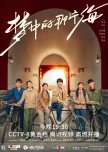
The vibes of Love Story in the 1970s reminded me so much of Twelve Letters for some reason. As a person who loved both, I can say that if you liked one of these you'll like the other. In all the C-dramas I've watched, these 2 have a distinct aura that's very similar.
I think the couple pairing is on point for Sun Qian/Chen Feiyu! Genuinely they reminded me sm of Zhou Yiran/Wang Yinglu in Twelve Letters.
A K-drama similar to Love Story in the 1970s would When Life Gives You Tangerines.
I think the couple pairing is on point for Sun Qian/Chen Feiyu! Genuinely they reminded me sm of Zhou Yiran/Wang Yinglu in Twelve Letters.
A K-drama similar to Love Story in the 1970s would When Life Gives You Tangerines.
1. Retro Settings & Nostalgia: Both dramas lean heavily into a "golden-hued" but gritty past.
- Love Story in the 1970s: Set in 1970s China during the end of the Cultural Revolution. It captures the specific aesthetic of factory life, collective housing, and the desperate social drive for university recommendations.
- When Life Gives You Tangerines: Primarily set in 1950s/60s Jeju Island. It captures the rugged beauty and harsh poverty of post-war Korea, focusing on the lives of haenyeo (sea women) and farmers.
2. Ambitious Heroines & Education: The female leads in both stories view education as their only escape from a predetermined life of labor.
- Fei Ni (Love Story in the 1970s): A textile factory worker who dreams of going to college to change her fate, despite the factory leaders repeatedly dashing her hopes.
- Ae-sun (When Life Gives You Tangerines): A poor girl from Jeju who dreams of becoming a poet. She rebels against her circumstances and fights for the chance to attend school despite financial hardship.
3. "Quiet Strength" Male Leads: Both dramas feature a male protagonist who serves as a "silent guardian" - patient, supportive, and less traditionally "macho" than typical leads.
- Fang Muyang (Love Story in the 1970s): An artistic, somewhat melancholy man who supports Fei Ni’s dreams. Their relationship starts as a "fake marriage" for housing but grows into deep, mutual support.
Gwan-sik (When Life Gives You Tangerines): Described as "steel-hearted," he is a quiet, diligent man who has loved Ae-sun since childhood and remains her steady shadow through every season of her life.
4. Shared Themes
- Survival vs. Dreams: Both stories ask: How do you keep your soul alive when you are struggling just to eat? The characters often have to choose between their personal ambitions and the needs of their families.
- The Housing/Poverty Struggle: A central plot point in Love Story in the 1970s involves the couple living in upper and lower bunks in a tiny room to secure housing for Fei Ni’s brother. Similarly, When Life Gives You Tangerines depicts the "gritty reality" of sacrifice, showing the parents giving up their own plates so their children can eat.
- Healing through Ordinary Life: Neither show relies on "grand heroics." Instead, they find beauty in the "minimal gestures" like sharing a meal, a walk in the snow (or by the sea), and the persistence of staying together through decades of hardship.
- Love Story in the 1970s: Set in 1970s China during the end of the Cultural Revolution. It captures the specific aesthetic of factory life, collective housing, and the desperate social drive for university recommendations.
- When Life Gives You Tangerines: Primarily set in 1950s/60s Jeju Island. It captures the rugged beauty and harsh poverty of post-war Korea, focusing on the lives of haenyeo (sea women) and farmers.
2. Ambitious Heroines & Education: The female leads in both stories view education as their only escape from a predetermined life of labor.
- Fei Ni (Love Story in the 1970s): A textile factory worker who dreams of going to college to change her fate, despite the factory leaders repeatedly dashing her hopes.
- Ae-sun (When Life Gives You Tangerines): A poor girl from Jeju who dreams of becoming a poet. She rebels against her circumstances and fights for the chance to attend school despite financial hardship.
3. "Quiet Strength" Male Leads: Both dramas feature a male protagonist who serves as a "silent guardian" - patient, supportive, and less traditionally "macho" than typical leads.
- Fang Muyang (Love Story in the 1970s): An artistic, somewhat melancholy man who supports Fei Ni’s dreams. Their relationship starts as a "fake marriage" for housing but grows into deep, mutual support.
Gwan-sik (When Life Gives You Tangerines): Described as "steel-hearted," he is a quiet, diligent man who has loved Ae-sun since childhood and remains her steady shadow through every season of her life.
4. Shared Themes
- Survival vs. Dreams: Both stories ask: How do you keep your soul alive when you are struggling just to eat? The characters often have to choose between their personal ambitions and the needs of their families.
- The Housing/Poverty Struggle: A central plot point in Love Story in the 1970s involves the couple living in upper and lower bunks in a tiny room to secure housing for Fei Ni’s brother. Similarly, When Life Gives You Tangerines depicts the "gritty reality" of sacrifice, showing the parents giving up their own plates so their children can eat.
- Healing through Ordinary Life: Neither show relies on "grand heroics." Instead, they find beauty in the "minimal gestures" like sharing a meal, a walk in the snow (or by the sea), and the persistence of staying together through decades of hardship.
The period in Our Dazzling Days starts roughly about same time as Love Story in the 1970s, in the heydays of the state-owned factories, but the children quickly grow and the drama concentrates on post 1980s young people struggling to achieve their dreams, even if the school director misuses his power to prevent the lead character to apply for his dream career.
Love Story In the 1970s has a young woman being prevented to apply for her dream studies in university, and becoming a writer, by women cadres who are in power for a long period. She is supported in her struggle by her family and husband, whereas in Our Dazzling Days, the protagonist gets support from friends after his last family member passes away.
Love Story In the 1970s has a young woman being prevented to apply for her dream studies in university, and becoming a writer, by women cadres who are in power for a long period. She is supported in her struggle by her family and husband, whereas in Our Dazzling Days, the protagonist gets support from friends after his last family member passes away.
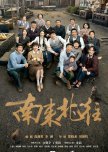
Both Love Story in the 1970s and Always on the Move share a similar heartwarming tone and are set in the 1970s. They both focus on ordinary people navigating life during that era, highlighting themes of family, friendship, and personal growth. Instead of dramatic, high-stakes conflicts, the storytelling leans more toward emotional warmth and slice-of-life realism.
Another similarity is how both dramas pay close attention to period details, from the setting and costumes to the social atmosphere, which helps immerse viewers in that specific time in China’s history. At their core, both stories emphasize human connections and the quiet resilience of everyday people.
Another similarity is how both dramas pay close attention to period details, from the setting and costumes to the social atmosphere, which helps immerse viewers in that specific time in China’s history. At their core, both stories emphasize human connections and the quiet resilience of everyday people.
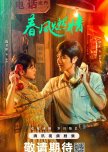
-Set almost in the same time period of China , one in the mid 70s another in the 80s
-young couple set in arranged marriage & gradually fall for each other later
-Independent likable Female lead, Gentle capable Male lead with his everything to support her studies & decisions
-Common life of that era shown with It's struggles & difficulties
-Love Story in the 1970s is actually close to a masterpiece in It's making & productions, Spring burning is a low budget short drama which tried It's best to tell It's story & portrayals so have your expectations on line,It's a feel good kinda light hearted binge worthy drama that showed the couple's gradual growth over time as life partners & business partners.
- Interesting dynamic of bond between families & people of that 'innocent' period of Time.
-young couple set in arranged marriage & gradually fall for each other later
-Independent likable Female lead, Gentle capable Male lead with his everything to support her studies & decisions
-Common life of that era shown with It's struggles & difficulties
-Love Story in the 1970s is actually close to a masterpiece in It's making & productions, Spring burning is a low budget short drama which tried It's best to tell It's story & portrayals so have your expectations on line,It's a feel good kinda light hearted binge worthy drama that showed the couple's gradual growth over time as life partners & business partners.
- Interesting dynamic of bond between families & people of that 'innocent' period of Time.
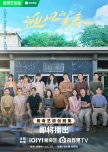
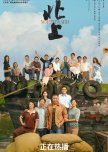
Both dramas are period slice-of-life stories set in self-contained industrial work-unit communities in China, a 1970s factory village and a 1990s oil field of multi-generational families. They share a nostalgic, coming-of-age genre, focusing on ordinary people navigating family ties and using education to escape their inherited social fates. Both have slow-burn relationships with Love Story in the 1970s specifically including a fake marriage trope. Bonus- Sun Qian is female main lead in both!
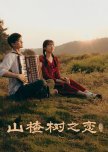
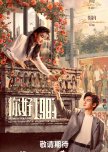
These are both cozy, nostalgic dramas. They're like warm hugs from the past; heartfelt romance, everyday struggles, and that "pure love" vibe. Both capture China's reform-opening period: factories, villages, grain coupons, modest dreams, and big ambitions against a backdrop of social change. No heavy drama or toxic twists; it's about two people respecting each other, chasing dreams together, and building a better life.

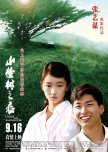
The series and the movie share the same era, but different perspectives. The Love Story in the 1970's depicts how the people in that era lived their lives, and made peace with it. While Under The Hawthorn Tree emphasized the scarcity of basic needs, and how even love is expensive in their time. The movie is very poetic, and though they do not sugarcoat the hardships of the setting- there's still beauty in the simplicity of the way they created the movie.
PS: Under the Hawthorn has a beautiful, tragic ending, though.
PS: Under the Hawthorn has a beautiful, tragic ending, though.
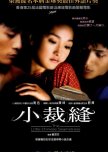
The 2002 movie was also a heartfelt account with humor and heartaches about city youth sent away to be "reeducated through labor with the peasants" but who did not give up their yearning for education, college, and art. It is largely autobiographical, so gives valuable insights on some parts of the drama (such as what movies were watched by the Chinese at the time, apart from "revolutionary opera movies" : Korean movies, war movies from "socialist countries"...). The drama, and the novel Love Story in the 1970s, are a "softer take" on the struggles and joys of the "scars generation".
Balzac and the Little Chinese Seamstress, the award winning 2000 novel, written in French, was a best seller and has been translated into more than 25 languages. It draws on the memories of author Dai Sijiie (born in 1954) from the years he spent in a re-education camp in rural Sichuan from 1971 to 1974 during the Cultural Revolution.
The movie, featuring Zhou Xun as FL, Chen Kun and Liu Ye as MLs, adapted and directed by the author "received several nominations, including a Golden Globe nomination for Best Foreign Language Film (2003), a Golden Horse Award nomination for Best Adapted Screenplay (2003), and a Hong Kong Film Award nomination for Best Asian Film (2004). It also won the NBR Award for Top Foreign Films (2005)." It can be watched with English subtitles on https://www.youtube.com/watch?v=KUySDK5cpy4
Balzac and the Little Chinese Seamstress, the award winning 2000 novel, written in French, was a best seller and has been translated into more than 25 languages. It draws on the memories of author Dai Sijiie (born in 1954) from the years he spent in a re-education camp in rural Sichuan from 1971 to 1974 during the Cultural Revolution.
The movie, featuring Zhou Xun as FL, Chen Kun and Liu Ye as MLs, adapted and directed by the author "received several nominations, including a Golden Globe nomination for Best Foreign Language Film (2003), a Golden Horse Award nomination for Best Adapted Screenplay (2003), and a Hong Kong Film Award nomination for Best Asian Film (2004). It also won the NBR Award for Top Foreign Films (2005)." It can be watched with English subtitles on https://www.youtube.com/watch?v=KUySDK5cpy4
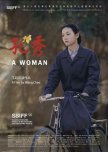
"A Woman" is the story of a woman storyteller who did not get the chance to go study, but was confined to factory work, until her talent gained her a second chance for life, leaving behind the shackles of dreary work and unwanted marriage and motherhood. As many "scars generation" stories it is somber, but tells of an indomitable spirit.
It does resonate with the heartaches of Fei Ni in the drama, when she is repeatedly rebuked and discouraged from wishing to become a student and read her fill of books.
Unfortunately, this Wang Chao movie may be difficult to find outside Chinese movies festivals featuring famous writer-directors work. It is based on a semi-autobiographical novel Dream (Meng, ?) by Zhang Xinzhen which still has not been translated into English or other languages.
A short trailer can be found on YouTube.
It does resonate with the heartaches of Fei Ni in the drama, when she is repeatedly rebuked and discouraged from wishing to become a student and read her fill of books.
Unfortunately, this Wang Chao movie may be difficult to find outside Chinese movies festivals featuring famous writer-directors work. It is based on a semi-autobiographical novel Dream (Meng, ?) by Zhang Xinzhen which still has not been translated into English or other languages.
A short trailer can be found on YouTube.
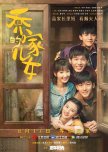
- Both are Chinese dramas
- Same historical period (1970s)
- Both belong to the "family drama" genre
- Nostalgic and sentimental tone
- Themes such as personal struggles, family bonds, love and sacrifice, hope and resilience
"Love Story in the 1970s" also features a significant romantic theme (double pairing) absent from "The Bond"
- Same historical period (1970s)
- Both belong to the "family drama" genre
- Nostalgic and sentimental tone
- Themes such as personal struggles, family bonds, love and sacrifice, hope and resilience
"Love Story in the 1970s" also features a significant romantic theme (double pairing) absent from "The Bond"