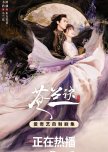








 'The Journey of Legend' actress responds to her controversy, while C-netz await drama's release
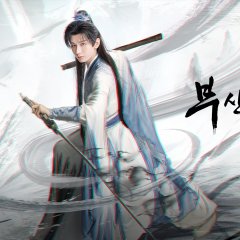
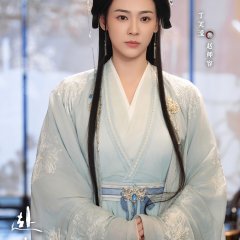
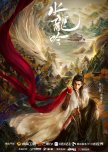
 O drama conta a história de Xiao Ming Ming, um indivíduo tranquilo que adora romances de artes marciais, mas que se sente desgastado pela realidade. Através da perspectiva do protagonista do romance, Xiao Qiu Shui, ele embarca em uma jornada pelo mundo das artes marciais, evoluindo de um jovem espadachim impulsivo com habilidades limitadas para um grande herói movido pela lealdade e pelo senso de dever para com sua família e seu país. Posteriormente, Xiao Ming Ming continua escrevendo em seu tempo livre, usando seus romances para transmitir a crença de que as pessoas se unem por causa da retidão. (Fonte: Inglês = DramaWiki, Tencent Video || Tradução = kisskh) ~~ Adaptado do romance "Shen Zhou Qi Xia (神州奇侠)" de Wen Rui An (温瑞安). Editar Tradução
- Português (Brasil)
- 中文(简体)
- ภาษาไทย
- Русский
Onde assistir A Jornada da Lenda

Subscription (sub)

Subscription (sub)

Subscription (sub)

Grátis (sub)

Subscription (sub)

Grátis
Elenco e Créditos
-
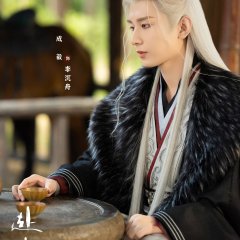
") Cheng YiXiao Qiu Shui | Li Chen Zhou | Xiao Ming MingPapel Principal
Cheng YiXiao Qiu Shui | Li Chen Zhou | Xiao Ming MingPapel Principal -
") Bextiyar GülnezerXiao Xue YuPapel Principal
Bextiyar GülnezerXiao Xue YuPapel Principal -
") Eleanor LeeTang FangPapel Principal
Eleanor LeeTang FangPapel Principal -
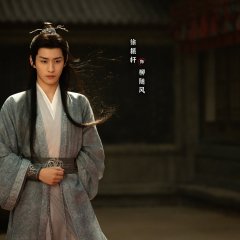
") Xu Zhen XuanLiu Sui Feng / Deputy Chief LiuPapel Principal
Xu Zhen XuanLiu Sui Feng / Deputy Chief LiuPapel Principal -
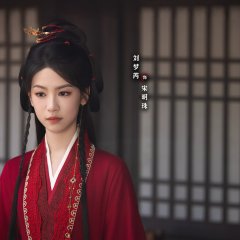
") Liu Meng RuiSong Ming Zhu / "Red Phoenix"Papel Principal
Liu Meng RuiSong Ming Zhu / "Red Phoenix"Papel Principal -
") Li Jun YiDeng Yu Han [Qiu Shui's sworn brother] | Deng Zhe [Ming Ming's dormmate]Papel Secundário
Li Jun YiDeng Yu Han [Qiu Shui's sworn brother] | Deng Zhe [Ming Ming's dormmate]Papel Secundário
Resenhas

Esta resenha pode conter spoilers
A jornada do herói que se encerra em paz
Em 2025, percebo que estou gostando mais dos dramas chineses do que dos coreanos, e este é o exemplo perfeito do porquê. Desde o primeiro episódio até o último segundo do final, tudo aqui é preciso, coeso e bem amarrado. Nada parece fora de lugar ou conduzido às pressas. É uma história com início, meio e fim, uma jornada clássica do herói executada com precisão e emoção na medida certa. Méritos totais para os roteiristas, para a direção e para um elenco que sabia exatamente qual história queria contar.O que dá um fechamento elegante à narrativa é o seu ato final. A morte do protagonista, tanto no universo literário imaginário quanto na realidade, é o ponto que sela a mensagem dos roteiristas. Não há espaço para interpretações convenientes ou para continuações forçadas. É um encerramento sereno, digno e necessário, no qual o herói descansa com a sensação de missão cumprida e o público entende que, desta vez, o fim é realmente o fim.
Esta resenha foi útil para você?

Esta resenha pode conter spoilers
A Mixed Bag of Brilliance and Disappointment
I wanted to give 9 stars, but the ending of the last episode took this 9th star away... I've just finished watching and I really don't know what I feel now. It's just a mix of disappointment and sadness. Anyway, I've already watched so many brilliant dramas with a richly deserved 10, I cannot give it here even a 9. 对不起。The story is about – well, what do you know? So surprising! – the triumph of good over evil. But for me, the deeper meaning is you cannot judge someone from your first impression, cause you can be mistaken about this person. Those who look vicious can turn out quite good and the other way around.
The whole drama is very uneven. There are some great episodes and some boring ones, where the action's moving so slow I was fast-forwarding... The first episodes were not something I'd expected. The plot twisted at the 32nd episode, making the drama go on in an interesting way. But the ending was not as joyful as probably most of the viewers expected.
I highly appreciate the fighting scenes. Cheng Yi is still irreplaceable in acting out martial arts in the best way. Even when he was injured while filming, he continued. I take my hat off to him.
On the character front, my feelings are mixed. Liu Sui Feng is a character I ultimately could not understand. He had potential, but finally turned out to be a monotonous figure with only one expression. Similarly, the main hero, Xiao Qui Shui, wasn't very interesting or surprisingly acted for me. This was in stark contrast to his second brother, who pretended to be calm, protective, and lovely, but turned out to be... well, you'll see for yourself ;)
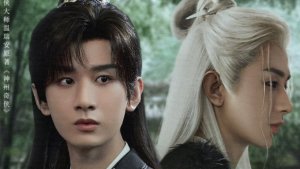
Ultimately, my absolute favourite is Li Chenzhou. There's something very mystic in his composure, calm demeanor, and deep voice. (And that white hair... ;)) What I loved most was that his profound love for his wife never needed grand confessions—you could simply feel it in his every action and silent gaze. It leaves you wondering about the man behind the mystery: just how many years of life and loss are hidden behind that timeless, dignified presence?
Esta resenha foi útil para você?