News
News 

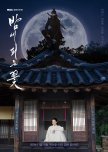
Theme of widowhood
Strong vigilante female lead
Intelligent male lead who has pursuits separate from family and keeps different identities
Ml falls first fast hard
Strong vigilante female lead
Intelligent male lead who has pursuits separate from family and keeps different identities
Ml falls first fast hard
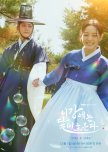
soul swap series between the fl and ml.
Both fls are in a situation where they are not fit to be Ml the prince's consort~~
Both fls are in a situation where they are not fit to be Ml the prince's consort~~
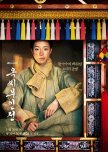
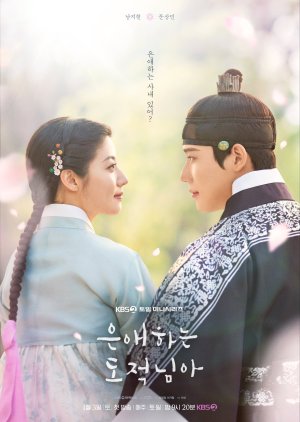
The Tale of Lady Ok: Ok Tae-young is a fugitive slave who fakes her identity as a legal expert. Her entire existence is a precarious lie built on intelligence and wit. And she is very righteous and intelligent woman who want to help people in need.
The men in these stories usually fall in love with the true woman behind the fake identity first. They become complicit in the lie, protecting her from being exposed by the authorities or rivals.
They aren't just hiding for fun; they are hiding because the system is rigged against them (one as a slave, the other as a woman/outcast).
The threat of being "found out" as a slave carries a death sentence, making the atmosphere very tense and heavy.
The men in these stories usually fall in love with the true woman behind the fake identity first. They become complicit in the lie, protecting her from being exposed by the authorities or rivals.
They aren't just hiding for fun; they are hiding because the system is rigged against them (one as a slave, the other as a woman/outcast).
The threat of being "found out" as a slave carries a death sentence, making the atmosphere very tense and heavy.

1. main characters have similar personalities, even the dynamic between the ml and fl is quite similar tho Haeryung is a noble lady, so she's a bit more “naive” in a way.
2. the message both dramas send is the same, tho i'd say to my beloved thief is a bit more on the heavier side, while Rookie Historian remains more lighthearted throughout the whole drama
3. the second ml's father is the main antagonist of the show
4. well-written second fl, tho i'd say Rookie Historian's sfl is a lot more complex (ilovehersm)
5. mystery surrounding an event that happened in the past
2. the message both dramas send is the same, tho i'd say to my beloved thief is a bit more on the heavier side, while Rookie Historian remains more lighthearted throughout the whole drama
3. the second ml's father is the main antagonist of the show
4. well-written second fl, tho i'd say Rookie Historian's sfl is a lot more complex (ilovehersm)
5. mystery surrounding an event that happened in the past
The humor and acting in To My Beloved Thief immediately reminded me of The Haunted Palace. The plots aren't exactly the same, but the vibe they give off is so similar — warm, emotional, and deeply satisfying.
Both dramas have that slow-burn falling-in-love feeling, but what really stands out is how thoughtful the endings are. You can tell the directors genuinely cared about the viewers. My heart felt so full after both.
The villains are also similar in a really interesting way. In both dramas, the king is someone people hate because he's inconsiderate and doesn't care about others. But the deeper similarity is the generational trauma. In The Haunted Palace, the current king's forefather did something terrible in the past, and because of that, the villagers held grudges for generations. They started attacking every king that came after — a curse passed down through blood. It became a huge group of villagers who banded together and just kept hunting down kings one after another.
To My Beloved Thief gives a similar weight — you feel the past pressing down on everyone, and you understand why people act the way they do. Both dramas made me cry, made me laugh, and left me staring at the ceiling afterward.
Both dramas have that slow-burn falling-in-love feeling, but what really stands out is how thoughtful the endings are. You can tell the directors genuinely cared about the viewers. My heart felt so full after both.
The villains are also similar in a really interesting way. In both dramas, the king is someone people hate because he's inconsiderate and doesn't care about others. But the deeper similarity is the generational trauma. In The Haunted Palace, the current king's forefather did something terrible in the past, and because of that, the villagers held grudges for generations. They started attacking every king that came after — a curse passed down through blood. It became a huge group of villagers who banded together and just kept hunting down kings one after another.
To My Beloved Thief gives a similar weight — you feel the past pressing down on everyone, and you understand why people act the way they do. Both dramas made me cry, made me laugh, and left me staring at the ceiling afterward.
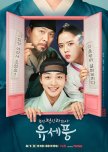
Poong: Yoo Se-poong was a genius acupuncturist to the royal family who can no longer perform acupuncture due to trauma. He has to reinvent himself as a "psychiatrist" to heal hearts instead of just bodies.
Human-Centric: They share a "healing" vibe where the goal of the protagonist's mission (whether stealing back a stolen heirloom or treating a mental illness) is to restore peace of mind to the victim.
Advocacy: They both feature leads who act as advocates for the vulnerable—widows, orphans, and the poor—who have no voice in Joseon society.
In this accept poong is doing better than beloved thief it includes mysterious cases and keep you guessing.
Poong: The Gyesu Clinic family provides a warm, comedic, and protective environment that helps Poong recover from his past.
The journey for the characters in both shows is as much about internal healing as it is about solving external mysteries. Watching them slowly open up and find happiness despite their previous losses is a major emotional hook.
Human-Centric: They share a "healing" vibe where the goal of the protagonist's mission (whether stealing back a stolen heirloom or treating a mental illness) is to restore peace of mind to the victim.
Advocacy: They both feature leads who act as advocates for the vulnerable—widows, orphans, and the poor—who have no voice in Joseon society.
In this accept poong is doing better than beloved thief it includes mysterious cases and keep you guessing.
Poong: The Gyesu Clinic family provides a warm, comedic, and protective environment that helps Poong recover from his past.
The journey for the characters in both shows is as much about internal healing as it is about solving external mysteries. Watching them slowly open up and find happiness despite their previous losses is a major emotional hook.
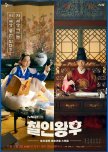
So, if humor and chaos of being in the wrong body were your favorite parts, this is a must-watch. The story is about a modern-day male chef whose soul is trapped in the body of a Joseon-era queen. While it's similar, it's arguably the gold standard for historical body-swap dramas. The comedy is top-tier, and the clash of personalities between the wild queen and the secretive king is legendary.