 Ding Yu Xi and Meng Zi Yi confirmed as leads in new urban C-drama
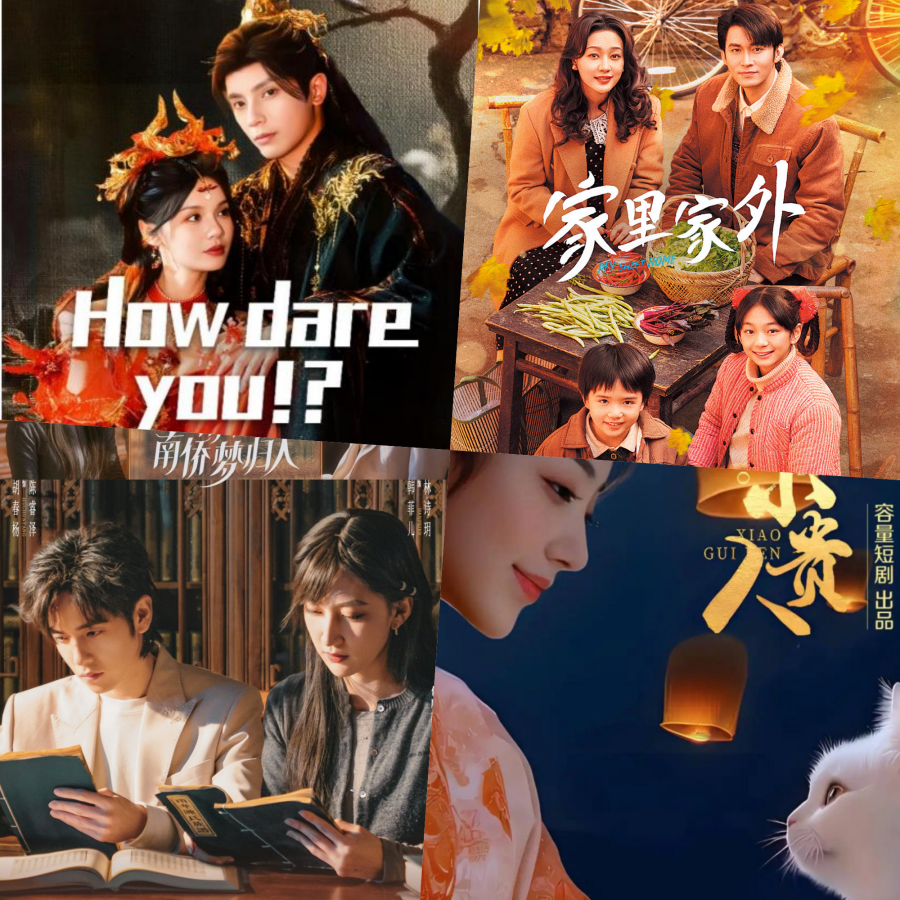
On June 24, the National Radio and Television Administration (NRTA) published a notice on its official website announcing that it is soliciting public opinions on the "Administrative Measures for the Development of Micro-Short Dramas (Draft for Public Comment)" (hereinafter referred to as the "Measures"), which it has organized and drafted. The deadline for submitting feedback is July 23, 2026.
This move aims to further promote the production of micro-short dramas, strengthen the new form of mass literature and art emerging in the internet era, and foster the healthy and orderly development of the micro-short drama industry. It also marks the beginning of a systematic, orderly framework for China's rapidly expanding micro-short drama sector.
The Measures clearly define micro-short dramas as serialized dramatic works with episodes shorter than 20 minutes, featuring a clearly defined theme and central storyline, a continuous and complete narrative, and distinct characters.
These Measures apply to micro-short dramas made available to the public within the People's Republic of China through websites, internet apps and distribution platforms, broadcast TV channels and dedicated sections, internet TV, IPTV, cable TV, and other distribution channels, and accessed via televisions, mobile phones, tablets, computers, public electronic displays, smart (wearable) devices, in-vehicle devices, and other receiving terminals.
The Measures emphasize that the creation and distribution of micro-short dramas should adhere to correct political direction, public opinion guidance, and value orientation, prioritize social benefits, respect originality, protect copyrights, and ensure fair competition.
In terms of its regulatory framework, the Measures propose categorizing micro-short dramas into three classes based on investment size and subject matter.
Category I micro-short dramas are productions with relatively large investment budgets or those involving special subject matters such as politics, the military, diplomacy, ethnicity, or religion.
Category II micro-short dramas are productions with relatively smaller investment budgets that deal with general subject matter, while Category III micro-short dramas are productions with lower investment budgets that also involve general subject matter.
Under the Measures, Category I and Category II micro-short dramas must apply to provincial-level or higher broadcasting and television authorities for content review and distribution approval before broadcast. Upon passing the review, they will be issued either a Micro-Short Drama Distribution License (Weiduanju Faxing Xukezheng) or an official approval document, respectively.
Category III micro-short dramas will be subject to pre-broadcast review by qualified broadcasting entities and will be assigned a program (identification) number.
Micro-short dramas that have not obtained the required license, approval document, or program number shall not be broadcast or entered into awards and excellence recognition programs.
With regard to the use of emerging technologies, the Measures specifically stipulate that for micro-short dramas generated or produced using artificial intelligence technologies, production companies and broadcasting entities must comply with relevant national regulations and display a clear notice in a prominent position in each episode. Broadcasting entities are also required not to use algorithmic models that encourage user addiction, overconsumption, or other behaviors that violate public order and good moral standards.
The draft for public consultation stipulates that micro-short dramas must not contain 11 categories of prohibited content, including content that endangers national security, distorts history, disparages China's fine traditional culture, or infringes upon the lawful rights and interests of minors.
In addition, they must establish and improve an editor-in-chief content accountability system and an end-to-end responsibility-tracing mechanism for content safety.
In addition, the Measures make clear that intellectual property rights related to micro-short dramas are protected by law. They encourage the industry to develop innovative copyright protection mechanisms and support the simultaneous domestic and international release of high-quality micro-short dramas, with the aim of promoting (cultural) exchange and mutual learning between China and other countries.
Source: Sina Finance