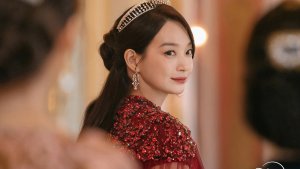
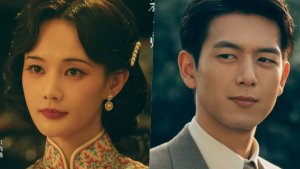
 Li Xian and Li Yi Tong's 'A Prophet' announces premiere date
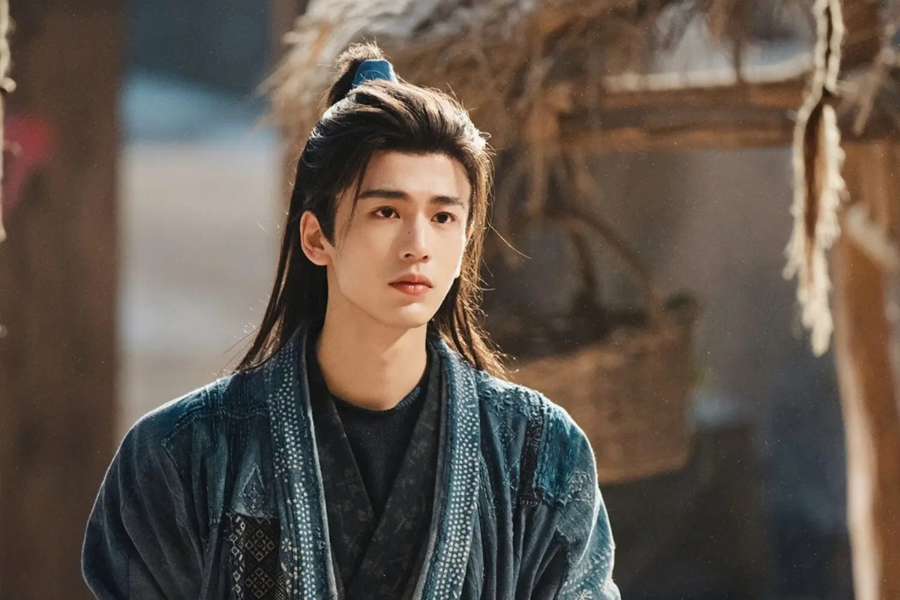
Zhang Ling He spoke with CCTV (China Central Television, the national television broadcaster of the People's Republic of China) in an interview about his recent release Pursuit of Jade, where he discussed his character, the types of roles he hopes to take on in the future, and more.
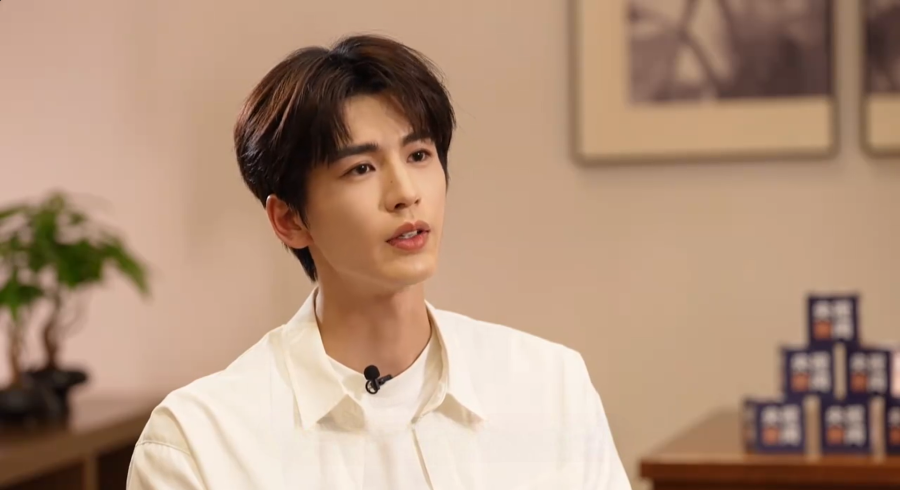
During the filming process, which moments made you feel the appeal of China's traditional culture?
During communication with the director, we chose some elements with some dramatic flair [to them]. For example, the pheasant plumes [on my headpiece] — when the director brought it up, my immediate thought was, "Isn't that what the Monkey King wore?" Later, I looked it up and learned that it actually symbolizes something.
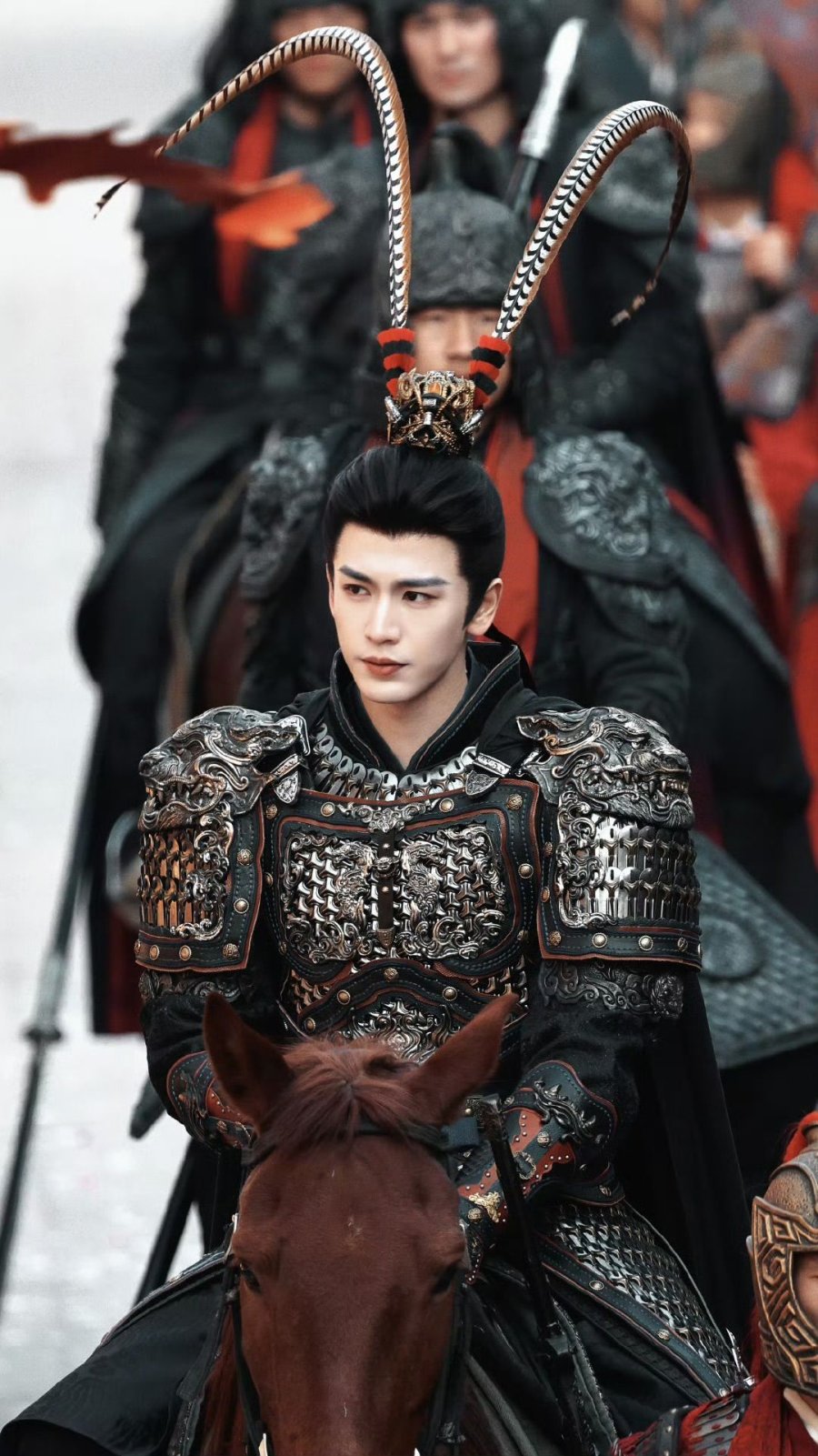
In ancient times, it was worn by generals when they returned victorious. It was essentially a way of displaying one's victory — a very joyful moment. So later, when I discussed with the director whether this element was suitable to be included in our drama, he said yes. He mentioned that I had several scenes where I return triumphantly with the soldiers, and I could use it [in those moments].
When you think about Pursuit of Jade, what is the first scene or image that comes to mind?
The very first image that appears is definitely the entrance scene — namely, that one in the pigsty area. That beam of light was truly genius.
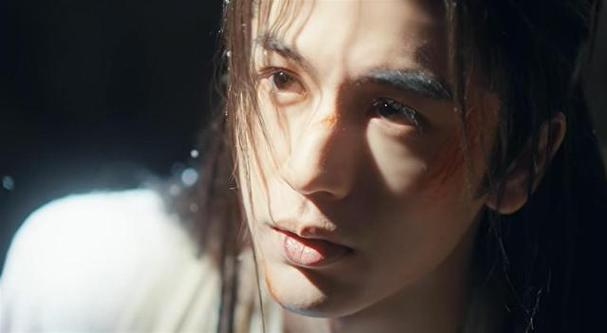
I still remember there was a shot filmed from above, from the sky. There was a hole in the roof of the pigsty, and through that hole, we were seen. Actually, I feel that shot had a great artistic mood. It doesn't only represent the two of us being bound together in that pigsty [due to the circumstances]. It can also be seen as a beam of light shining down on both of us through that opening. The entire composition already conveys a sense that it is telling you how much Xie Zheng needs that kind of light to heal him [at that point in time].
And at that moment, Xie Zheng was looking up at Fan Chang Yu. For him, she appeared as an almost towering figure. At that point in time, he had already gone through many setbacks, and suddenly, there was such a presence standing before him. It's not possible for him not to be shaken.
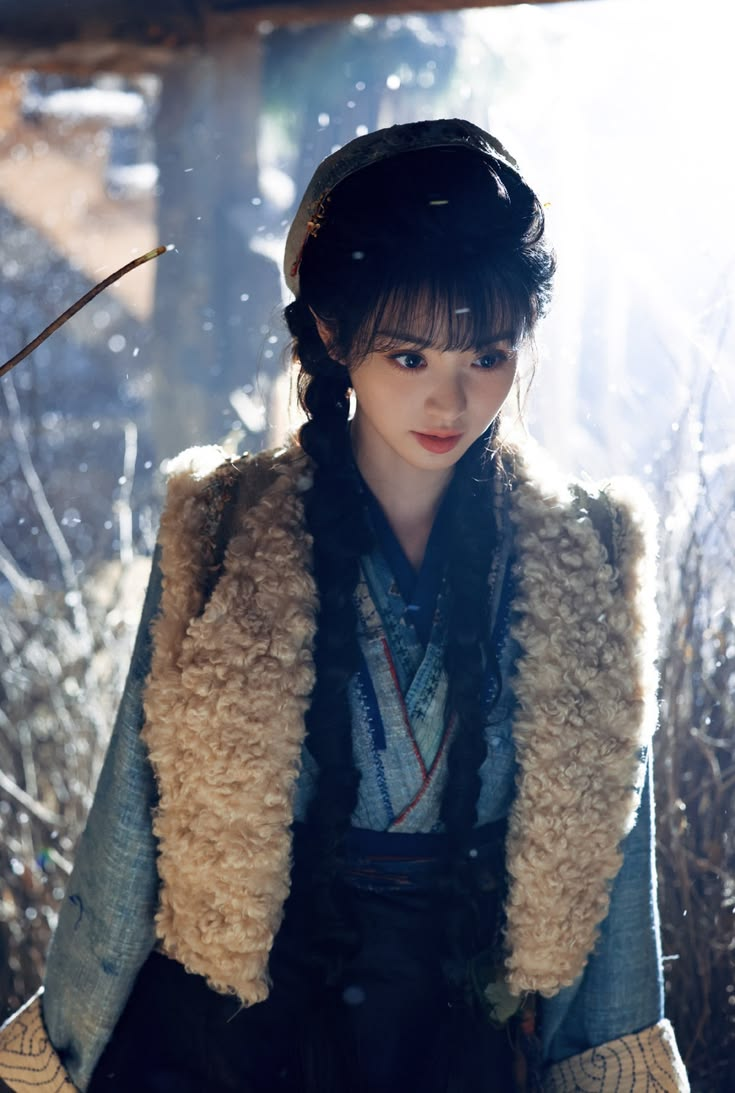
In Xigu Lane, there is an intense scene where a butcher tries to harm the female lead and her friend in the middle of the night, triggering an emotional outburst from Xie Zheng. How did you handle expressing this intensifying emotion in that scene?
In the early stage [of the story], Xie Zheng keeps a low profile and hides his edge. He keeps his true feelings buried inside. But if a person [character] is to feel genuine [and real], he can never hide everything completely — especially when emotions reach their highest, most intense point.
Anger reveals a person's truest nature. So in that moment, when he encountered such a situation — the person he treats as precious, or rather someone he himself did not even dare touch, being harmed in such a way — then what reason would he have to let that butcher go?
And with the man kneeling before him, he was certainly going to let a trace of his true nature show. Even just that [small glimpse], everyone would realize that Xie Zheng really is the Marquis of Wu'an. He is not just the seemingly delicate, weak, wounded man in Xigu Lane.
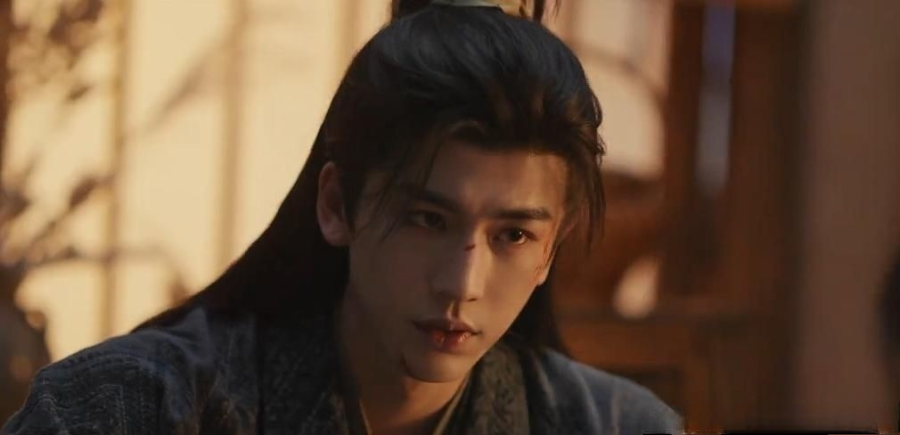
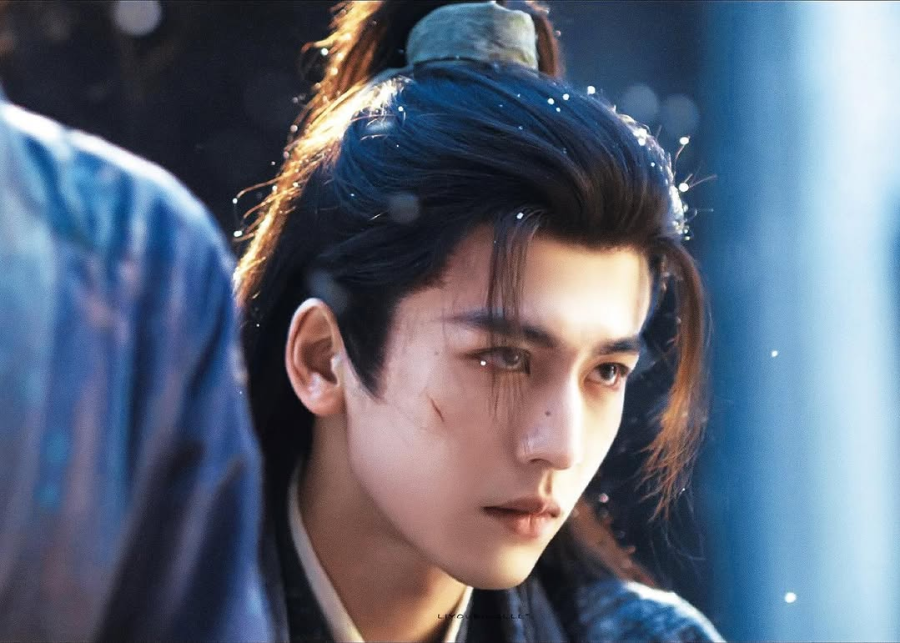
When shaping the character "Xie Zheng", what new attempts did you make [as an actor]? And what breakthroughs did you achieve?
Although I have acted in quite a few dramas, the time period is relatively short. At that time, the thing I struggled with the most was controlling facial expressions. It's not about whether it looks good or not, but rather that when a person [character] is experiencing emotions, you don't necessarily show every feeling on the face. Especially when you're playing a character who is reserved — someone who does not show joy or anger outwardly — then at such moments, if you put overly exaggerated expressions on your face, the audience would instead feel pulled out of the story.
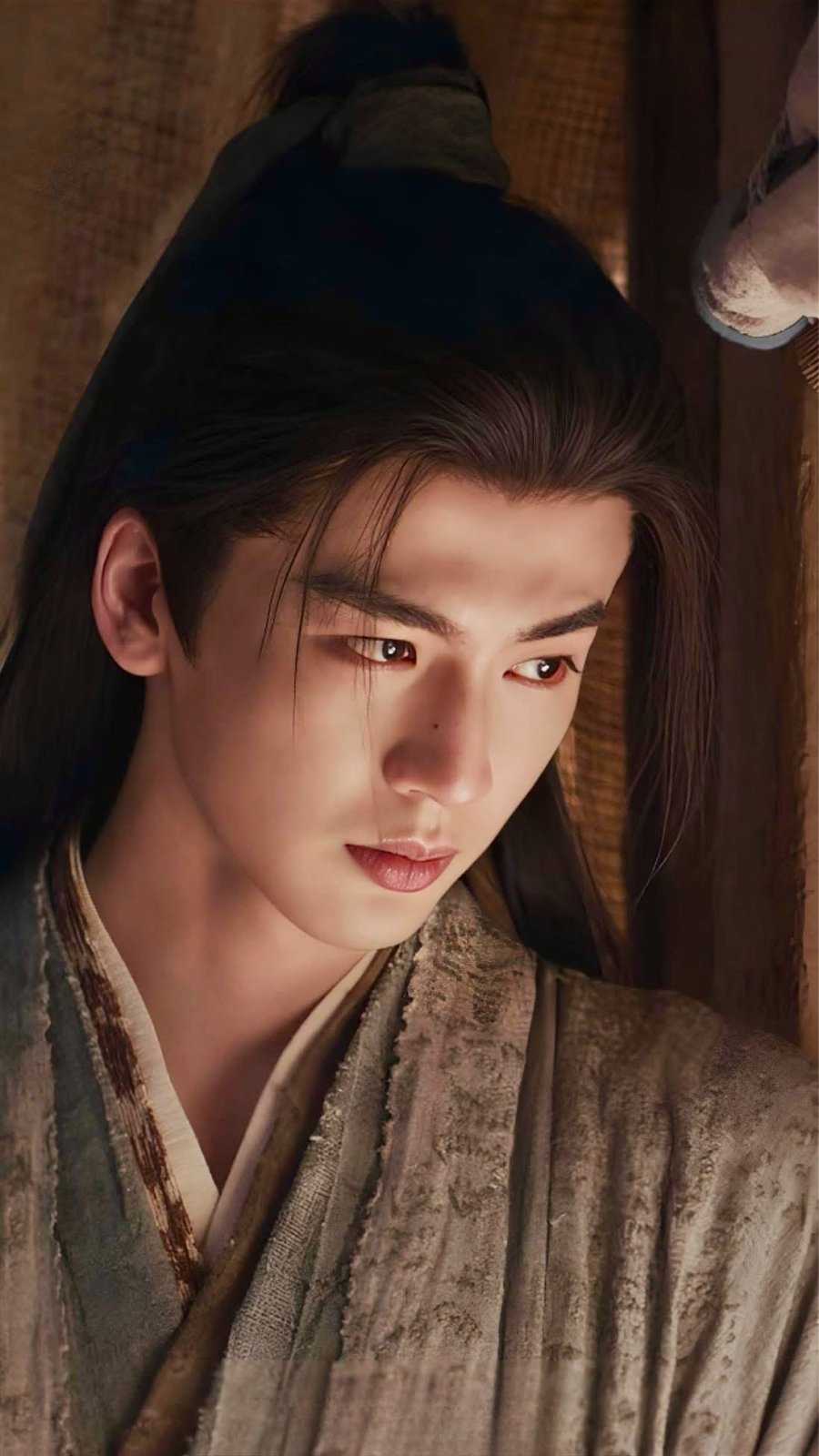
For playing Xie Zheng, the director and I did a lot of preparatory work in the early stage, including [laying out] the details of every shift and development in the character. Although Xie Zheng has a lot of backstory that was not actually filmed or shown on screen, during our preparation in the early stage, we definitely kept those small stories in mind and would even turn them into my [character's] short biography and write them on the script.
Especially in emotional scenes, I would review these mini backstories, run them through my mind once, and then step in front of the camera to perform. That approach always makes the performance feel much more natural compared to simply delivering dialogue.
When reading a script, what do you value the most?
When I read a script, I pay a lot of attention to logic. If a scenario — or rather a storyline — doesn't have its proper backstory, and you suddenly insert a very intense or explosive plot point, the audience won't buy it.
For example, the relationship between Fan Changyu and Xie Zheng — if there wasn't a strong buildup in the early stage, and the two of them suddenly started a relationship without any prior time spent together, would the audience really believe it?
You can't expect everyone to believe in love at first sight. There needs to be something leading up to it: I've done things for you, you've done things for me; you saved me, I saved you. Only then will people believe that the feelings are real.
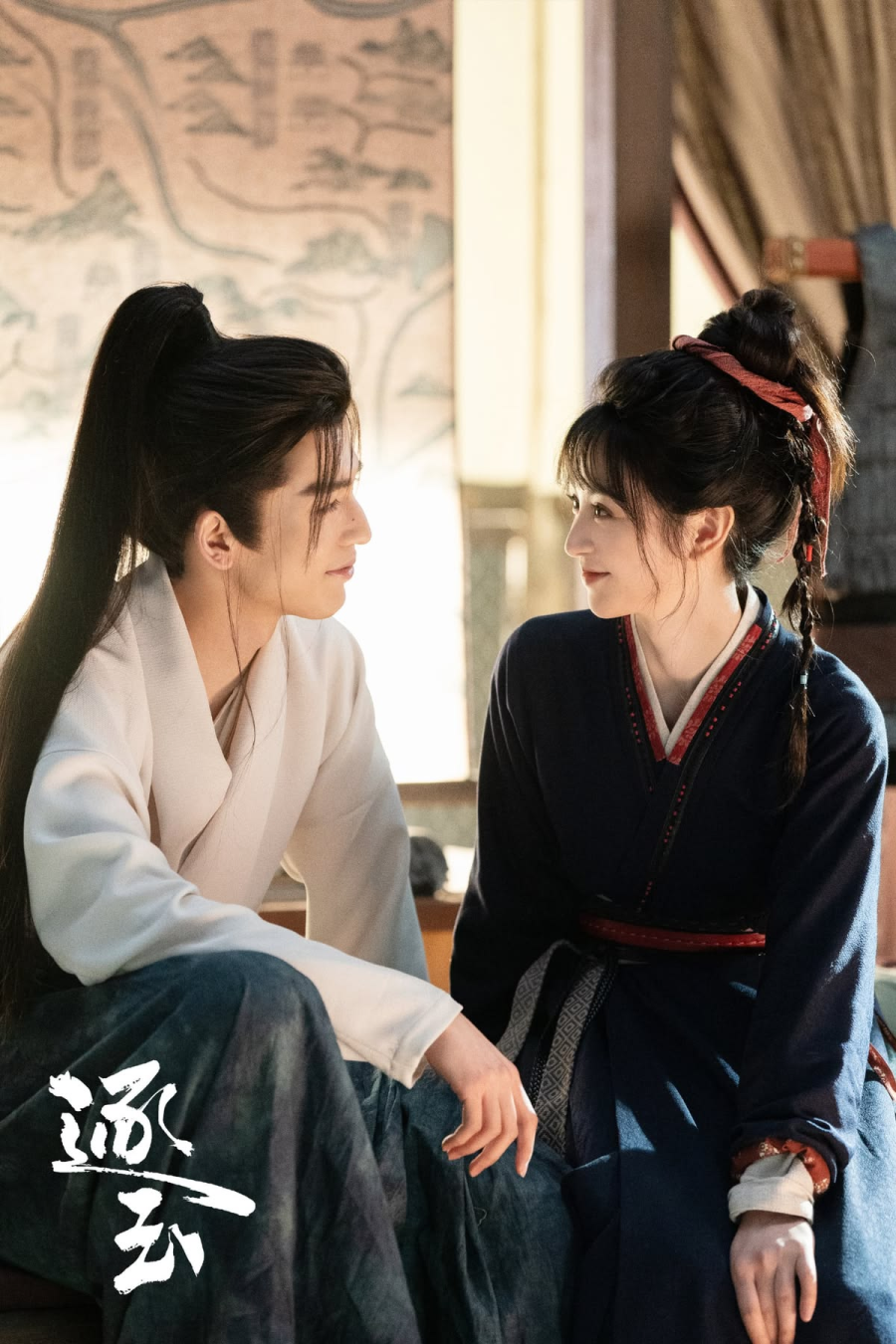
In Xie Zheng's world, how do you view “Xigu Lane”? The script devotes a large portion to telling the story of Xigu Lane—how do you understand it?
Xigu Lane is the purest place. The relationships between neighbors and villagers are also written in a very three-dimensional way. Why depict this section of the story? It is actually to set the stage. Only when the atmosphere in the beginning is made rich can the audience truly empathize later—when the villagers are massacred, when the story moves into the court, and when the characters eventually confront the villains.
What lines in the drama left a deep impression on you? How do you understand the meaning they hold?
One very iconic line is, "I'll slaughter pigs to support you." I also really like this one: "The dream in the Wind and Rain Pavilion has ended." Because this line is not just a meme — it also strongly highlights the character traits. With just this one poetic line, [the drama] establishes the relationship between me and Li Qing. He is a strategist, while I am a general. Our characters' dynamic is often playful and teasing. My character tends to find him a bit annoying, while he is always all proper and literary.
As Pursuit of Jade can be described as a visual feast for the eyes, what are its unique approaches in cinematographic expression?
Because I'm Capricorn, born in December, and I'm the kind of person with a personality from childhood to now who has not been one that is very good at expressing love, so when I perform emotional scenes like these [shown in the drama], I really like using what you could call "blank space" or restraint. That is, some things don't need to be expressed too fully or explicitly. If you say everything too explicitly, it can feel overdone. And even the audience may not necessarily be able to fully accept it. So I like to present things through details.
For example, hand movements or the way visuals are used, such as that beam of light from above, and certain aspects of composition. All of these elements can spark the audience's imagination [and make them interpret or feel more than what is shown in the scene].
That's also why watching a drama is different from reading a novel. The text in a novel gives you a lot of room for mental visualization and imagination. You can imagine what the main character is like; you can imagine what he does between his lines of dialogue and what happens between each line of speech. That kind of imagination is very compelling. I'm the same when I read novels. I like the "blank spaces" between the words and let my imagination fill in the rest. It's all the power of imagination.
Are there any types of roles you especially want to try [going forward]?
I've actually always wanted to try modern profession-themed dramas. I find that when you act in this kind of drama, you get to learn knowledge that you don't usually come across in everyday life. For example, traditional Chinese medicine [The Best Thing] — I only briefly touched on that profession, only had a very surface-level exposure to the profession of Chinese medicine [doctor], but I still got some knowledge about it.
If I get a chance to act in [another] modern profession-themed drama — whether it's playing a lawyer or someone in advertising — I would have the opportunity to learn all the knowledge of that profession through the role.
I've always said that I hope to have a character like that — one where, as soon as people see the character's name, they immediately think of me. It doesn't matter whether it's a big role or a small one. It doesn't matter whether the character is a hero or a villain — what matters is that the role is three-dimensional. It shouldn't be that people only associate the characters with me after seeing my name. I really, really look forward to a role like that in my career, and I'm also working hard for it.
Source (1)