

 25
25 41
41 1
1 2
2 1
1 3
3 1
1 1
1 1
1 1
1 2
2 2
2 1
1 1
1 2
2 23
23 1
1 1
1 1
1 2
2 1
1 1
1 1
1 1
1 1
1 4
4 1
1 1
1 1
1 3
3 1
1 4
4


This review may contain spoilers
Soft, Romantic, and Real: This BL Series Hit Home for Me
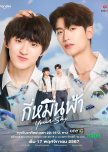
What initially drew me to this series was the remarkable appearance of the lead actor, Muenfah (portrayed by Thomas). His visuals are truly captivating—he looks effortlessly attractive in every outfit, whether it be pajamas, casual wear, or formal suits. He embodies the image of an ideal romantic partner with both charm and presence.
Admittedly, I found the first six episodes somewhat slow in terms of emotional engagement. However, from episode seven onward, my appreciation for the series deepened significantly. It became endearing and emotionally satisfying, especially in episode nine, where the intimate scenes—such as cuddling and kissing on the couch—were tenderly and tastefully portrayed. The romantic scenes in episodes nine and twelve were beautifully executed; the physical intimacy, the gentle skin-to-skin contact, and the affectionate chemistry between the leads felt authentic and deeply moving.
I was so invested that I binge-watched the entire series in just two days, and I now find myself eagerly looking forward to the sequel.
As is common in many BL dramas, there was a pivotal episode—specifically episode eleven—featuring the classic moment of disapproval from a parent. In this case, it was Terrak’s father who attempted to drive a wedge between the couple. While difficult to watch, this narrative arc added a layer of realism. I found it particularly resonant. Although Muenfah’s parents were portrayed as open and accepting of their son’s relationship with another man, Terrak’s father remained rooted in traditional values, refusing to offer the same support.
This storyline mirrors real-life challenges faced by many in the LGBTQ+ community, myself included. As someone in my early 30s who was born and raised in Australia—where same-sex marriage is legally recognized, much like in Thailand—I still grapple with the knowledge that my parents, now in their 70s and 80s, would likely not accept my coming out due to their deeply held traditional Asian beliefs.
Overall, I found this series to be soft, heartwarming, and full of genuine emotion. The portrayal of friendships, romantic relationships, and family support was handled with care and sensitivity. I especially appreciated how both main characters’ families and siblings were shown as supportive and loving.
That said, one lingering curiosity remains: what exactly are the characters studying at university? If anyone has insight into this, I would genuinely love to know.
Admittedly, I found the first six episodes somewhat slow in terms of emotional engagement. However, from episode seven onward, my appreciation for the series deepened significantly. It became endearing and emotionally satisfying, especially in episode nine, where the intimate scenes—such as cuddling and kissing on the couch—were tenderly and tastefully portrayed. The romantic scenes in episodes nine and twelve were beautifully executed; the physical intimacy, the gentle skin-to-skin contact, and the affectionate chemistry between the leads felt authentic and deeply moving.
I was so invested that I binge-watched the entire series in just two days, and I now find myself eagerly looking forward to the sequel.
As is common in many BL dramas, there was a pivotal episode—specifically episode eleven—featuring the classic moment of disapproval from a parent. In this case, it was Terrak’s father who attempted to drive a wedge between the couple. While difficult to watch, this narrative arc added a layer of realism. I found it particularly resonant. Although Muenfah’s parents were portrayed as open and accepting of their son’s relationship with another man, Terrak’s father remained rooted in traditional values, refusing to offer the same support.
This storyline mirrors real-life challenges faced by many in the LGBTQ+ community, myself included. As someone in my early 30s who was born and raised in Australia—where same-sex marriage is legally recognized, much like in Thailand—I still grapple with the knowledge that my parents, now in their 70s and 80s, would likely not accept my coming out due to their deeply held traditional Asian beliefs.
Overall, I found this series to be soft, heartwarming, and full of genuine emotion. The portrayal of friendships, romantic relationships, and family support was handled with care and sensitivity. I especially appreciated how both main characters’ families and siblings were shown as supportive and loving.
That said, one lingering curiosity remains: what exactly are the characters studying at university? If anyone has insight into this, I would genuinely love to know.
Was this review helpful to you?


