


 1
1


This review may contain spoilers
What is the Price of Integrity?
There is perhaps no medium more powerful than the media, and there is also perhaps no other medium that is continually abused more. The media is a tool, that when used correctly, can bring down companies, institutions, and even presidents, especially when truth is brought out of the darkness and into the light.
“All The President’s Men” is still the definitive film that shows us just how powerful the media can be when two reporters uncovered Watergate and the conspiracy to undermine a political party, which ultimately brought down President Nixon’s administration.
“Spotlight” is a film that used the power of the media to show how the Catholic Church used bribery and manipulation to silence the families and children who had been molested by Catholic priests. Little did they realize that they had uncovered a global conspiracy.
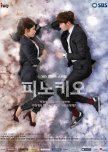
“Pinocchio” tells the compelling story of how a young man is determined to prove his father’s innocence after the media, and specifically one greedy reporter who was obsessed with impact and sensationalism, crucified his father in the court of public opinion. Choi Dal Po (his real name being Ki Ha Myeong) was there when reporter Song Cha Ok publicly accused his father, a firefighter, of killing his squad while attempting to put out a fire at a waste disposal plant. His mother, too grief-stricken, committed suicide, and attempted to take Choi Dal Po with her, but he survived and was taken in by an old man who lost his son 40 years ago. Little does Choi Dal Po realize, at first, that his “niece” is actually Choi In Ha, the daughter of Song Cha Ok.
Despite the realization of who Choi In Ha is, Choi Dal Po is smitten with her, and the feeling is also mutual. It’s clear that these two love each other, despite the rocky start to their relationship. Of course, for years, Choi In Ha has no idea that her mother was responsible for the destruction of Choi Dal Po family and his life.
The two grow up, determined to become reporters. Choi Dal Po is driven by exposing Song Cha Ok for what she’s done, and Choi In Ha wishes to follow in the footsteps of her mother. However, as soon as the truth comes out about Song Cha Ok’s reports, Choi In Ha is decimated, and she feels sorry and partially responsible for Choi Dal Po’s situation. What is unique is that Choi In Ha has “Pinocchio Syndrome,” a condition that makes her hiccup whenever she attempts to tell a lie. Thus, most of the reporting world, including her own mother, believes it’s impossible for someone with this condition to become a reporter, since they firmly believe that lying and using deception are sometimes necessary.
Of course, behind every minion is a power behind the throne. Park Ro-Sa is the wealthy owner of a chain of department stores, and she is also in the pocket of a powerful Assemblyman. We also learn that Song Cha Ok was bribed and manipulated by Park Ro-Sa to slander Dal Po’s father. Thus, the abusive manipulation of the press was used to destroy an entire family and bury the truth.
The irony about Truth is that it can neither be proven nor disproven. It simply is. However, evidence can be acquired in an attempt to piece together events and find out what really happened.
At first, Dal Po is sickened by reporters and how much they abuse their power. However, upon deciding to pursue the profession, he makes an oath never to abuse it by lying in order to make a story more impactful or even to use it to manipulate the system toward uncovering the truth. What makes the story compelling is that Choi In Ha is 100% on Dal Po’s side, despite knowing that the person he’s going after is her own mother. In fact, Choi In Ha is ashamed and sickened by what her mother has done. She even goes so far as to tell Dal Po that he should do whatever it takes to bring the truth to light and let nothing and no one stand in his way. That’s the power of true love and friendship!
For the most part, the series works. When Song Cha Ok realizes how her greed is hurting all those around her, she begins to shift her stance. I felt this was done a little too fast and a little too easily. It’s obvious from the start that, despite how she’s being manipulated by Park Ro-Sa, she’s powered by deception and her goal of simply sensationalizing a story as much as she can to get approval and ratings. Most people don’t change that easily, and I felt it would have been better if Song Cha Ok realized she had no other choice rather than simply switching sides upon realizing that the walls were closing in.
There were almost too many heartfelt scenes in which actors were constantly shedding tears. I don’t mind the sentiment, but when it’s overused, it tends to lessen the impact. There were some scenes that could have been just as impactful, but save the tears for a more impactful scene.
It’s typical with K-Dramas that even people in their late 20s are still under the shadow and influences of their elder family members. Watching Dal Po and In-Ha scurrying around in shame and guilt, such as when In Ha is nearly caught at Dal Po’s apartment, was silly. Writers tend to overthink such scenes. All she had to do was tell her father and grandfather that Dal Po was tending to her wounds. Also, in the last episode, where Dal Po tells In Ha that they won’t be able to get married without their grandfather’s opinion, was also another overreach. If you’re living your life for someone else, then you have no one to blame but yourself. If others can’t handle how you live your life, then that’s their problem.
Overall, the show is successful at demonstrating why the media is so powerful and must be used in the right way. After all, what is the price of integrity? For some, it’s the most valuable part of yourself. For others, it means absolutely nothing, and it’s those people you have to watch out for.
“All The President’s Men” is still the definitive film that shows us just how powerful the media can be when two reporters uncovered Watergate and the conspiracy to undermine a political party, which ultimately brought down President Nixon’s administration.
“Spotlight” is a film that used the power of the media to show how the Catholic Church used bribery and manipulation to silence the families and children who had been molested by Catholic priests. Little did they realize that they had uncovered a global conspiracy.
“Pinocchio” tells the compelling story of how a young man is determined to prove his father’s innocence after the media, and specifically one greedy reporter who was obsessed with impact and sensationalism, crucified his father in the court of public opinion. Choi Dal Po (his real name being Ki Ha Myeong) was there when reporter Song Cha Ok publicly accused his father, a firefighter, of killing his squad while attempting to put out a fire at a waste disposal plant. His mother, too grief-stricken, committed suicide, and attempted to take Choi Dal Po with her, but he survived and was taken in by an old man who lost his son 40 years ago. Little does Choi Dal Po realize, at first, that his “niece” is actually Choi In Ha, the daughter of Song Cha Ok.
Despite the realization of who Choi In Ha is, Choi Dal Po is smitten with her, and the feeling is also mutual. It’s clear that these two love each other, despite the rocky start to their relationship. Of course, for years, Choi In Ha has no idea that her mother was responsible for the destruction of Choi Dal Po family and his life.
The two grow up, determined to become reporters. Choi Dal Po is driven by exposing Song Cha Ok for what she’s done, and Choi In Ha wishes to follow in the footsteps of her mother. However, as soon as the truth comes out about Song Cha Ok’s reports, Choi In Ha is decimated, and she feels sorry and partially responsible for Choi Dal Po’s situation. What is unique is that Choi In Ha has “Pinocchio Syndrome,” a condition that makes her hiccup whenever she attempts to tell a lie. Thus, most of the reporting world, including her own mother, believes it’s impossible for someone with this condition to become a reporter, since they firmly believe that lying and using deception are sometimes necessary.
Of course, behind every minion is a power behind the throne. Park Ro-Sa is the wealthy owner of a chain of department stores, and she is also in the pocket of a powerful Assemblyman. We also learn that Song Cha Ok was bribed and manipulated by Park Ro-Sa to slander Dal Po’s father. Thus, the abusive manipulation of the press was used to destroy an entire family and bury the truth.
The irony about Truth is that it can neither be proven nor disproven. It simply is. However, evidence can be acquired in an attempt to piece together events and find out what really happened.
At first, Dal Po is sickened by reporters and how much they abuse their power. However, upon deciding to pursue the profession, he makes an oath never to abuse it by lying in order to make a story more impactful or even to use it to manipulate the system toward uncovering the truth. What makes the story compelling is that Choi In Ha is 100% on Dal Po’s side, despite knowing that the person he’s going after is her own mother. In fact, Choi In Ha is ashamed and sickened by what her mother has done. She even goes so far as to tell Dal Po that he should do whatever it takes to bring the truth to light and let nothing and no one stand in his way. That’s the power of true love and friendship!
For the most part, the series works. When Song Cha Ok realizes how her greed is hurting all those around her, she begins to shift her stance. I felt this was done a little too fast and a little too easily. It’s obvious from the start that, despite how she’s being manipulated by Park Ro-Sa, she’s powered by deception and her goal of simply sensationalizing a story as much as she can to get approval and ratings. Most people don’t change that easily, and I felt it would have been better if Song Cha Ok realized she had no other choice rather than simply switching sides upon realizing that the walls were closing in.
There were almost too many heartfelt scenes in which actors were constantly shedding tears. I don’t mind the sentiment, but when it’s overused, it tends to lessen the impact. There were some scenes that could have been just as impactful, but save the tears for a more impactful scene.
It’s typical with K-Dramas that even people in their late 20s are still under the shadow and influences of their elder family members. Watching Dal Po and In-Ha scurrying around in shame and guilt, such as when In Ha is nearly caught at Dal Po’s apartment, was silly. Writers tend to overthink such scenes. All she had to do was tell her father and grandfather that Dal Po was tending to her wounds. Also, in the last episode, where Dal Po tells In Ha that they won’t be able to get married without their grandfather’s opinion, was also another overreach. If you’re living your life for someone else, then you have no one to blame but yourself. If others can’t handle how you live your life, then that’s their problem.
Overall, the show is successful at demonstrating why the media is so powerful and must be used in the right way. After all, what is the price of integrity? For some, it’s the most valuable part of yourself. For others, it means absolutely nothing, and it’s those people you have to watch out for.
Was this review helpful to you?


