

 1
1


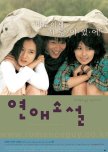
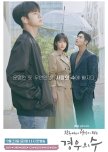
This drama mirrors the "long-term unrequited love" and the risk of ruining a friendship that is central to Lover's Concerto.
The Plot: Two close friends harbor feelings for each other for over 10 years, constantly missing their "timing" due to misunderstandings.
Similarity: It explores the same central question as the movie: how to navigate romantic feelings without losing a precious friendship.
The Plot: Two close friends harbor feelings for each other for over 10 years, constantly missing their "timing" due to misunderstandings.
Similarity: It explores the same central question as the movie: how to navigate romantic feelings without losing a precious friendship.
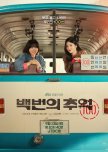
Shared Love Interests: In both stories, two inseparable women develop feelings for their mutual male friend. In Lover’s Concerto, Soo-in and Gyung-hee both love Ji-hwan. Similarly, in A Hundred Memories, bus attendants Yeong-rye and Jong-hui are both "entangled" with Han Jae-pil.
Melancholic Nostalgia: Both productions use a "retro" or nostalgic atmosphere to heighten the emotional stakes. Lover’s Concerto (2002) uses a non-linear structure with extensive flashbacks to 1996, while A Hundred Memories (2025) is set entirely in the 1980s, emphasizing the "bittersweet beauty" of a bygone era.
Themes of Sacrifice and Secrets: A core element of both is the "painful secret" or hidden illness that complicates the characters' relationships. In Lover’s Concerto, the girls hide their illnesses to protect their friendship with Ji-hwan. In A Hundred Memories, the bond is tested by the "weight of hardship" and secrets from the characters' pasts.
Friendship as the Primary Focus: Despite the love triangles, reviewers of both works suggest the true "love story" is the unbreakable bond between the two women. In both, the friendship ultimately survives through intense emotional turmoil and self-sacrifice.
Melancholic Nostalgia: Both productions use a "retro" or nostalgic atmosphere to heighten the emotional stakes. Lover’s Concerto (2002) uses a non-linear structure with extensive flashbacks to 1996, while A Hundred Memories (2025) is set entirely in the 1980s, emphasizing the "bittersweet beauty" of a bygone era.
Themes of Sacrifice and Secrets: A core element of both is the "painful secret" or hidden illness that complicates the characters' relationships. In Lover’s Concerto, the girls hide their illnesses to protect their friendship with Ji-hwan. In A Hundred Memories, the bond is tested by the "weight of hardship" and secrets from the characters' pasts.
Friendship as the Primary Focus: Despite the love triangles, reviewers of both works suggest the true "love story" is the unbreakable bond between the two women. In both, the friendship ultimately survives through intense emotional turmoil and self-sacrifice.
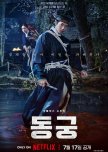
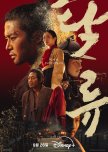
East Palace is similar to Takryu (The Murky Stream) in that both are set in a harsh Joseon-era world shaped by danger, corruption, and hidden power, focus on characters forced into perilous roles beyond ordinary life, and build tension through mystery, moral struggle, and survival, with the series emphasizing atmosphere, character-driven development, and the cost of confronting overwhelming forces rather than light romance or idealized heroism.
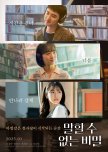

Both films are heartfelt romantic dramas that explore deep emotional connection and personal growth through love and communication, focusing on how the protagonists navigate relationships that challenge them to open up, understand each other beyond surface level, and grow into themselves rather than just a simple love story. Hear Me: Our Summer follows Yong-jun, a young man who finds new direction and emotional depth as he courts Yeo-reum using Korean Sign Language and learns to care deeply for her and her sister, creating a tender, intimate, and character-driven romance that’s grounded in personal discovery and heartfelt interaction — much like Secret: Untold Melody, which uses its fantastical/mystical twist to deepen emotional stakes and the bond between the leads rather than relying on typical romantic tropes.

Both films blend romantic emotion with a strong element of fantasy and mystery that shapes the characters’ journeys rather than relying on ordinary relationships alone — Secret: Untold Melody (a romantic fantasy about love caught in a time-bending paradox between a piano prodigy and a mysterious woman) focuses on love intertwined with supernatural/temporal mystery, while Vanishing Time: A Boy Who Returned follows a boy who disappears into frozen time and returns as an adult, creating a mysterious bond with the girl who believed in him and forcing her to confront truth, belief, and emotional connection amid an unbelievable situation.
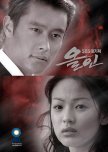
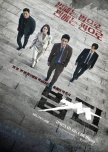
Both dramas feature central characters who are thrust into dangerous, high-stakes battles against powerful systems and corruption rather than living peaceful lives — in Payback: Money and Power, a group of people including a savvy money trader and a prosecutor fight a corrupt money cartel colluding with the law and risk everything to bring justice in a world of greed and powerful enemies, blending crime, action, and suspense with personal motivation and calculated retaliation, while in All In the lead rises through the gambling underworld and confronts betrayal, revenge, and the harsh realities of his world with grit and resolve.
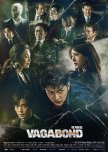
Both series thrust their protagonists into harsh, high-stakes worlds where their lives are upended by tragedy and they must fight against powerful, corrupt systems rather than settle for passive suffering. In Vagabond, stuntman Cha Dal-gun’s world collapses when his nephew dies in a mysterious plane crash, driving him into a dangerous conspiracy filled with espionage, political cover-ups, and relentless action as he seeks the truth and justice, with gritty chase sequences and brutal confrontations throughout the series. Meanwhile in All In, the lead rises from crime and the gambling underworld, facing betrayal, revenge, and personal redemption through intense competitions and violent conflict. Both shows focus on action-oriented survival, morally complex characters confronting corruption, and gritty, tension-filled storytelling that emphasizes fight-for-truth and fight-for-self arcs rather than easy answers or light drama.
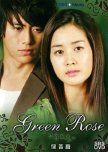

Both dramas feature protagonists whose lives are violently upended by tragedy and who are driven by revenge and the search for truth after a loved one’s death, placing them in dark, crime-ridden worlds where corruption and moral ambiguity blur the lines between law and criminality. In My Name, Yoon Ji-woo infiltrates organized crime and becomes an undercover police mole to avenge her father’s murder, enduring brutal fights, betrayal, and identity conflict along the way, while in Green Rose the lead is wrongfully accused, survives against all odds, and must navigate crime, deception, and dangerous enemies to reclaim his life and clear his name — giving both series intense action, gritty suspense, and emotionally driven character journeys centered on vengeance and survival in unforgiving environments.
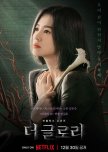
Both The Glory and Green Rose feature protagonists whose lives are shattered by betrayal and injustice, driving them into dark, high-stakes journeys of vengeance and survival. In Green Rose, the lead is wrongfully accused of murder and battles through crime, corruption, and identity loss to reclaim his life and love, while in The Glory the heroine endures brutal school violence and spends years meticulously planning revenge on those who ruined her, navigating a harsh, unforgiving world where powerful enemies manipulate the system and justice must be earned by force. Both dramas combine emotional depth, suspenseful confrontations, morally complex characters, and gritty storytelling that emphasize revenge, resilience, and survival against overwhelming odds.
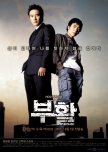
Both Resurrection (also known as Rebirth) and Green Rose center around protagonists whose lives are violently upended by tragedy and conspiracy, with Green Rose featuring a man who is wrongfully accused, presumed dead, and must fight corruption and betrayal to clear his name, and Resurrection following a man driven by family tragedy and revenge as he uncovers the truth behind his father’s murder and assumes his twin’s identity to penetrate powerful enemies, giving both series a dark and gritty tone, suspenseful plot twists, morally complex characters, and intense emotional stakes rooted in crime, betrayal, and relentless pursuit of justice rather than simple romance.
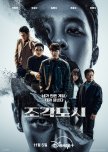
Both The Manipulated and Green Rose center on protagonists whose lives are violently upended when they’re wrongfully accused of heinous crimes and trapped in a corrupt, unjust system — in The Manipulated, ordinary man Park Tae-jung is framed for a terrible murder and must fight back to uncover the truth and take revenge against those who destroyed his life, driving him through dark action, conspiracy, and emotional torment, just as Green Rose’s Lee Jung-hyun is falsely accused, presumed dead, and must claw his way through a brutal world of crime and betrayal to clear his name and exact justice.
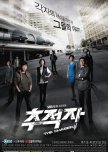
Both dramas are gritty, high-stakes thrillers driven by personal tragedy and the quest for justice, where the protagonists are pushed into extreme circumstances by events beyond their control — in Green Rose, Lee Jung-hyun is framed for murder, presumed dead, and fights to clear his name and uncover the truth, and in The Chaser, Detective Baek Hong-suk’s life is destroyed when his daughter’s death is revealed to be part of a political conspiracy, turning him into a relentless pursuer of the corrupt official responsible — each series features tense action, emotional depth, moral ambiguity, and intense confrontations within a dark, unforgiving world where powerful enemies manipulate the system against the heroes.


