

 1
1




The East Palace and Gyeongseong Creature are both historical Korean dramas that combine supernatural horror with mystery, action, and emotional storytelling, but they explore those elements in different ways. Both series follow protagonists who confront terrifying, otherworldly threats while uncovering long-buried secrets that endanger many lives. They feature richly detailed historical settings, cinematic visuals, intense action sequences, and a blend of suspense with character-driven relationships. In both stories, the supernatural is more than just a source of scares—it serves as the catalyst for uncovering hidden truths and exposing the darkness lurking beneath society. However, their central conflicts differ significantly. The East Palace is rooted in Korean folklore and the spirit world, centering on a cursed royal palace, vengeful ghosts, and a spirit-catcher who teams up with a court lady who can hear the dead to unravel a decades-old royal curse. In contrast, Gyeongseong Creature is a historical creature thriller set during the Japanese occupation of Korea, where monstrous beings are created through horrific human experimentation, making its horror deeply connected to the brutality of history and human greed rather than ghosts or curses. While The East Palace leans into occult mystery and palace intrigue, Gyeongseong Creature emphasizes survival, conspiracy, and bio-horror against the backdrop of colonial oppression.

The East Palace and the 2006 fantasy film The Restless share a number of striking similarities in their supernatural world-building and emotional storytelling. Both are set in historical Korea and center on skilled warriors who battle malevolent spirits while crossing the boundary between the human world and the spirit realm. Rather than treating ghosts and demons as simple monsters, both stories explore themes of lingering resentment, unfinished destinies, sacrifice, and the emotional weight carried by the dead. Visually, the two works emphasize atmospheric fantasy, featuring haunting landscapes, ethereal spirit worlds, sword combat against supernatural enemies, and richly stylized historical settings. Romance also plays an important role in both narratives, unfolding against a backdrop of danger and the supernatural. The key difference is that The Restless is primarily an epic fantasy romance and action film centered on a ghost hunter’s journey through the mystical realm of Midheaven, whereas The East Palace is a mystery-driven historical series focused on unraveling a deadly royal curse within a haunted palace, blending palace politics with horror and occult investigation.

The East Palace and Oh My Ghost both blend supernatural elements with romance, but they approach those themes in different ways. In both dramas, ghosts are not simply there to frighten people—they have unfinished business, hidden stories, and emotional connections that drive the plot. Each series features protagonists who can interact with the spirit world, leading them to uncover mysteries while gradually developing a romantic relationship. Both also balance eerie supernatural moments with humor, heartfelt character development, and emotional storytelling rather than relying on horror alone. However, the biggest difference is their setting and tone. The East Palace is a dark historical fantasy set in the Joseon era, revolving around a cursed royal palace, palace intrigue, and dangerous spirits tied to the royal family’s past. In contrast, Oh My Ghost is a modern romantic comedy in which the supernatural is used to explore personal growth, romance, and comedy through ghost possession and everyday life. While The East Palace leans heavily into mystery, folklore, and suspense, Oh My Ghost places greater emphasis on romance and lighthearted moments, making the two dramas similar in premise but distinct in execution.
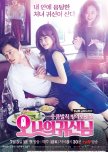
The East Palace and Oh My Ghost both blend supernatural elements with romance, but they approach those themes in different ways. In both dramas, ghosts are not simply there to frighten people—they have unfinished business, hidden stories, and emotional connections that drive the plot. Each series features protagonists who can interact with the spirit world, leading them to uncover mysteries while gradually developing a romantic relationship. Both also balance eerie supernatural moments with humor, heartfelt character development, and emotional storytelling rather than relying on horror alone. However, the biggest difference is their setting and tone. The East Palace is a dark historical fantasy set in the Joseon era, revolving around a cursed royal palace, palace intrigue, and dangerous spirits tied to the royal family’s past. In contrast, Oh My Ghost is a modern romantic comedy in which the supernatural is used to explore personal growth, romance, and comedy through ghost possession and everyday life. While The East Palace leans heavily into mystery, folklore, and suspense, Oh My Ghost places greater emphasis on romance and lighthearted moments, making the two dramas similar in premise but distinct in execution.
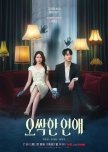
The East Palace and Spooky in Love share many of the same core themes despite having very different settings and tones. Both dramas center on protagonists with supernatural abilities who become involved in solving ghost-related mysteries while gradually building a strong emotional bond. Each series blends multiple genres—including mystery, romance, supernatural fantasy, humor, and suspense—rather than relying solely on horror, with ghost investigations serving as the driving force behind the story. However, their biggest difference lies in their atmosphere. The East Palace is a darker historical fantasy set in the Joseon era, focusing on royal palace curses, political intrigue, and a haunting spirit realm, while Spooky in Love takes place in the modern day and presents its supernatural elements through a lighter, more romantic and comedic lens. Even so, viewers who enjoy the mix of ghost cases, compelling lead chemistry, and emotionally driven supernatural storytelling in one series are likely to appreciate the other as well.


Reunion after years apart:
Both Dream to You and Our Beloved Summer revolve around former lovers who unexpectedly reunite after spending years apart. Their reunion brings back old memories, unresolved feelings, and the possibility of a second chance.
First love and lingering feelings:
In both dramas, the romance is rooted in a meaningful first love. Even after moving on with their lives, the characters discover that their feelings for each other have never completely disappeared.
Personal growth and dreams:
The leads are adults working toward their own goals while dealing with the realities of adulthood. Their careers, ambitions, and personal insecurities are woven into the romance, showing how they have changed since they were younger.
Healing through reconnecting:
As the couples spend more time together, they gradually confront misunderstandings, regrets, and emotional wounds from the past. Their relationship becomes a source of healing and personal growth.
Nostalgic and heartfelt tone:
Both dramas balance romance with nostalgia, reflecting on youthful dreams and how people change over time. They focus on quiet, emotional moments rather than dramatic twists, creating a warm and sincere atmosphere.
The biggest difference:
Our Beloved Summer leans more into slice-of-life storytelling with a gentle, everyday feel, while Dream to You places a stronger emphasis on pursuing dreams and rediscovering purpose alongside the central romance.
Both Dream to You and Our Beloved Summer revolve around former lovers who unexpectedly reunite after spending years apart. Their reunion brings back old memories, unresolved feelings, and the possibility of a second chance.
First love and lingering feelings:
In both dramas, the romance is rooted in a meaningful first love. Even after moving on with their lives, the characters discover that their feelings for each other have never completely disappeared.
Personal growth and dreams:
The leads are adults working toward their own goals while dealing with the realities of adulthood. Their careers, ambitions, and personal insecurities are woven into the romance, showing how they have changed since they were younger.
Healing through reconnecting:
As the couples spend more time together, they gradually confront misunderstandings, regrets, and emotional wounds from the past. Their relationship becomes a source of healing and personal growth.
Nostalgic and heartfelt tone:
Both dramas balance romance with nostalgia, reflecting on youthful dreams and how people change over time. They focus on quiet, emotional moments rather than dramatic twists, creating a warm and sincere atmosphere.
The biggest difference:
Our Beloved Summer leans more into slice-of-life storytelling with a gentle, everyday feel, while Dream to You places a stronger emphasis on pursuing dreams and rediscovering purpose alongside the central romance.

Reunion after years apart:
Both Dream to You and Uncontrollably Fond center on former first loves who unexpectedly reunite after years of living separate lives. Their reunion forces them to confront unresolved emotions and memories from the past.
First love that never truly fades:
In both dramas, the bond between the main characters remains significant despite time, misunderstandings, and personal growth. Their shared history shapes how they interact when they meet again.
Dreams and careers:
The leads are adults pursuing demanding careers while trying to balance their personal lives. Their ambitions and professional responsibilities play a major role in the story and influence their relationships.
Healing old wounds:
Both stories explore emotional healing. As the characters reconnect, they gradually face past regrets, misunderstandings, and emotional pain, helping them grow as individuals.
Emotional romance:
Rather than relying on lighthearted comedy, both dramas emphasize heartfelt conversations, longing, and emotional connection, creating a romance that feels mature and deeply personal.
The biggest difference:
While Dream to You has a more hopeful and uplifting tone, Uncontrollably Fond is much more tragic and emotionally intense, with a story that builds toward a heartbreaking conclusion.
Both Dream to You and Uncontrollably Fond center on former first loves who unexpectedly reunite after years of living separate lives. Their reunion forces them to confront unresolved emotions and memories from the past.
First love that never truly fades:
In both dramas, the bond between the main characters remains significant despite time, misunderstandings, and personal growth. Their shared history shapes how they interact when they meet again.
Dreams and careers:
The leads are adults pursuing demanding careers while trying to balance their personal lives. Their ambitions and professional responsibilities play a major role in the story and influence their relationships.
Healing old wounds:
Both stories explore emotional healing. As the characters reconnect, they gradually face past regrets, misunderstandings, and emotional pain, helping them grow as individuals.
Emotional romance:
Rather than relying on lighthearted comedy, both dramas emphasize heartfelt conversations, longing, and emotional connection, creating a romance that feels mature and deeply personal.
The biggest difference:
While Dream to You has a more hopeful and uplifting tone, Uncontrollably Fond is much more tragic and emotionally intense, with a story that builds toward a heartbreaking conclusion.


Our Sticky Love (2026) and Couple or Trouble (2006) share a remarkably similar central premise. Both stories begin with a woman who loses her memory after an accident and wakes up with no recollection of her identity or past. In each drama, a man steps into her life claiming to have a close relationship with her, setting the stage for a romance built on hidden truths and mistaken identity.
In Our Sticky Love, Go Eun-sae is an ambitious prosecutor who loses her memory while investigating a criminal organization. When she wakes up in a rural clinic, she meets Jang Tae-ha, a former boxing champion turned boxing coach, who tells her that he is her boyfriend. With nowhere else to turn, Eun-sae moves in with him in a countryside village famous for its traditional taffy (“yeot”), where their awkward cohabitation gradually develops into romance.
This setup closely resembles Couple or Trouble, where Anna Jo also loses her memory and ends up living with a man who takes advantage of her condition. In both dramas, the leads are forced to live together despite their differences, creating a mix of comedic misunderstandings, emotional moments, and growing affection. The amnesia, fake relationship, and enemies-to-lovers dynamic are major elements shared by both series.
However, Our Sticky Love adds several unique twists that distinguish it from its predecessor. Tae-ha is not simply an ordinary man—he is trying to leave behind a criminal past after once joining a gang, and his reunion with Eun-sae is deeply personal because she was his first love before the accident. Rather than inventing a relationship from nothing, he builds his lie around a real emotional connection while attempting to protect her from the dangerous people pursuing them. This introduces an underworld mystery alongside the romantic comedy.
The overall tone also differs. While Couple or Trouble is primarily a romantic comedy focused on the changing relationship between its leads, Our Sticky Love blends its lighthearted romance with suspense and crime. Netflix describes it as combining “fish-out-of-water” comedy, nostalgic romance, and noir-style suspense, making it both a feel-good romance and a mystery surrounding Eun-sae’s forgotten past and the gang that threatens both protagonists.
In Our Sticky Love, Go Eun-sae is an ambitious prosecutor who loses her memory while investigating a criminal organization. When she wakes up in a rural clinic, she meets Jang Tae-ha, a former boxing champion turned boxing coach, who tells her that he is her boyfriend. With nowhere else to turn, Eun-sae moves in with him in a countryside village famous for its traditional taffy (“yeot”), where their awkward cohabitation gradually develops into romance.
This setup closely resembles Couple or Trouble, where Anna Jo also loses her memory and ends up living with a man who takes advantage of her condition. In both dramas, the leads are forced to live together despite their differences, creating a mix of comedic misunderstandings, emotional moments, and growing affection. The amnesia, fake relationship, and enemies-to-lovers dynamic are major elements shared by both series.
However, Our Sticky Love adds several unique twists that distinguish it from its predecessor. Tae-ha is not simply an ordinary man—he is trying to leave behind a criminal past after once joining a gang, and his reunion with Eun-sae is deeply personal because she was his first love before the accident. Rather than inventing a relationship from nothing, he builds his lie around a real emotional connection while attempting to protect her from the dangerous people pursuing them. This introduces an underworld mystery alongside the romantic comedy.
The overall tone also differs. While Couple or Trouble is primarily a romantic comedy focused on the changing relationship between its leads, Our Sticky Love blends its lighthearted romance with suspense and crime. Netflix describes it as combining “fish-out-of-water” comedy, nostalgic romance, and noir-style suspense, making it both a feel-good romance and a mystery surrounding Eun-sae’s forgotten past and the gang that threatens both protagonists.
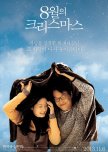

Always is similar to Christmas in August less because of the plot and more because of the emotional themes. Both films are about ordinary people who find love at a time when life is about to take it away from them. In Christmas in August, Jung-won quietly faces his terminal illness while falling for Da-rim, knowing their future together is impossible. In Always, Cheol-min falls in love with the blind Jung-hwa and ultimately sacrifices his own happiness and well-being for her future. Both movies emphasize selfless love, where the main character chooses the other person’s happiness over their own desires. They also share a gentle, understated approach to romance, focusing on everyday moments—conversations, small acts of kindness, and quiet companionship—rather than dramatic declarations of love.
The biggest difference is tone. Christmas in August is much more subtle and contemplative, almost like a slice-of-life film about accepting mortality, while Always is more melodramatic and emotional, with action, tragedy, and larger sacrifices. However, if what moved you about Christmas in August was watching two lonely people connect deeply while knowing their time together is limited, then Always captures a very similar feeling of tenderness, loss, and unconditional love. In both films, love is meaningful not because it lasts forever, but because it changes the lives of the people involved.
The biggest difference is tone. Christmas in August is much more subtle and contemplative, almost like a slice-of-life film about accepting mortality, while Always is more melodramatic and emotional, with action, tragedy, and larger sacrifices. However, if what moved you about Christmas in August was watching two lonely people connect deeply while knowing their time together is limited, then Always captures a very similar feeling of tenderness, loss, and unconditional love. In both films, love is meaningful not because it lasts forever, but because it changes the lives of the people involved.
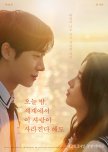
Even If This Love Disappears Tonight is similar to Christmas in August because both are bittersweet romances about loving someone despite knowing the relationship cannot last. In Christmas in August, Jung-won falls in love while quietly facing his impending death, while in Even If This Love Disappears Tonight, the characters struggle against memory loss and illness that threaten to erase their future together. Both films focus on the beauty of ordinary moments rather than grand romantic gestures, emphasizing how love can leave a lasting impact even when time, memory, or life itself takes it away. Rather than fighting against tragedy, both stories explore acceptance, cherishing the present, and the idea that memories and feelings can endure long after a relationship has ended, giving them a similarly gentle, emotional, and deeply moving atmosphere.


Star in My Heart (1997) and Lovely Runner (2024) share a striking narrative foundation that bridges two entirely different eras of Korean television by focusing on the intense, barrier-breaking romance between a superstar musician and an ordinary woman. At the center of both dramas is a male lead—Kang Min and Ryu Sun-jae, respectively—who navigates a high-pressure entertainment industry while harboring deep personal trauma, yet willingly throws away his top-tier celebrity status, agency boundaries, and public image out of absolute devotion to his first love. This shared dynamic blurs the lines between fiction and reality, as the iconic emotional ballads performed by the characters on-screen—Kang Min’s rock ballad "Forever" and Eclipse's viral hit "Sudden Shower"—both crossed over into the real world to dominate domestic and global music charts. Furthermore, both narratives thrive on the immense societal and industrial gap between the leads; whether it is a wealthy 1990s pop star fiercely protecting a struggling, orphaned fashion designer or a modern-day top idol altering timelines to save his most passionate fan, both stories capture the public's imagination by showing a larger-than-life idol who treats an ordinary girl as his entire universe.
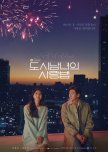
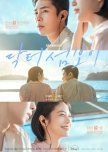
Doctor on the Edge and Lovestruck in the City are similar because both combine romance with emotional healing and self-discovery. In Doctor on the Edge, Do Ji-ui is sent to a remote island where he gradually overcomes personal trauma and forms a connection with nurse Yook Ha-ri. Similarly, Lovestruck in the City follows characters dealing with heartbreak, insecurity, and questions about their identity. Both dramas focus on emotionally wounded adults learning to move forward through meaningful relationships.
Another similarity is their realistic and mature approach to romance. Rather than relying on heavy melodrama, both stories emphasize emotional vulnerability, personal growth, and the way love develops through understanding and support. While Doctor on the Edge has a healing small-town atmosphere and Lovestruck in the City is set in a bustling urban environment, both ultimately show how love can help people heal old wounds and rediscover happiness.
Another similarity is their realistic and mature approach to romance. Rather than relying on heavy melodrama, both stories emphasize emotional vulnerability, personal growth, and the way love develops through understanding and support. While Doctor on the Edge has a healing small-town atmosphere and Lovestruck in the City is set in a bustling urban environment, both ultimately show how love can help people heal old wounds and rediscover happiness.


