
 Editorials


 10
10 79
79 5
5 1
1 1
1 2
2 3
3


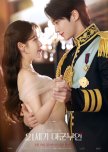
The palace was on fire but the script burnt
Perfect Crown starts with an interesting premise. Seong Huiju has everything. Intelligence, capability, business success, confidence. Yet she chooses to pursue I An primarily because he holds a title. I understand that the “Perfect Crown” symbolizes legitimacy and status, but it feels slightly problematic that someone so accomplished still seeks validation through association. It goes both ways for any gender. When someone who already stands strong allows a title attached to another person to define their completeness, it weakens what could have been a powerful narrative about self definition.
That said, I did not mind the overall plot base. The marriage of convenience trope can work when written well. My issue is not with the trope itself. It is with the depth of execution.
Visually, the show is beautiful. The costumes are stunning. The entire drama feels expensive and polished. If I had to describe it in one word, it would be fancy. It looks grand and feels grand. But beneath that surface, the substance does not always match the aesthetic.
The drama blends modern elements with royal or korean dynasty culture, but the historical side feels barely explored. Korea has such a rich cultural legacy, yet the royal aspect here feels more decorative than meaningful. It exists more as a backdrop than as a force that shapes the story. The politics feel basic and kinda childish. The cultural weight feels minimized. For a story centered around titles and royalty, I expected deeper engagement with that world.
Coming to the romance, I would not fully classify this as a rom com because there is barely any comedy. It is mostly politics and romance. The leads do have chemistry. They work visually and emotionally. But their romantic development feels rushed.
It makes some sense why the male lead would develop feelings for the female lead. His perspective is clearer. But I genuinely could not pinpoint when she fell for him. There is no strong emotional turning point. It just happens. Even after watching it, I still could not clearly trace that shift.
The drama relies heavily on their shared past, especially their school days, to justify their present feelings. But those flashbacks are shown so minimally that they do not carry enough emotional weight. If you are going to base long lasting attachment on a past connection, that past needs to feel convincing. Here, it feels underdeveloped. The foundation for their enduring feelings is too thin to fully believe.
The biggest issue is not the actors or even the premise. It is the lack of depth. The show does not explore its themes fully. It gives politics, romance, and visual grandeur, but not enough emotional or narrative substance to make it truly compelling.
It is popular. It is visually appealing. It is decent. But it lacks the layered substance that would make it memorable.
IU's however, felt very reminiscent of her character in Hotel Del Luna. I’m not saying the characters are identical, but the aura, the dominance, the composed sharpness it all felt very similar. The only real difference is that in Hotel Del Luna she lived for 1000 years, while here she doesn’t here, jokes. Still, the overlap in personality traits made this role feel less distinct than it could have been.
I-An’s portrayal of the royal highness is where I felt the biggest disconnect. His character is supposed to be composed, responsible, emotionally grounded. But sometimes his restraint came across more as stiffness than depth. There’s a difference between being stoic and being expressionless. And when he did shift into emotional vulnerability, it felt sudden rather than gradual. The emotional transitions didn’t feel fully explored, which made it harder to connect with his character.
Steve Noh feels like wasted potential. His character, PM Min had years to act on his feelings, yet his character mostly exists to fuel the love triangle. His sudden emotional intensity feels more like a plot requirement than natural growth. Instead of being a fully realized character, he feels like a device to create conflict.
Daebi Mama, however, deserves praise for her acting. Her performance is strong. She truly lived the character. Even when the writing faltered, her acting carried emotional weight. She brought nuance and conviction to her role in a way that elevated the scenes she was in.
Another major issue is how quickly some characters shift from good to bad or from bad to redeemed. These transformations happen without sufficient buildup or reasoning. When someone suddenly becomes evil, the motivation feels thin. When someone suddenly reforms, there is no real tension or development to make it believable. The jumps are abrupt, and that weakens the emotional impact on us, the audience.
Overall, Perfect Crown had potential. The concept was intriguing, the visuals were impressive, and the actors did their part decently. But the inconsistent emotional arcs and lack of narrative depth hold it back. It is aesthetically pleasing and occasionally engaging, but it lacks the layered substance that would have made it truly memorable.
In short, watch it for the vibes only.
6.3/10
That said, I did not mind the overall plot base. The marriage of convenience trope can work when written well. My issue is not with the trope itself. It is with the depth of execution.
Visually, the show is beautiful. The costumes are stunning. The entire drama feels expensive and polished. If I had to describe it in one word, it would be fancy. It looks grand and feels grand. But beneath that surface, the substance does not always match the aesthetic.
The drama blends modern elements with royal or korean dynasty culture, but the historical side feels barely explored. Korea has such a rich cultural legacy, yet the royal aspect here feels more decorative than meaningful. It exists more as a backdrop than as a force that shapes the story. The politics feel basic and kinda childish. The cultural weight feels minimized. For a story centered around titles and royalty, I expected deeper engagement with that world.
Coming to the romance, I would not fully classify this as a rom com because there is barely any comedy. It is mostly politics and romance. The leads do have chemistry. They work visually and emotionally. But their romantic development feels rushed.
It makes some sense why the male lead would develop feelings for the female lead. His perspective is clearer. But I genuinely could not pinpoint when she fell for him. There is no strong emotional turning point. It just happens. Even after watching it, I still could not clearly trace that shift.
The drama relies heavily on their shared past, especially their school days, to justify their present feelings. But those flashbacks are shown so minimally that they do not carry enough emotional weight. If you are going to base long lasting attachment on a past connection, that past needs to feel convincing. Here, it feels underdeveloped. The foundation for their enduring feelings is too thin to fully believe.
The biggest issue is not the actors or even the premise. It is the lack of depth. The show does not explore its themes fully. It gives politics, romance, and visual grandeur, but not enough emotional or narrative substance to make it truly compelling.
It is popular. It is visually appealing. It is decent. But it lacks the layered substance that would make it memorable.
IU's however, felt very reminiscent of her character in Hotel Del Luna. I’m not saying the characters are identical, but the aura, the dominance, the composed sharpness it all felt very similar. The only real difference is that in Hotel Del Luna she lived for 1000 years, while here she doesn’t here, jokes. Still, the overlap in personality traits made this role feel less distinct than it could have been.
I-An’s portrayal of the royal highness is where I felt the biggest disconnect. His character is supposed to be composed, responsible, emotionally grounded. But sometimes his restraint came across more as stiffness than depth. There’s a difference between being stoic and being expressionless. And when he did shift into emotional vulnerability, it felt sudden rather than gradual. The emotional transitions didn’t feel fully explored, which made it harder to connect with his character.
Steve Noh feels like wasted potential. His character, PM Min had years to act on his feelings, yet his character mostly exists to fuel the love triangle. His sudden emotional intensity feels more like a plot requirement than natural growth. Instead of being a fully realized character, he feels like a device to create conflict.
Daebi Mama, however, deserves praise for her acting. Her performance is strong. She truly lived the character. Even when the writing faltered, her acting carried emotional weight. She brought nuance and conviction to her role in a way that elevated the scenes she was in.
Another major issue is how quickly some characters shift from good to bad or from bad to redeemed. These transformations happen without sufficient buildup or reasoning. When someone suddenly becomes evil, the motivation feels thin. When someone suddenly reforms, there is no real tension or development to make it believable. The jumps are abrupt, and that weakens the emotional impact on us, the audience.
Overall, Perfect Crown had potential. The concept was intriguing, the visuals were impressive, and the actors did their part decently. But the inconsistent emotional arcs and lack of narrative depth hold it back. It is aesthetically pleasing and occasionally engaging, but it lacks the layered substance that would have made it truly memorable.
In short, watch it for the vibes only.
6.3/10
Was this review helpful to you?


