
 Editorials

 1
1


Elegant, emotional, and worth every episode.
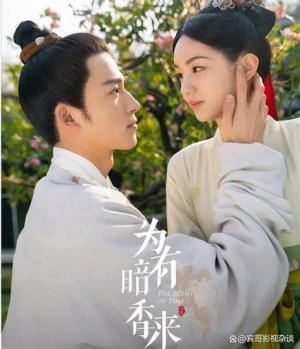
What made this story stand out for me was Mu Zhuohua. She wasn’t written as a helpless female lead waiting to be saved—she was intelligent, bold, and determined to make her own place in a world that constantly tried to limit her. Watching her fight to become a female official, despite the rules and expectations placed on women, gave the drama real strength. Her character felt refreshing and grounded, and her growth carried the story beautifully. Many viewers also praised her as a clever, honest heroine who truly showed her intelligence rather than just being called “smart.”
The relationship between Mu Zhuohua and Prince Liu Yan was another reason this drama worked so well. Their romance wasn’t rushed or overly dramatic—it was mature, slow-burning, and built on respect. Feng Shaofeng gave Liu Yan a calm, dignified presence, while Jing Tian brought warmth and wit to Zhuohua. Their chemistry felt natural, not loud, and that made it more believable. It was a romance shaped by trust, not just passion. Reviewers often noted that the drama balanced palace politics with romance instead of relying on fluffy love scenes alone.
The palace politics and power struggles added depth, especially in the second half. There were twists, betrayals, and enough intrigue to keep things interesting without losing sight of the emotional core. Some parts did feel slower, and the ending left me wishing Zhuohua herself had played an even bigger role in the final victory, but it was still satisfying overall. That seems to be a common feeling among viewers—the story was strong, though the final payoff could have given the female lead even more power.
Overall, The Legend of Zhuohua is not a flashy idol drama or a sweet fairytale romance. It is a more mature historical drama about ambition, sacrifice, dignity, and love that grows quietly but deeply. It reminds you that sometimes the strongest love stories are the ones built on understanding rather than obsession.
The relationship between Mu Zhuohua and Prince Liu Yan was another reason this drama worked so well. Their romance wasn’t rushed or overly dramatic—it was mature, slow-burning, and built on respect. Feng Shaofeng gave Liu Yan a calm, dignified presence, while Jing Tian brought warmth and wit to Zhuohua. Their chemistry felt natural, not loud, and that made it more believable. It was a romance shaped by trust, not just passion. Reviewers often noted that the drama balanced palace politics with romance instead of relying on fluffy love scenes alone.
The palace politics and power struggles added depth, especially in the second half. There were twists, betrayals, and enough intrigue to keep things interesting without losing sight of the emotional core. Some parts did feel slower, and the ending left me wishing Zhuohua herself had played an even bigger role in the final victory, but it was still satisfying overall. That seems to be a common feeling among viewers—the story was strong, though the final payoff could have given the female lead even more power.
Overall, The Legend of Zhuohua is not a flashy idol drama or a sweet fairytale romance. It is a more mature historical drama about ambition, sacrifice, dignity, and love that grows quietly but deeply. It reminds you that sometimes the strongest love stories are the ones built on understanding rather than obsession.
Was this review helpful to you?


