
 Editorials



Both Blossom and Blossoms of Power lean heavily into the "strong female lead" (???) formula and share the same leading actress, making them highly comparable watches.Shared Lead: Meng Ziyi stars in both dramas as a fierce, highly calculating protagonist who takes absolute control of her destiny and refuses to be used as a political pawn.The Rebirth Trope: Both narratives are kickstarted by a rebirth or second-chance mechanism, giving the female lead the foresight and motivation to ruthlessly outmaneuver her enemies and change her fate.Frail But Deadly Male Lead: Both series feature the classic dynamic of a sharp, revenge-driven female lead allying with a cunning male lead who conceals his formidable intellect and true prowess behind a sickly, frail public facade.Court Intrigue & Alliance: Both storylines focus heavily on high-stakes political scheming where the main couple begins in an alliance of mutual exploitation before genuinely falling for one another as they navigate palace conspiracies.If you enjoyed the fast-paced plotting and Meng Ziyi's commanding performance in one, the other delivers the exact same flavor of satisfying, trope-heavy revenge and romance.


Both Our Unwritten Seoul and We Are All Trying Here share a beautifully raw, character-driven approach to portraying the anxieties of modern life. While their plot setups differ, their emotional cores are remarkably similar.
The Core Similarities The Hidden Battles of Adulthood: Our Unwritten Seoul uses the twin-swap trope to reveal how both sisters are secretly suffering—Mi-ji from the loss of her athletic dreams and Mi-rae from intense workplace bullying. We Are All Trying Here echoes this exact sentiment in the film industry, focusing on characters who look functional but are secretly crumbling under the weight of comparison, envy, and a 20-year failure to launch.Healing Over Melodrama: Neither show relies on explosive, soapy twists. Instead, they focus on quiet, introspective journeys toward self-worth and self-acceptance."Everyone is struggling": The central message of both dramas is that no matter how perfect someone's life looks from the outside, everyone is fighting their own quiet war against feeling inadequate.
The Core Similarities The Hidden Battles of Adulthood: Our Unwritten Seoul uses the twin-swap trope to reveal how both sisters are secretly suffering—Mi-ji from the loss of her athletic dreams and Mi-rae from intense workplace bullying. We Are All Trying Here echoes this exact sentiment in the film industry, focusing on characters who look functional but are secretly crumbling under the weight of comparison, envy, and a 20-year failure to launch.Healing Over Melodrama: Neither show relies on explosive, soapy twists. Instead, they focus on quiet, introspective journeys toward self-worth and self-acceptance."Everyone is struggling": The central message of both dramas is that no matter how perfect someone's life looks from the outside, everyone is fighting their own quiet war against feeling inadequate.

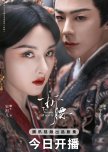
Marriages of Convenience: Both narratives kick off with an arranged or fake marriage, where the couples are initially bound by duty, politics, or survival rather than affection.
Brooding, Vengeance-Driven Male Leads: The heroes (Wei Shao and Xie Zheng) are both battle-hardened men burdened by tragic family histories, actively seeking revenge for decades-old blood feuds.
Fierce, Capable Female Leads: Far from helpless, both Xiao Qiao and Fan Changyu are sharp, highly resourceful women who take charge of their families' survival—with Changyu even taking her butcher's knife straight to the battlefield.
Slow-Burn "Enemies to Lovers" Arcs: The couples must navigate deep-seated suspicion, dangerous misunderstandings, and hidden motives before their pragmatic alliances evolve into genuine, mutual devotion.
High-Stakes Warfare and Politics: Both romances unfold against a backdrop of intense military campaigns and court intrigue, ultimately forcing the leads to unite as equals to protect their people and uncover the truth.
Brooding, Vengeance-Driven Male Leads: The heroes (Wei Shao and Xie Zheng) are both battle-hardened men burdened by tragic family histories, actively seeking revenge for decades-old blood feuds.
Fierce, Capable Female Leads: Far from helpless, both Xiao Qiao and Fan Changyu are sharp, highly resourceful women who take charge of their families' survival—with Changyu even taking her butcher's knife straight to the battlefield.
Slow-Burn "Enemies to Lovers" Arcs: The couples must navigate deep-seated suspicion, dangerous misunderstandings, and hidden motives before their pragmatic alliances evolve into genuine, mutual devotion.
High-Stakes Warfare and Politics: Both romances unfold against a backdrop of intense military campaigns and court intrigue, ultimately forcing the leads to unite as equals to protect their people and uncover the truth.


