
 Editorials


This review may contain spoilers
From Traitor's Daughter to Household Head: 28 Episodes of Brilliance, 19 of Disappointment
You can easily break this drama down into four distinct phases:
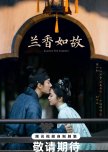
Chapter 1: The Slave Arc – Shen Jialan surviving after her family’s destruction, hiding her noble education and intellect under the guise of Xu Lanxiang.
Chapter 2: The Maid Arc – Navigating the Lin household, working her way up, and quietly matching wits while remaining unnoticed.
Chapter 3: The Wife in the Capital Arc – Dealing with the forced imperial marriage decree, bitter resentment, and high-stakes court politics.
Chapter 4: The Matriarch Arc – Leading the clan back in their ancestral hometown and watching the generation pass.
Chapters 1 and 2 are gripping, tight television. Chapter 3 still holds up, but Chapter 4 completely falls apart because the script rushes through decades just to reach the finish line. As many other viewers have pointed out, it started as something that could rival top historical classics and ended as a hurried checklist.
Right from episode one, the inciting premise asks for an enormous leap in logic. The Shen family is executed or forced into suicide for alleged treason. Lanxiang only survives because servant parents swap their own freshly deceased daughter’s body for hers. Yes, Jialan had shown them kindness before with medicine and clothes, but what grieving parents immediately trade away their dead child's corpse and risk having their entire line wiped out for treason instead of mourning?
Still, Chapter 1 works because watching an educated noble lady force herself to hold back her genius and silently swallow humiliation just to survive as a slave is grounded and compelling.
Where the drama loses its footing later on:
The Romance & Emotional Payoff Were neutered: The drama sells itself on a slow burn, but the payoff never arrives. Jinqi pursues, begs, and yields, while Lanxiang maintains an impenetrable emotional wall for years. After decades of marriage and a multi-year gap before consummating, we never actually see resentment turn into love—we just get a sudden time jump where they are suddenly intimate, leaving their connection feeling like a mechanical duty rather than genuine devotion.
The Identity Secret Was Watered Down: The central hook—Lanxiang being Jinqi’s former fiancée from the condemned Shen clan—should have exploded with dramatic impact. Instead, the eventual discovery felt like a muted non-event.
Capital Politics Reduced to Running Away: The dangerous political labyrinth of the capital gets abandoned. Jinqi simply steps away from his post as Left Army Commander to avoid purges—because in court, any king or crown prince eventually destroys whoever shines brightest—leaving the grand political tension feeling deflated.
Useless Men and Toothless In-laws: Once outside the court and the capital, the influence of the high-ranking nobility and Marchionesses evaporates. Apart from Jinqi, nearly every man in the Lin family is either dead, incompetent, or reduced to background set dressing so Lanxiang can solve every crisis unchallenged.
If the second half had matched the organic, grounded pacing of the slave and maid eras instead of jumping through years and rushing to conclude her life story, this would have been an easy 9 or 10. Instead, the final stretch trades storytelling for fast-forwarded life lessons.
Was this review helpful to you?


