

 1
1 1
1
Weaponized Chemistry and Revenge-Fantasy Physics
Forty episodes of emotionally unstable aristocrats conducting psychological warfare under aggressively cinematic lighting while the actors fought for their lives to keep the script from collapsing into decorative rubble.
And against all available logic, they nearly succeeded.
The Double understands something fundamentally important about melodrama: if the emotional payoff hits hard enough, viewers will temporarily enter a legally questionable relationship with coherence.
This show does not aim for realism. Realism was found dead somewhere around episode three and respectfully buried beneath ten layers of silk robes, vengeance, and unresolved trauma.
The opening alone arrives with the energy of a writer slamming their fists onto the table and yelling:
“What if revenge, but make it operatic?”
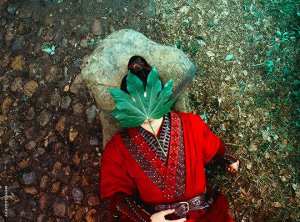
A woman is betrayed, buried alive, resurrected by narrative destiny itself, and immediately re-enters society looking emotionally exhausted but aesthetically magnificent. Subtlety never stood a chance. And strangely enough, this is exactly why the drama became so addictive.
Because when The Double locks into its emotional rhythm, it becomes absurdly entertaining. Not in a carefully restrained prestige-drama sense. More in the sense that every character behaves like they are two personal betrayals away from delivering monologues directly into a thunderstorm.
The directing contributes heavily to this collective emotional overreaction. At times it borders on visual overkill. At other times? The atmosphere truly impacts.
Wu Jinyan especially deserves enormous credit because she understands exactly what kind of drama she is acting in. She never underplays Xue Fangfei to force realism into the material, but she also never lets the character devolve into pure revenge-fantasy cardboard. There is calculation beneath the grief. Exhaustion beneath the elegance. You constantly feel that this is a woman surviving through performance, intelligence, and sheer refusal to emotionally disintegrate in public. Which is important because the plot itself occasionally behaves like it consumed several stimulants and stopped consulting cause-and-effect relationships entirely.
Schemes succeed through destiny-level convenience. Characters appear precisely where the emotional tension requires them. Information travels through the empire at the speed of dramatic necessity.
And then there is Duke Su.
Or rather:
the national emergency that occurred after Wang Xingyue unfolded one fan and started smirking at people like he already knew their worst decisions in advance. This character should not work nearly as well as he does.
On paper Duke Su is basically constructed from every dangerously competent male-lead trope known to historical drama humanity:
politically untouchable,
psychologically unreadable,
suspiciously omnipresent,
and permanently standing one step away from softly threatening someone’s bloodline.
But Wang Xingyue plays him with enough amusement, restraint, charisma, and underlying menace that the performance starts generating its own gravitational field. Eventually you stop questioning why he keeps materializing exactly where the plot needs him. You simply accept that the man apparently travels through narrative tension itself.
And that is the central truth of this drama: the acting performs emergency structural reinforcement every time the screenplay starts cracking under pressure.Because the logic absolutely cracks. Not occasionally. Repeatedly.
Some political developments feel less like strategy and more like emotionally committed improvisation. Several villains fluctuate wildly between terrifying masterminds and deeply unstable theater figures depending on what the next confrontation scene requires.
Princess Wanning in particular operates on such spectacular emotional instability that every entrance feels one rejected conversation away from ceremonial arson. Meanwhile Shen Yurong slowly transforms into the physical manifestation of guilt, repression, bad decisions, and untreated psychological decay.
By the second half, the drama increasingly abandons grounded political storytelling altogether and embraces full emotional spectacle. But unlike many prettier idol dramas, The Double possesses one major advantage:
its cast understands how to weaponize emotional conviction against narrative nonsense. That changes everything. Because viewers can forgive impossible schemes. They can forgive revenge plots fueled entirely by coincidence and rage. They can forgive historical worlds operating on dream logic.
What viewers do not forgive easily is emotional emptiness. And for all its chaos, The Double rarely feels emotionally empty.
Messy? Frequently. Overwritten? Absolutely. Subtle? Not even remotely. But empty? Never.
By the final stretch, I felt like the writers were sprinting through the production carrying armfuls of plot twists while the actors desperately transformed all remaining confusion into emotional intensity before the audience noticed.
A less committed cast would have sunk this drama completely. Instead, the performances drag it across the finish line through sheer force of charisma, chemistry, and collective refusal to let the emotional momentum die.
7.5/10. An aesthetically extravagant revenge melodrama held together by acting performances strong enough to temporarily suspend the laws of narrative physics.
And against all available logic, they nearly succeeded.
The Double understands something fundamentally important about melodrama: if the emotional payoff hits hard enough, viewers will temporarily enter a legally questionable relationship with coherence.
This show does not aim for realism. Realism was found dead somewhere around episode three and respectfully buried beneath ten layers of silk robes, vengeance, and unresolved trauma.
The opening alone arrives with the energy of a writer slamming their fists onto the table and yelling:
“What if revenge, but make it operatic?”
A woman is betrayed, buried alive, resurrected by narrative destiny itself, and immediately re-enters society looking emotionally exhausted but aesthetically magnificent. Subtlety never stood a chance. And strangely enough, this is exactly why the drama became so addictive.
Because when The Double locks into its emotional rhythm, it becomes absurdly entertaining. Not in a carefully restrained prestige-drama sense. More in the sense that every character behaves like they are two personal betrayals away from delivering monologues directly into a thunderstorm.
The directing contributes heavily to this collective emotional overreaction. At times it borders on visual overkill. At other times? The atmosphere truly impacts.
Wu Jinyan especially deserves enormous credit because she understands exactly what kind of drama she is acting in. She never underplays Xue Fangfei to force realism into the material, but she also never lets the character devolve into pure revenge-fantasy cardboard. There is calculation beneath the grief. Exhaustion beneath the elegance. You constantly feel that this is a woman surviving through performance, intelligence, and sheer refusal to emotionally disintegrate in public. Which is important because the plot itself occasionally behaves like it consumed several stimulants and stopped consulting cause-and-effect relationships entirely.
Schemes succeed through destiny-level convenience. Characters appear precisely where the emotional tension requires them. Information travels through the empire at the speed of dramatic necessity.
And then there is Duke Su.
Or rather:
the national emergency that occurred after Wang Xingyue unfolded one fan and started smirking at people like he already knew their worst decisions in advance. This character should not work nearly as well as he does.
On paper Duke Su is basically constructed from every dangerously competent male-lead trope known to historical drama humanity:
politically untouchable,
psychologically unreadable,
suspiciously omnipresent,
and permanently standing one step away from softly threatening someone’s bloodline.
But Wang Xingyue plays him with enough amusement, restraint, charisma, and underlying menace that the performance starts generating its own gravitational field. Eventually you stop questioning why he keeps materializing exactly where the plot needs him. You simply accept that the man apparently travels through narrative tension itself.
And that is the central truth of this drama: the acting performs emergency structural reinforcement every time the screenplay starts cracking under pressure.Because the logic absolutely cracks. Not occasionally. Repeatedly.
Some political developments feel less like strategy and more like emotionally committed improvisation. Several villains fluctuate wildly between terrifying masterminds and deeply unstable theater figures depending on what the next confrontation scene requires.
Princess Wanning in particular operates on such spectacular emotional instability that every entrance feels one rejected conversation away from ceremonial arson. Meanwhile Shen Yurong slowly transforms into the physical manifestation of guilt, repression, bad decisions, and untreated psychological decay.
By the second half, the drama increasingly abandons grounded political storytelling altogether and embraces full emotional spectacle. But unlike many prettier idol dramas, The Double possesses one major advantage:
its cast understands how to weaponize emotional conviction against narrative nonsense. That changes everything. Because viewers can forgive impossible schemes. They can forgive revenge plots fueled entirely by coincidence and rage. They can forgive historical worlds operating on dream logic.
What viewers do not forgive easily is emotional emptiness. And for all its chaos, The Double rarely feels emotionally empty.
Messy? Frequently. Overwritten? Absolutely. Subtle? Not even remotely. But empty? Never.
By the final stretch, I felt like the writers were sprinting through the production carrying armfuls of plot twists while the actors desperately transformed all remaining confusion into emotional intensity before the audience noticed.
A less committed cast would have sunk this drama completely. Instead, the performances drag it across the finish line through sheer force of charisma, chemistry, and collective refusal to let the emotional momentum die.
7.5/10. An aesthetically extravagant revenge melodrama held together by acting performances strong enough to temporarily suspend the laws of narrative physics.
Was this review helpful to you?


