
 Editorials
 1
1


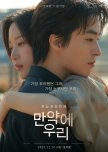
"A Delicate Romance Where Time Plays Its Part"
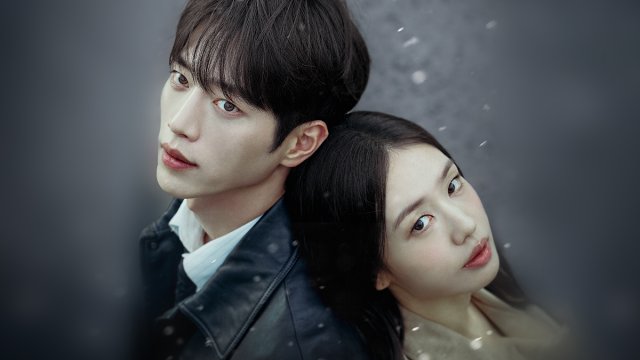
Once We Were Us is a romance that doesn’t aim to impress with big plot twists but with the subtlety of its emotions. It’s a film about time, memories, and above all, how love can remain alive even when it is no longer present in our daily lives. It tells a simple story — two young people meet, fall deeply in love, separate, and then reunite years later — but it treats it with tenderness and sensitivity, giving it real depth.
One of the most beautiful aspects of the film is how it portrays the beginnings of a relationship. The youth scenes are bright, almost warm, with a spontaneous energy that feels authentic. Shared laughter, late-night conversations, and naïve dreams make the ordinary moments feel precious. It’s not dramatic declarations that leave a mark, but small everyday moments elevated by the direction. You can feel the fragile excitement of first love, a mix of innocence and ambition that makes everything seem possible.
The chemistry between Koo Kyo-hwan and Moon Ga-young is central to the film’s success. Their connection is natural rather than theatrical. They seem genuinely comfortable with each other, making their interactions believable and moving. The silences are as important as the dialogues. In the present-day scenes, their performances are more subtle and restrained. Gazes linger longer, smiles are more fragile, and you can feel the weight of years, choices, and regrets in every exchange. This evolution in their dynamic is one of the film’s strongest points.
The narrative structure, alternating between past and present, enhances the nostalgic feeling. Each memory sheds new light on their current relationship. The visual contrast is also well executed: warm, vibrant tones of the past against the cooler, subdued palette of the present. This emphasizes how the past always seems brighter in our memories, even if it wasn’t quite that way at the time. This duality gives the film a consistent bittersweet atmosphere.
Another particularly beautiful aspect is how the film handles dreams and personal ambitions. It shows how love, no matter how sincere, can be challenged by professional realities, social expectations, and the pressure to succeed. The film doesn’t assign blame for the separation; it simply shows how two people can deeply love each other while moving in different directions. This maturity in the writing makes the story feel realistic and emotionally resonant.
However, the film remains fairly traditional in its structure. Some situations may feel predictable to viewers familiar with Korean romances. The deliberately contemplative pace can feel slow at times. But this slowness also contributes to the emotional experience: it allows feelings to settle and gives the viewer time to reflect.
What makes Once We Were Us particularly beautiful are the quiet moments: a look exchanged on a train, a conversation interrupted by emotion, a smile hiding sadness. These small details give the film its sincerity. It doesn’t try to force tears; it simply lets emotions emerge naturally.
In conclusion, Once We Were Us is a gentle, melancholic, and mature romance. It doesn’t reinvent the genre, but it masters it with elegance. It’s a film about memories, timing, and what it means to love someone at different stages of life, leaving a delicate and lasting impression after the credits roll.
One of the most beautiful aspects of the film is how it portrays the beginnings of a relationship. The youth scenes are bright, almost warm, with a spontaneous energy that feels authentic. Shared laughter, late-night conversations, and naïve dreams make the ordinary moments feel precious. It’s not dramatic declarations that leave a mark, but small everyday moments elevated by the direction. You can feel the fragile excitement of first love, a mix of innocence and ambition that makes everything seem possible.
The chemistry between Koo Kyo-hwan and Moon Ga-young is central to the film’s success. Their connection is natural rather than theatrical. They seem genuinely comfortable with each other, making their interactions believable and moving. The silences are as important as the dialogues. In the present-day scenes, their performances are more subtle and restrained. Gazes linger longer, smiles are more fragile, and you can feel the weight of years, choices, and regrets in every exchange. This evolution in their dynamic is one of the film’s strongest points.
The narrative structure, alternating between past and present, enhances the nostalgic feeling. Each memory sheds new light on their current relationship. The visual contrast is also well executed: warm, vibrant tones of the past against the cooler, subdued palette of the present. This emphasizes how the past always seems brighter in our memories, even if it wasn’t quite that way at the time. This duality gives the film a consistent bittersweet atmosphere.
Another particularly beautiful aspect is how the film handles dreams and personal ambitions. It shows how love, no matter how sincere, can be challenged by professional realities, social expectations, and the pressure to succeed. The film doesn’t assign blame for the separation; it simply shows how two people can deeply love each other while moving in different directions. This maturity in the writing makes the story feel realistic and emotionally resonant.
However, the film remains fairly traditional in its structure. Some situations may feel predictable to viewers familiar with Korean romances. The deliberately contemplative pace can feel slow at times. But this slowness also contributes to the emotional experience: it allows feelings to settle and gives the viewer time to reflect.
What makes Once We Were Us particularly beautiful are the quiet moments: a look exchanged on a train, a conversation interrupted by emotion, a smile hiding sadness. These small details give the film its sincerity. It doesn’t try to force tears; it simply lets emotions emerge naturally.
In conclusion, Once We Were Us is a gentle, melancholic, and mature romance. It doesn’t reinvent the genre, but it masters it with elegance. It’s a film about memories, timing, and what it means to love someone at different stages of life, leaving a delicate and lasting impression after the credits roll.
Was this review helpful to you?


