

 148
148 438
438 17
17 2
2 6
6 3
3 8
8 10
10 3
3 13
13 1
1 1
1 1
1 1
1 2
2 7
7 9
9 5
5 9
9


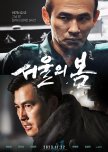
"Fail and it's treason. Succeed and it's revolution."
12.12: The Day has been lingering in my PTW for some time now. Knowing what the film covered was going to be distressing, I needed to wait until I had the proper frame of mind to tackle it. I’m not sure there’s ever a great time to grapple with the gut-wrenching betrayals, knowing the blood and tears shed following the coup, but I did my best to comprehend the dark events that occurred on 12-12-1979.
After President/Dictator Park’s assassination, unease flows through the government and military as people within jockey for prestigious positions. Three key figures rise to the top, at least momentarily. Jeong Sang Ho is the new Martial Law Commandant. Chun (Jeon)Doo Gwang leads the Defense Security Command and also the shadowy Hanahoe. No one moves or says anything that he doesn’t know about due to his intricate network of spies and phone taps. Last, but not least, is the reluctant new commander of the Capital Garrison Command. Lee Tae Shin is loyal to his oath and his country with no political aspirations. When Jeong assigns influential Hanahoe generals and colonels to far flung places to reduce their influence, Chun decides to act. He gathers the leaders from Hanahoe to consolidate his military might and seize control by arresting Jeong and using the troops to take over. In order to repel the rebels, the virtuous Lee must outwit the Hanahoe who has infiltrated nearly every level of the military and firmly planted corrupt politicians in their pockets.
Watching a film like this was painful as I already knew how the day was going to end. Greed and the desire for power and unquestioned authority are always attractive to wannabe tyrants and the cronies hoping to cash in on an authoritarian regime. Successful dictators tend to be good at branding and Chun was no exception. “Only if we fail is it called treason. If we succeed it’s called a revolution.” Or a “grand revolution.” Nowhere in the film did any of the traitorous team members express a dream for peace and prosperity for all the people of the RoK. Not when it would be so much fun to be in charge and torture whoever got in their way.
Korea’s Hydra organization was the Hanahoe. General Lee simply could not compete with soldiers more loyal to Hanahoe’s leadership and organization than the country. Chun was also aided by the rigid hierarchies in the society including age, regional favoritism, and seniority. Different commanders gave conflicting orders leaving much of the rank and file confused and with no choice but to follow the truck or soldier in front of them. And then there were the cowardly and/or greedy politicians who gave up before the battle had even begun.
Hwang Jung Min’s Chun bordered on maniacal. He splendidly portrayed Chun’s bone chilling menace that both terrified and enthralled the military officers in his circle. His intensity bordered on scenery chewing a time or two, but he accomplished his dramatic mission—to make us loathe Chun. In contrast, was Jung Woo Sung’s calm and ethical Lee. This general wasn’t afraid of making the hard decisions even in the face of overwhelming odds. He also wasn’t afraid to parse words. My favorite quote that I wish had come true, “All of you stay right there. I’ll bring the tanks myself and crush your f*cking skulls.”
The RoK would go through one of its hardest self-inflicted painful periods in history. The disappearances, torture mill, and Gwangju Uprising were about to kick in because of ineffectual leadership, a sinister network, and a nefarious general willing to risk everything to rule the country like a despotic king. 12.12: The Day was tightly written and superbly acted for a day no one wants to remember but must in order to protect it from happening again.
1 May 2026
Notes: Due to libel laws or some such reason, the names of historical figures were changed.
After President/Dictator Park’s assassination, unease flows through the government and military as people within jockey for prestigious positions. Three key figures rise to the top, at least momentarily. Jeong Sang Ho is the new Martial Law Commandant. Chun (Jeon)Doo Gwang leads the Defense Security Command and also the shadowy Hanahoe. No one moves or says anything that he doesn’t know about due to his intricate network of spies and phone taps. Last, but not least, is the reluctant new commander of the Capital Garrison Command. Lee Tae Shin is loyal to his oath and his country with no political aspirations. When Jeong assigns influential Hanahoe generals and colonels to far flung places to reduce their influence, Chun decides to act. He gathers the leaders from Hanahoe to consolidate his military might and seize control by arresting Jeong and using the troops to take over. In order to repel the rebels, the virtuous Lee must outwit the Hanahoe who has infiltrated nearly every level of the military and firmly planted corrupt politicians in their pockets.
Watching a film like this was painful as I already knew how the day was going to end. Greed and the desire for power and unquestioned authority are always attractive to wannabe tyrants and the cronies hoping to cash in on an authoritarian regime. Successful dictators tend to be good at branding and Chun was no exception. “Only if we fail is it called treason. If we succeed it’s called a revolution.” Or a “grand revolution.” Nowhere in the film did any of the traitorous team members express a dream for peace and prosperity for all the people of the RoK. Not when it would be so much fun to be in charge and torture whoever got in their way.
Korea’s Hydra organization was the Hanahoe. General Lee simply could not compete with soldiers more loyal to Hanahoe’s leadership and organization than the country. Chun was also aided by the rigid hierarchies in the society including age, regional favoritism, and seniority. Different commanders gave conflicting orders leaving much of the rank and file confused and with no choice but to follow the truck or soldier in front of them. And then there were the cowardly and/or greedy politicians who gave up before the battle had even begun.
Hwang Jung Min’s Chun bordered on maniacal. He splendidly portrayed Chun’s bone chilling menace that both terrified and enthralled the military officers in his circle. His intensity bordered on scenery chewing a time or two, but he accomplished his dramatic mission—to make us loathe Chun. In contrast, was Jung Woo Sung’s calm and ethical Lee. This general wasn’t afraid of making the hard decisions even in the face of overwhelming odds. He also wasn’t afraid to parse words. My favorite quote that I wish had come true, “All of you stay right there. I’ll bring the tanks myself and crush your f*cking skulls.”
The RoK would go through one of its hardest self-inflicted painful periods in history. The disappearances, torture mill, and Gwangju Uprising were about to kick in because of ineffectual leadership, a sinister network, and a nefarious general willing to risk everything to rule the country like a despotic king. 12.12: The Day was tightly written and superbly acted for a day no one wants to remember but must in order to protect it from happening again.
1 May 2026
Notes: Due to libel laws or some such reason, the names of historical figures were changed.
Was this review helpful to you?


