

 151
151 441
441 17
17 2
2 6
6 3
3 8
8 10
10 3
3 13
13 1
1 1
1 1
1 1
1 2
2 7
7 9
9 5
5 10
10


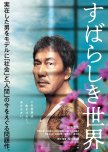
"The world must be a difficult place for a guy like you"
Yakusho Koji gave another brilliant performance in Under the Open Sky as an aging ex-con and former yakuza member. Known as the Brawler from Kobe, recently released Mikami Masao, had much to learn about the world outside of the crime families.
At 60 years old, Mikami Masao is released after spending fourteen years in prison. He is determined to be through with his criminal ties and never go back to jail. With the help of a sympathetic lawyer, he is set up with a place to live and a modicum of government assistance. He suffers from severe hypertension limiting the few employment opportunities available to him. A television station wants to share his story, especially if they can reunite him with his mother on air. Mikami has lived much of his life on a set schedule with emotional and physical guardrails. Now he must learn to deal with the casual cruelty in the “civilized” general pop he is surrounded by without resorting to violence.
Unlike so many actors who have limited means of conveying expression, Yakusho Koji put on a master class of nuanced acting showing Koji’s every thought and response without the viewer catching him acting. You could feel Mikami’s frustration with the system that treated him like a pariah, coping with the disrespect he was often shown, realization that the world had moved on without him, and joy when he used his particular skill set on a pair of thugs. Mikami was forced to learn patience and self-control around people who were experts at eliciting angry responses. His own body forced him to his knees with debilitating hypertension. And Koji glided through every emotional speed bump and ditch expertly. I loved that Nishikawa didn’t make Mikami perfect. Though generally kind and generous at heart, Mikami had a temper and had no compunction against resolving problems or slights with his fists. Or a ladder.
Director Nishikawa Miwa based her script on the novel Mibuncho. She deftly exposed polite society’s ability to ostracize those who did not fit into a perfect mold. Unhappy people who followed the rules felt entitled to mock those who had strayed or were different. The yakuza was not glamorized and for the most part Mikami accepted responsibility for his troubles. The film also showed how difficult it is for ex-convicts to turn their lives around. Aside from personally changing their ways of handling conflict, they are faced with limited employment opportunities. Most businesses are reluctant to hire anyone who has been incarcerated. It’s not surprising that 50% of released prisoners end up back in jail within 5 years. It’s the same in my country. Once they’ve paid their debt to society, they still need to eat, have shelter, and a way to make a living and going back to the safety of what they are familiar with can be tempting. For Mikami, the crime families never looked down on him and made him feel small whereas he faced rejection constantly in society. Unlike many released convicts, he had a support system of people outside the crime world who came to care about him.
Having spent nearly half his life in prisons, Mikami Masao just wanted to be an ordinary person. What he found was a whole new set of rules. “Let it slide…Don’t get involved…Look out for yourself.” The weak and other were still bullied and preyed upon by “good” citizens, but in acceptable manners. He not only had to learn to trust and love again, but also to look the other way. I enjoyed this bittersweet story of Mikami’s resiliency and determination to change his life no matter the challenges and to seek out the beauty hidden under the open sky.
“You have to be patient out here. Patient with few rewards. But at least you can live under the open sky.”
8 May 2026
Trigger warnings: Bare bottoms and breasts but not in a gratuitous manner
At 60 years old, Mikami Masao is released after spending fourteen years in prison. He is determined to be through with his criminal ties and never go back to jail. With the help of a sympathetic lawyer, he is set up with a place to live and a modicum of government assistance. He suffers from severe hypertension limiting the few employment opportunities available to him. A television station wants to share his story, especially if they can reunite him with his mother on air. Mikami has lived much of his life on a set schedule with emotional and physical guardrails. Now he must learn to deal with the casual cruelty in the “civilized” general pop he is surrounded by without resorting to violence.
Unlike so many actors who have limited means of conveying expression, Yakusho Koji put on a master class of nuanced acting showing Koji’s every thought and response without the viewer catching him acting. You could feel Mikami’s frustration with the system that treated him like a pariah, coping with the disrespect he was often shown, realization that the world had moved on without him, and joy when he used his particular skill set on a pair of thugs. Mikami was forced to learn patience and self-control around people who were experts at eliciting angry responses. His own body forced him to his knees with debilitating hypertension. And Koji glided through every emotional speed bump and ditch expertly. I loved that Nishikawa didn’t make Mikami perfect. Though generally kind and generous at heart, Mikami had a temper and had no compunction against resolving problems or slights with his fists. Or a ladder.
Director Nishikawa Miwa based her script on the novel Mibuncho. She deftly exposed polite society’s ability to ostracize those who did not fit into a perfect mold. Unhappy people who followed the rules felt entitled to mock those who had strayed or were different. The yakuza was not glamorized and for the most part Mikami accepted responsibility for his troubles. The film also showed how difficult it is for ex-convicts to turn their lives around. Aside from personally changing their ways of handling conflict, they are faced with limited employment opportunities. Most businesses are reluctant to hire anyone who has been incarcerated. It’s not surprising that 50% of released prisoners end up back in jail within 5 years. It’s the same in my country. Once they’ve paid their debt to society, they still need to eat, have shelter, and a way to make a living and going back to the safety of what they are familiar with can be tempting. For Mikami, the crime families never looked down on him and made him feel small whereas he faced rejection constantly in society. Unlike many released convicts, he had a support system of people outside the crime world who came to care about him.
Having spent nearly half his life in prisons, Mikami Masao just wanted to be an ordinary person. What he found was a whole new set of rules. “Let it slide…Don’t get involved…Look out for yourself.” The weak and other were still bullied and preyed upon by “good” citizens, but in acceptable manners. He not only had to learn to trust and love again, but also to look the other way. I enjoyed this bittersweet story of Mikami’s resiliency and determination to change his life no matter the challenges and to seek out the beauty hidden under the open sky.
“You have to be patient out here. Patient with few rewards. But at least you can live under the open sky.”
8 May 2026
Trigger warnings: Bare bottoms and breasts but not in a gratuitous manner
Was this review helpful to you?


