

 2
2 2
2 1
1


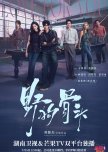
They Became the Home for Each Other.
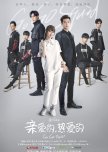
I started Love For You mainly because of the cast, since this type of modern drama—especially one set around the late 1990s and early 2000s—is not usually my preference. I was also initially cautious about the pseudo-step-sibling premise, but the drama makes it clear that Chen Yi and Miao Jing are neither biologically nor legally related. More importantly, their relationship is never really presented as a forbidden sibling romance. It is about two emotionally neglected children who gradually become each other's family, refuge, and eventually something more.The story itself is not particularly original: two lonely people grow up together, are separated by circumstances, and reunite years later with unresolved feelings and emotional wounds. However, the drama's greatest strength is its portrayal of how two people who were never properly loved by their parents learn to survive by becoming each other's home.
Chen Yi is the more tragic character for me. He is forced to grow up too early and learns to carry everything alone. Because he equates love with protection, he eventually begins making decisions on Miao Jing's behalf—including deciding that he must remove himself from her life. His sacrifice is genuine, but it is also selfish in a way. He wants to protect her, yet takes away her right to choose. He knows how to protect someone, but not how to stand beside them and let them choose for themselves.
I also appreciated that Miao Jing is not written as a passive heroine waiting to be rescued. She is capable of building her own life, but moving forward does not mean she stops loving Chen Yi. Her anger, hurt, gratitude, and love coexist, which makes her eventual forgiveness more meaningful. Understanding why someone hurt you does not mean what they did was right.
For me, the most powerful aspect of the drama is the idea of love as survival. Chen Yi and Miao Jing do not simply fall in love because of romantic attraction. They become each other's safe place because neither received enough emotional security from the adults around them. Their relationship develops through years of shared memories and ordinary moments rather than grand romantic gestures. That is also why Song Wei Long and Zhang Jing Yi work so well together. The performances by Song Wei Long and Zhang Jing Yi are not just complementary; they are the vessel for this entire emotional philosophy. Their chemistry comes from the feeling that these two people genuinely have a history.
Unfortunately, the drama becomes structurally uneven in the second half. The first part is a grounded, emotionally rich coming-of-age story, while the later episodes combine reunion romance with criminal conflicts, investigations, business disputes, and justice-related plotlines. Some of these external conflicts are interesting, but the balance is not always successful. The story also spends so much time building up Chen Yi's mysterious past, his involvement in violence, and the fire, yet some of the most important events are revealed retrospectively rather than allowing us to experience them alongside the characters. This weakens the emotional payoff.
The romance also becomes frustrating at times because Chen Yi continues trying to protect Miao Jing by making decisions for her, while she understandably resents being excluded from those decisions. Their conflict is rooted in genuine trauma rather than random misunderstandings, but the push-and-pull is occasionally stretched too long. The tonal shifts between emotional melodrama, fluffy romance, and criminal suspense can also feel abrupt.
Despite these flaws, I still cared deeply about the characters. The supporting cast, particularly Zhou Kang An, adds to the drama's sense that people are not simply heroes or villains; they are individuals who make choices and continue living with the consequences.
Ultimately, Love For You is not an exceptionally unique story, and its second half is much less consistent than its beginning. But its emotional core is strong. It is a story about two neglected children who had houses but no real homes, and who gradually became home for each other.
They did not simply find love.
They found the place where they could finally stop surviving alone.
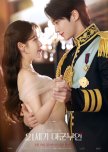
Watched for the Royal Glamour, Hoped for a Better Story, AND GOT NOTHING
My rewritten review after completing the dramaHonestly, I’m not a huge K-drama watcher, so when I started this drama, I went in with both curiosity and very high expectations 👑✨. A modern royalty theme, A-list actors, luxurious production, palace politics, business power struggles — on paper, this drama sounded exactly like something that should have been unforgettable for me.
And first of all, I want to make this clear: it is actually quite a nice drama if you watch it casually. If you don’t think too deeply about the writing and just enjoy it like a royal fantasy fairy tale 🏰💫, then I can absolutely understand why many viewers are loving it. The drama is visually beautiful, stylish, luxurious, and very easy to watch.
But for me personally, the experience feels more complicated than that.
Usually, I’m very careful when rating dramas. I don’t rate based on popularity, visuals, or whether my favourite actor is starring in it. Even if my favourite actor appears in a poorly written drama, I will still criticise it or even drop it completely. That’s why I sometimes struggle with sites like MDL. I often feel like many viewers rate dramas emotionally rather than fairly. Popular actors and romantic fantasy stories automatically receive higher ratings, while genuinely layered thrillers or more complex dramas are judged much more harshly. Sometimes it feels less like honest reviewing and more like people wanting to protect their fantasy worlds 💭.
And honestly… this drama just doesn’t fully work for me the way I hoped it would.
When I really analyse the drama deeply, I can’t say it has anything truly groundbreaking overall. However, I also can’t deny that certain aspects are genuinely top-tier. That’s the strange feeling I have while watching this drama — I’m not fully satisfied, but I’m still impressed in certain areas at the same time.
Now let’s talk about the acting and chemistry 🎭.
This is actually one of my biggest disappointments.
From the moment this drama was announced, I had massive expectations because of the cast alone. The modern royal family concept already caught my attention immediately, but then seeing IU and BWS cast as the leads made my anticipation even higher. I had also seen so many people praise their previous performances, so naturally, I expected powerful acting and unforgettable chemistry.
But honestly… I just don’t feel it.
Even after eleven episodes, the chemistry between the main couple still feels weak to me 😅. In the beginning, I excused it because the story was still developing and the characters were just meeting each other. But as the drama continued, that emotional connection I was waiting for never truly arrived. I kept expecting a scene that would suddenly make me emotionally invested in their relationship, but it never happened.
About IU specifically — I actually do think she acted well. I genuinely like her as an actress, and she still carries scenes naturally. But my issue is that I expected MUCH more from her. After watching some of her previous dramas, I know how emotionally impactful she can be. Here, however, her performance feels more “acceptable” than extraordinary. She performs the role correctly, but nothing about it feels especially memorable or emotionally overwhelming. It feels like she is simply acting the character rather than completely becoming the character.
Now about BWS… I know many fans may disagree with me here 😭.
But honestly, I feel like he completely misunderstood this role.
This character is not simply a handsome romantic male lead. He is a Grand Prince. A regent. A royal figure carrying generations of political authority and royal responsibility. He is the son of a late king, brother of a former king, uncle to the current king, and one of the most powerful figures in the royal family. A character like this should naturally carry royal elegance, imperial dignity, authority, composure, and overwhelming presence 👑.
But I personally felt none of that from him.
Visually? Yes, he looks extremely handsome. His styling is excellent. His face, body proportions, outfits — all perfect. But beyond the visuals, I honestly could not feel royal charisma from him at all. The way he walks sometimes feels more like a runway model than a prince raised within royal traditions. He looks amazing as an idol-like fantasy male lead, but this role required much more than appearance.
This is not a story about an idol.
This is a story about royalty.
And for me, he never truly embodied that royal identity. Sometimes I even felt like the second male lead carried more believable nobility and aristocratic presence than the actual male lead himself.
Speaking of supporting actors — I genuinely think the second female lead gave the strongest performance in the drama 🖤✨.
Even though she plays a darker and more villainous character, her acting feels convincing, layered, and engaging. Every time she appears on screen, I pay attention. She understands the tone of her character very well and delivers it properly. Out of the entire cast, she impressed me the most.
The second male lead also did a pretty solid job. His acting wasn’t as impactful as the second female lead’s performance, but he still felt believable within the royal world. At times, I honestly thought he matched the royal concept better than the main male lead because he naturally carried that noble atmosphere.
Now let’s talk about the writing and characterisation ✍️.
This is another area where I struggled a lot.
I understand why many viewers feel conflicted about the female lead. Sometimes she feels dominant, sometimes manipulative, sometimes emotionally unstable, sometimes pitiful — but the issue is that none of these traits is fully developed. It feels like the writer wanted her to be many things at once without properly committing to any direction. As a result, her characterisation feels incomplete and inconsistent.
And honestly… some of her loudly shouting scenes became genuinely frustrating for me 😭. Instead of feeling powerful or emotionally intense, they often felt noisy and overly exaggerated.
As for the male lead’s character, I actually think the basic concept itself is very good. A prince burdened by royal responsibility since childhood, trapped between duty and personal emotions — that idea has huge potential. But the execution feels weak. Some of his behaviour feels far too immature and unrealistic for someone raised within a royal institution. I’m not from a royal family, obviously 😭, but even I feel like the writer didn’t properly study royal behaviour, political etiquette, or aristocratic culture before writing this script.
And now… the plot 🔍.
This is probably the biggest reason why I feel disappointed overall.
I personally LOVE layered political stories filled with twists, betrayals, strategy, hidden motives, and psychological tension. Since this drama revolves around royalty and political conspiracies, I expected something much more complex.
But after eleven episodes, the story still feels surprisingly simple.
If someone asked me to summarise the entire first half of the drama, I would simply say this:
A Grand Prince burdened by royal responsibilities enters an arranged marriage with a wealthy and intelligent illegitimate daughter of a business family. Their political marriage slowly turns into love while conspiracies happen around the royal family.
And honestly… that’s basically it.
Yes, there are political schemes, assassination attempts, accusations against the royal family, and villainous manipulations happening in the background. But none of them truly shocked me. There were barely any real twists. Most developments happened exactly the way I expected from the very beginning. The supposed masterminds were obvious early on, and the drama never created the level of tension or unpredictability I hoped for.
Now I absolutely NEED to praise the cinematography and production design though 📸✨.
Because visually, this drama is genuinely stunning.
The fireworks scene in Episode 1? Absolutely breathtaking 🎆.
The Grand Prince’s proposal scene during the royal function? Beautifully staged and visually memorable.
The costume design deserves enormous praise 👗💎. Honestly, this is one of the biggest reasons I continue watching. The styling team selected incredibly luxurious outfits and accessories, especially for IU. Watching her appear in those elegant gowns and royal-inspired fashion pieces is genuinely one of the highlights of the drama for me.
I also loved many of BWS’s royal outfits — especially his Episode 1 entrance costume and the imperial military-style uniform in Episode 6. Those costumes finally gave him the regal aura I wanted to feel from the character.
The architecture and interior design are also gorgeous 🏛️✨. The palace interiors, royal residences, ceremonial halls, and private estates all feel rich and expensive. The drama constantly reminds you that this is a massive high-budget production.
And honestly… You can SEE the money on screen 💰👀.
Everything looks luxurious.
The sets.
The costumes.
The jewelry.
The locations.
The lighting.
The overall atmosphere.
This drama truly feels like an S+ production in terms of visuals and budget.
I also really appreciate how the drama combines traditional Joseon royal aesthetics with modern luxury fashion and business culture. That mixture feels fresh and visually unique compared to typical K-dramas.
However, one visual issue I noticed is that many wide-angle shots feel strangely empty. Sometimes, there are giant palace buildings or massive locations shown with barely any people around them, which creates a very desolate atmosphere instead of a lively royal environment.
About the OST 🎼 — I usually don’t pay much attention to soundtracks, but I do think this drama has some beautiful background music. The soundtrack fits the luxurious royal atmosphere very nicely. However, despite sounding pleasant, none of the songs feels truly unforgettable or emotionally iconic yet.
At the end of the day, the biggest reason I was so excited for this drama was the royal concept itself 👑✨.
A Grand Prince and a billionaire young woman?
That combination sounded AMAZING to me.
It immediately felt more refreshing than the usual “cold CEO and poor innocent girl” cliché. I liked that the female lead is intelligent, wealthy, ambitious, and capable instead of helpless.
That’s why I’m continuing this drama despite my frustrations.
Even though the acting, chemistry, writing, and pacing disappointed me in many ways, the royal fantasy atmosphere, luxurious visuals, costumes, architecture, and overall production quality are still entertaining enough to keep me watching.
So overall, this drama feels like a visually stunning royal fantasy with incredible production value, beautiful styling, and strong aesthetic appeal ✨👑🏛️ — but at the same time, it also feels emotionally weaker, less layered, and less impactful than I originally hoped.
I still hope the final episode surprises me and delivers stronger emotional depth🤞💫.
_________________________________________________________________________________________
I just completed the last episode, and I honestly do not even know how to express my disappointment 😭💔 Such a huge disappointment.
At least I hoped to watch a big plot twist in the final episode 🤯⚡ but no… nothing happened 🫠 Everything happened exactly as I expected. Actually, some of the things I expected never even happened.
I really hoped the villain would finally get a proper backstory 🥀🖤 I thought he would have some emotional or hidden story about himself, and that all those villainous actions were connected to revenge or some deeper reason 😮💨 But no… such a foolish reason 🤦♀️ Oh what the hell was that 💀
And what even happened in the end? 😭 I have literally watched the same type of ending years ago in another drama 🫥📺
I was already disappointed with the acting and directing 🎭📉 so I thought, okay, at least the scriptwriter might save this drama ✍️ But I expected a great, satisfying, or at least complete ending 🌌✨ Instead, they just… ended it 😐 No major reveal, no emotional impact, nothing memorable.
When this drama started, I genuinely thought it would have a big and meaningful plot 🔥 But in the end, it barely even had a story at all 🫠 It just felt like a staged play dragging toward an empty ending 🎬⬇️
Ahh, such a freaking disappointing drama 😭💢 Oh my gosh.
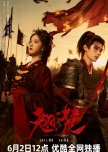
A Cracking Premise That Crumbled Under Its Own Laziness
— my honest, probably too-long thoughts after 20 episodes of Ashes to Crown (The review for the final four episodes is included at the bottom of this review.)I went into Ashes to Crown with sky-high expectations. Chen Duling leading a rebirth revenge epic? Born as the daughter of a frontier general and later crowned Empress, she was ultimately murdered on her birthday by the husband she had loved and trusted for years. wakes up three years earlier, and decides to systematically destroy the ambitious prince who used her? Sign me up. The MDL synopsis promised political scheming, battlefield grit, and a love line with the black sheep of a powerful clan. I thought I was getting The Story of Minglan meets Nirvana in Fire with a desert aesthetic. What I actually got was a drama so riddled with lazy storytelling, baffling production choices, and plot holes you could march an army through that I spent half my watch time genuinely angry.
Let’s start with the thing that slapped me in the face within minutes: this show does not trust its audience to have a single working brain cell. The entire first episode is basically an audiobook. Chu Zhao’s voice drones over scene after scene, narrating her entire tragic backstory — her mother’s death, her marriage to Xiao Xun, the betrayal, the strangulation, the rebirth — while the visuals basically act as wallpaper. I kept waiting for the drama to actually show me something: a flashback triggered by a specific object. This nightmare bleeds into waking, a conversation where someone else reveals a piece of the puzzle Chu Zhao missed. Nope. Just Chu Zhao’s disembodied voice explaining everything like she’s reading her own Wikipedia entry. I’m not exaggerating when I say you could close your eyes for the first forty minutes and miss absolutely nothing important. That’s not television. That’s a podcast with pretty people standing around.
And speaking of pretty people — can we talk about the male lead’s makeup? Because what on earth was that? Zhou Yiran’s Xie Yanlai is supposed to be a hardened soldier who’s spent five years on the brutal frontier under General Chu Ling. He’s the guy who shows up in a fight and kills a hostage and her captor with a single arrow because he’s ruthlessly efficient. But the makeup department decided that what he really needed was a ghostly pallor that made him look like he’d wandered off the set of Word of Honour’s Ghost Valley. I kept expecting him to pull out a soul-sucking flute. It was so distracting that every time the drama tried to sell him as this dangerous, physically imposing warrior, my brain just went “that man needs some sunlight and probably a sandwich.” It’s a small thing, maybe, but it’s emblematic of a production that never quite figured out what tone it was going for — gritty desert epic or ethereal romantic fantasy — and ended up failing at both.
Then there are the plot holes. Oh, the plot holes. Within the span of about two episodes, Chu Zhao transforms from a naive girl who was literally tricked into her own murder into a political mastermind who outmanoeuvres a prince who’s been orchestrating a coup for years. She single-handedly saves the imperial grandson, talks her way past a corrupt guard commander, convinces a dying emperor to change his succession decree, and gets herself named Grand Princess with the power to oversee the new child emperor. All of this happens so fast that my head spins. The emperor’s logic — that making this random frontier general’s daughter the Grand Princess will somehow bind her father’s 200,000 troops to the throne — is the kind of reasoning that only works if everyone in the room is contractually obligated to agree. And don’t get me started on how Xie Yanlai, who just a few scenes earlier was pointing a sword at the emperor’s neck, ends up as the commander of the Imperial Guard. The drama just… moves on. It happens, and you’re supposed to nod along.
And yet. And yet. I can’t say I hated all of it. Because buried under the audiobook voiceovers and the ghost makeup and the logic that crumbles if you breathe on it, there are moments — real, genuinely affecting moments — where Ashes to Crown remembers it has a soul.
When the drama leans into its emotional core instead of its plot mechanics, it can be genuinely moving. The revelation that Chu Zhao’s mother, Mu Mianhong, was not the refined Capital noblewoman she’d been told about but a fierce Northern Desert warrior who faked her death to protect her daughter — that arc landed. Chu Zhao’s reaction isn’t triumphant or even grateful. She’s furious. She confronts this woman who abandoned her, demands she perform the calligraphy and painting of a proper lady, and when Mu Mianhong can’t, Chu Zhao throws her out. It’s messy and hurt and completely honest about what it feels like to discover your entire origin story was a lie. And when Mu Mianhong later rides into battle, explosives strapped to her body, to clear a path for her daughter’s army, the tragedy of it hit me square in the chest. She spent nineteen years hiding to keep Chu Zhao safe, only to die in a blaze of fire to keep her alive one more time.
Chu Ling’s death is another moment where the drama stops rushing and lets the grief breathe. His final letter — dictated to Xie Yanlai on his last night — apologises for nineteen years of warfare that made him a hero to the empire but a distant stranger to his own daughter. “I wish I could have simply been your father,” he writes, “not a general, not a legend.” Chu Zhao, reading those words, realised all the years she spent resenting him for his absence when he was silently dying to protect her future — it’s the kind of emotional payoff that a revenge story needs to feel earned. That scene justified a lot of the earlier mess for me, at least temporarily.
I also have to give credit to Chen Duling, who does her best with material that often lets her down. When the script actually gives her something to play — grief, cold fury, the desperate fear of losing another person she loves — she delivers. The moment in Episode 13 where she confronts Xie Yanlai about the Bloodburn Pills, an arrow aimed at his heart while memories of everything he’s done for her flash across her face, is a genuinely tense, emotionally complex scene. She’s not just angry; she’s devastated that the one person she trusted might have helped kill her father, and she’s fighting herself as much as she’s fighting him. The dubbing does her no favours — it creates an emotional distance that her face is working hard to overcome — but she’s visibly trying, and that counts for something.
The political chess game between Chu Zhao and Xie Yanfang (Xie Yanlai’s older brother) also has its moments. Xie Yanfang is that rare antagonist who isn’t cartoonishly evil; he’s just terrifyingly pragmatic. He saved Xie Yanlai’s life as a child, gave him medicine that seemed miraculous, and has spent years cultivating loyalty — all while quietly manipulating everyone around him. When Chu Zhao and Xie Yanfang acknowledge their “tacit understanding” across the battlefield of court politics, recognising that they’ve been playing the same game from opposite sides, it’s a genuinely satisfying beat. The drama is at its best when it lets its smart characters be smart, showing us their calculations through actions rather than telling us through voiceover.
Even some of the smaller players shine. Deng Yi, the venal Grand Tutor who openly admits he doesn’t care who sits on the throne as long as he keeps his position, is a refreshingly honest portrait of political survival. His scenes with his elderly mother — who mistakes Chu Tang for Chu Zhao and cheerfully encourages her son not to “let such a good match slip away” — are oddly endearing. And Xiao Xun, before the script defangs him, has moments of genuine menace. When he whispers, “I will not make the same mistake twice” after being outmanoeuvred at the coronation, you believe him. For a while.
But then the drama has to do plot things, and it fumbles — repeatedly. The pacing is a mess. The first half barrels through major events so fast that character deaths barely register before we’re on to the next crisis. The Emperor dies, the Crown Prince dies, the Third Prince dies, and it all happens in such a blur that I felt like I was watching a highlight reel rather than a story. Then, around Episode 17 or 18, the drama suddenly slams on the brakes. We get an extended subplot about an exam cheating scandal that, while thematically relevant to Chu Zhao’s consolidation of power, eats up screen time that should be building toward the Northern Desert confrontation. The literary club storyline with Chu Tang, while providing nice moments for a supporting character, feels like wheel-spinning. After hurtling through the plot at breakneck speed, the drama suddenly seems unsure where to go.
Xiao Xun suffers the most from this aimlessness. He starts as a genuine threat — a man who orchestrated a coup, murdered a crown prince, and strangled his own wife when she outlived her usefulness. But as the series progresses, he’s outmanoeuvred so consistently that he stops feeling dangerous. By the time he’s reduced to hiding in Xiaonan, hoping his father and Deng Yi will somehow salvage things, I’d stopped worrying about him altogether. A revenge story where the villain isn’t scary isn’t satisfying — it’s just the protagonist punching down.
Characters who seemed important in early episodes also drift into irrelevance. Zhong Changrong, Chu Ling’s loyal deputy, fades into the background after a strong start. The mysterious Longwei Army, introduced with great fanfare as a secret elite force, gets mentioned occasionally but never becomes the game-changing element it was set up to be. The mirror visions of Chu Zhao’s past self — a genuinely intriguing device that could have externalised her trauma and inner conflict — appear sporadically and then vanish, as if the drama forgot about them.
review for last four eps -
And then I watched the last four episodes, and honestly, I wish I hadn't bothered. The ending left me feeling absolutely nothing — which might actually be worse than hating it, because at least hatred is an emotion. Everything played out exactly the way this drama has been operating since episode one: the princess gets cornered, the odds are impossible, and then — surprise! — the hero swoops in at the literal last second to save the day. It's a move that might work once or twice, but by the finale, I'd seen this exact rescue beat so many times I could have choreographed it myself. Tension doesn't exist when you already know the cavalry's going to show up because the script can't think of anything else.
And speaking of the hero — where did Xie Yanlai go? He was practically a guest star in these final episodes, reduced to popping up occasionally to swing a sword or deliver a longing look before vanishing again. For a drama that spent twenty episodes building this central relationship, the back half seemed to forget that the male lead was supposed to be, well, a lead. His absence drained whatever emotional stakes the finale might have had. By the time the credits rolled on episode 24, I wasn't moved or satisfied or even particularly angry. I was just tired. Tired of the same beats repeating, tired of the drama promising intensity and delivering predictability, tired of watching a show that had every ingredient for greatness and still managed to serve up something this flavorless.

A Good Looking Shit...
"Love Has Fireworks" is a drama that promised a fiery romance but delivered something far more lukewarm. The series centers on Li Yifei, a sharp investment banking elite, and Qian Fei, a diligent back-office analyst who loses both her fiancé and her job in quick succession. Their paths cross when Li Yifei, facing financial strain, becomes Qian Fei's tenant, and the two navigate the awkwardness of cohabitation while professionally competing on the same IPO project. On paper, this setup has all the ingredients for a compelling enemies-to-lovers narrative, and the leads—Tan Jianci and Wang Churan—are undeniably attractive and committed to their roles, bringing energy to their bickering dynamic in the early episodes. However, the drama ultimately frustrates because it consistently prioritizes workplace politics over romantic development, leaving viewers waiting nearly thirty episodes for the leads to officially date, and even then, the "fireworks" promised by the title never truly materialize.The strongest moments of the series come from the co-living dynamic, where Li Yifei's helplessness with basic household tasks clashes amusingly with Qian Fei's practical competence. The scenes of him flooding the kitchen, panicking over a tripped breaker, or clumsily trying to cook are genuinely endearing, and the gradual softening of his arrogant demeanor feels earned. The Chengdu arc, where the pair travel to retrieve old financial data and bond with a father and his autistic son, provides rare emotional depth and showcases the leads' chemistry without the constant interference of corporate subplots. Qian Fei's personal growth is also handled well; her refusal to accept Li Yifei's confession until she feels professionally secure sends a healthy message about self-worth, and her arc from prioritizing her relationship over her career to becoming a self-sufficient professional is the emotional backbone of the series. Supporting characters like Lu Ze and Jingjing offer a stable, loving counterpoint to the leads' chaos, and Jun Cheng's growth from a suffocating "mama's boy" to a man who stands up for his independence provides some satisfying character development.
Unfortunately, these bright spots are buried under excessive workplace content that quickly becomes tedious. The drama spends an inordinate amount of time on investment banking jargon, IPO processes, due diligence, and financial fraud investigations, and while the show attempts to educate viewers, the dense terminology—especially without clear visual explanations—feels more like homework than entertainment. The Shanlifang Hotel Group subplot, with its complex fraud, multiple sponsors, and endless meetings, could have been an entire drama on its own, and it constantly pulls focus from the central romance. Instead of using the professional setting as a backdrop for romantic development, the show uses it to create separation and conflict, making the leads feel more like colleagues than lovers for the vast majority of the runtime. This pacing problem is the drama's most glaring flaw; the confession scene, when it finally arrives in episode thirty-four, is beautifully delivered but comes so late that it feels anticlimactic, and the subsequent dating phase is rushed through in the final three episodes, leaving no time for the audience to savor the romance they've been waiting for.
The supporting characters often do more harm than good, with Jun Cheng's family—particularly his meddling mother—quickly wearing out their welcome through endless scenes of matchmaking and spying that feel like filler rather than comic relief. The "evil colleagues" trope is handled with zero nuance, with Xinyao functioning as a cartoonish villain who causes trouble without facing consequences, and even Qian Fei's best friend Jingjing, while meant to be supportive, sometimes crosses into frustrating meddling. The drama also suffers from technical flaws, most notably the distracting AI face replacement on the second male lead, which creates an uncanny valley effect that pulls viewers out of the story whenever he appears. More troubling is the show's treatment of workplace ethics; Fang Yun's willingness to frame Qian Fei for the leaked video is framed with surprising leniency, Li Yifei's constant manipulation of Qian Fei's work is portrayed as protective rather than controlling, and Chairman Liao's financial fraud is never truly held accountable, sending a problematic message about corporate morality.
In the end, "Love Has Fireworks" is a frustrating watch because it has all the ingredients for a compelling romance—attractive leads, a solid premise, and genuine moments of warmth—but consistently fails to bring them together in a satisfying way. The drama is bogged down by excessive workplace content, overstuffed supporting plots, a confession that comes far too late, and problematic ethics portrayed without sufficient critique. While the leads' chemistry and Qian Fei's character growth provide some reasons to continue watching, the overall experience feels like a slow simmer that never quite reaches a boil. For viewers seeking a passion-filled romance, the title is misleading; the "fireworks" are more of a gentle spark that takes thirty episodes to catch. As a workplace drama with a slow-burn romantic subplot, it has more to offer, but those expecting the explosive chemistry promised by the marketing will likely be left disappointed.
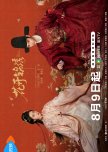
They Wanted Power, Until They Learned Its Price
In recent years, the costume romance market has become increasingly repetitive. Many dramas depend on familiar tropes, exaggerated characters, forced romance, and easy victories to keep the audience interested. After watching so many of them, it is easy to feel tired. That is why The Road to Splendor felt different to me. It begins like a story about household politics and a fallen noblewoman, but slowly grows into something much bigger: a journey about survival, ambition, power, class, love, and the painful cost of changing one's fate.The drama is adapted from a classic historical romance novel, and one of its strengths is that the adaptation seems to understand what should be kept and what should be changed. The heart of the characters and the main story remain, while some parts are adjusted to fit the screen better. More importantly, the drama does not feel like it changes people just to create shocking moments. The characters are allowed to grow through their experiences, and that makes their journey feel more natural.
At first, the story is built around Fu Tingyun, a noble young woman whose life is destroyed by a false accusation. What struck me was that the drama does not make her a perfect heroine who can solve everything with intelligence alone. She is smart, but she is also inexperienced. She understands the value of status and wealth because she was born into that world, and after losing everything, she still wants to climb back up. At times, she even sees Zhao Ling as a way to reach a higher place again. But this is also why I found her growth meaningful. She does not begin the story as a completely selfless and mature woman. Life teaches her what power really means, what it costs, and what kind of person she wants to become.
Her journey is especially interesting because she is pushed out of the safe world she once knew. She goes from being a noble lady to living as a refugee, running through dangerous places, facing hunger, violence, and death. The physical journey becomes a journey of identity as well. She can no longer survive only as "Fu Ninth Miss." She has to ask herself who she is when her family name, status, and protection are gone.
And then there is Zhao Ling.
Honestly, his character became one of the strongest parts of the drama for me. He is not introduced as the usual powerful prince or cold genius male lead. He is a salt smuggler from the bottom of society, someone who has learned how to survive in a cruel world. He can be rough, suspicious, clever, and sometimes impossible to deal with. But beneath that, he has a strong sense of justice. Even when he is involved in the illegal salt trade, he cannot ignore the suffering of ordinary people. The contrast between his rough way of living and the kindness he still carries inside makes him feel much more human than a perfect male lead.
The most interesting thing about the main couple is that they do not begin with love. They begin with need.
At first, their relationship is based on convenience and survival. They depend on each other because they have no better choice. They pretend to be a couple, protect each other, argue, doubt each other, and sometimes even use each other for their own goals. But as they travel together and face one hardship after another, that relationship slowly changes. Trust comes before love. Dependence comes before understanding. And finally, love grows from everything they have survived together.
This is why I liked their romance so much. It is not built on instant attraction or endless sweet scenes. Their feelings are hidden in small actions: protecting each other, returning for each other, trusting each other with their lives, and slowly becoming the one person the other cannot easily leave behind. Zhao Ling falls first, but their relationship eventually becomes something much deeper than romance. They become witnesses to each other's entire transformation—from people with almost nothing to people standing close to the center of power.
But this is also where the story becomes painful.
The Road to Splendor is, in many ways, a zero-to-hero story. Fu Tingyun wants to regain the life and status she lost. Zhao Ling rises from being a salt smuggler to becoming a high-ranking official involved in fighting corruption. At first, power looks like freedom. It looks like the answer to everything they suffered before. But after finally reaching that world, they begin to see its other side: betrayal, political games, cruelty, and the way powerful people can use others as tools.
For me, the cruelty of power became one of the strongest themes of the drama.
The Crown Prince initially appears to be someone I could understand and even support. Giving Zhao Ling a chance is useful for both of them. Zhao Ling gets the opportunity to change his fate, while the Crown Prince gets a capable man to help him. At that point, it feels like a fair exchange. But later, after becoming Emperor, things change. Zhao Ling is no longer simply a useful ally. He becomes a blade in the ruler's hand.
That part was difficult to watch.
Zhao Ling finally gets the power and status he once could never have imagined, but the higher he rises, the more he loses. He is forced to carry responsibilities and make decisions he does not always want to make. Sometimes he has to bear everything alone in order to protect Fu Tingyun, and this creates misunderstandings between them that genuinely drove me crazy. There were moments when I wanted to shake both of them and tell them not to become fools. But at the same time, I understood why the story was taking them there. Power does not simply make their lives better. It changes their relationship with the world and with each other.
I have watched hundreds of historical dramas, so I am familiar with political cruelty, ruthless rulers, people being used as pieces in a larger game, and the terrible things done in the name of power. None of this was new to me. But somehow, even when I know these stories and scenes so well, they still leave a weight in my heart.
And The Road to Splendor gave me that feeling strongly.
There is something painful about watching two people who once had almost nothing struggle so hard to rise, finally reach a position of great power, and then discover how cold and inhuman that world can be. After seeing the pain of being powerless, they want power. After finally gaining power, they experience its cruelty. And after seeing what it can do to people, they begin to want to leave it behind—but by then, leaving is not so easy.
That is what made the story feel heavier to me than a simple rise-to-power drama.
Visually, I also loved the contrast between the different stages of their journey. The northwestern parts, with the sandy deserts, harsh weather, refugees, battlefields, and endless roads, had a stronger impact on me. Those scenes carried the feeling of struggle and survival. Then the story moves toward the prosperous capital, where everything changes: beautiful clothes, poetry gatherings, luxurious homes, elegant manners—and hidden conspiracies behind all of it. The change in costumes, makeup, settings, and atmosphere also reflects how far the characters have travelled. But the higher they rise, the more dangerous their world becomes.
I also appreciated that the drama does not present success as something free. Their rise comes with losses. Fu Tingyun loses her family name and the security of her old life. Zhao Ling has to give up parts of the life and freedom he once had. Together, they face family structures, corruption, class prejudice, political struggles, and people who are always ready to use them. Every step upward demands something from them. That is why their success does not feel completely easy or empty.
Of course, the drama was not perfect for me. There were times when the misunderstandings became frustrating, especially when the characters tried to carry everything alone instead of trusting each other. Some parts were stressful enough that I genuinely wanted to stop and tell them to just talk to each other. But even those frustrations came from the fact that I was deeply invested in their journey.
In the end, I think what stayed with me most was not simply the romance, the political struggles, or the rise of the two leads. It was their transformation.
Fu Tingyun grows from a noblewoman who sees status as security into someone who begins to understand life, courage, and the meaning of leaving something behind. Zhao Ling grows from a salt smuggler fighting to survive into a man who reaches the highest levels of power, only to learn how much pain that power can bring. They start as two people using each other because they need to survive. They become companions, partners, lovers, and eventually the people who understand the full journey the other has taken.
Their love is beautiful because it survives all those changes.
They knew each other when they had nothing. They knew each other when they were hungry, afraid, and running for their lives. They knew each other when they wanted power. And they knew each other after they had seen the darkest side of that power. Somewhere along the way, the relationship that began as a transaction became unconditional.
The Road to Splendor was sometimes stressful, sometimes frustrating, and at times emotionally heavy. But I am genuinely glad I watched it. I think it would have been a loss if I had skipped this drama. Beneath the romance and rise-to-power story is a journey that asks a painful question: after spending your whole life fighting to reach the top, what happens when you finally get there and realize that the world you wanted was never as beautiful as you imagined?
For me, that was the real weight of this story.
Pretty Costumes, Awkward Romance, and the Only Reason You Keep Watching is Ding YuXI
🌸 Why I Pressed Play (And Regret Nothing… Almost)I continued watching Fight for Love for one reason and one reason only: Ding Yuxi 😭💖. Handsome, charming, and carrying that quiet intensity — he was my only hope in what promised to be a painfully slow slog. Honestly, without him, I would’ve quit by episode 3. But here I am, survivor of the first half, ready to rant.
🔍 The Big Picture: “Epic” Scale or Just Over-hyped?
Okay, so Fight for Love really wants you to believe it's this grand, sweeping historical epic. And yeah, the production is gorgeous: 176 sets, a 21,000-square-metre Wei mansion, more than 2,200 custom costumes. It’s like they took every “build everything bigger than life” advice from a drama production manual and ran wild. But if you came for the soul of the story — well, they forgot to send that memo to the scriptwriters.
📖 Plot: Epic… in Theory , Great Idea, Horrible Execution
Potential: 10/10
Execution: 4/10 😩
The plot has everything — love, betrayal, family downfall, national collapse. Chu Yu, widow of ML’s elder brother, falls for the younger brother. Taboo? Check. Family duty? Check. Kingdoms collapsing? Check. Schemes and betrayal everywhere? Double check. But the script? Flat. Wars happen. People die. Secrets are revealed. And I’m just… sitting there. Watching the machine of the plot grind along. Emotional resonance? Apparently outsourced.
💔 First Half: Pretty but Painfully Slow
I’ll be honest: last 10 eps, I liked them. but the first half was a snoozefest. Yes, the costumes and makeup are gorgeous, the cinematography is okay, but that’s like putting a cherry on a flavorless cake. The plot barely moves, the chemistry is non-existent, and I spent way too much time wondering whether I was watching a drama or a live-action painting gallery. And yet, I kept watching — because Ding Yuxi. Without him, I would’ve long left.
💫 Ding Yuxi (My Yu Xi Boy): The One Who Actually Carries It
Speaking of him — thank god for him. From the start, Ding Yuxi does a solid job: cute, hopeful, charming. And by the end? He’s grown into this responsible mountain of feels. The way he matures, shoulders the tragedy, and holds his ground — it’s honestly the only reason half the emotions in the final episodes landed for me.
But, Oh yes, Ding Yuxi is the male lead, supposedly. In reality? About 9–10% of screen time. Fans are furious. And I get it — the guy carries the story, but the editing apparently wanted us to admire the scenery instead of the protagonist. Classic.
👩🦰 Chu Yu / FL: From Hot Mess to … Slightly Less Hot Mess
Oh, Chu Yu. In the beginning, I thought she was cringily chaotic: too naive, too silly, and acting like someone who forgot her inner strength. But later? She actually… grows. Not fully perfect, but better. Sure, fans online complained Victoria Song leans too heavily on wide-eyed “shock” expressions.
Fair. But credit where it’s due: by the final episodes, she’s earned some of her moments. I even found myself liking her decisions (gasp).
💥 Romance & Chemistry: Where Did the Sparks Go?
Let’s talk about the romance — or lack thereof. The chemistry between ML and FL? Pretty much zero for me, especially in the early episodes. Their romantic scenes feel like two actors politely reciting from a script. They were like “older sister–younger brother” rather than lovers.
Meanwhile, the second couple had much better tension, even though their choices frustrated me at times. And honestly, the bromance between the ML and SML felt more natural than the romance itself 😂. They could fight over the same woman in private but work together seamlessly for their country — that dynamic was more compelling than half the love scenes.
🎨 Production : Beautiful Aesthetics ⚔️ Battles: Music Video, Not War
The production deserves praise for its beauty 🌸 — gorgeous sets, detailed costumes, and aesthetic color grading. But some of the action scenes… oh my god 😭.
First half fight scenes had me laughing out loud. Dramatic robes, slo-mo sword swings, romantic “battle dances” 💃🗡️. By the finale, the big war is okay — still stylized, still ridiculous, still prettier than it should be. Honestly, it looks like a TikTok choreo more than a bloody battlefield.
🌹 Final Thoughts: A Gorgeous Hot Mess
Would I recommend? Yes… with a strong disclaimer:
Watch for Ding Yuxi, the visuals, the costumes, and some occasionally decent character growth.
Do NOT expect a deep, consistent romance or emotionally satisfying plot 😑.
The drama is basically a beautiful painting that occasionally moves.
Sarcastically speaking: it’s a “must-watch” if you love gorgeous scenery, slightly awkward romance, and seeing a male lead work harder than the script allows him to 💀💖.
" Yummy Yummy Yummy — Tasty Beginnings, Slow Endings "
I just finished watching Yummy Yummy Yummy and wanted to share my thoughts from my personal vantage point.✅ What worked for me
Fresh and fun starting premise
"Modern Shen family accidentally time-travels to ancient Yong’an, turning a promo shoot into a fun food adventure — mixing modern flavors and personalities with a historical touch, it feels fresh and fun. The setup of the family trying to survive/time-travel/adapt suited my mood for something not too intense.”
Mouth-watering food scenes
“In the early episodes, the focus on cooking and food really stands out as the Shen family uses modern knowledge to adapt to the past. With snacks like jianbing and other street foods, the drama even has a bit of a ‘food porn’ charm. If you enjoy mouth-watering visuals in period dramas, this part truly delivers.”
❌ What didn’t quite land for me
Slow pace & shifting focus
“The first 10–12 episodes truly deliver on novelty—food, modern-meets-ancient moments, and family fun. But as the story progresses, it slows down and shifts toward heavier plotlines, losing some of that initial charm. The romance also doesn’t pick up until around episode 30, so if you’re expecting early love scenes, the wait might feel long."
Characters: uneven execution
The male lead (ML) character: Cool, handsome, talented — standard for this genre, and he does his job. The female lead (FL): Starts strong — smart, proactive, the one carrying her family. But as the drama progresses, her decisions (or indecisions) in the romance/avoidance arc dragged her character for me.
The rest of the family: I share your frustration. The father-son “airhead” duo, the mother constantly blaming father, the granddaughter’s whining-eating – these characters felt exaggerated, annoying at times, almost cartoonish. While that can work in broad comedy, for my tastes the balance tipped too far into “annoying” rather than charming.
Romantic payoff & chemistry
If you’re watching for a strong, early-on romance, this might disappoint. The “romance” only becomes prominent much later, The time-travel/ancestor trope adds weirdness, which complicates the romance instead of simply making it sweet.
Plot logic & bugs
The family’s modern knowledge advantage is sometimes overstated; the big mystery substance behind the ML’s secret is introduced but feels undercooked.
🔍 A few extra thoughts & “tips”
Viewing tip: Don’t go in expecting a serious historical drama. Think of it more as a food-time-travel comedy with light romance. That mindset will help you avoid disappointment when the logic loosens.
Character tip: Focus on the FL’s arc and the ML’s quieter moments; skip over some of the more “family chaos” scenes if they get too grating.
Food scenes: Enjoy them. Pause if you must for screenshots of dishes! The food aspect is one of the high points.
Patience for romance: If you’re watching primarily for the romantic storyline, be aware you'll need to invest time (maybe 20+ episodes) before it truly gets going.
A Drama That Masterfully Crafts Ink, Betrayal, and the Weight of Legacy, What Finally Became a Shit
I just finished the drama, and honestly… this drama's start surprised me in ways I never expected and i started to love it. But the second half was just a piece of shit with AI generated script🍂I had no expectations going in. When I first saw the premise—a drama about the 𝘪𝘯𝘬 𝘪𝘯𝘥𝘶𝘴𝘵𝘳𝘺 in Ming Dynasty China—my honest reaction was: "𝘞𝘩𝘢𝘵? 𝘐𝘯𝘬? 𝘏𝘰𝘸 𝘮𝘶𝘤𝘩 𝘥𝘦𝘱𝘵𝘩 𝘤𝘢𝘯 𝘵𝘩𝘦𝘳𝘦 𝘱𝘰𝘴𝘴𝘪𝘣𝘭𝘺 𝘣𝘦?" I expected a dry, niche period piece about a craft I knew nothing about. But somewhere along the way, this story starts with something far more compelling.
Because beneath its beautiful cinematography, intricate ink-making sequences, and family clan politics, 𝘛𝘩𝘦 𝘏𝘦𝘪𝘳 is actually about 𝗿𝗲𝘀𝗶𝗹𝗶𝗲𝗻𝗰𝗲, 𝗯𝗲𝘁𝗿𝗮𝘆𝗮𝗹, 𝘁𝗵𝗲 𝗰𝗼𝘀𝘁 𝗼𝗳 𝗮𝗺𝗯𝗶𝘁𝗶𝗼𝗻, 𝘁𝗵𝗲 𝘄𝗲𝗶𝗴𝗵𝘁 𝗼𝗳 𝗳𝗮𝗺𝗶𝗹𝘆 𝗹𝗲𝗴𝗮𝗰𝘆, 𝗮𝗻𝗱 𝘁𝗵𝗲 𝗾𝘂𝗶𝗲𝘁 𝘄𝗮𝗿 𝘄𝗼𝗺𝗲𝗻 𝗳𝗶𝗴𝗵𝘁 𝘁𝗼 𝗯𝗲 𝘀𝗲𝗲𝗻 𝗮𝘀 𝗲𝗾𝘂𝗮𝗹𝘀 𝗶𝗻 𝗮 𝘄𝗼𝗿𝗹𝗱 𝘁𝗵𝗮𝘁 𝗰𝗼𝗻𝘀𝘁𝗮𝗻𝘁𝗹𝘆 𝗱𝗶𝘀𝗺𝗶𝘀𝘀𝗲𝘀 𝘁𝗵𝗲𝗺. And what surprised me most is how emotionally invested I became—until the second half, when the writing began to unravel.
🖋️ 𝗙𝗜𝗥𝗦𝗧 𝗜𝗠𝗣𝗥𝗘𝗦𝗦𝗜𝗢𝗡𝗦 — 𝗔 𝗙𝗥𝗘𝗦𝗛 𝗣𝗥𝗘𝗠𝗜𝗦𝗘 𝗧𝗛𝗔𝗧 𝗗𝗘𝗟𝗜𝗩𝗘𝗥𝗦 (𝗔𝗧 𝗙𝗜𝗥𝗦𝗧)
The drama opens with a genuinely fascinating hook. The tribute ink competition between the Li, Luo, Chen, and Pan families establishes a world where ink-making is not a humble craft but a 𝗵𝗶𝗴𝗵-𝘀𝘁𝗮𝗸𝗲𝘀 𝗽𝗼𝗹𝗶𝘁𝗶𝗰𝗮𝗹 𝗯𝗮𝘁𝘁𝗹𝗲𝗴𝗿𝗼𝘂𝗻𝗱. The detail is immersive: pine soot vs. lacquer soot, the "Five Hues of Ink" test, the difference between "bone" and "soul" in a single ink stick. I learned more about traditional ink-making than I ever expected to care about—and I 𝘥𝘪𝘥 care.
Young Li Zhen's childhood introduction—boldly stepping forward at the competition, befriending the rival Luo Wenqian, identifying ink sticks by scent alone—immediately establishes her as someone special. The tragedy that follows (the tribute boat fire, her father's death, the Eighth Branch's exile) sets up genuine emotional stakes.
The first half of this drama is 𝗴𝗲𝗻𝘂𝗶𝗻𝗲𝗹𝘆 𝘀𝘁𝗿𝗼𝗻𝗴.The pacing is tight, the conflicts feel earned, and Li Zhen's journey from exiled outcast to independent ink-maker is beautifully constructed. Her blindfolded lampblack demonstration remains one of the most thrilling sequences I've watched in any period drama. 👏
🖤 𝗟𝗜 𝗭𝗛𝗘𝗡 — 𝗔 𝗙𝗘𝗠𝗔𝗟𝗘 𝗟𝗘𝗔𝗗 𝗪𝗢𝗥𝗧𝗛 𝗥𝗢𝗢𝗧𝗜𝗡𝗚 𝗙𝗢𝗥 (𝗠𝗢𝗦𝗧𝗟𝗬)
Li Zhen became one of the more compelling female leads I have watched this year. Yang Zi's acting is 𝘂𝗻𝗱𝗲𝗻𝗶𝗮𝗯𝗹𝗲—no matter how frustrating the writing became later, she never stopped delivering.
What makes Li Zhen special is that her intelligence is 𝗲𝗮𝗿𝗻𝗲𝗱, not announced. She observes, learns, adapts, and survives. She fails repeatedly—her early attempts at recreating the ancient lacquer-soot ink are described as "mediocre" and "fragile." She doesn't magically succeed; she works, fails, and works again.
𝗛𝗲𝗿 𝗱𝗲𝗳𝗶𝗻𝗶𝗻𝗴 𝗺𝗼𝗺𝗲𝗻𝘁 comes not when she succeeds, but when she 𝘤𝘩𝘰𝘰𝘴𝘦𝘴 to leave. After being framed for leaking the ink recipe, publicly humiliated, and watching her own family turn against her, she walks away. She refuses to sign the contract. She opens Xiao Li Ink Workshop on her own terms. That scene—her turning her back on the toxic Li household—is quiet but devastating. 💪
However—and this is a significant 𝘩𝘰𝘸𝘦𝘷𝘦𝘳—the writing does her a disservice in the second half. She transforms from a vulnerable, learning protagonist into something approaching a 𝘀𝘂𝗽𝗲𝗿𝘄𝗼𝗺𝗮𝗻. Problems that once took episodes to solve are resolved in single scenes. Obstacles appear and disappear with mechanical regularity. The emotional nuance of her early journey gets buried under repetitive "family schemes → Li Zhen saves the day" cycles. Yang Zi deserves better than what the script gave her 🥀
🐍 𝗧𝗜𝗔𝗡 𝗕𝗘𝗡𝗖𝗛𝗔𝗡𝗚 — 𝗧𝗛𝗘 𝗠𝗢𝗦𝗧 𝗗𝗘𝗩𝗘𝗟𝗢𝗣𝗘𝗗 𝗖𝗛𝗔𝗥𝗔𝗖𝗧𝗘𝗥 (𝗔𝗡𝗗 𝗡𝗢𝗧 𝗜𝗡 𝗔 𝗚𝗢𝗢𝗗 𝗪𝗔𝗬)
I'm going to say something controversial: 𝗧𝗶𝗮𝗻 𝗕𝗲𝗻𝗰𝗵𝗮𝗻𝗴 𝗶𝘀 𝘁𝗵𝗲 𝗺𝗼𝘀𝘁 𝗰𝗼𝗺𝗽𝗹𝗲𝘅 𝗰𝗵𝗮𝗿𝗮𝗰𝘁𝗲𝗿 𝗶𝗻 𝘁𝗵𝗲 𝘀𝗲𝗰𝗼𝗻𝗱 𝗵𝗮𝗹𝗳 𝗼𝗳 𝘁𝗵𝗶𝘀 𝗱𝗿𝗮𝗺𝗮 And I don't think the writers intended that. 😬
He starts as a somewhat sympathetic figure — 𝘢 𝘺𝘰𝘶𝘯𝘨 𝘮𝘢𝘯 𝘧𝘳𝘰𝘮 𝘢 𝘧𝘢𝘮𝘪𝘭𝘺 𝘰𝘧 𝘧𝘰𝘳𝘮𝘦𝘳 𝘴𝘦𝘳𝘷𝘢𝘯𝘵𝘴, desperate to prove himself, genuinely in love with Li Zhen. But his desperation curdles into obsession. The drama shows his transformation: from the man who publicly humiliated Li Zhen by conspiring to steal her family's recipe, to the 𝘳𝘶𝘵𝘩𝘭𝘦𝘴𝘴 𝘣𝘶𝘴𝘪𝘯𝘦𝘴𝘴𝘮𝘢𝘯, who burns Luo Wensong alive, to the calculating villain who sells his own sister for political connections and eventually turns to illegal foreign trade.
Is he 𝘰𝘯𝘦-𝘥𝘪𝘮𝘦𝘯𝘴𝘪𝘰𝘯𝘢𝘭? Yes, eventually. His schemes become repetitive. His motives become cartoonish. But at least he has motives. At least the drama tries to explain why he becomes what he becomes — the humiliation of being a servant's son, the rejection by Li Zhen, the pressure from his father, the corrupting influence of power.
By contrast, Luo Wenqian is 𝘢 𝘣𝘭𝘢𝘯𝘬 𝘴𝘭𝘢𝘵𝘦. I know more about why Tian Benchang hates than why Luo Wenqian loves. That is 𝘢 𝘴𝘵𝘳𝘶𝘤𝘵𝘶𝘳𝘢𝘭 𝘧𝘢𝘪𝘭𝘶𝘳𝘦. 🧱 I've seen this exact villain before. The "frustrated ex-lover with an inferiority complex and psychotic obsession" is not original—it is a 𝘁𝗲𝗺𝗽𝗹𝗮𝘁𝗲. And 𝘛𝘩𝘦 𝘏𝘦𝘪𝘳 never breaks that template. 😔
⚔️ 👤 𝗧𝗛𝗘 𝗠𝗔𝗟𝗘 𝗟𝗘𝗔𝗗 — 𝗪𝗛𝗔𝗧 𝗠𝗔𝗟𝗘 𝗟𝗘𝗔𝗗?
Let me be blunt:𝗟𝘂𝗼 𝗪𝗲𝗻𝗾𝗶𝗮𝗻 / 𝗤𝗶 𝗝𝗶𝘂 𝗶𝘀 𝗻𝗼𝘁 𝗮 𝗺𝗮𝗹𝗲 𝗹𝗲𝗮𝗱 𝗶𝗻 𝗮𝗻𝘆 𝗺𝗲𝗮𝗻𝗶𝗻𝗴𝗳𝘂𝗹 𝘀𝗲𝗻𝘀𝗲. 🚩
His entire existence serves one purpose: to be a romantic interest for Li Zhen and to check that box for the target audience. His backstory — the surviving son of the destroyed Luo family, hiding under an alias, seeking revenge against the Tian family — should be 𝘥𝘳𝘢𝘮𝘢𝘵𝘪𝘤 𝘨𝘰𝘭𝘥. Instead, it's barely developed.
He spends most of the second half standing in the 𝘣𝘢𝘤𝘬𝘨𝘳𝘰𝘶𝘯𝘥, offering occasional support, and then suddenly disappearing for episodes at a time. His "𝘮𝘢𝘴𝘵𝘦𝘳 𝘱𝘭𝘢𝘯" to bring down the Tian family? I genuinely cannot tell you what it was beyond vague gestures and off-screen investigations. When he's finally arrested, I felt... 𝘯𝘰𝘵𝘩𝘪𝘯𝘨. Because the drama never made me care about his revenge. It never showed me his pain beyond a few flashbacks. 🥱
Compare him to Tian Benchang — the 𝘰𝘣𝘴𝘦𝘴𝘴𝘪𝘷𝘦, 𝘭𝘰𝘷𝘦-𝘴𝘤𝘰𝘳𝘯𝘦𝘥 𝘷𝘪𝘭𝘭𝘢𝘪𝘯 with an inferiority complex — and it's genuinely difficult to tell who the drama considers more important. Tian Benchang gets emotional breakdowns. He gets scenes with his sister, his father, and his brother. He has motivations, contradictions, and an increasingly unhinged psychology.
Luo Wenqian gets... pining looks at Li Zhen. That's it. This is not a male lead. This is a 𝘳𝘰𝘮𝘢𝘯𝘵𝘪𝘤 𝘢𝘤𝘤𝘦𝘴𝘴𝘰𝘳𝘺. And that is a waste of a potentially compelling character.
🏛️ 𝗧𝗛𝗘 𝗪𝗥𝗜𝗧𝗜𝗡𝗚 — 𝗦𝗧𝗥𝗢𝗡𝗚 𝗦𝗧𝗔𝗥𝗧, 𝗖𝗔𝗧𝗔𝗦𝗧𝗥𝗢𝗣𝗛𝗜𝗖 𝗦𝗘𝗖𝗢𝗡𝗗 𝗛𝗔𝗟𝗙
Here is where I need to be direct.
The first half of 𝘛𝘩𝘦 𝘏𝘦𝘪𝘳 are 𝗴𝗲𝗻𝘂𝗶𝗻𝗲𝗹𝘆 𝗴𝗼𝗼𝗱. The ink-making sequences are fascinating. The family dynamics feel real. Li Zhen's struggles are compelling. The pacing is tight. Sometime around Episode 20, the writing falls off a cliff. 📉
𝗪𝗵𝗮𝘁 𝘄𝗲𝗻𝘁 𝘄𝗿𝗼𝗻𝗴?
𝟭. 𝗥𝗲𝗽𝗲𝘁𝗶𝘁𝗶𝗼𝗻 𝗯𝗲𝗰𝗼𝗺𝗲𝘀 𝘁𝗵𝗲 𝗲𝗻𝘁𝗶𝗿𝗲 𝗽𝗹𝗼𝘁. The pattern becomes: Tian family schemes → Li family faces crisis → Li Zhen solves it → small victory → repeat. There are 𝘢𝘵 𝘭𝘦𝘢𝘴𝘵 five variations of the "fish gelatin sabotage" storyline. The pine timber seizure. The isinglass crisis. The strike instigation. The false imprisonment. Each plays out almost identically.
𝟮. 𝗕𝘂𝘀𝗶𝗻𝗲𝘀𝘀 𝗮𝗻𝗱 𝗶𝗻𝗸-𝗺𝗮𝗸𝗶𝗻𝗴 𝘃𝗮𝗻𝗶𝘀𝗵 𝗮𝘀 𝘁𝗵𝗲𝗺𝗲𝘀. In the second half, the drama stops being about ink and becomes about 𝗽𝗲𝘁𝘁𝘆 𝗳𝗮𝗺𝗶𝗹𝘆 𝘀𝗰𝗵𝗲𝗺𝗲𝘀. The Nanjing arc is especially guilty of this—the "Twelve-Season Inksticks" solution is clever, but the journey to get there is endless scenes of Tian Benchang bribing officials.
𝟯. 𝗟𝗲𝗴𝗮𝗹 𝗹𝗼𝗴𝗶𝗰 𝗯𝗲𝗰𝗼𝗺𝗲𝘀 𝗻𝗼𝗻𝘀𝗲𝗻𝘀𝗲. Tian Benchang frames his brother as the scapegoat for the contraband ink scheme. The prefect accepts this. This would 𝘯𝘦𝘷𝘦𝘳 happen under ancient Chinese law—the entire family would be implicated. The writers 𝘬𝘯𝘦𝘸 this (they used the same principle earlier in the drama) but ignored it for convenience. 📜
𝟰. 𝗧𝗵𝗲 𝘃𝗶𝗹𝗹𝗮𝗶𝗻𝘀 𝗮𝗿𝗲 𝘂𝗻𝗯𝗲𝗮𝘁𝗮𝗯𝗹𝗲 𝘂𝗻𝘁𝗶𝗹 𝘁𝗵𝗲𝘆 𝘀𝘂𝗱𝗱𝗲𝗻𝗹𝘆 𝗮𝗿𝗲𝗻'𝘁. Tian Jiangyue schemes for 30 episodes with zero consequences. She finally faces accountability in Episode 28—and Li Zhen 𝘭𝘦𝘵𝘴 𝘩𝘦𝘳 𝘨𝘰 𝘵𝘰 𝘢 𝘷𝘪𝘭𝘭𝘢. This is not mercy; it is the writers refusing to let a character face meaningful consequences.
𝟱. 𝗣𝗹𝗼𝘁 𝗮𝗿𝗺𝗼𝗿 𝗶𝘀 𝘀𝘂𝗳𝗳𝗼𝗰𝗮𝘁𝗶𝗻𝗴. Li Zhen faces crisis after crisis, but she never 𝘳𝘦𝘢𝘭𝘭𝘺 loses. She never suffers a setback that costs her something permanent. Her brother stole the recipe? She tears it up and walks away. The isinglass is sabotaged? She magically has a reprocessed ink solution ready. She is arrested? Fifteen days to prove innocence—and she does. Each "crisis" follows the same arc: problem appears → Li Zhen is worried → Li Zhen solves it effortlessly → celebration → repeat.
💎 𝗪𝗛𝗔𝗧 𝗧𝗛𝗘 𝗗𝗥𝗔𝗠𝗔 𝗗𝗢𝗘𝗦 𝗪𝗘𝗟𝗟 (𝗔𝗡𝗗 𝗜𝗧 𝗗𝗢𝗘𝗦 𝗦𝗢𝗠𝗘 𝗧𝗛𝗜𝗡𝗚𝗦 𝗩𝗘𝗥𝗬 𝗪𝗘𝗟𝗟)
Despite my frustrations, I cannot pretend 𝘛𝘩𝘦 𝘏𝘦𝘪𝘳 has no merits. It has several.
𝗧𝗵𝗲 𝗰𝘂𝗹𝘁𝘂𝗿𝗮𝗹 𝗮𝘂𝘁𝗵𝗲𝗻𝘁𝗶𝗰𝗶𝘁𝘆 𝗶𝘀 𝘀𝘁𝘂𝗻𝗻𝗶𝗻𝗴. 🖌️
The ink-making sequences are not window dressing—they are the soul of the drama. The burning of lampblack, the blindfold test, the glue-mixing, the hammering, the gold tracing... all of it is rendered with obvious care and research. The production clearly consulted actual ink-making masters. The cinematography is gorgeous—the colour palette (blacks, deep blues, muted golds, ink wash greys) perfectly matches the ink theme.
𝗧𝗵𝗲 𝗺𝗼𝘁𝗵𝗲𝗿-𝗱𝗮𝘂𝗴𝗵𝘁𝗲𝗿 𝗿𝗲𝗹𝗮𝘁𝗶𝗼𝗻𝘀𝗵𝗶𝗽 𝗶𝘀 𝗯𝗲𝗮𝘂𝘁𝗶𝗳𝘂𝗹.. 👩👧
Zhao Jin (Li Zhen's mother) is one of the most underrated characters. She is a hunter's daughter who married into a scholarly ink family, faced expulsion, lost her husband, and never stopped fighting for her children. Her backstory—meeting Li Jingfu when he fell into one of her traps, treating his wounds with Scarlet Phoenix Grass, earning Seventh Grandmother's acceptance—is quietly romantic. Her refusal to let Li Zhen carry hatred is the emotional anchor of the entire drama.
𝗟𝘂𝗼 𝗪𝗲𝗻𝘀𝗼𝗻𝗴 𝗶𝘀 𝘁𝗵𝗲 𝗯𝗲𝘀𝘁 𝗰𝗵𝗮𝗿𝗮𝗰𝘁𝗲𝗿. 🔥
This is ironic, because he dies in Episode 7. But Luo Wensong—the older brother, the ink obsessive, the man who burns his formulas rather than let enemies have them—is the most *alive* character in the drama. His scene with Li Zhen before the fire ("urge him to persevere and remain unmoved by personal loss") is genuinely moving. He chooses death on his own terms. Every time the drama struggled in later episodes, I found myself missing him.
𝗧𝗵𝗲 𝗶𝗻𝗸 𝗰𝗼𝗺𝗺𝘂𝗻𝗶𝘁𝘆 𝘂𝗻𝗶𝘁𝗶𝗻𝗴 𝗶𝘀 𝗲𝗮𝗿𝗻𝗲𝗱. 🤝
When Li Zhen shares her reprocessed ink recipe with competing workshops in exchange for their labor—that is not just strategy. It is the drama's best articulation of its themes. The Huizhou ink industry survives because they help each other. The Tian family falls because they exploit everyone. This lesson feels earned after 20+ episodes of watching Li Zhen build relationships.
🎭 𝗧𝗛𝗘 𝗦𝗘𝗩𝗘𝗡𝗧𝗛 𝗚𝗥𝗔𝗡𝗗𝗠𝗢𝗧𝗛𝗘𝗥 — 𝗧𝗛𝗘 𝗛𝗘𝗔𝗥𝗧 𝗧𝗛𝗘 𝗗𝗥𝗔𝗠𝗔 𝗗𝗜𝗗𝗡'𝗧 𝗗𝗘𝗦𝗘𝗥𝗩𝗘
I need to dedicate a section to Wang Rujun, the Seventh Grandmother. She is, without question, the 𝗯𝗲𝘀𝘁-𝘄𝗿𝗶𝘁𝘁𝗲𝗻 𝗰𝗵𝗮𝗿𝗮𝗰𝘁𝗲𝗿 in the entire drama. Every scene she appears in elevates the material around her.
She is the matriarch who expelled the Eighth Branch to save the family—and never stopped quietly supporting them. She is the one who forces Li Jingdong to accept Li Zhen's talent. She is the one who sees beyond tradition and recognises that the family's future lies with a young woman the clan has rejected.
Her death in Episode 32 is the emotional peak of the entire series. Li Zhen was buying corn pastries, returning to find her grandmother had passed away peacefully—no dramatics, no last words, just the quiet end of an era. And then Li Zhen, who has held herself together through everything, finally breaks down *only in Qi Jiu's company*. That restraint is beautiful writing. The drama was never the same after she left. 🕯️
📜 𝗧𝗛𝗘 𝗟𝗘𝗚𝗔𝗟 𝗔𝗡𝗗 𝗛𝗜𝗦𝗧𝗢𝗥𝗜𝗖𝗔𝗟 𝗜𝗡𝗖𝗢𝗡𝗦𝗜𝗦𝗧𝗘𝗡𝗖𝗜𝗘𝗦
I cannot ignore this. Ancient Chinese law is not complicated on this point: 𝗶𝗳 𝗼𝗻𝗲 𝗺𝗲𝗺𝗯𝗲𝗿 𝗼𝗳 𝗮 𝗳𝗮𝗺𝗶𝗹𝘆 𝗰𝗼𝗺𝗺𝗶𝘁𝘀 𝗮 𝘀𝗲𝗿𝗶𝗼𝘂𝘀 𝗰𝗿𝗶𝗺𝗲, 𝘁𝗵𝗲 𝗲𝗻𝘁𝗶𝗿𝗲 𝗳𝗮𝗺𝗶𝗹𝘆 𝗶𝘀 𝗶𝗺𝗽𝗹𝗶𝗰𝗮𝘁𝗲𝗱. This principle is used multiple times in the drama—the Eighth Branch is expelled to shield the rest of the Li family from the tribute ink disaster. The Luo family is destroyed because of Luo Hanzhang's political crimes.
And yet, in Episode 36, Tian Benchang's plan to make his brother the scapegoat works. The prefect accepts it. The father colludes in it. This is 𝗵𝗶𝘀𝘁𝗼𝗿𝗶𝗰𝗮𝗹𝗹𝘆 𝗻𝗼𝗻𝘀𝗲𝗻𝘀𝗶𝗰𝗮𝗹. The writers knew better—they used the correct principle earlier. They simply chose to ignore it for convenience.
This matters because 𝘛𝘩𝘦 𝘏𝘦𝘪𝘳 positions itself as a drama about historical authenticity. The ink-making sequences are meticulously researched. The costumes, the architecture, the social hierarchies—all of it is careful. But legal accuracy is abandoned whenever it becomes inconvenient. 🔍
🎬 𝗙𝗜𝗡𝗔𝗟 𝗩𝗘𝗥𝗗𝗜𝗖𝗧 after completing the drama.
The drama has finally ended, and honestly, I did not feel much after the finale. I still think Episode 38 would have been the perfect ending point for the story. Everything after that felt somewhat unnecessary. The ink competition against the Japanese was interesting to watch, but it did not make much sense within the overall narrative.
In the end, this drama was both good and bad. It had strengths that made it memorable, but it also suffered from numerous flaws. The writing contained many inconsistencies, illogical developments, and weak plot decisions. Despite these shortcomings, the drama excelled in portraying the dynasty, the ink industry, and the cultural heritage surrounding it.
Li Zhen was undoubtedly the dark horse of the Ming ink industry. Throughout her life, she loved two men yet never married either of them. Instead, she devoted herself entirely to her art and craft.
What impressed me most was how deeply the drama explored ink-making. Ink is perhaps one of the most overlooked yet essential elements in Chinese historical dramas. Through this story, we were shown not only the importance of ink in historical China but also the spirit behind it—a spirit considered more valuable than gold itself.
Even though the plot, storytelling, and some character performances were not always convincing, the drama succeeded in presenting a fascinating world centered on ink, which remained the true heart and soul of the story.
"To Changan: A Lantern's Glow in the Labyrinth of a Dynasty's Soul" ??️
Chang’an 🏮—the city of a thousand lanterns, where music drifts through the night air 🎶 and secrets breathe behind silk screens 🌸. Beneath the gold and glory of the Kaiyuan Era 👑, shadows begin to stir 🌫️—whispers of spirits 👻, ancient grudges 🐉, and a lingering scent of danger ⚔️ curling through the alleys. The familiar pair returns once more 💫, threading through the labyrinth of the imperial capital 🕰️, chasing mysteries that blur the boundaries between life and death. Each case unfolds like a riddle written in moonlight —fleeting, beautiful, and deadly 💀.I have watched countless historical dramas. It is the finest Chinese historical mystery drama I have seen—so complete that I have nothing negative to say. —I didn't write any review for either Season 1 or Season 2. But after finishing Strange Tales of Tang Dynasty 3: To Chang’an. This season feels like entering a living ink scroll 🌙, where shadows murmur, lanterns guard their secrets, and Chang’an breathes with myth and memory. It is the finest Chinese historical mystery drama I have seen—so complete that I have nothing negative to say. As I journeyed through its eight eerie cases 🌫️, each woven with grudges, omens, and hidden sins, I realized this was more than a drama—this was a phantasmagoric pilgrimage into the dynasty’s dreams and nightmares, an experience etched into the very bones of Chang’an 🌌🏯.
Acting: Portraits Etched in Shadow and Moonlight 🎭🌙
The cast delivers with a rare subtlety and emotional precision. Yang Xuwen (Lu Lingfeng) gives a performance that feels carved from moonlight — his silence speaks, his eyes hold storms, and his restraint carries the weight of his inner transformation. Yang Zhigang (Su Wuming) remains the epitome of quiet intelligence: his wisdom is evident in his glances, his compassion flows in soft tones, and he never needs grand speeches to reveal his true self. The interplay between them feels like a dance in the darkness — sometimes fierce, sometimes tender, always deeply connected. The supporting cast — from Pei Xianjun’s mystery-laced composure to Fei Jishi’s gentle ferocity, and Yingtao’s quiet strength — each actor brings layered humanity to their role. Their performances aren’t flashy, but they anchor the epic with raw, lived-in emotion.
Production: A Painterly Panorama of Poetic Darkness 🎨🏯
Visually, the season transcends television: it feels like a living classical scroll. The design of Chang’an is breathtaking — massive palace halls, narrow alleys soaked in lantern light, temples veiled in mist. Colors swirl in opulent golds, deep crimsons, and soft celadons, but darkness always lingers. The costume design is meticulous: every hanfu fold, every hairpin, every accessory whispers of status and hidden stories. Cinematography is deliberate and poetic; shots feel composed like paintings, with mist, shadows, and glowing lanterns guiding the eye and stirring the heart. Special effects — especially for the supernatural — are seamlessly woven in, so that ghosts and mythical creatures feel like whispers of sorrow rather than spectacles of terror. The whole production feels like a breath of Tang-era poetry made real.
Story & Setting: Where History Whispers with Ghosts 📜👻🐉
This season’s narrative is more than a detective tale: it is a slow-burning epic shrouded in spiritual and political intrigue. Set in Chang’an, the heart of the Tang Dynasty under Emperor Xuanzong, the story is rich with both grandeur and danger. The season revolves around eight central “strange cases” — from the Golden Peach tribute to the wails in the Chengfo Temple, to the mythical trail of Bai Ze, and a majestic polo match whose beauty hides secrets. These cases interweave to reveal not only individual crimes but a deeper, more treacherous power game. Chang’an itself is alive: a city of poets and courtiers, of commoners and conspirators, of hidden cults and whispered curses. In this world, the supernatural is not separate from society — ghostly apparitions, folk legends, and political schemes all bleed into one another, as though history itself has a spirit.
Symbolisms: The Language of Hidden Truths 🦊📿🍑
This season speaks in symbols — and each one feels deliberate, meaningful, haunting. The most potent symbol is Chang'an itself—it is both a radiant beacon of civilization and a gilded cage, a destination that promises glory but often delivers damnation. The Golden Peach is not just tribute fruit; it’s temptation, diplomacy, and a test of loyalty. Masks, makeup, and false faces are everywhere — reminding us that in this world, identity is fluid, and people hide more than they reveal. Bai Ze isn't just monsters: they embody longing, resistance, and ancient grievances. The lanterns lighting the city are double-edged: they guide, but also cast shadows where evil hides. Even the ancestral tablets and broken pillars seen in the finale are more than relics: they resonate with memory, shame, loss, and the weight of legacy. These symbols deepen every case — turning each mystery into a meditation on power, identity, and history.
Morality & Human Nature: The Grey Mists of the Soul ☯️
In this Chang’an, morality is not black or white, but a foggy grey realm. Lu Lingfeng and Su Wuming are moral beacons, yet they operate in a world where power corrupts, suffering persists, and idealism is a perilous pursuit. Their sense of justice is real, but so is their vulnerability — they make sacrifices, they doubt, and sometimes they are manipulated by the very system they serve. The antagonists, too, are not purely evil: their schemes come from wounds, from family legacies, from betrayal, from ambition. Their motivations are deeply human, often tragic. The show asks: When the law fails, is vengeance justified? When the system is broken, how much does one person’s sacrifice truly mean? In every case, the characters confront not just external threats, but inner demons — and it’s this moral complexity that makes the drama resonate so deeply.
Atmosphere & Mystery: Echoes in the Candlelit Night 🌫️🕯️
The series weaves an atmosphere so haunting, so poetic, that every moment feels like a whispered prayer or a dream half‑remembered. At night, Chang’an becomes a tapestry of lantern light, fog, and echoing footsteps. The soundscape — whispers, distant cries, temple chants, birdcalls — heightens the suspense without ever feeling cheap. Supernatural encounters are not just scary — they feel sorrowful, like spirits burdened by regret, or creatures caught between worlds. Investigations are less about flashy reveals and more about peeling back layers of history and memory. The tension never relaxes, but neither does the beauty — even fear feels lyrical, tragic, refined.
Themes of Memory, Legacy & Redemption 🕊️
Beneath its supernatural veneer, To Chang’an is a meditation on memory, heritage, and healing. Many mysteries emerge from family secrets, broken ancestral lines, and forgotten legacies. Characters wrestle with whether to reclaim lost honor or forgive past betrayals. Redemption is not easy here: it comes at the cost of suffering, sacrifice, and the illumination of painful truths. The drama also explores how personal stories connect with the vast sweep of history — individuals are small, but their memories ripple through time. In this way, the series becomes a spiritual quest: to restore what was broken, to forgive what was hidden, and to protect a city that seems at once immortal and fragile.
Soundscape: An Auditory Tapestry of Tension and Melancholy 🎶
The sound design and musical score are integral to the series' immersive power. The soundtrack, blending traditional Chinese instruments like the guqin and xiao with orchestral undertones, is a character in itself. It swells during moments of epic revelation and retreats into a haunting silence or a single, plucked string during scenes of intimate tension. The opening theme, "醉长安(drunk in Chang'an)" is a soul-stirring ballad that perfectly captures the series' essence—a journey of longing, destiny, and the high cost of truth. His resonant voice, filled with a weary determination, becomes the auditory soul of Su Wuming's quest.
Final Verdict: A Dreamlike Pilgrimage Through the Soul of an Era ✨
Strange Tales of Tang Dynasty 3: To Chang’an is not just a show — it’s an experience. It is a ghost story and a political epic, a poem and a mystery, a moral fable and a love letter to the tangential soul of Chang’an. The season fulfills every promise: it is visually stunning, emotionally deep, philosophically rich, and spiritually haunting. For forty episodes, I was not just watching — I was wandering the moonlit alleys, listening to sorrowful wails, and bearing witness to the fragile flame of justice in a world where shadows always linger. This is, in my view, the finest Chinese historical mystery drama: one that haunts you long after the lanterns are extinguished. 🌙🏯🕯️
“When E-Sports Took a Backseat to Pink Luggage”
I had been planning to watch Go Go Squid! for quite a while, primarily because of Yang Zi and Li Xian — I find both of them compelling actors. The e-sports angle finally pushed me to start, since that felt like a fresh hook compared to typical fluff. The show is based on the novel Stewed Squid with Honey.So I dove in, thinking: okay—maybe I’ll find something more than just “girl meets boy in modern city”. But… well, it turned out to be a mixed bag for me.
2. Synopsis 🧑💻⚔️
The story centers on Tong Nian (Yang Zi), a computer-science prodigy / online singer, who meets Han Shangyan (Li Xian), a former top e-sports CTF player now running his own club/team.
Tong Nian falls for him at first sight, pushes into his world of gaming/esports, and over time supports his ambitions while they navigate romantic misunderstandings and team dynamics.
There is the team “SOLO” backstory, there are flashbacks to ten years earlier, and there are various side characters (the club, teammates) doing their own arcs.
So from my lens, the “promise” of the drama was: e-sports + competent female lead + strong male lead. Great on paper. But reading stops at “promise”.
What I Liked ✅
First: Yang Zi & Li Xian are compelling together. Their chemistry has moments where it really works — the way Li Xian’s Han is cold but with hidden emotions, and Yang Zi’s Tong tries to support him. Even though I at times found some of her behaviour irritating (see Cons section), I can’t deny the charisma both bring.
The supporting cast and team arc: One of the things that actually worked for me was the club/teammates subplot. The idea of pursuing dreams, of being part of a team, wanting to represent something bigger — I liked that. I read that many viewers thought the secondary characters elevated the show.
Some meaningful moments in maturity: I did enjoy the flashback/back-to-then vs now aspect: how the characters’ thinking changed, how their life decisions evolved. This I felt clicked with me (I’m 20, so maybe more able to see that growth bit).
The set-up around e-sports feels fresh compared to many modern romances: Even though the execution faltered (again: see cons), the concept itself — genius programmer meets former top player in an esports club — is something I had hoped for and appreciated.
What I Didn’t Like / Criticisms 🙄
The female lead’s behaviour & characterisation: This is my biggest gripe. Tong Nian is educated, brilliant, talented — she has big brain creds. But so often her actions felt childish, naïve, over-the-top in a way that clashed with how smart she should be. For example, chasing the ML relentlessly, following him into restricted areas with no obstacles, etc. it made me cringe. “The FL’s mannerisms are off … I really cannot either…”
So yes: as a 20-year-old Asian girl who isn’t a stereotypical “sweet-girly, baby-acting” heroine — it was hard to reconcile.
The male lead's backstory & team’s purpose: OK, Han quit his team SOLO, built K&K, etc. But the reasoning felt stretched, sometimes illogical, and the esports scenes themselves were under-delivered. Although I came for the esports angle, too often we saw monitors with black boxes or over-dramatised “game scenes” without real immersion.
The romance vs. the story balance: Since I came for the esports element, I found the romance (and many romance-drama tropes) overwhelming. The first ~10 episodes are very “clingy-girl/aloof-guy”.
The pacing & the flashbacks: The show has 41 episodes. That’s long. Some scenes felt repetitive, flashbacks were abundant, walking-down-memory-lane. The length and the drag made the earlier episodes especially rough.
Suspension of disbelief & unrealistic moments: Yes — the “fan girl meets idol in restricted team restroom no barrier” situation, the “talented genius girl who in real life should behave X but behaves like Y”, the “team vehicle picks her up as ‘sister-in-law’” — these moments made me roll my eyes. Feels like the plot picks convenience over realism.
So in the end: Was it worth it? Yes and no.
If you love the leads (Yang Zi & Li Xian) and you are okay with a sugary romance with e-sports skin, then you will probably enjoy it.
But if you are like me, looking for a serious esports drama, or a modern romance where the female lead feels her intelligence and maturity in actions (not just credentials), then you’ll be frustrated at times.
For me: I enjoyed the supporting cast, I enjoyed when the story did lean into dreams/ambitions/team, but I was frequently annoyed by the romance clichés, the character inconsistencies, the unrealistic fan-idol logistics.
Fireworks of My Heart — Love That Still Burns After Time
A firefighter and a doctor. I’ve always loved dramas with this kind of setting — where love is intertwined with responsibility and sacrifice. Fireworks of My Heart (我的人间烟火) is exactly that: a reunion story that brings together two people who once loved each other deeply, got separated in their youth, and meet again a decade later under the burning light of fire and hope.The drama stars Yang Yang (YY) as Song Yan, a firefighter, and Wang Churan as Xu Qin, an emergency doctor. Their love story begins in their teenage years, but due to family pressure and misunderstandings, they are forced apart. Ten years later, they reunite as professionals who save lives — he runs into flames, she heals those who survive them.
🌸 The cast & chemistry
You know how I said I have been a fan of YY for years? Well: he is absolutely the reason I started watching. His portrayal of the firefighter — strong, but quietly emotional — just drew me in.
And paired with Wang Churan as a doctor, they bring in that perfect balance of familiarity (from their teenage love) and maturity (from their ten years apart). I absolutely felt their chemistry.
💭 Cinematography and Music
The visual tone of the drama is soft and warm, with golden and smoky hues that match the “fireworks” theme perfectly. The firefighting sequences are well-shot — not overly dramatic, but impactful enough to show danger and teamwork.
The OSTs also deserve praise. Songs like 《我的人间烟火》 (performed by Mao Buyi) and 《星光》 add emotional depth. I loved how the music often appeared during quiet reflection moments instead of big scenes, which made it more touching.
⚠️ What I Found Challenging / Mixed Feelings
Familiarity & pacing
Because I love this kind of reunion + profession-drama combo, some parts felt very familiar to me: childhood love, separation, ten years later, misunderstanding, then rescue. While I didn’t mind it, I did wish for more surprise or less predictability in places. And slow pacing in the middle episodes; some scenes felt repetitive
Emotional highs vs. quiet moments
A few dialogues and emotional confrontations were too long or dramatic. The drama does have big moments (fire rescue, hospital drama, life-or-death), but sometimes the quieter emotional moments felt a bit rushed or under-explored.
🎬 Verdict
Fireworks of my heart is a drama I loved because of who I am as a viewer: a fan of heroic careers + characters I care about.
If you’re into:
Reunion romances
Characters in firefighting/medical professions
Actors whose chemistry you already love
Emotional dramas with rescue scenes and life stakes
… then this show is definitely worth your time.
Not all love needs fireworks. Some love just feels like home — soft, peaceful, and true.
From the very first episode, Meet Yourself draws you into a world that feels like a soft breeze under gentle sunlight, quietly soothing and full of warmth. The female lead, Xu Hongdou, once a successful hotel manager, loses her sense of purpose after the passing of her best friend. Seeking peace, she leaves behind the noise of the city and retreats to a quiet village to heal her heart.There, she meets Xie Zhiyao, a man who gave up his high-paying urban career to return home and rebuild life in his hometown. Their encounter is unassuming yet fateful — and their relationship blossoms like a slow-burning flame, tender, steady, and deeply comforting.
What makes this drama truly moving is its honesty. Life in this village isn’t a dreamy escape; it’s filled with grief, hope, and the quiet weight of everyday struggles. Each person Hongdou meets carries their own story — the villagers, the returnees, the dreamers, and even the broken-hearted. Together, they form a living, breathing community that makes the village feel more than scenic — it becomes alive.
The love between the main couple feels like a quiet wind and soft sunlight — never loud or dramatic, but filled with warmth and mutual understanding. Their bond grows naturally, built on shared respect and emotional growth rather than instant passion or grand gestures.
Both Hongdou and Zhiyao’s journeys remind us that every life holds its own meaning and pace. Her path of healing and his devotion to his hometown mirror the beauty of slow, imperfect growth. There’s no sudden magic — just two souls finding peace side by side.
✨ Highlights
🌾 Scenic & soothing atmosphere: The breathtaking village, calm visuals, and peaceful tone make this a truly healing watch.
💞 Mature chemistry: The leads’ connection feels natural and genuine, developing patiently over time.
🌱 Themes of healing and belonging: Grief, rediscovery, and finding home again are deeply explored.
👥 Strong ensemble cast: Every side character adds something valuable, making the story richer and more heartfelt.
⚖️ Things to Note
⏳ The pacing is deliberately slow — more meditative than dramatic.
💔 The first episode begins with emotional heaviness, but the tone gradually shifts to hope and light.
💬 Final Thoughts
Meet Yourself is a tender and peaceful journey, offering more than a simple romance. It teaches you to slow down, breathe, and listen — to the sound of nature, to the rhythm of small-town life, and to the quiet voice of the heart.
If you’re looking for a drama that heals rather than thrills, that values quiet growth over quick sparks — this is a story you’ll want to linger in. 🌸
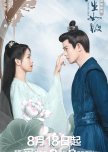
One and Only: A Love So Quiet, Yet So Endless.
It has been four years since I finished this drama, yet the pain it left behind still feels as raw as the day it ended. The wound that One and Only carved in my heart never healed — it still bleeds quietly whenever I think of them. I’ve seen many tragic love stories, but none have ever left an ache like this one. The emotions this drama gave me, the tears I shed for them, are unlike anything I’ve felt for any other story.💔 Plot & Setting
The drama tells the story of Zhou Sheng Chen, a young prince born with an unmatched, legendary bone structure — a rare beauty so perfect it inspires awe and fear alike.
And Cui Shi Yi, the only daughter of the noble Cui clan, was constrained by her birth and status, unable to make choices for her own life. Destined from childhood to become the Crown Prince’s wife.
Because of political alliances, Shi Yi is sent to Zhou Sheng Chen’s manor to learn and live under his tutelage. In the quiet moments of their shared life, they begin to love — the warrior and the noblewoman, destined by birth to different paths.
But fate is cruel: Zhou Sheng Chen is framed, condemned, tortured to death; Shi Yi, crushed by grief and unable to bear the world without him, ends her life in sorrow.
💔 Love, Silence & Sorrow
What I loved most about One and Only was the way their love was shown — subtle, restrained, yet endlessly deep.
Without confessions or physical closeness, their emotions spoke through their eyes, through silence, through the faint tremor in their voices. Every look they shared held love, longing, and pain.
The male lead, calm, gentle, and noble in his bearing, carried the quiet sorrow of a man bound by duty. The female lead, pure, elegant, and innocent, loved him with her entire heart — yet she, too, was trapped by her status.
Neither of them did anything wrong. Yet fate punished them cruelly — not for their actions, but for their bloodlines.
She, born into a noble family, was never free to choose her own path.
He, born into the imperial family, was a prince whose life was never his own.
From childhood, he lived under constant pressure — forced to leave the palace, to survive betrayal and hardship, to build his own army, to protect the very nation that would later doubt him. His unmatched grace and loyalty became the reason for others’ jealousy and fear.
Their love was forbidden from the start — a bond born pure, yet destroyed by power and duty.
They never defied fate openly, never rebelled — they simply loved, quietly, sincerely. And for that, they suffered.
💔 Final Thoughts
One and Only tells a story of two souls who were destined to meet but never meant to stay.
A story where love blooms not in freedom, but in restraint — where devotion shines even brighter because it could never be spoken aloud.
It shows that some loves are too pure for the world, too constrained by fate, yet their beauty, like Zhou Sheng Chen’s unmatched bones, is unforgettable. Even years later, the ache of this story lingers. Their love, though silenced, lives on in memory and heartache, eternal and unmatched. 🕊️
Blood River — A Gorgeous Mess in the Jianghu
🌟 Recommendation 🎬If you haven’t watched the earlier two dramas in the “Youth in Jianghu” series — Dashing Youth and The Blood of Youth — this one might actually feel easier to follow and more enjoyable for you. According to online threads, some viewers without the prior context are enjoying it more! 💬✨
But… if you’ve already seen the first two, like me 😩, your expectations will naturally be high — and that’s where the disappointment kicks in. The emotional layers and storytelling depth just don’t reach the same level.
My verdict: If you want it as a standalone wuxia action piece — sure, you could enjoy it. But if you were expecting it to live up to its predecessors in terms of story depth, emotional arc or character evolution… it falls short. 😕
🩸 Synopsis / Setting 🔍
The story takes us deep into the shadowy world of the Blood River, a secret assassin organization ruled by three powerful families — Su, Mu, and Xie. When the current patriarch is mysteriously poisoned ☠️, chaos erupts inside the clan as each family schemes to seize control.
Our main lead, Su Mu Yu (portrayed by Gong Jun), the sharp yet stoic leader of the Spider-Shadow Guard, finds himself trapped between loyalty, betrayal, and a deadly power struggle ⚔️💔.
📖 Story / Plot & Structure 🧩
Honestly, this is where the drama started to crumble for me 😩.
The early episodes feel scattered — you can tell something big is supposed to happen, but the path there is messy.😕. For the first five episodes, I was half-watching and half-skipping, hoping the story would finally settle.
The character motivations aren’t always clear 🌀. Some plot twists arrive suddenly, without proper buildup or emotional weight — like puzzle pieces forced to fit together.
If you love a drama with a solid structure — a clear hero’s journey, strong villains, and satisfying redemption arcs — this one might feel unfinished and confusing.
⚔️ On the brighter side, the action scenes and visuals do help to keep things alive! The fight choreography is fast-paced, stylish, and cinematic 🎥🔥.
💬 The drama is Fast-paced and lots of action scenes.
So if you watch it mainly for the visual spectacle and martial arts, you’ll enjoy it much more than if you’re chasing a tightly written story. 🎭✨
🎭 Acting & Characters 🌙
When it comes to acting, this drama honestly left me conflicted 😕.
🩶 Gong Jun as Su MuYu — I really wanted to see the same spark he had in Word of Honor, but here… he felt like a shadow of that. His expressions were too still, his emotions too restrained, and sometimes it was like he wasn’t fully “there.” 😔 For a character who’s supposed to be a sharp, dangerous assassin, he appeared surprisingly flat — almost like a walking statue. I truly believe this role didn’t let him show what he’s capable of.
💥 Chang Huasen as Su Changhe, though — what a pleasant surprise! His performance had energy, emotion, and depth. I could actually feel the fire in his character 🔥. He really brought life to the story, and compared to Mu Yu, he stood out much more. Fans online seem to agree that he’s the real standout of the drama 👏.
✨ As for the supporting cast, they were decent — some strong, some forgettable. But most of the praise goes to the visual side: the costumes, the makeup, the choreographed fights — all top-notch 🎬💫.
🎭 Overall: The acting quality feels uneven. The world looks beautiful, but the emotional weight doesn’t always land. If the performances had matched the visuals, Blood River could’ve been so much more impactful 💔.
🎬✨ Production / Visuals / Action ⚔️
Now here’s where Blood River truly shines — the production quality! 💥
From the very first episode, you can tell the team poured effort into the fight choreography. Every battle scene feels fluid, stylish, and dynamic — blades flashing, robes swirling, and camera angles making it all look larger than life ⚔️🔥. The action pacing is tight and intense, keeping you glued to the screen even when the story wavers.
💫 The costumes and makeup are another highlight. Each clan has its own distinct look — from the cold elegance of the Su family to the darker, more intimidating aura of the Mu family. The designs stay true to the classic wuxia aesthetic: layered robes, flowing sleeves, detailed embroidery, and subtle symbolism that fits the Jianghu world beautifully 👘✨.
🎥 The cinematography also deserves praise. Whether it’s misty mountains, candlelit halls, or moonlit duels — every frame feels atmospheric and cinematic 🌙. You can feel the effort that went into world-building, even if the plot doesn’t always hold up.
So if you’re watching this drama for the vibe — the look, the fighting, the music, the style — you’ll definitely enjoy it. It’s visually immersive and emotionally charged, even if the storytelling doesn’t quite reach that same level. 🌌
💔 My Emotional Take 💭
When Blood River was announced, I was genuinely thrilled 😍. I had waited for it for so long, expecting the same intensity and emotional richness as The Blood of Youth. But after finishing it… the excitement slowly turned into frustration.
At first, I was full of hype and hope 😀 — then, as the story stumbled, that excitement faded 😐 — I felt a bit empty and disappointed 😕. It’s like watching a beautiful painting that’s missing its soul.
Still, I wouldn’t call it a complete failure. The visuals, the atmosphere, and the second male lead’s performance give it moments of brilliance 🌟.
So yes — Blood River is good in pieces, but not great as a whole. It’s a visually polished wuxia drama that dazzles the eyes 👁️🗨️, yet leaves the heart wanting more 💔.
Family Court, Real Problems, and Quietly Powerful Moments
I just finished this drama, and honestly, it was way better than I expected. 🎉 The last two dramas I watched with the same male lead were disappointing, but this one? Even though it's not groundbreaking or a masterpiece, it's totally watchable. I'd even call it a hidden gem. 💎Ren Min and Gong Jun play the lead roles. The story follows Shen Xie Zhi, a young judge who works in the family court but loves criminal cases. 🧑⚖️ At first, he reluctantly starts in family court, but as he handles various cases, his perspective completely changes. Along with his colleagues and a lawyer named Qin Rui, they resolve complex social and family issues – parent-child conflicts, marital struggles, and more. The drama also shows the characters maturing and dealing with their own personal difficulties. 🌱
What Makes This Drama Different ⚖️
This drama focuses on court matters, social issues, emotional struggles, and ethics. I've watched many law-related dramas before – criminal cases, lawyers, you name it – but this is the first time I've seen a drama centered around judges, especially with the male lead as a judge. I really loved how the story flowed. The casting and acting were satisfying, and the best part? It's not a typical cliché drama. It handles serious cases with real emotional depth and maturity. 🫶
Why a Certain Line Stood Out to Me ❤️
Let me break down why one particular line from the male lead really hit me:
① "Are you still willing..." – This opening says so much. 🥺
Instead of a forceful or demanding confession, he places all the power in her hands. It's not about taking – it's about respecting her choice. That kind of respect feels rare and genuine.
② "...to be with me?" – The restraint makes it touching. 🖤
Shen Xie Zhi is usually calm, composed, and keeps people at arm's length. But in this scene, you see nervousness and sincerity. That contrast – a reserved person showing vulnerability – feels far more real than over-the-top romantic gestures. 💘
What makes this line powerful is its realism. ✅ It's not a fantasy confession. It's an adult, in a difficult situation, making a brave and genuine choice. You're not watching a fictional character – you're watching someone who feels like a real person you could actually fall for. 💯
More Thoughts on the Drama and Characters 🎭
Family court is quieter than criminal court, and daily-life dramas risk being boring. But this one avoids that with solid writing, directing, and acting. Here are a few moments that stood out to me:
① The fire rescue scene 🔥
After blocking a door, the injured male lead decides to reopen it to save others. It would have been easy for this moment to feel like a cliché hero moment, but here it felt believable. You genuinely trust that this character would make that choice, not for glory, but because it's right.
② Persuading elders and comforting a child 👵👴
The way the main characters handle sensitive conversations – with genuine respect and patience – really stood out. An elderly woman opens up about her painful past. An old man finally shares his love story. And the scene with young Yuan Bao? Genuinely moving. The warmth and care felt real, not forced.
③ Family interactions 🏠
Unlike the female lead's simpler background, the male lead comes from a wealthy, highly educated family – three generations of law, a mother who is a medical expert. That could have felt stiff or boring, but the family interactions felt natural: distance from the father, warmth toward the grandfather, lighter moments with the mother. Those small details made the character feel human.
Final Thoughts 🌟
Making a character in a daily-life drama feel both real and memorable is hard. But this drama succeeds. You believe in these people. You root for them. The show balances serious social issues with emotional growth, and it never feels preachy or fake.
Is it perfect? No. But it's sincere, well-acted, and refreshingly free of clichés. If you're tired of typical courtroom dramas and want something warmer and more grounded, this one is worth your time. 🫶💕


