




This review may contain spoilers
Some Stories Bleed Without Making a Sound
There was something almost hypnotic about Kill It from the beginning — not because of the violence or the sleek, noir-tinted world it painted, but because of the silence. The kind that lives between trigger pulls and half-meant glances. I expected something gritty and fast, but what I got was slower, more introspective — a story that kept folding in on itself, trying to show what’s left behind after the smoke clears.Jang Ki-yong’s Soo-hyun felt like a ghost wrapped in flesh. His stillness wasn’t cold; it was protective, like a person who’s spent so long being used as a weapon he forgot he had a pulse. There were moments when his restraint almost slipped into emotional flatness — but then he'd look at something, or someone, just a beat too long, and I’d feel the ache he couldn’t name.
And Nana? She brought Hyun-jin to life with this delicate contradiction — tough but tired, always walking the line between duty and intuition. Their relationship never turned melodramatic, which made it land even harder when it cracked open just a little. It was never about romantic fireworks. It was about two people trying to recognize themselves in a life that taught them not to look too closely.
Still, I can’t pretend it all worked. The show had a habit of cutting away from its own emotions — like it didn’t fully trust us to sit with the grief or the quiet horror of what these characters had endured. It rushed where it could’ve lingered. It leaned on its visuals when the performances had more to say. And a few of the narrative turns — particularly near the end — felt like sharp detours when what I wanted was a straight path to catharsis.
But in spite of that, the sadness stayed with me. The loneliness. That constant question humming beneath the action: What does a person become when their entire life has been shaped by violence — and can they ever come back from it?
Kill It didn’t answer that. But it asked it beautifully.
Was this review helpful to you?

This review may contain spoilers
Power Plays and Lukewarm Revenge
There was something immediately compelling about Kkondae Intern — that delicious setup where the underdog becomes the boss, and the man who once made his life hell is now his subordinate. I went in expecting catharsis, sharp satire, maybe even some earned pettiness. And to be fair, it flirted with all of that. But in the end, it never really committed to anything long enough for the impact to stick.Park Hae-jin grounded Ga-yeol-chan with this almost unbearable restraint — the kind of self-control that people mistake for politeness but is really just survival. I felt that. The way he kept his anger folded, measured, repackaged as efficiency. It’s a quiet kind of rage, and he played it well.
Kim Eung-soo as the out-of-touch intern was… a ride. He wobbled between absurdity and pathos in a way that sometimes worked and sometimes felt like a different show entirely. There were moments where I actually pitied him — which is wild, considering how loathsome his character was set up to be. But maybe that was the point. That revenge, in practice, is rarely as clean or satisfying as it looks in theory.
What didn’t work — or didn’t stay working — was the tone. It zigzagged between slapstick, sentimentality, and commentary without ever really stitching those threads together. One minute I was chuckling at office absurdities, the next I was supposed to feel emotionally gutted by generational guilt or the weight of corporate hypocrisy. And while some of those beats hit, most just bounced off.
There were definitely sparks — episodes or scenes where it felt like the show might finally lock into something deeper, something earned. But they flickered, then vanished under another gag, another tonal shift, another missed opportunity.
By the end, I didn’t feel cheated, but I did feel like I’d been circling something more meaningful that never quite landed. The potential was rich — so many chances to say something about power, forgiveness, change — but too much of it got buried under awkward laughs and mixed signals.
Not a waste. Just… undercooked. Like it plated a revenge fantasy and forgot to serve it hot.
Was this review helpful to you?
This review may contain spoilers
Contract, Chaos, and a Kind of Clumsy Magic
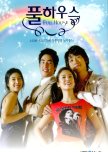
Rewatching Full House felt like flipping through an old diary — messy handwriting, too many exclamation marks, a little embarrassing, and yet… full of a strange kind of magic that still makes me smile. It’s easy now to pick at the flaws — the looped misunderstandings, the cartoonish slapstick, the moments that spin their wheels instead of evolving — but back then? It had me, completely.There’s something undeniable about Rain and Song Hye-kyo in this. Not just chemistry in the swoon-worthy sense, but in the kinetic sense — the kind that lives in eye-rolls, slammed doors, and accidental intimacy. They bicker like they’ve been annoying each other for decades, and somehow that makes the soft moments land even harder. You don’t get fireworks; you get two people slowly realizing that the home they’ve been pretending to share might actually feel more real than anything else outside it.
Rain was chaotic in a way that should’ve been exhausting but wasn’t — mostly because his version of Young-jae feels like a boy trying (and failing) to perform the man he thinks he’s supposed to be. Song Hye-kyo’s Ji-eun was sharp, warm, and occasionally so emotionally stubborn I wanted to shake her — but I believed her. I believed she’d still hold on, even when she shouldn’t, because sometimes people cling to the fantasy before they realize it’s real.
Sure, the emotional growth is a little stunted. The story loops back on itself so often, I could predict the next misunderstanding by the background music alone. And some scenes aged like milk. But weirdly? I didn’t mind as much as I thought I would. Because under the melodrama and pacing hiccups, there’s a real pulse — a story about two lonely people trying to figure out how to live inside a space neither of them asked for… and accidentally building a life together anyway.
It’s flawed. It’s repetitive. And still, it got to me. Not because it’s perfect, but because it’s sincere. Because even now, with all its messiness, Full House still knows how to make a fake marriage feel like a real memory.
Was this review helpful to you?

This review may contain spoilers
All the Right Ingredients, None of the Bite
I wanted Blood Free to get under my skin. The setup was everything I crave in near-future thrillers: biotech reimagining nature, moral rot hidden under sleek corporate branding, a CEO walking the razor’s edge of power, and a bodyguard with secrets deeper than any contract. It felt sharp on paper. But watching it unfold was like tasting something beautifully plated that somehow lacked seasoning.Han Hyo-joo gave her CEO character an icy, unreachable gravity that felt right for someone who’s built an empire out of disrupting the natural order. Ju Ji-hoon as her bodyguard carried the weary calculation of someone with nothing left to protect except the person paying him to stay alive. They had presence, both of them, but little emotional tether between them. Every interaction felt carefully crafted, but not felt.
The world itself looked incredible — sleek, cold, minimalistic dystopia rendered with clean production design that hinted at deeper unease. The pacing never dragged; it moved with clinical precision, each twist slotting into place efficiently. But somewhere along the way, it forgot to breathe. Forgot to let any of its big ideas settle into the bones.
It gestured at everything: the ethics of playing god with food, the blurred lines between protection and betrayal, the cost of disrupting nature for profit. But those ideas never anchored themselves in character choices. They hovered, intriguing but weightless.
What I wanted was tension that tightened around my chest until breathing felt like risk. What I got was intellectual curiosity, scenes unfolding like lab results: interesting to observe, but impossible to touch. It wasn’t bad. It just left me unmoved.
Blood Free promised danger, moral rot, sacrifice, and humanity at its most engineered. But it never quite delivered on that promise. I watched it to the end, engaged but distant, and when the credits rolled, I closed it without any lingering taste.
Sometimes a drama fails because it missteps. This one failed because it never stepped deeply enough.
Was this review helpful to you?

This review may contain spoilers
The Kind of Future You Taste Before You’re Ready to Swallow It
From the outset, Kiss Sixth Sense sounded like it was built purely for high-concept rom-com chaos — kiss someone, see your future with them. But instead of leaning only into quirk, it reached for something darker and more unsettling. And that shift is what kept me locked in.It wasn’t about fate in the dreamy, predestined sense. It was about the fear of wanting something so badly that it becomes terrifying. Seo Ji-hye carried that fear beautifully. Her character moved through every episode with a restraint that felt less like self-control and more like self-preservation. Each moment she didn’t reach out said more than any dramatic confession could have.
And then there was Yoon Kye-sang. He could’ve played the cold, exacting boss with surface-level arrogance, but instead, every clipped command felt like armor. Every small flicker of vulnerability slipped through in ways that made his character feel almost painfully human. Watching his defenses drop, piece by piece, didn’t feel convenient for plot. It felt earned. Necessary, even.
Their dynamic wasn’t clean or comfortable. It was messy in a way that felt real — two people colliding, unsure if what they’re creating together is healing or destruction. There were moments where I didn’t even know if I wanted them to end up together, because the show made it clear that love isn’t always gentle. Sometimes it’s the catalyst for unraveling everything you’ve carefully built to keep yourself safe.
Not every choice landed. The tone wobbled between rom-com beats and deeper emotional intensity, and a few pacing stumbles toward the end dulled what could’ve been sharper narrative turns. But even in those missteps, the emotional thread never snapped.
What lingered wasn’t the sci-fi premise or the romantic tropes. It was the question it asked quietly in every scene: If you saw a future that terrified you but also made you feel more alive than you’ve ever been, would you still walk toward it?
I still don’t know the answer. And there’s something honest in that uncertainty that I can’t stop thinking about.
Was this review helpful to you?

This review may contain spoilers
What We Keep, Even When the Past Lets Go
I didn’t expect to be moved like this. Go Ahead holds a permanent place in my heart, and the idea of a remake — especially one condensed into 16 episodes — made me wary. It’s hard not to go in comparing every beat, bracing for what might get lost in translation. But Family by Choice didn’t try to copy the original’s soul. It found its own.There’s something incredibly disarming about the way this version told its story — stripped down, yes, but still rich in emotional texture. The pacing was tighter, which meant some arcs didn’t get the space they might’ve deserved, but the heart? It never felt rushed. Every interaction between San-ha, Ju-won, and Hae-jun held weight. Nothing grand. Just steady, lived-in connection that grew deeper with each episode.
Hwang In-youp’s San-ha in particular stayed with me. His vulnerability wasn’t loud or dramatic — it was quiet, often unspoken, the kind that lingers behind the eyes and between words. He carried the burden of abandonment like someone used to holding back, not because he doesn’t feel, but because he never learned how to share the feeling. Watching him learn — slowly, haltingly — how to let others in, felt like watching healing in real time.
And that’s the thing — this version didn’t just explore pain. It understood what it means to carry it. To try and outrun it. To find people who sit beside it with you, without asking for it to be explained. That’s what hit hardest: not the grand reconciliations or sweeping emotional turns, but the small, often invisible acts of choosing each other. Again and again.
There were moments that felt compressed. Stories that could’ve unfolded with more breath. But even in its constraints, the show gave space for grace — for messiness, for forgiveness, for the quiet ache of growing up with emotional bruises you can’t name until someone else points to them gently and says, I see that too.
I’ll always love Go Ahead — that version was sprawling, slower, full of long silences and unresolved threads that mirrored real life. But Family by Choice brought something else: clarity. A sharper lens on the same emotional truths, reframed but no less powerful.
It reminded me that family isn’t defined by blood or even time. It’s shaped by presence. By choice. By the people who don’t flinch when things get hard, who stay when it would be easier to leave.
This story didn’t just echo the original — it stood beside it, shoulder to shoulder. And it earned its place.
Was this review helpful to you?

This review may contain spoilers
Aesthetic Without Pulse
This one had all the right ingredients. The premise was sharp — social media as performance, identity as branding, connection filtered through curated feeds. I wanted it to cut deep. I wanted it to say something uncomfortable and honest about the way we shape ourselves for the scroll. And for a second, it felt like it might.But 29gram never quite got there.
It danced around big ideas — digital loneliness, the pressure to perform happiness, the blur between online envy and offline emptiness — but instead of digging in, it skimmed. The characters felt more like avatars than people, each representing something rather than embodying it. I kept waiting for one of them to break out of the mold, to say or do something that cracked the surface. But no one did.
The performances weren’t bad, just oddly hollow. Every emotional beat felt like it had quotation marks around it — “this is jealousy,” “this is despair,” “this is a breakdown” — and that lack of texture made it hard to connect. Even the moments that clearly wanted to land with weight pulled back too quickly or collapsed under awkward dialogue.
There were hints of something real underneath — scenes where a glance or hesitation suggested more than the script allowed. But those flashes never had the space to breathe. It kept shifting tones, unsure if it wanted to be a critique, a tragedy, or just a stylized mood piece. And in trying to be all three, it didn’t land as any.
I didn’t hate it. But I didn’t feel much at all.
By the end, I wasn’t frustrated — just numb. Like I’d been shown a gallery of glossy images without the stories behind them. Maybe that was the point. But if it was, it didn’t trust me enough to feel it without being told. It had the look, but not the weight.
Whatever it meant to be, it didn’t arrive.
Was this review helpful to you?

This review may contain spoilers
Hope Was the Weapon, and They Turned It on Us
I held on. Even when the pacing slipped, even when the focus scattered, I stayed because I believed the pain would shape into something — not comfort, not survival, but meaning. Duty After School: Part 1 had earned that trust. It tore me open, but it did it with care. So I walked into Part 2 already bracing for more heartbreak, but never expecting to feel betrayed.The first stretch of Part 2 held onto the tension, that ever-present anxiety of youth thrown into war. The emotional threads were still there — frayed, but intact. These weren’t just characters anymore; they were kids I had cried for, hoped for. And they were still fighting, still believing they had something left to return to.
But the final 15 minutes… undid it all.
It wasn’t the death that broke me. It was the casualness of it. The narrative detachment. The way it stripped away everything those kids had earned — every inch of growth, every fragile act of resilience — and replaced it with cruelty that didn’t illuminate anything, just flattened what had once felt so alive. I didn’t feel devastated. I felt discarded.
The worst part is I kept waiting for a reason. A thread to tie it back to the questions the first part had asked: What does survival cost? What does innocence mean in a war no one chose? But nothing came. Just silence. Just emptiness. Like the show had run out of compassion and decided indifference was more profound.
It wasn’t that it ended dark. It’s that it ended carelessly.
I’m still sitting with the grief. But now it’s tangled with something else — frustration, betrayal, a sense of emotional whiplash. These kids survived the unthinkable, and in the end, it wasn’t the aliens or the war that took them. It was narrative cruelty.
I’ll never forget them. Not because of how beautifully their story was told — but because of how suddenly it stopped caring. And that’s not the kind of legacy they deserved.
Was this review helpful to you?

This review may contain spoilers
Bruised Hearts, Bloody Knuckles, and a Love That Refused to Heal
This one left me heavy. Not in the poetic, wistful way — in the way that sits in your chest like smoke. A Love to Kill didn’t offer comfort or clarity. It just hurt. And somehow, I couldn’t look away.Rain as Kang Bok-gu felt like watching a man constantly in motion, trying to outrun his own grief and rage. Every scene with him carried this low-simmering violence — not just the physical kind, but the emotional kind that comes from loving someone you think you’re not allowed to love. He was all jagged edges and broken resolve, and Rain didn’t soften any of it. There was no romanticizing. Just a man drowning slowly while pretending he could fight his way to the surface.
Shin Min-a’s Eun-suk didn’t play the usual damsel in distress, either. She was cold at times, distant, bruised in a way that wasn’t always visible. But when the two of them were together — even in silence — something shifted. Their chemistry wasn’t about sweetness. It was about longing laced with guilt. Something so wrong it couldn’t help but feel honest.
The plot wandered, I won’t lie. Some parts lost momentum, and the melodrama occasionally pushed too hard, like the show didn’t quite trust the audience to already feel what the characters were barely holding together. But the emotional core stayed intact — bruised, bloodied, relentless. It was messy in all the ways real pain tends to be.
And then the ending. I saw it coming, but that didn’t make it easier. It wasn’t shocking. It was inevitable. And that made it worse. It hit like a gut-punch wrapped in resignation. The kind of ending that doesn’t ask for tears — it just takes them.
This isn’t the kind of drama I’d revisit casually. It asks too much. It lingers too long. But there’s something about how unflinchingly it dives into obsession, guilt, and the kind of love that doesn’t save but consumes — that stays.
It didn’t leave me with hope. It left me with silence. And sometimes, that’s the more honest ending.
Was this review helpful to you?
This review may contain spoilers
Where the Silence Heals First
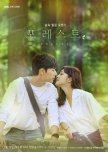
This wasn’t a drama I expected to carry with me. I didn’t press play looking for something profound. But somewhere between the slow turns of the story and the hush of trees swaying just out of frame, Forest settled into me. Not as a revelation — more like a whisper that lingered.The plot itself wasn’t groundbreaking. A man running from something buried, a woman trying to piece herself back together, both dropped into the stillness of the woods like two puzzle pieces that almost don’t fit — until they do. But it wasn’t the mystery that pulled me in, and not even the romance. It was the quiet. The way the show held its breath and asked its characters to listen — not to each other at first, but to themselves.
Park Hae-jin played Kang San-hyuk with this kind of stubborn restraint — someone who doesn’t know how to soften but is clearly desperate to. And Jo Bo-ah’s Jung Young-jae brought a grounded warmth, even when the script pushed her into polished, familiar beats. Together, they weren’t electric, and that’s what worked. Their chemistry felt slow, tentative, like people trying not to get burned again. It didn’t need sparks. It needed time.
What stayed with me most wasn’t dialogue or plot twists — it was the in-between. The walks. The silence. The way the forest itself felt like a third character — not pushing anything forward, just offering a space where everything else could pause. I didn’t even realize how much I craved that until it was there.
Yes, some parts dragged. There were moments that tried to force emotion where the quieter beats had already done enough. But that didn’t undo what the show offered me — that quiet ache of watching people learn how to breathe again. Not through grand epiphanies, but through stillness. Through presence.
It didn’t shout. It didn’t shake me. But it reached something I didn’t know needed touching. And when it ended, I didn’t feel thrilled or devastated. I just felt… softer. And in a world that rarely gives space for that kind of healing, that’s more than enough.
Was this review helpful to you?

The Uncanny Counter Season 2: Counter Punch
0 people found this review helpful
This review may contain spoilers
New Threats, Old Wounds, and the Weight of Power
Coming back to The Uncanny Counter felt less like jumping into a sequel and more like walking back into a story that never really stopped breathing. The noodle shop still buzzes. The team’s still scarred but standing. And the stakes? Sharper, more personal, and far less predictable.What worked right out of the gate was the chemistry — that familiar dynamic between the original Counters hadn’t dulled in the slightest. If anything, it felt even more grounded. These weren’t shiny, overpowered superheroes now; they were veterans. Worn down, wiser, but still clinging to the same stubborn drive to protect. Watching them back in action, side by side, was like seeing a band reunite — a little older, a little bruised, but playing tighter than ever.
And then came Ma Ju-seok.
Yoo In-soo’s arc as Ju-seok turned out to be the emotional engine of the season. It was less about good vs. evil this time, and more about grief curdling into something darker — how tragedy doesn’t always create monsters, but sometimes reveals the rawest parts of what’s already inside. His descent was painful to watch, not because it was shocking, but because it was understandable. The show didn’t paint him with broad villain strokes. It let him unravel, slowly, heartbreakingly, until the line between victim and threat started to blur.
The action sequences? Still kinetic and satisfying, maybe even more polished this time around. There’s a sleek brutality to how the fights are staged now — more controlled, more deliberate. Less flailing rage, more surgical takedown. But the show never loses its emotional thread in the noise. There’s always a beat — a glance, a hesitation, a scream held too long — that reminds everything unfolding has weight.
That said, there were moments where the pace clipped along a little too quickly. Certain plot developments felt like they deserved more time to land. Some new characters were compelling but didn’t get quite enough space to bloom. The villains, while intimidating, lacked the eerie, soul-curdling presence of the first season’s darkest antagonists. But the heart of the story — the struggle to hold onto humanity while wielding power meant to destroy — stayed intact.
What struck hardest was how much this season leaned into moral ambiguity. The Counters aren't invincible. They're not always right. They make messy choices, they react from pain, and sometimes they fail. But that’s what makes the show hit differently. There’s no neat justice here — just people trying to hold the line between right and wrong when everything around them is shaking.
By the end, the door’s clearly cracked open for more. And while this season wrapped its arc with real satisfaction, there’s still that itch — the sense that these characters have more story left to tell. Not just more battles, but more growth, more reckoning, more chances to heal.
Counter Punch didn’t just follow up the original — it expanded the world, raised the stakes, and darkened the emotional palette without losing the warmth that made the first season shine. Not quite flawless, but close enough to make that next chapter feel not just welcome, but necessary.
Was this review helpful to you?
This review may contain spoilers
Pretty, punchy, and strangely hollow.
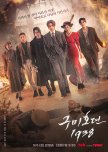
Coming off the emotional gravity of the original Tale of the Nine-Tailed, this one felt like a reunion that looked right on paper but didn’t quite land in the heart. I went in with soft expectations — just a hope, really, that the bond between Yeon and Rang might be explored again with that same raw, aching tenderness. But this wasn’t that kind of show. This was louder, faster, glossier — a polished spectacle trying to recreate magic by turning up the volume.And sure, it was fun in moments. Time travel, new characters, chaotic brawls in vintage suits — there’s no denying 1938 was swinging big. Lee Dong-wook still wore Yeon like a well-cut coat: smooth, stoic, and self-aware. He knows this role, and he knows how to give it enough gravity that it doesn’t float off into camp, even when the plot veers close. But even he couldn’t summon the emotional resonance of the original season — because the writing didn’t go looking for it.
The Yeon-Rang dynamic, which in the first season was this thread of complicated brotherhood you felt even in the silences, here felt like a nod to a past connection more than something actively unfolding. Kim Bum showed up with the same sharp charisma, but without that soul-deep grief driving his actions, Rang became more of a sidekick than a wound. That emotional rawness was missing — replaced with quips and fight choreography.
And look, I get it — prequels are tricky. You’re working backward from resolution, trying to carve tension out of a story where you already know the ending. But the emotional stakes in 1938 felt… manufactured. Almost like the show knew it needed something to fill the space left by the original’s quiet devastation, and it filled it with noise. Stylish, well-produced noise, but noise all the same.
The humor was hit-or-miss. Sometimes it landed with a wink. Other times, it barged into scenes that could’ve had weight and deflated them before they had a chance to breathe. It often felt like the show didn’t trust its own audience to sit in a feeling for more than ten seconds.
What hurts most is that there was potential. The time period offered a new lens, the cast had solid chemistry, and the cinematography — clean, rich, confident — did the heavy lifting when the script sagged. But without the emotional ache, without the stillness and sincerity that made the first season so unexpectedly moving, this installment felt more like a fanservice loop than a continuation of something meaningful.
I didn’t hate it. But I didn’t carry it with me either. It showed up dressed to impress, full of tricks and flourishes — but it never really said anything new. And for a story built around ancient spirits and timeless bonds, that silence said more than it meant to.
Was this review helpful to you?

This review may contain spoilers
Some seeds grow. Some just sit in the dirt, humming old rock songs.
Modern Farmer had me at the pitch—a rock band ditching amps for agriculture? That’s the kind of absurdity I live for. There was such a weird, wonderful promise in that setup: four guys, big dreams, bigger egos, suddenly wrestling with chickens, turnips, and small-town politics. You could almost hear the offbeat charm bubbling beneath the surface. And for a while, it sort of worked. Sort of.Let’s be real: the chemistry among the cast was the glue here. If not for them, I might’ve bailed by episode six. There’s a scrappy energy to the bandmates that feels genuine, like they’ve actually shared bad motel rooms and gas station ramen. Their bond wasn’t always written well, but it was felt—like watching real friends try to plow a field with nothing but optimism and a shovel made of duct tape. It’s goofy, chaotic, sometimes endearing.
But here’s the rub: while the characters had heart, the storytelling kept tripping over its own feet. The humor too often went for the obvious joke, like the writers were afraid to trust the weirder, more nuanced tone this show clearly could’ve nailed. There were entire chunks of plot that felt like they’d been copy-pasted from other dramas: love triangles drawn in crayon, village politics with all the subtlety of a pie in the face. And the pacing? Rough. There were episodes that felt like filler stitched together with chicken wire and wishful thinking.
And yet. And yet—there were flashes. Scenes that snuck up and actually made me feel something. A shared meal that lingered. A quiet moment in the fields where the city-boy chaos gave way to something still and real. Every now and then, the show tapped into that gentle theme of escape—not running away, but finding something honest in the dirt. Those moments were rare, but when they hit, they made me wish the whole show had leaned into that quieter, messier soul.
I didn’t hate it. But I was frustrated, often. Watching Modern Farmer was like seeing a band with real talent who keeps picking the wrong setlist. You know they can do better, and you stick around, hoping the next song is the one. Sometimes it is. Most of the time, you’re just watching them tune their instruments.
It’s not a total flop. Just a show that never quite found its harmony. I don’t regret the watch—but I won’t be singing its praises either.
Was this review helpful to you?
This review may contain spoilers
This isn't revenge. It’s the long echo of everything that was stolen and never returned.
I didn’t expect Mercy for None to hit me the way it did. I went in thinking I’d get a gritty, stylish revenge drama — and sure, it is that. But somewhere between the first quiet shot and the last brutal frame, it became something else entirely. Something colder. Heavier. Closer to grief than glory.This story isn’t loud. It’s not trying to be clever or twisty or cool. It just unfolds, like a scar being slowly revealed. It starts with a death — a brother gone — and from that moment on, everything moves like it’s been dragged through mud and blood and regret. There’s no urgency to it, and that’s part of what made it feel so real. I wasn’t watching a man take revenge. I was watching someone mourn in the only language he had left: violence.
And the way it’s filmed — god, it’s cold. Not flashy-cold. Not neon-noir. Just... empty rooms, silent streets, scenes where it feels like the warmth’s been bled out of the world entirely. The cinematography doesn’t ask you to feel anything. It just leaves you there, in the middle of something that already fell apart.
What got under my skin wasn’t the violence. It was how quiet the pain was. How the show never asked me to sympathize or forgive or root for anyone. It just let the characters carry their damage, and either you saw it — or you didn’t. There were scenes where I caught myself holding my breath. Not because I was scared, but because I didn’t want to interrupt what was happening. Like I was intruding on something private.
There’s this moment — no spoilers, but it’s just a man sitting alone, holding a photo he doesn’t want to look at. Nothing happens. No music, no flashback. And somehow, that hit me harder than all the fight scenes combined. Because that’s what this show understands. That real grief doesn’t announce itself. It just sits with you, until you either pick it up or walk away.
I didn’t walk away. I stayed. And by the end, I felt... not broken, exactly. But like I’d seen something I wasn’t supposed to see. Something true.
It’s not perfect. There were moments where the story wandered, or where I felt the show leaning a little too hard on its own cool factor. But none of that really stuck with me. What did stick was the feeling. That quiet, unbearable ache of watching someone destroy everything around them — not because they want to, but because they don’t know what else to do with their pain.
Mercy for None didn’t just entertain me. It sat with me. In the quiet. In the dark. And it asked me to feel something I wasn’t sure I wanted to feel.
I did. And I won’t forget it.
Was this review helpful to you?
This review may contain spoilers
Not Just Healing Patients, But Healing Hearts That Forgot How to Care
Some dramas are built to impress — Good Doctor is built to matter. It’s not flashy, not revolutionary in plot mechanics, but it cuts through the noise with something far rarer: unflinching sincerity. I went in expecting an underdog story, maybe some tearjerker moments tucked between hospital politics, but what I got was so much more layered — a story about quiet perseverance in a world that doesn’t make space for the ones who move differently.Park Si-on could have so easily been written as a stereotype — a checklist of “quirky genius” or “inspirational neurodivergent character” tropes. But Good Doctor didn’t take that lazy road. Joo Won gave Si-on life, not as a saint, not as a caricature, but as a person. Awkward, brilliant, heartbreakingly earnest. I found myself holding my breath, not for the dramatic surgeries or the classic medical cliffhangers, but simply for him to make it through another conversation without being crushed by the people around him.
And the show doesn’t flinch from that cruelty. It shows the casual dismissals, the ugly prejudice, the way people — even well-meaning ones — reduce others to labels. But it doesn’t wallow either. It shows resistance. It shows uncomfortable growth. It lets people be jerks, and then lets them learn. That’s what stayed with me — the honesty in the way relationships evolved. Colleagues didn’t magically accept Si-on overnight. They stumbled, doubted, some stayed stuck, others transformed. Watching those walls come down, slowly and imperfectly, was far more powerful than any big romantic payoff.
The medical cases — yes, they sometimes followed the typical “one-episode patient of the week” rhythm — but they always felt like a mirror to the central theme: healing isn’t just about fixing a body. It’s about seeing the person behind the diagnosis. And in a world obsessed with competence and efficiency, Si-on’s story cracked that open in the rawest way. Every time he got to prove he belonged, it wasn’t just his victory — it was a quiet indictment of every system that sidelines people for not fitting the mold.
The drama wasn’t saccharine. It didn’t romanticize the struggle. It gave space for awkwardness, for frustration, for real change. The supporting cast, from hospital seniors to fellow residents, weren’t just there for scenery — they each reflected a different angle of how society reacts to difference. Some failed. Some adapted. And all of it felt earned.
By the end, I wasn’t just rooting for Si-on to become a good doctor. I was rooting for every person in that hospital to become better humans. This wasn’t just about professional growth, but emotional evolution — the radical, uncomfortable act of expanding your capacity for empathy.
It didn’t just make me feel good. It made me think harder about the quiet battles people fight every day just to be seen and accepted. Good Doctor didn’t lecture. It just showed, with heart, with grit, and with a kind of humanity that’s far too rare on screen.
Was this review helpful to you?


