
 Editorials

 3
3 1
1 1
1 1
1


This review may contain spoilers
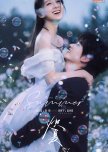
Never‑Ending Summer (2026) — Review
From the moment I finished the final episode of Never-Ending Summer, I knew this drama would linger with me long after the credits rolled. Adapted from Tian Cu Yu’s web novel Zhui Luo, this 29 episode series directed by Hsu Chao Jen delivers a heartfelt exploration of love, regret, resilience, and redemption that feels both intimately personal and universally resonant. I went in expecting a standard youth romance with a time-skip twist, but what I encountered was a profoundly character driven story that earns its emotional weight through nuanced performances and thoughtful writing. It is, without hesitation, a 10/10 for me.
Zhou Wan, portrayed with remarkable depth by Bao Shang’en. Zhou Wan is not your typical flawless heroine; she is resilient yet burdened, intelligent yet flawed by desperation. As a top student facing her grandmother’s life threatening illness and the abandonment by her mother, she makes a calculated decision to approach Lu Xi Xiao. What begins as a strategic move born of necessity evolves into something far more complex.
Bao Shang’en captures the quiet strength and internal conflict of this young woman beautifully. Her expressions convey layers of guilt, longing, and determination that words alone cannot. You feel her isolation, her fierce protectiveness over her grandmother, and the weight of every moral compromise she navigates. In the later timeline, her growth into a capable professional who still carries the scars of youth is portrayed with subtlety and grace watching her confront her past self while refusing to be defined by it is deeply moving.
Opposite her, Daniel Zhou embodies Lu Xi Xiao with a magnetic intensity that perfectly suits the rebellious, wounded heir. Lu Xi Xiao is the quintessential bad boy with a golden heart, but the performance elevates him beyond trope. He is arrogant, fiercely independent, and initially guarded, yet Daniel infuses him with vulnerability that makes his affection for Zhou Wan feel earned and authentic.
Daniel’s portrayal shines in the subtle shifts: the way Lu Xi Xiao’s sharp gaze softens during quiet summer evenings, revealing a young man starved for genuine connection beneath his defiant exterior. We witness his internal battle as he recognizes Zhou Wan’s calculated approach yet chooses to trust her anyway, drawn by her quiet strength.
His protective instincts surface in small, meaningful gestures helping her navigate family pressures or encouraging her dreams while his own artistic passions and strained family ties add rich layers. In the ten year reunion, Daniel masterfully conveys lingering hurt through restrained anger and reluctant tenderness, making Lu Xi Xiao’s gradual thawing feel profoundly real. This depth transforms him into a fully realized character whose growth mirrors the story’s themes of forgiveness and enduring love.
Ten years later, the reunion is charged with unresolved pain. His initial coldness and deliberate difficulties toward her stem not from hatred but from a love he never fully extinguished. The way he gradually lowers his defenses while they collaborate on uncovering truths about a past factory accident adds layers of tension and tenderness. Daniel’s micro expressions and physical presence make Lu Xi Xiao’s emotional journey compelling his quiet realizations and protective instincts shine through even in moments of conflict.
The chemistry between Bao Shang’en and Daniel Zhou is electric and believable. Their early interactions crackle with uncertainty and budding attraction, while the post time skip dynamic is laced with bittersweet familiarity. Height difference, lingering glances, and shared history make every scene between them feel lived in. Whether they are navigating youthful summers filled with small acts of mutual support or confronting workplace challenges and lingering misunderstandings, their connection drives the narrative. The drama excels at showing how love can persist through separation, how misunderstandings rooted in protective lies can fracture even the strongest bonds, and how truth seeking can pave the way back.
What sets Never-Ending Summer apart is its refusal to shy away from emotional complexity. The youthful phase beautifully captures the idealism and fragility of first love. We see Zhou Wan and Lu Xi Xiao supporting each other through family pressures, personal setbacks, and the harsh intrusion of adult realities. Their bond strengthens through shared hardships, but the world intervenes with painful misunderstandings that feel organic rather than contrived. Without revealing too much, certain revelations around family secrets and sacrifices hit hard, forcing both characters to grapple with guilt and forgiveness. These moments elevate the story from simple romance to a meditation on growth and second chances.
In the present timeline, the workplace setting introduces fresh stakes. Their collaboration on the factory accident investigation allows for meaningful character development. Lu Xi Xiao’s evolution from vengeful to understanding, and Zhou Wan’s quiet courage in facing both professional and personal demons, are portrayed with care. The supporting cast adds texture friends like Gu Meng and Jiang Fan provide levity and perspective, while family members represent the complicated ties that shape our leads. Not every side character is deeply fleshed out, but they serve the central relationship effectively.
Visually, the drama is a treat. Warm, sun drenched cinematography in the summer sequences evokes nostalgia and fleeting happiness, contrasting effectively with the cooler, more restrained tones of the later years. The OST complements the mood perfectly, with tracks that underscore tender moments and angsty turning points without overpowering the performances.
Some may critique occasional plot conveniences or pacing in the expanded adaptation from the novel, but for me, these never detracted from the emotional core. The focus remains steadfastly on Zhou Wan and Lu Xi Xiao’s inner worlds their fears, growth, and unwavering pull toward one another. This character focus makes the drama feel intimate and true. It reminded me why stories of youthful passion meeting adult realities can be so powerful: they mirror our own experiences of love lost and, sometimes, rediscovered.
Never-Ending Summer left me with a profound appreciation for its leads’ journeys. Zhou Wan’s quiet determination and Lu Xi Xiao’s fierce loyalty create a romance that feels authentic in its imperfections. The drama doesn’t promise perfection; it shows healing, forgiveness, and the courage to choose love again despite past wounds. For anyone seeking a story rich in emotional depth, stellar acting, and a romance that lingers, this is essential viewing. It perfectly captures why some summers and some loves never truly end.
I HIGHLY RECOMMENDED!
Zhou Wan, portrayed with remarkable depth by Bao Shang’en. Zhou Wan is not your typical flawless heroine; she is resilient yet burdened, intelligent yet flawed by desperation. As a top student facing her grandmother’s life threatening illness and the abandonment by her mother, she makes a calculated decision to approach Lu Xi Xiao. What begins as a strategic move born of necessity evolves into something far more complex.
Bao Shang’en captures the quiet strength and internal conflict of this young woman beautifully. Her expressions convey layers of guilt, longing, and determination that words alone cannot. You feel her isolation, her fierce protectiveness over her grandmother, and the weight of every moral compromise she navigates. In the later timeline, her growth into a capable professional who still carries the scars of youth is portrayed with subtlety and grace watching her confront her past self while refusing to be defined by it is deeply moving.
Opposite her, Daniel Zhou embodies Lu Xi Xiao with a magnetic intensity that perfectly suits the rebellious, wounded heir. Lu Xi Xiao is the quintessential bad boy with a golden heart, but the performance elevates him beyond trope. He is arrogant, fiercely independent, and initially guarded, yet Daniel infuses him with vulnerability that makes his affection for Zhou Wan feel earned and authentic.
Daniel’s portrayal shines in the subtle shifts: the way Lu Xi Xiao’s sharp gaze softens during quiet summer evenings, revealing a young man starved for genuine connection beneath his defiant exterior. We witness his internal battle as he recognizes Zhou Wan’s calculated approach yet chooses to trust her anyway, drawn by her quiet strength.
His protective instincts surface in small, meaningful gestures helping her navigate family pressures or encouraging her dreams while his own artistic passions and strained family ties add rich layers. In the ten year reunion, Daniel masterfully conveys lingering hurt through restrained anger and reluctant tenderness, making Lu Xi Xiao’s gradual thawing feel profoundly real. This depth transforms him into a fully realized character whose growth mirrors the story’s themes of forgiveness and enduring love.
Ten years later, the reunion is charged with unresolved pain. His initial coldness and deliberate difficulties toward her stem not from hatred but from a love he never fully extinguished. The way he gradually lowers his defenses while they collaborate on uncovering truths about a past factory accident adds layers of tension and tenderness. Daniel’s micro expressions and physical presence make Lu Xi Xiao’s emotional journey compelling his quiet realizations and protective instincts shine through even in moments of conflict.
The chemistry between Bao Shang’en and Daniel Zhou is electric and believable. Their early interactions crackle with uncertainty and budding attraction, while the post time skip dynamic is laced with bittersweet familiarity. Height difference, lingering glances, and shared history make every scene between them feel lived in. Whether they are navigating youthful summers filled with small acts of mutual support or confronting workplace challenges and lingering misunderstandings, their connection drives the narrative. The drama excels at showing how love can persist through separation, how misunderstandings rooted in protective lies can fracture even the strongest bonds, and how truth seeking can pave the way back.
What sets Never-Ending Summer apart is its refusal to shy away from emotional complexity. The youthful phase beautifully captures the idealism and fragility of first love. We see Zhou Wan and Lu Xi Xiao supporting each other through family pressures, personal setbacks, and the harsh intrusion of adult realities. Their bond strengthens through shared hardships, but the world intervenes with painful misunderstandings that feel organic rather than contrived. Without revealing too much, certain revelations around family secrets and sacrifices hit hard, forcing both characters to grapple with guilt and forgiveness. These moments elevate the story from simple romance to a meditation on growth and second chances.
In the present timeline, the workplace setting introduces fresh stakes. Their collaboration on the factory accident investigation allows for meaningful character development. Lu Xi Xiao’s evolution from vengeful to understanding, and Zhou Wan’s quiet courage in facing both professional and personal demons, are portrayed with care. The supporting cast adds texture friends like Gu Meng and Jiang Fan provide levity and perspective, while family members represent the complicated ties that shape our leads. Not every side character is deeply fleshed out, but they serve the central relationship effectively.
Visually, the drama is a treat. Warm, sun drenched cinematography in the summer sequences evokes nostalgia and fleeting happiness, contrasting effectively with the cooler, more restrained tones of the later years. The OST complements the mood perfectly, with tracks that underscore tender moments and angsty turning points without overpowering the performances.
Some may critique occasional plot conveniences or pacing in the expanded adaptation from the novel, but for me, these never detracted from the emotional core. The focus remains steadfastly on Zhou Wan and Lu Xi Xiao’s inner worlds their fears, growth, and unwavering pull toward one another. This character focus makes the drama feel intimate and true. It reminded me why stories of youthful passion meeting adult realities can be so powerful: they mirror our own experiences of love lost and, sometimes, rediscovered.
Never-Ending Summer left me with a profound appreciation for its leads’ journeys. Zhou Wan’s quiet determination and Lu Xi Xiao’s fierce loyalty create a romance that feels authentic in its imperfections. The drama doesn’t promise perfection; it shows healing, forgiveness, and the courage to choose love again despite past wounds. For anyone seeking a story rich in emotional depth, stellar acting, and a romance that lingers, this is essential viewing. It perfectly captures why some summers and some loves never truly end.
I HIGHLY RECOMMENDED!
Was this review helpful to you?


