


 21
21 39
39 8
8 1
1 1
1 1
1 1
1 1
1 6
6 2
2 3
3 1
1 1
1 1
1 3
3 1
1 3
3


A Cinderella Story with Ledgers, Love, and War
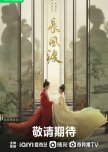
Destined begins as a marriage born from misunderstanding, but slowly unfolds into a story about growth, partnership, and finding warmth in the most unexpected places. While the drama stumbles in its political ambitions, its emotional core and character relationships make it a rewarding watch.
Liu Yu Ru is the legitimate daughter of a once-prosperous cloth merchant, yet her life is anything but comfortable. Trapped in a household that treats her and her mother as burdens rather than family, she survives through quiet endurance. A single misunderstanding alters her fate when she is suddenly married off to Gu Jiu Si, the infamous, pleasure-seeking son of Yangzhou’s wealthiest family, known more for indulgence than responsibility. Their marriage begins on shaky ground. Gu Jiu Si assumes Liu Yu Ru is calculating, while Liu Yu Ru braces herself for yet another life defined by patience and restraint. However, upon entering the Gu household, she is met not with cruelty, but warmth. Under the guidance of her gracious mother-in-law, she begins learning business, and over time, the emotional distance between husband and wife slowly dissolves. Just as their bond begins to bloom, war and political unrest descend upon Yangzhou. The Commissioner’s reign of terror forces the Gu family into unimaginable hardship, and through loss, chaos, and sacrifice, Liu Yu Ru and Gu Jiu Si transform from reluctant partners into devoted companions, proving that destiny is often forged through adversity.
Visually, Destined is a pleasure to watch. The sets are well-rendered and effective in showcasing the Gu family’s immense wealth and influence, while also emphasizing Liu Yu Ru’s Cinderella-like journey. Watching her rise from a mistreated daughter to a woman who seemingly “hit the jackpot” is deeply satisfying. What stood out most was the contrast between the Liu and Gu households. Where the Liu family felt cold and oppressive, the Gu family was warm, humble, and kind despite their riches. Every member of the Gu family felt genuinely likable, adding a comforting and familial atmosphere to the story.
At its heart, Destined thrives on the relationship between Liu Yu Ru and Gu Jiu Si. Their dynamic develops naturally, moving from petty tricks and misunderstandings to genuine partnership and trust. I loved the subtle storytelling choices, such as how the physical space between them while sleeping gradually closes, mirroring their emotional closeness. Gu Jiu Si’s attentiveness whenever his wife wants to speak is quietly endearing, and their relationship feels layered and realistic. They are friends, partners, lovers, and family all at once, bickering in one moment and fiercely caring in the next.
One of Destined’s strongest points is its lead performances, especially Bai Jing Ting as Gu Jiu Si. He delivers an outstanding portrayal, capturing Gu Jiu Si’s evolution from a mischievous and immature rich boy into a more grounded and responsible man. His comedic expressions are perfectly timed, never excessive, and blend seamlessly with the female lead’s softer, more naive demeanor. Episode 14 stands out as a turning point. Bai Jing Ting’s expressions during the traumatic events left a lasting impact, and the deaths of major ensemble characters were heartbreaking yet realistic. While it was painful to lose them early, their absence added emotional weight and consequence to the story.
However, the drama faltered when it came to its antagonists. The villains, especially Luo Zishang, felt randomly inserted into the story. His entrances lacked impact, his disappearances were frequent, and his role as a major antagonist never felt fully realized. His backstory was confusing, his motivations underdeveloped, and his supposed fixation on Liu Yu Ru was unconvincing given their limited childhood interactions.
The political plot toward the later episodes felt unnecessary and padded, as though new conflicts were introduced simply to fill the episode count. There were noticeable plot holes, particularly surrounding Luo Zishang’s family background and Emperor Fan’s rise to power. Emperor Fan’s sudden transformation from a hardened war figure into a frail, near-death ruler was unintentionally amusing rather than dramatic. Another weak point was the repetitive “starting from the bottom” trope. While their initial sacrifice made sense, repeatedly giving up all their assets felt unrealistic and increasingly cringey. The drama also made earning money seem far too easy, which undermined the gravity of those sacrifices.
The vow renewal and shared cup scene between Gu Jiu Si and Liu Yu Ru was visually beautiful, though it could have been more emotionally impactful. The ending itself was satisfying, with characters receiving what they deserved, but the sequence could have been stronger. Personally, I would have preferred the Gu family’s conclusion to be shown last for a more emotionally resonant finish.
Despite its flaws, Destined remains a heartfelt drama with a strong central romance, excellent performances, and a warm family dynamic. While the political elements were messy, the emotional core of the story carried the drama through and made it a memorable watch.
Liu Yu Ru is the legitimate daughter of a once-prosperous cloth merchant, yet her life is anything but comfortable. Trapped in a household that treats her and her mother as burdens rather than family, she survives through quiet endurance. A single misunderstanding alters her fate when she is suddenly married off to Gu Jiu Si, the infamous, pleasure-seeking son of Yangzhou’s wealthiest family, known more for indulgence than responsibility. Their marriage begins on shaky ground. Gu Jiu Si assumes Liu Yu Ru is calculating, while Liu Yu Ru braces herself for yet another life defined by patience and restraint. However, upon entering the Gu household, she is met not with cruelty, but warmth. Under the guidance of her gracious mother-in-law, she begins learning business, and over time, the emotional distance between husband and wife slowly dissolves. Just as their bond begins to bloom, war and political unrest descend upon Yangzhou. The Commissioner’s reign of terror forces the Gu family into unimaginable hardship, and through loss, chaos, and sacrifice, Liu Yu Ru and Gu Jiu Si transform from reluctant partners into devoted companions, proving that destiny is often forged through adversity.
Visually, Destined is a pleasure to watch. The sets are well-rendered and effective in showcasing the Gu family’s immense wealth and influence, while also emphasizing Liu Yu Ru’s Cinderella-like journey. Watching her rise from a mistreated daughter to a woman who seemingly “hit the jackpot” is deeply satisfying. What stood out most was the contrast between the Liu and Gu households. Where the Liu family felt cold and oppressive, the Gu family was warm, humble, and kind despite their riches. Every member of the Gu family felt genuinely likable, adding a comforting and familial atmosphere to the story.
At its heart, Destined thrives on the relationship between Liu Yu Ru and Gu Jiu Si. Their dynamic develops naturally, moving from petty tricks and misunderstandings to genuine partnership and trust. I loved the subtle storytelling choices, such as how the physical space between them while sleeping gradually closes, mirroring their emotional closeness. Gu Jiu Si’s attentiveness whenever his wife wants to speak is quietly endearing, and their relationship feels layered and realistic. They are friends, partners, lovers, and family all at once, bickering in one moment and fiercely caring in the next.
One of Destined’s strongest points is its lead performances, especially Bai Jing Ting as Gu Jiu Si. He delivers an outstanding portrayal, capturing Gu Jiu Si’s evolution from a mischievous and immature rich boy into a more grounded and responsible man. His comedic expressions are perfectly timed, never excessive, and blend seamlessly with the female lead’s softer, more naive demeanor. Episode 14 stands out as a turning point. Bai Jing Ting’s expressions during the traumatic events left a lasting impact, and the deaths of major ensemble characters were heartbreaking yet realistic. While it was painful to lose them early, their absence added emotional weight and consequence to the story.
However, the drama faltered when it came to its antagonists. The villains, especially Luo Zishang, felt randomly inserted into the story. His entrances lacked impact, his disappearances were frequent, and his role as a major antagonist never felt fully realized. His backstory was confusing, his motivations underdeveloped, and his supposed fixation on Liu Yu Ru was unconvincing given their limited childhood interactions.
The political plot toward the later episodes felt unnecessary and padded, as though new conflicts were introduced simply to fill the episode count. There were noticeable plot holes, particularly surrounding Luo Zishang’s family background and Emperor Fan’s rise to power. Emperor Fan’s sudden transformation from a hardened war figure into a frail, near-death ruler was unintentionally amusing rather than dramatic. Another weak point was the repetitive “starting from the bottom” trope. While their initial sacrifice made sense, repeatedly giving up all their assets felt unrealistic and increasingly cringey. The drama also made earning money seem far too easy, which undermined the gravity of those sacrifices.
The vow renewal and shared cup scene between Gu Jiu Si and Liu Yu Ru was visually beautiful, though it could have been more emotionally impactful. The ending itself was satisfying, with characters receiving what they deserved, but the sequence could have been stronger. Personally, I would have preferred the Gu family’s conclusion to be shown last for a more emotionally resonant finish.
Despite its flaws, Destined remains a heartfelt drama with a strong central romance, excellent performances, and a warm family dynamic. While the political elements were messy, the emotional core of the story carried the drama through and made it a memorable watch.
Was this review helpful to you?


