


 23
23 43
43 8
8 1
1 1
1 1
1 1
1 1
1 1
1 6
6 2
2 3
3 1
1 1
1 1
1 1
1 3
3 1
1 3
3


Not Loveless, Just Bad at Love
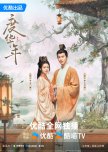
Li Rong and Pei Wen Xuan were married at eighteen for reasons that had nothing to do with love and everything to do with survival and ambition. She leaned on his powerful family to shield herself from danger, while he relied on her royal status to build his future. Somewhere along the way, she lost herself in indulgence and he drifted toward someone else. After twenty years of a marriage that seemed hollow on the surface, manipulation and misunderstandings pushed them into becoming each other’s greatest enemy, ending in a tragic death where both believed the other was the culprit. Fate, however, presses rewind. They wake up again at eighteen, back at the starting line. This time, Pei Wen Xuan seeks Li Rong out with a bold plan to marry her again, already thinking about how it might end in divorce.
At its core, this drama sells itself as a second chance romance wrapped in political intrigue, but what it actually delivers is something a bit more ironic. It’s less about falling in love again and more about fixing a relationship that was never truly broken to begin with. The whole “loveless marriage” angle feels like a scam because the deeper you go, the clearer it becomes that Li Rong and Pei Wen Xuan did love each other. They just failed at communication so spectacularly that it cost them their lives. Tragic, but also a little “this could’ve been an email.”
That’s why the emotional reset at the beginning feels both intriguing and slightly off. You would expect resentment, anger, maybe even a proper enemies to lovers arc after what happened. Instead, the story leans into something softer almost immediately. Li Rong keeps her distance, but Pei Wen Xuan wastes no time slipping into what can only be described as devoted husband mode with a hint of jealousy on the side. It’s abrupt, yes, but the more you watch, the more it feels intentional. Their connection never really disappeared, it just got buried under layers of regret.
And honestly, once the two start interacting more, it’s hard not to get pulled in.
Their chemistry carries the drama in a way that feels effortless. They bicker like an old married couple, trust each other like long time partners, and slowly relearn how to love each other without the baggage of pride and misunderstanding. There’s something very comforting about how natural they feel together. One moment they’re arguing, the next they’re sharing a quiet space like it’s second nature. It doesn’t feel like a new romance. It feels like muscle memory.
What makes it even more fun is their dynamic. Pei Wen Xuan is, for lack of a better term, a complete baby girl, affectionate, clingy, openly jealous, yet still incredibly smart and capable. Li Rong, on the other hand, is the definition of a girlboss with a sharp tongue and zero tolerance for nonsense. She leads, protects, and calls people out when needed, but she also softens in subtle ways around him. It’s an unconventional pairing that somehow works perfectly. He supports her without losing his strength, and she dominates without overshadowing him. It’s equal, just… flavored differently.
Of course, their relationship doesn’t exist in a vacuum. The world around them is messy, and the drama makes sure you feel that.
The political storyline is straightforward in concept but dense in execution. At its heart, it’s a power struggle between the emperor and the noble families, but the way it unfolds is anything but simple. Schemes stack on top of each other, alliances shift constantly, and every decision has consequences that ripple outward. It’s engaging, but also exhausting at times. Not because it’s confusing, but because it rarely slows down. You’re always in the middle of something, and missing a single detail feels like a risk.
What’s interesting is how the drama eventually reveals that the real villain isn’t just a person, but the system itself. The obsession with power, control, and legacy creates an environment where trust is fragile and love becomes collateral damage. The deeper you get into the story, especially when past life events are fully unpacked, the more suffocating it feels. Everyone is trapped in a cycle that almost guarantees tragedy.
That context makes the second chance element more meaningful. Li Rong and Pei Wen Xuan aren’t just trying to save themselves. They’re trying to navigate and possibly outplay a system that already destroyed them once.
And then there’s Su Rong Qing.
He enters the story with an air of quiet suspicion, the kind of character who feels important before the plot even confirms it. When it becomes clear that he’s more involved than he lets on, especially with his connection to the past, he adds a layer of tension that initially works well. There’s a melancholic undertone to his relationship with Li Rong, something filled with regret and unresolved feelings.
But the longer the story goes, the more that intrigue fades. His role expands significantly, almost to the point where it feels like the drama forgets who its main leads are. Instead of becoming a compelling antagonist, he becomes frustrating. His actions feel repetitive, his motivations less impactful, and despite how much time the story gives him, he doesn’t leave a strong emotional impression. It’s a strange imbalance where he dominates the narrative without truly elevating it.
Still, the drama has its strengths in how it handles emotional payoff.
Moments of confession, jealousy, and vulnerability hit well because they are backed by history. When Li Rong and Pei Wen Xuan choose to trust each other, it feels earned. When they express their feelings, it carries the weight of everything they lost before. Even the softer, fluffier scenes work because they are not just cute for the sake of it. They are a form of healing.
Pei Wen Xuan’s character shines particularly in this aspect. His intelligence and strategic thinking make him reliable in high stakes situations, but it’s his emotional openness that makes him stand out. At the same time, that same love can become his weakness, pushing him into impulsive decisions. It’s a nice balance that keeps him from feeling too perfect.
Visually, the drama is undeniably beautiful. The golden tones, the soft lighting, the overall richness of each frame all contribute to a very polished look. The opening sequence alone sets a strong impression. That said, the commitment to aesthetics occasionally comes at the cost of consistency. There are moments where lighting and time of day don’t quite match, which can pull you out of the scene if you notice it. It’s not a deal breaker, but it’s there.
Pacing is where the drama struggles the most. Forty episodes is a lot, and you feel it. Some arcs drag longer than necessary, and certain plot points lean too heavily into dramatics. There are also scenes where the writing dips, especially when intense situations suddenly shift focus in a way that feels out of place. It doesn’t ruin the experience, but it does make parts of it feel slower than they need to be.
By the time you reach the final stretch, the story becomes heavier, darker, and more emotionally draining. The full picture of the past is revealed, and it’s honestly a lot. Betrayals, sacrifices, and choices that spiral into tragedy all come together in a way that makes you understand why these characters were given a second chance in the first place.
The ending, thankfully, delivers a sense of closure. Not everyone is redeemed, and that feels appropriate. Some characters face consequences, while others move forward in quieter ways. Li Rong’s final position feels well earned, and the overall resolution reflects growth rather than perfection.
Performance wise, the cast does a solid job bringing these characters to life. Zhao Jin Mai captures Li Rong’s balance of authority and vulnerability, making her feel both powerful and human. Zhang Ling He brings charm and emotional depth to Pei Wen Xuan, making his more affectionate traits feel endearing rather than excessive. Together, they create a dynamic that keeps the story engaging even when the plot wavers.
In the end, this is a drama that thrives on its characters more than its plot. It’s messy, occasionally frustrating, and definitely longer than it needs to be, but it also has heart. When it focuses on Li Rong and Pei Wen Xuan, it’s genuinely compelling. It’s the kind of story where you might roll your eyes at certain choices, question the direction at times, but still keep watching because you want to see these two get their second chance right.
At its core, this drama sells itself as a second chance romance wrapped in political intrigue, but what it actually delivers is something a bit more ironic. It’s less about falling in love again and more about fixing a relationship that was never truly broken to begin with. The whole “loveless marriage” angle feels like a scam because the deeper you go, the clearer it becomes that Li Rong and Pei Wen Xuan did love each other. They just failed at communication so spectacularly that it cost them their lives. Tragic, but also a little “this could’ve been an email.”
That’s why the emotional reset at the beginning feels both intriguing and slightly off. You would expect resentment, anger, maybe even a proper enemies to lovers arc after what happened. Instead, the story leans into something softer almost immediately. Li Rong keeps her distance, but Pei Wen Xuan wastes no time slipping into what can only be described as devoted husband mode with a hint of jealousy on the side. It’s abrupt, yes, but the more you watch, the more it feels intentional. Their connection never really disappeared, it just got buried under layers of regret.
And honestly, once the two start interacting more, it’s hard not to get pulled in.
Their chemistry carries the drama in a way that feels effortless. They bicker like an old married couple, trust each other like long time partners, and slowly relearn how to love each other without the baggage of pride and misunderstanding. There’s something very comforting about how natural they feel together. One moment they’re arguing, the next they’re sharing a quiet space like it’s second nature. It doesn’t feel like a new romance. It feels like muscle memory.
What makes it even more fun is their dynamic. Pei Wen Xuan is, for lack of a better term, a complete baby girl, affectionate, clingy, openly jealous, yet still incredibly smart and capable. Li Rong, on the other hand, is the definition of a girlboss with a sharp tongue and zero tolerance for nonsense. She leads, protects, and calls people out when needed, but she also softens in subtle ways around him. It’s an unconventional pairing that somehow works perfectly. He supports her without losing his strength, and she dominates without overshadowing him. It’s equal, just… flavored differently.
Of course, their relationship doesn’t exist in a vacuum. The world around them is messy, and the drama makes sure you feel that.
The political storyline is straightforward in concept but dense in execution. At its heart, it’s a power struggle between the emperor and the noble families, but the way it unfolds is anything but simple. Schemes stack on top of each other, alliances shift constantly, and every decision has consequences that ripple outward. It’s engaging, but also exhausting at times. Not because it’s confusing, but because it rarely slows down. You’re always in the middle of something, and missing a single detail feels like a risk.
What’s interesting is how the drama eventually reveals that the real villain isn’t just a person, but the system itself. The obsession with power, control, and legacy creates an environment where trust is fragile and love becomes collateral damage. The deeper you get into the story, especially when past life events are fully unpacked, the more suffocating it feels. Everyone is trapped in a cycle that almost guarantees tragedy.
That context makes the second chance element more meaningful. Li Rong and Pei Wen Xuan aren’t just trying to save themselves. They’re trying to navigate and possibly outplay a system that already destroyed them once.
And then there’s Su Rong Qing.
He enters the story with an air of quiet suspicion, the kind of character who feels important before the plot even confirms it. When it becomes clear that he’s more involved than he lets on, especially with his connection to the past, he adds a layer of tension that initially works well. There’s a melancholic undertone to his relationship with Li Rong, something filled with regret and unresolved feelings.
But the longer the story goes, the more that intrigue fades. His role expands significantly, almost to the point where it feels like the drama forgets who its main leads are. Instead of becoming a compelling antagonist, he becomes frustrating. His actions feel repetitive, his motivations less impactful, and despite how much time the story gives him, he doesn’t leave a strong emotional impression. It’s a strange imbalance where he dominates the narrative without truly elevating it.
Still, the drama has its strengths in how it handles emotional payoff.
Moments of confession, jealousy, and vulnerability hit well because they are backed by history. When Li Rong and Pei Wen Xuan choose to trust each other, it feels earned. When they express their feelings, it carries the weight of everything they lost before. Even the softer, fluffier scenes work because they are not just cute for the sake of it. They are a form of healing.
Pei Wen Xuan’s character shines particularly in this aspect. His intelligence and strategic thinking make him reliable in high stakes situations, but it’s his emotional openness that makes him stand out. At the same time, that same love can become his weakness, pushing him into impulsive decisions. It’s a nice balance that keeps him from feeling too perfect.
Visually, the drama is undeniably beautiful. The golden tones, the soft lighting, the overall richness of each frame all contribute to a very polished look. The opening sequence alone sets a strong impression. That said, the commitment to aesthetics occasionally comes at the cost of consistency. There are moments where lighting and time of day don’t quite match, which can pull you out of the scene if you notice it. It’s not a deal breaker, but it’s there.
Pacing is where the drama struggles the most. Forty episodes is a lot, and you feel it. Some arcs drag longer than necessary, and certain plot points lean too heavily into dramatics. There are also scenes where the writing dips, especially when intense situations suddenly shift focus in a way that feels out of place. It doesn’t ruin the experience, but it does make parts of it feel slower than they need to be.
By the time you reach the final stretch, the story becomes heavier, darker, and more emotionally draining. The full picture of the past is revealed, and it’s honestly a lot. Betrayals, sacrifices, and choices that spiral into tragedy all come together in a way that makes you understand why these characters were given a second chance in the first place.
The ending, thankfully, delivers a sense of closure. Not everyone is redeemed, and that feels appropriate. Some characters face consequences, while others move forward in quieter ways. Li Rong’s final position feels well earned, and the overall resolution reflects growth rather than perfection.
Performance wise, the cast does a solid job bringing these characters to life. Zhao Jin Mai captures Li Rong’s balance of authority and vulnerability, making her feel both powerful and human. Zhang Ling He brings charm and emotional depth to Pei Wen Xuan, making his more affectionate traits feel endearing rather than excessive. Together, they create a dynamic that keeps the story engaging even when the plot wavers.
In the end, this is a drama that thrives on its characters more than its plot. It’s messy, occasionally frustrating, and definitely longer than it needs to be, but it also has heart. When it focuses on Li Rong and Pei Wen Xuan, it’s genuinely compelling. It’s the kind of story where you might roll your eyes at certain choices, question the direction at times, but still keep watching because you want to see these two get their second chance right.
Was this review helpful to you?


