


 1
1 1
1


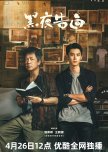
poignant and awesome storytelling
With so many Chinese dramas flooding streaming platforms today, too many fall into the same traps: fractured storylines, bloated casts, painfully stretched episodes, rushed endings, excessive CGI, and those gravity-defying wire-fu fight scenes that often feel more cartoonish than cinematic. Somewhere along the way, spectacle replaced storytelling.
But Light to the Night avoids nearly all of those pitfalls. What makes this series work is its restraint. Instead of constantly introducing new characters and subplots just to extend runtime, the drama stays grounded around a core group of people and a relatively confined setting. That focus gives the audience time to actually invest emotionally in the characters rather than merely trying to remember who everyone is.
And this is precisely why the show succeeds across 28 episodes without feeling unnecessarily padded. It proves that a drama does not need 40 or 50 episodes to create depth. Every episode here feels purposeful. Chinese dramas could learn from this approach: quality storytelling is not measured by duration, but by narrative discipline.
What impressed me most was how the tension continuously evolved. Just when you think you’ve figured out the mystery, the story quietly pulls the rug from under you. The twists are not cheap gimmicks inserted for shock value; they are carefully planted, making the audience question their own assumptions over and over again. That is intelligent writing. In an era where many dramas rely on visual excess, this series relies on suspense, atmosphere, and character psychology.
I also believe Pan Yue Ming absolutely stole the show as Detective He. His performance carried weight, subtlety, and realism. There was a quiet intensity in the way he portrayed the character that made every scene feel grounded. Yet credit must also go to Dylan Wang for understanding exactly what Captain Ran needed to be. Rather than overacting, he played the role with restraint, calmness, and composure, which balanced the series beautifully. Sometimes the strongest performances are the ones that know when not to be loud.
What ultimately separates this drama from many others is that it respects the intelligence of its audience. It trusts viewers to pay attention, to connect emotional nuances, and to sit with ambiguity instead of spoon-feeding every answer. That confidence is rare today.
In the end, Light to the Night reminds us that compelling television does not need endless episodes, flashy effects, or exaggerated action scenes. Strong characters, disciplined storytelling, and well-earned suspense are more than enough.
Tha final wave on the train in the end is how you end one of the best Chinese series.
But Light to the Night avoids nearly all of those pitfalls. What makes this series work is its restraint. Instead of constantly introducing new characters and subplots just to extend runtime, the drama stays grounded around a core group of people and a relatively confined setting. That focus gives the audience time to actually invest emotionally in the characters rather than merely trying to remember who everyone is.
And this is precisely why the show succeeds across 28 episodes without feeling unnecessarily padded. It proves that a drama does not need 40 or 50 episodes to create depth. Every episode here feels purposeful. Chinese dramas could learn from this approach: quality storytelling is not measured by duration, but by narrative discipline.
What impressed me most was how the tension continuously evolved. Just when you think you’ve figured out the mystery, the story quietly pulls the rug from under you. The twists are not cheap gimmicks inserted for shock value; they are carefully planted, making the audience question their own assumptions over and over again. That is intelligent writing. In an era where many dramas rely on visual excess, this series relies on suspense, atmosphere, and character psychology.
I also believe Pan Yue Ming absolutely stole the show as Detective He. His performance carried weight, subtlety, and realism. There was a quiet intensity in the way he portrayed the character that made every scene feel grounded. Yet credit must also go to Dylan Wang for understanding exactly what Captain Ran needed to be. Rather than overacting, he played the role with restraint, calmness, and composure, which balanced the series beautifully. Sometimes the strongest performances are the ones that know when not to be loud.
What ultimately separates this drama from many others is that it respects the intelligence of its audience. It trusts viewers to pay attention, to connect emotional nuances, and to sit with ambiguity instead of spoon-feeding every answer. That confidence is rare today.
In the end, Light to the Night reminds us that compelling television does not need endless episodes, flashy effects, or exaggerated action scenes. Strong characters, disciplined storytelling, and well-earned suspense are more than enough.
Tha final wave on the train in the end is how you end one of the best Chinese series.
Was this review helpful to you?


