
 K-Drama

 1
1 1
1 1
1


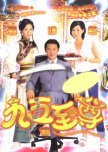
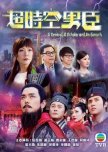
Both stories follow famous historical figures who travel from the past to modern-day China, where they must adapt to an unfamiliar world and find ways to survive.
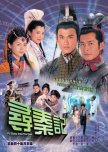
Both stories follow a modern-day Hong Konger who travels back in time to the past, where he is struggles to survive amongst chaos and war. They also share several of the same actors.
The characters Feng Xin'er (Northern Liang) and Li Weiyang (Northern Wei) were heavily inspired by the experiences of Northern Wei's Empress Dowager Feng (born in Northern Yan) and Northern Liang's princess (Juqu clan).
Another drama about the Xianbei people, set in the same dynasty (Northern Wei), and about the same Empress.
Another drama about the Xianbei people, set in the same dynasty (Northern Wei), and about the same Empress.
Both dramas feature yao spirits with a green tea bitch personality that drove a wedge between ML's family, tearing the entire family apart.
Similarities:
- Two best friends fall for the same person, who returns one of their feelings but refuses to pursue the relationship for fear of hurting the other. It's eventually exposed and ends in disaster...
- FL cross-dresses as a male for convenience.
- ML is rich but doesn't want to inherit his family business.
- Two best friends fall for the same person, who returns one of their feelings but refuses to pursue the relationship for fear of hurting the other. It's eventually exposed and ends in disaster...
- FL cross-dresses as a male for convenience.
- ML is rich but doesn't want to inherit his family business.
Both dramas are set in Kashgar City, and follow the daily lives and dramas of multiple local families, although the pacing and storytelling is quite different.
Both dramas take place in Xinjiang and follows the daily lives of multiple families as they work through challenges together.

Both take place in Xinjiang and follows a female main character as she works hard to overcome obstacles.
Both dramas follow a main character that moves into a region inhabited by minority groups and befriends the locals, learning to tolerate and embrace cultural differences in the process.
Both dramas depict take place in the same time period and are inspired by the same historical figure, Empress Feng of Northern Wei (although Li Weiyang is a mix of three different people).


