News


This review may contain spoilers
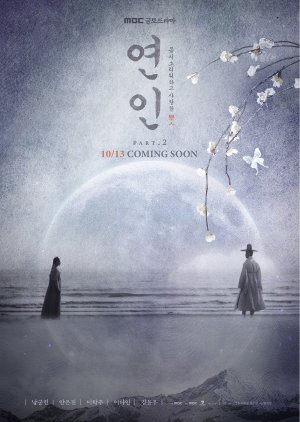
My Dearest (1&2) joins the ranks of the classics
This drama is everything the 9/10 star reviews say!Gil Chae was a brat at first and Jung Hyun ‘held his cards close’ for good reason. Gil Chae needed to grow up and she finally did. Their individual stories are equally interesting. They both put others ahead of themselves in their own ways. Both were extraordinary people in their own right ultimately becoming each other’s match.
Gil Chae, especially, proved to be very resourceful in nearly every situation she faced. Yes, she was afraid many times, but didn’t have time to give into her fear, keeping one foot in front of the other. I loved how JH was her silent, secret hero several times throughout. Jung Hyun, having seen corruption his whole life, was a master negotiator. A pascifist at heart, he made his actions count for the good of the innocents.
Part 2 explores their journeys even more as the events around them force their trajectories in opposite directions until they come full circle back to each other. I love how honorable they are, not bending to the pressures around them with the lives of others their highest priorities.
Gil Chae’s husband - a liar we will discover - was similar to Yeon Jun - loyal to tradition and an emotionally bankrupt king (YJ was better than him though). How he could leave her in China and not look back was horrible as it showed how some men only valued their women to the extent that they fell within specific expectations - even those outside their control. (This general mindset is not unique to historical or modern day Korea.)
Again, Namkoong Min and Ahn Eun Jin were equally exceptional and perfectly cast in this drama. Neither outshined the other as they played their own roles as well as into each other’s roles perfectly. AEJ gave such believable, intense emotions - I could feel what she was feeling. Sometimes I was even breathing like her, my heart wanting to leap out of my chest (last 15 minutes last episode the most recent example). Jung Hyun had a full basket of sides to his character and NMK delivered each side perfectly. You could you feel his heart for the captives, his coyness much of Part 1, and that unmistakable, unabashed desire for Gil Chae.
Lee Hak Joo as Yeon Jun and Lee Da In as Eun-Ae were also excellent as the second main leads. YJ was honorable to a fault - so blinded by his loyalty to an emotionally corrupt King. I wanted to write him off more than once. Eun-Ae was loving and loyal to both YJ and GC to the end. I appreciated Yeon Jun’s character arc where he finally saw through the traditions that wrecked havoc on innocent lives, including his own wife’s life.
Ryang Eum was kind and wholly devoted to JH. But in Part 1 he was a mixed bag of hlove, loyality, and deceit. Once the deceit issue resolved, he remaied loyal to and protective of JH. Even though I was angered by his deceit, my heart went out to him - he was literally lost without Jung Hyun.
I was so emotionally invested in this story, I had to stop watching Episode 10 (20) when the Princess of Qing let Jung Hyun go. I recalled the very first episode and knew the story was going to turn south and I couldn’t handle Jung Hyun’s demise. It took nearly 2 months for me to return to it and finish the last episode and a half.
To my delight it had an unexpected, lovely and perfect ending.
This is a beautiful story complete with all the feels! Watch if that appeals to you. You will not be disappointed as this is a new classic among KDramas.
Did I mention the very handsome Namkoong Min has the most beautiful eyes???
Was this review helpful to you?

THE EPITOME OF YEARNING AND LONGING
Can you hear it? This sound… The sound of flowers…
i will be your servant. my body is yours. my soul is yours and my heart is yours too
do you truly not know? you're all i need. even if you are poor, rich, insolent or obedient. even if you do not love me, and even if you say that you love me.. whatever you are, you are all i need, gilchae
-then.. what if i say a foreign intruder took advantage of me?
then i should give you a hug for it must have been painful
This has been truly one of those dramas that kept me thinking about it while sleeping and made me cry my heart out not just once or twice but several times. It is undoubtedly a masterpiece and truly deserves all the accolades that it received. I wish I could give more than 5 stars. Entire cast gave stellar performances but Nam Koong Min and Ahn Eun Jin embodied their characters perfectly. The drama's main theme was about how two lovers found their way to each other despite different struggles during the time of war. Along with this, I thoroughly enjoyed that it explored several themes and profound feelings like yearning, longing, social dogma, de stigmatisation, sisterhood, loyalty, unconditional and unwavering love, classism, gender bias, trauma, grief, endurance, resilience, honor and autonomy. Two main characters showed immense growth and had the most compelling and inspirational character arcs. The cinematography, ost , direction and entire screenplay/storytelling was very well executed. The korean name of the drama "yeonin" is so befitting as it exactly translates to the beautiful connection between the characters - lover. Yeon means to long and in means person - a person one longs for.
SLIGHT SPOILERS AHEAD:
Lee Jang Hyun is literally the epitome of yearning. Initially, he might have been an aloof and care-free character. He played one of the major roles to somehow uphold certain diplomatic relations between the two dynasties with his wit and courage. He is the personification of calmness, stoicism and composure. Even in life-threatening situations, he always came out of it by acting cleverly. But when it comes to his love of the life, he hears sound of flowers when he first saw her. He thinks of her whenever he sees moonlight and swears by it to promise that he will return to her again. He thinks and dreams of her when he is sleeping. She is his hometown. He loved every form of her. He never felt that women were guilty for losing their chastity against their will. He respected her autonomy and choices though they broke his heart several times. He believed women were not to be forced into the marriages only to turn into widows during wartime. He saved several people by putting his life in danger.
Gilchae is the embodiment of resilience and courage. She was a spolied noblewoman but immediately comes out of that comfort zone once war breaks. She put her survival instincts to the best use in order to escape from intruders and save not only herself but her peers as well. She always believed survival is more important than succumbing to their life due to social stigmas. She defied every stigma. She emerged as a leader was like a matriarch in her family. She bravely did business that are often male-centred to feed her family. She had autonomy and agency towards her own life. She sincerely loved jang hyun and pushed him away due to her own insecurities and guilt but later ultimately reunited with him in the best way they ever could.
Was this review helpful to you?
A definite must watch for romance lovers! ♥️
High-stakes, intensely emotional, devastatingly romantic, and deeply passionate!This is the most epic, beautiful magnetic, sensual, devastatingly tragic and swoon-worthy romance ever in kdrama. The couple pairing was exceptional and unforgettable. Their chemistry and heartbreaking love was just undeniably intense. Very few dramas have reached this kind of perfect romance.
This drama and both ML and FL deserved the multiple awards. Namkoong min's performance won him the prestigious Grand Prize (Daesang) at the Baeksang Arts Awards and he definitely deserved it. He delivered a virtuosic performance as a tormented soul consumed by an absolute, unwavering, and obsessive devotion to the female lead. Janghyeon's complete devotion to Gilchae is what I will remember in My dearest.
There are Lots of dramas where the the ML is obsessed and infatuated with the FL, for example Lovely Runner or Empress Ki (JCW's magnificent performance as the obsessed and infatuated emperor) but Janghyeon is the gold standard for me!
Namkoong min's micro-expressions, his voice, fighting skills and acting were extraordinary. The FL's transformation from innocent, charming, stubborn, spoilt, feisty to later as mature, dependent fierce protector and lover was sublime. She perfectly captured the character's essence as a flawed yet endearing figure. Gilchae is now one of my favourite FL's in kdramas as well as Ko Moon-young in Its OK to not be okay and Seung-nyang in Empress Ki.
Was this review helpful to you?
This review may contain spoilers
A potential to be classic ruined because of extremely unsatisfying and disappointing ending.
Absolutely fuck you to writers and the makers and whoever's idea it was to keep the leads apart UNTIL THE VERY END with that bullshit of overused amnesia trope (that too for the 2nd time in the drama itself!!!!!!!) for butchering the ending.After all the trials and tribulations the characters had suffered, we NEEDED a full episode of them just being happy and showcasing their married life.
The last 2 episodes are absolutely filled with plotholes and no proper conclusions to so many storylines, eg Ryangeum- the show literally started with him and they didn't even resolve his storyline like what even?? And what about how yangchun died and no one finds him?? Jongjong-gujam storyine, no development on eunae- gilchae friendship, the king was given too many scenes and importance and the repetitive storyline really got annoying real quick. Too many plotholes that I can't be bothered to write down it all, sorry.
Another big issue was that timeline was a mess, there was no chronology, no proper showcasing of time passing, years would pass without viewer even understanding that years have passed. The show did a really bad job with timing, it was extremely confusing.
The leads, esp Namkoong Min, the OST, the cinematography and incredible visuals and production carried the drama on their backs, the writing and screenplay really faltered in the last episodes, but the leads and their acting kept us engaged and convinced us in spite of the nonsense writing. Take a bow Namkoong Min and Ahn Eunjin, who exceeded their potential and transcended all bounds of acting to deliver us this magnificent performance!
Overall, this drama could have been a classic, if only the ending was good was tied in properly and they hadn't given the leads another repetitive forced separation just for the sake of angst. (This drama DID NOT need anymore angst, like the whole drama was tragic and angsty, there was literally no need for forced angst cheapening the actual good angst which was there throughout the drama)
Was this review helpful to you?

When It’s Fate..its Fate
Part 1 of "My Dearest" was undeniably a masterpiece, setting a high standard that Part 2 had to live up to. While I was glad to see the continuation, my expectations were naturally elevated.Throughout the episodes of Part 2, I remained optimistic. Despite any shortcomings in the storyline, witnessing the journey of our main characters, the ML and FL, reminded me to cherish the moments of joy they shared. It's a valuable lesson—to focus on the positives amidst the challenges.
Admittedly, there were moments in the drama that seemed far-fetched, where our leads couldn't catch a break. However, I choose to interpret it as the writer's portrayal of fate prevailing against all odds.
Namkoong Min's exceptional acting, worthy of the Baeksang Award, undoubtedly salvaged some of the shortcomings of Part 2. While some may dismiss this drama as a waste of time, it still had its fair share of heart-fluttering moments and comedic scenes, making it a worthwhile watch in my eyes.
Was this review helpful to you?

master class in emotive story telling
Very much like my review of the first season you will find yourself emotionally invested in this second half of the story. The characters have survived the invasion but that does not mean the war is over. The remnants and all the things that follow are equally as brutal and painful to watch but so beautifully done and acted to perfection. I hated the King and is paranoia and cruelty. I sympathized with the Crown Prince and his struggle to survive a foreign land to finally make it home and find himself having to struggle to survive again. His want to keep promises and fear of what that would mean. I hated the Princess and her selfishness but empathized with her want to be loved. Every character, no matter how big or small was written and portrayed in a realness that will take your heart and pull it in a hundred directions.Cons:
-the timeline: I found the timeline on this hard to follow and still do not completely understand how long things happened and how one character had his hair turn white but everyone else looked exactly the same
-the constant push and pull of their relationship
-for me there was too much focus on the political aspect with no real follow through conclusion
-the ending did not give me closure, I felt like I needed more. Jang Hyun's past was almost glossed over, you don't get answers about Ryang Eum and why he ended up where he did, for how long, or what happened after, and while they tied the first and last episodes together by making the show as if it was the story being told from the character in the beginning I would have liked to understand the why a bit more
-amnesia used not once but twice on the same person
Pros:
-character development from start to end for all the characters was phenomenal from the main characters down to the side characters. Everyone went through change in whichever direction and it made sense according to their characters
-beautifully shot with appropriate camera angles
-the aesthetic for the post war world and the gradual change in colors that shows the maturity and aging of the characters was done well
-music was beautiful and accompanied their scenes very well without ever feeling repetitive or too much
-Jang Hyun is a major reason I watched this show because I am a sucker for a man that will do literally everything for his person
I can not say that this is a favorite of mine but it is a powerful work that will stick with me for a while.
Was this review helpful to you?

absolument magnifique
Cette partie 2 en 11 épisodes cloture magnifiquement cette série. On y trouve un peu plus de politique (historique) mais on découvre aussi l'histoire de certains personnages (je ne donne pas de spoilers) et cela explique pas mal de comportements.Sinon que dire, les 2 acteurs principaux sont toujours aussi sublimes, et les personnages secondaires efficaces (voir ma revue sur la partie 1) !
Il y a une scène absolument magnifique au début de l'épisode 18 qui donne du baume au coeur !
Was this review helpful to you?

This review may contain spoilers
“do you hear it? this sound, the sound of flowers.”
UNA MARAVILLA , MIS PADRES, SI SON. DE VERDAD QUE NO QUERÍA ACABAR EL DORAMA PORQUE ME IBA PEGAR UNA DEPRESIÓN Y LUEGO NO ENCONTRARÉ UN DORAMA COMO ESTE.Normalmente dicen que segundas partes no son buenas pero es que en este dorama se equivocan la segunda parte lo supera con creces y eso que el primero estaba ya en unos niveles muy altos. Me gusta sobretodo porque al conocer ya a los personajes te da para centrarte en la historiaa. Eso si hay ciertas cosas que quiero comentar:
- Mira que odio el cliche de la amnesia , ya me lo comí en el último capitulo de Flower of Evil (lo siento si no has visto la serie porque menudo spoiler que te acabo de hacer ) para comermelo aquí en la última media hora de la serie estando enganchadisima , pero debo de decir que no me ha molestado tanto el cliche de la amnesia es mas lo he hilado con las veces que Gil Chae tras huir de la invasión cuando vuelve su padre comienza con la demencia y no la reconoce, he pensado pobre ya que debe volver a cuidar de una persona que ama pero que no se acuerda de ella. Ya sufrí en el capitulo 9 la amnesia despues de que torturasen a mi señoro (Lee Jang Hyun) como para los momentos que estaban juntos él no se acordase de ella pero mira llegue a aceptar y atesorar esos momentos porque me parecían enternecedores y como ella seguía con él e intentaba que se acordase. (AME en la forma que se acordó y esa frase que dijo I hope I did not do anything too silly, aaaaaaaaaaaaaaaaaaa). Por eso lo de la amnesia al final me volvía a tocar las narices pero mira yo con saber que acaban juntos viviendo la vida como querían me alegra. En mi mente viviran como la pareja de ancianos del principio (la pareja que celebra los 60 años de casados), amandose profundamente.
- Odio y no me ha gustado nada que matasen al Principe Heredero y a su mujer, me da pena y he llegado a querer a ese personaje al principio pensaba que me la iban a liar con mi señoro pero al final esa carta y todo lo que el pobre llega a padecer al ser ''secuestrado '' simplemente muestra la evolución del personaje. Me parece que la guionista no les dió el final que merecían y que muriese me dolió mucho.
- Salgo más republicana que nada, odio profundo al rey, comenzando con que da a su hijo como chivo expiatorio y luego se crea unas paranoias mentales de la leche que si todos van en contra de él que los prisioneros de guerra hay que matarlos y que leches mas, señor retirese usted no esta para gobernar un país. La mujer es un personaje que podría haberle sacado mas partido porque siento que ella y el eunuco maquinaban mas planes que me hubiera gustado ver. De verdad que me parece que ha durado muy lejos en la serie yo le hubiera quitado antes.
- LA PUTA CASTIDAD Y LOS VALORES TRADICIONALES, mira todos los academicos, que para mi se encontraban reunidos en el personaje de Nam Yeon Joon, me han hecho maldecirle cada vez que salía en pantalla que horror de señoro, tu mujer ha sobrevivido cuando escapó, el otro pavo solo le tocó un hombro, que si le hubiera pasado algo más no pasa nada a su castidad y la deberías haber protegido y no al inutil del rey, que deberías haberte casado con el rey y no con Kyung Eun Ae, una señora demasiado buena para tí, es que uf que Gil Chae evoluciona en sus gustos y se queda con el señoro , contigo no hubiera podido ser ella (ya se ve cuando se casa con el oficial y lo que hace el oficial para tratar de salvarla, que asco de personaje el del oficial por cierto, se enamora de la valentía y de la personalidad echada para adelante para luego querer en el matrimonio que se retraiga y se quede encerrada como buena ama de casa?. MUJERES NO , buscad un hombre, mujer o una persona o pareja que no os anule, que nos os robe vuestro brillo , ni vuestra personalidad ).
- Me gustó más la primera parte con respecto a lo de la dinastía Qing aquí la emperatriz me ponía de los nervios y me molestaba que estuviera entre Gil Chae y Jang Hyun. Me gustaban mas las interacciones entre la mano derecha del emperador y Jang Hyun , que las que tenía con la emperatriz, asi que cuando la tía le deja irse a sido como victoria por fin, no te aguantaba.
- Me ha hecho gracia que los dos mejores capitulos de ambas partes son el cuarto, en la primera parte cuando Gil Chae salva a Eun Ae de que la violen mantando al pavo y ambas acceden a encubrirlo y en esta parte , te diría que es historia de los kdramas que digo del cine esa escena cuando Jang Hyun ve a Gil Chae en el sitio de subastas de prisioneros y le grita que porque. (MENUDA ESCENA ES QUE TENGO ESCALOFRÍOS SOLO DE PENSAR EN ESE MOMENTO).
En fin una fantasía de serie, comencé esta serie por un comentario que leí en Twitter preguntando porque habían dado el premio de mejor actor a Namkoong Min y no a Kim Soo Hyun por su papel en Queen of Tears y si bien me encantan ambos actores, My Dearest me ha enganchado de mayor forma que Queen of Tears y entiendo todos los premios que le han podido dar porque menuda maravilla, se ha convertido en mi kdrama de epoca favorito y esta entre mis Kdramas favoritos. (vaya nunca había escrito una review tan larga pero esta obra de arte lo merece) Siempre se quedará entre mis kdramas favoritos.
Was this review helpful to you?

Uno dei più bei drama storici d'amore mai visto prima!
Inizialmente stavo quasi per lasciare il drama, non mi convinceva, lei troppo frivola e smorfiosa e la storia poco convincente, ma grazie ai tanti commenti letti entusiasti di chi lo aveva visto in precedenza, ho deciso di andare avanti e ho fatto benissimo.Un drama eccellente, una bella storia articolata ed avvincente, che fino all'ultimo fa rimanere col fiato sospeso.
Questo drama storico, basato su eventi realmente accaduti, è intessuto di una delle più belle storie d'amore mai viste .
L'attore principale spicca su tutti, è di una bravura che lascia senza parole, decisamente meglio di chiunque altro sebbene tutti in genere, siano stati all'altezza della loro parte. Ma Nam Goong Min, è inarrivabile. La sua mimica, la gestualità, il portamento lascia senza fiato.
Nel racconto non ci sono buchi che lasciano interdetti e che a volte bisogna supplire con la fantasia, è tutto ben raccontato.
Un fiore all'occhiello del drama sono le musiche strumentali che accompagnano ,senza essere invadenti, ogni singolo momento con pathos.. stupende! Sono un valore aggiunto.
Un drama da vedere più volte, di cui gustare la recitazione di ogni attore ed attrice, e soprattutto godersi l'attore maschile protagonista, davvero eccezionale!
Grazie come sempre al cast dei traduttori in italiano, senza di loro come potremmo goderci queste perle?
Was this review helpful to you?
MUHTEŞEM OYUNCULUK
1.bölümde diziye şans vermedim ve kapattım sonrasında şans vermem gerektiğini düşünerek döndüm iyi ki dönmüşüm izlediğim en iyi oyunculukları izledim diyebilirim dizi boyunca hiç oyunculuk yaptıklarını düşünmedim sanki karakterlerlerle oyuncular bir bütündü .hikaye yönünden biraz zayıf olduğunu düşünüyorum çin işgalini hikayenin ana konusu gibi ön plana aldıktan sonra koreye ne olduğunu veya işgalin devam edip etmediğini kısa alarak verseydiler daha iyi olurdu ayrıya ryang euma ne oldu? Beyazlamış saçlarıyla ne anlattı? Onu neden deli ilan ettiler ve hala neden demir parmaklıklar içinde ? Lee jang hyeon neden önceki hizmetçinin adını ona verdi sırf sadece şarkı söylediği için mi? Fazlaca soru işareti bıraktı ama izlemeye değerdi öneririm 👍🏻Was this review helpful to you?

Dramma bellissimo una storia d'amore struggente in tempi davvero difficili e violenti
Carissimo" è davvero un dramma bellissimo. Nonostante le immagini crude nei momenti difficili, il racconto è di un'intensità struggente. La storia d'amore tra i protagonisti, pur iniziando quasi per gioco, si trasforma gradualmente in un legame profondo e incrollabile, capace di sfidare le numerose prove che la guerra e la società impongono loro.Al cuore della narrazione non c'è solo l'amore romantico, ma anche un affascinante legame fraterno tra i due protagonisti maschili, che cresce tra momenti di conflitto e solidarietà. Il loro rapporto diventa un faro di lealtà e rispetto reciproco, che si rafforza mentre lottano per i propri valori e per il benessere delle persone amate. Entrambi si trovano immersi in una realtà più grande di loro, ma la loro determinazione a proteggere chi ama li porta a una crescita personale che è sia dolorosa sia profonda
"Carissimo" offre un ritratto unico di un'epoca storica, in cui idealismo e sacrificio vanno di pari passo, e ci ricorda quanto possono essere complessi i legami umani, specialmente in tempi di crisi. È una storia che tocca l'anima, mostrando come amore, amicizia e onore possano intrecciarsi in modi inaspettati, rendendo ogni momento di questo dramma una lezione di vita e coraggio.*
La storia si svolge durante il periodo Joseon nel 17° secolo segnato dalla Seconda Invasione Manciù della Corea nel 1636. Quando la guerra inizia a travolgere il paese, entrambi i protagonisti si ritrovano a dover mettere da parte le loro idee romantiche e le certezze del passato per confrontarsi con le dure realtà della sopravvivenza.
In mezzo a battaglie, fughe e devastazioni, Gil-chae e Jang-hyun sviluppano un legame profondo che li porterà a crescere e a cambiare. Gil-chae, inizialmente inesperta e ingenua, matura affrontando le difficoltà, scoprendo il coraggio e la forza necessari per proteggere coloro che ama. Allo stesso tempo, Jang-hyun, che ha sempre vissuto con distacco e cinismo, si lascia lentamente trasformare dal calore e dalla dedizione di Gil-chae, trovando in lei un motivo per aprirsi e per affrontare le sue sofferenze passate.
La loro storia d'amore è però continuamente messa alla prova dalla guerra, dalle convenzioni sociali e dai segreti che entrambi si portano dietro. Tra separazioni dolorose, incontri imprevisti e ostacoli quasi insormontabili, i due si trovano a combattere non solo per sopravvivere ma anche per proteggere il loro amore.
il drama esplora il potere trasformativo dell'amore e della resilienza in tempi di crisi, mettendo in evidenza le lotte interiori e sociali che accompagnano sia l'amore sia l' identità. La serie riflette sul sacrificio, sulla ricerca della propria voce in una società rigida e sull'importanza di rimanere fedeli a sé stessi anche quando il mondo intorno è in rovina.
La storia d'amore tra Gil-chae e Jang-hyun è al centro del drama, ma non è solo una storia romantica idealizzata. È un amore che richiede sacrificio, che mette entrambi i protagonisti davanti alle loro paure e li spinge a crescere, abbandonando pregiudizi e illusioni infantili. La loro relazione è una critica ai sentimenti superficiali e idealizzati, invitando a riflettere sul fatto che l'amore autentico nasce dalle difficoltà e dalla reciproca trasformazione
La parte storica di *Dearest* è stata ricostruita con grande attenzione, e il dramma cerca di mantenere una certa fedeltà al contesto dell'invasione della dinastia Qing, che avvenne durante il periodo Joseon nel 17° secolo. Questo periodo fu segnato dalla Seconda Invasione Manciù della Corea nel 1636, un evento traumatico che ebbe un impatto devastante sulla popolazione e sulla politica del tempo. Ecco alcuni aspetti storici che il dramma cerca di rappresentare in modo accurato: La dinastia Qing, originaria della Manciuria, era una minaccia concreta per Joseon, e durante l'invasione, molti nobili e civili furono presi in ostaggio o uccisi. La popolazione coreana fu costretta a piegarsi al dominio Qing per garantire la sopravvivenza del paese. Il dramma rappresenta bene le tensioni e l'angoscia vissuta dalla popolazione e dall'aristocrazia coreana, così come il senso di onore e vergogna che accompagnava questo conflitto.
Nel periodo Joseon, la cultura confuciana e il codice d'onore attribuivano grande importanza alla purezza e alla castità delle donne, soprattutto per quelle di origine nobile. Secondo la mentalità dell'epoca, una donna era considerata "disonorata" anche solo se veniva sfiorata contro la sua volontà o subiva violenze, in particolare da parte di un nemico o di un invasore. Questo era dovuto a una visione molto rigida e patriarcale della moralità e della purezza femminile, che si rifletteva in un'idea di "onore familiare" basata sulla reputazione della donna.
Durante le invasioni, molte donne di famiglie nobili preferivano il suicidio piuttosto che rischiare di essere catturate, poiché pensavano che la loro "perdita di purezza" avrebbe gettato disonore non solo su di loro, ma anche su tutta la loro famiglia. Una donna che fosse stata anche solo sfiorata dall'invasore infatti poteva essere rifiutata dalla sua famiglia e dalla società, anche se ciò fosse avvenuto senza il suo consenso. Questo stigmatizzava ancora di più le vittime, contribuendo a una cultura di colpa e vergogna in cui le donne erano tenute a uno standard moralistico ingiusto
Nel periodo Joseon gli studenti avevano un ruolo molto importante e rispettato nella società, soprattutto quelli che studiavano per diventare funzionari governativi. Durante questa dinastia, la cultura confuciana promossa dal governo coreano enfatizzava il valore dell'istruzione e l'importanza dello studio dei classici confuciani per raggiungere posizioni di potere e rispettabilità. Gli studenti, in particolare quelli delle *seowon* (accademie confuciane) o delle *hyanggyo* (scuole locali confuciane sponsorizzate dal governo), erano considerati i futuri leader intellettuali e morali del paese.
Uno dei motivi per cui gli studenti godevano di uno status elevato era il Sistema degli Esami Gwageo
Per avanzare nella gerarchia politica, si dovevano superare gli esami *gwageo*, un sistema di esami imperiali basato sul modello cinese, che richiedeva uno studio approfondito delle opere confuciane, della poesia e della filosofia. Gli studenti che eccellevano in questi studi avevano la possibilità di entrare nella burocrazia di Joseon, diventando ufficiali e funzionari rispettati. Questa possibilità rendeva l'istruzione altamente ambita, e gli studenti godevano di grande stima sociale per il loro impegno
In Dearest, la rigidità e l'idealismo degli studenti, insieme all'ostinazione del re, portano a sacrifici enormi e spesso inutili, che pesano soprattutto sulla popolazione comune. La loro intransigenza, sebbene fondata su principi elevati e sull'orgoglio nazionale, finisce per rivelarsi un'arma a doppio taglio, con conseguenze devastanti per il popolo. L'idealismo degli studenti, spinto dal desiderio di mantenere l'onore e di resistere all'invasione, porta a decisioni che , purtroppo, ignorano il costo umano e le condizioni reali. Gli studenti idealisti, pur con buone intenzioni, mancano a volte della flessibilità necessaria per adattarsi alla realtà della guerra. Il loro atteggiamento rigido, dalle lontano esigenze pratiche, finisce per chiedere sacrificio alla popolazione, che subisce direttamente il peso della guerra, della carestia e della perdita di libertà
Il suicidio di molte donne, presentato nel dramma, riflette la devastazione che una società confuciana estremamente patriarcale poteva infliggere. In tempi di invasione e di disonore, queste donne non avevano via di fuga: pur essendo vittime, erano condannate a portare il peso di un'umiliazione che la società non perdonava. Questo codice morale così duro costringeva molte di loro a scegliere la morte piuttosto che vivere in un mondo che le avrebbe rifiutate e condannate ingiustamente.
Il dramma, nel mostrare queste storie, offre una critica potente alla rigidità di una morale che, pur basata su principi di purezza e onore, finisce per trasformarsi in un sistema che punisce proprio i più vulnerabili. La rappresentazione del dramma e del suicidio di queste donne costrette a scegliere tra l'onore e la vita fa riflettere su quanto possa essere disumanizzante una società che antepone il codice morale alla compassione e alla giustizia.
Dearest lascia, quindi, un messaggio struggente: non basta combattere il nemico esterno se si ignorano le battaglie interne e le sofferenze imposte dai propri valori. È un invito a costruire una società dove l'onore non sia una prigione, ma un valore che protegge e rispetta ogni vita, senza eccezioni.
Was this review helpful to you?

Dramma storico ottimo
Un dramma storico con tutti i personaggi e i cliché che però non disturbano perché il dramma è ben fatto e la storia avvincente nonostante ci sia di sicuro molta sofferenza e tante tragedie ma ogni tanto strappa anche qualche sorriso.Sicuramente si merita la fama di un bel drama e se si apprezza il genere storico è un must see di sicuro.
Was this review helpful to you?