

 1
1
This review may contain spoilers
Daimon Michiko is back, this time in a new way!
Yes she is back this time, doing all the highest profile surgeries. My favorite episode of this season was of the surgery with the shogi player who was competing in a game against AI, and at the same time in Totei University hospital they were trying to use Hippocrates AI to diagnose and treat a case. But Daimon sensei uses real life experience and goes beyond the AI to diagnose the real problem. What is misdiagnosed by the Hippocrates AI as a brain access is revealed to be worms that came from eating raw pork. Then Michiko has the best conversation with the shogi player: about how to beat AI. The shogi player anticipates moves ahead but the AI is much better at doing that. So when he clears his mind, the next move becomes clear- this is intuition or spirit giving inner guidance. Michiko can relate to that and she says it happens to her during surgery too- it was a beautiful bonding moment with the patient and allows trust to be formed. The shogi player entrusts his surgery to her and it is successful. Finally he himself beats the AI post surgery and Michiko watches that match saying “Yes! He cleared his mind.” Naturally in Japan, they have uncovered the zen wisdom of how to surpass AI- AI does not have that capability of intuition though it can be a useful tool when used for the service of spirit, but when used in a competitive way, it can be crushing. Use AI collaboratively. But Michiko proves that she didn’t need even AI because she is a personification of Spirit itself, and Spirit never fails. And naturally of course, the ego system of bureaucracy and hierarchy covers up the surgery saying that AI snd another surgery succeeded in doing the surgery - ego always covering up and taking the credit of the work of Spirit.Another action packed episode was the finale when Michiko herself is revealed to have cancer stage 3 (seriously how does everyone in this series have stage 3-4 cancer and ready to die in 3 months and drop like flies?). So as Michiko collapses after acing the chairman Uchikanda’s surgery and proving that her Spirit function never falters or wavers even if the patient is a scumbag, she collapses and needs surgery herself. Her resolve and determination is absolute. She is always the author and holds the power in eve try scene. She says, “Even as a patient, I never fails!” So she writes down notes for her own procedure and names Nishiyama as her surgeon- Uchikanda’s son who is philosophically aligned with her as someone who supports the freelance system. The surgery is successful and Akira san and Michiko escape back to Cuba (where Michiko’s career started) as chairman Uchikanda and director Hiruma are arrested. Now how Hiruma comes back in season 6 as if nothing ever happened is beyond me….!
Was this review helpful to you?

This review may contain spoilers
The “Diamond” Michiko is back!
Daimon Michiko, the greatest surgeon of all time is back and working at Totei University Hospital- it sounds all fancy with bloated titles and rankings, but there is so much corruption and dirt under the surface. Leading the corrupted organization at this time is none other than Director Hiruma who remember had surgery done by Michiko in the last season and she saved his life, but his memory is short and his corrupted heart is stronger than his gratitude towards her so he continues to treat her like a pest that needs to be exterminated or exiled rather than the top surgeon that saves their entire reputation and does all the actual work. Everyone else is practically useless except for her. It’s like she’s the main character and all the others are NPCs with no real skills of their own, just self centered scripts to blow up their reputation.This time the season starts with Michiko in NYC as she waltzes into a random hospital and starts doing surgery on some patient that falls down in the middle of a restaurant- I don’t get how there are all these stage 4 cancer patients just writhing in pain randomly like that, but hey it makes for good drama when they collapse and “need to have emergency surgery right now or they will die!” So Michiko saves this lady and catches the attention of this lady who stole her Gyoza dumplings- like seriously who steals food from Michiko when she’s hungry? Good food is one of the only real rewards she gets for all her genius work! Anyway this lady is the head of that hospital or something and she ends up going to Japan to Totei Hospital and bringing along with her this “Americanized” Japanese doctor Kitano who speaks both English and Japanese with a weird show off kind of accent, and hiring Michiko into her team. Turns out she’s the sister of the previous director of the hospital who has now conceded the position to Hiruma. So Akira San calls Michiko and tells her to come back home or “she’ll be fired,” so she starts/resumes her position at this hospital under Hiruma.
Michiko deals with new scandals and patients- famous patients, celebrities that are so famous that the whole country is dying to know about his surgery, etc. and of course most of them collapse in pain of course and need emergency surgery or else they will die lol. The most touching story was of the anesthesiologist Jonouchi who has life threatening cancer like everyone else and Michiko for the first time seems like she might fail and she even thinks that she has failed in the first round of surgery. But turns out it was a necessary failure to shrink the tumor and turn it back a stage to be able to be removed completely with another surgery. The scenes where her surgery was finished and her daughter Mai and Akira San go to the church to pray for her life was very touching and beautiful. It made me cry.
So another great season, and I’m here for Michiko. When I saw her tearing up at her bond and determination to save her friend and anesthesiologist colleague Jonouchi, it was very sweet. She has come a lot way since the first season - back then she didn’t give a crap about anyone and only handled the patient. But now it’s like her heart is softening and her colleagues Kaji, Haru, and even Kitano are there to help, all on Christmas Day. It’s very touching to see the collaboration and energy she brings around her. Even though at first she might seem hard to get along with, any genuine person knows that Daimon Michiko is full of compassion and love for those around her that she has dedicated her life to serving people all the time.
Was this review helpful to you?

This review may contain spoilers
Michiko deserves better!
After being fired from the first hospital in season 1 (for saving people’s lives) by Busujima and his panel of hi-fi steak eating aficionados, Michiko starts a new job as surgeon at Teito university hospital first hired under the internal medicine chief (the woman horse race lady whose name I forgot), and then hired under Hiruma, the surgery director. It’s astounding how corrupt these organizations and power structures are, which Michiko’s honesty and integrity cutting through the whole system like a knife (no pun intended). She literally saves everyone’s life, like the internal medicine chief lady for example, and they have zero gratitude and just turn around and stab her in the back. The young handsome dude who was being groomed to be the next director by Hiruma (forgot the guy’s name) ends up publishing a case study for a surgery that Michiko proposes and carries out all on her own which involves a simultaneous transplant from two patients - wives of internal medicine and surgery doctors. It becomes a hit and the said handsome dude takes the credit and fame from what should belong to Michiko. Oftentimes Michiko is performing 2 surgeries simultaneously or back to back because of the incompetent surgical staff, but others take credit for her divine work- it’s infuriating! Reminds me of a corporation where the boss or CEO takes credit for all your hard work just to make their image look good. Then there’s the Locum agency director who is in charge of Michiko- he bills the hospital for Michiko’s work, gives them a melon, takes the money, and leaves Michiko with nothing but maybe a sushi dinner and a crappy place to stay. Where is all that money going I wonder? Michiko doesn’t seem to get a single penny of it. He keeps saying that she’s paying off her father’s debt which I suspect is a lie. I think that the guy is simply pocketing the money and exploiting Michiko’s genius but she is too naive to notice what’s going on. She simply wants to do surgery and save lives- that in itself is her purpose and reward. She doesn’t even desire money, fame, or status. Outside of surgery and the hospital, she becomes like a little child- dependent on the Locum agency director Mahjong guy, Akira San like he’s a father figure to her. But she needs more agency with the gifts she has. She deserves better with her divine gift! The whole world just exploits and takes from her and gives nothing but criticism and attacks to her. One guy Dr. Kaji..? Actually calls her a demon! What on earth. Because she isn’t fake polite for manipulative reasons and speaks her mind openly and honestly they call her a demon? When she’s the one saving lives and the other doctors are just cashing in on her accomplishments- taking the credit or money.. it’s so unfair. Michiko is being exploited! Please protect or save Michiko! She deserves better! But this series also shows how fickle all the authority and status and power is, as people get fired and dismissed left and right and even those who seem to profit off of Michiko’s surgical accomplishments eventually topple. The medical Pharisees strike again… and Akira San swindles all her money… But the Christ figure resurrects and strikes back! With that said, this series is seriously addicting.Was this review helpful to you?

Dr. X is the Sailor Moon of doctors!
There I said it- a typical day in the life of Michiko Damion goes like this: she gets hired as a freelance surgeon in some fancy hospital, run by stuffy bureaucracy and hierarchy, with some old shriveled dude with a swollen ego doing his “rounds” with his doctors while getting favors and gratuities from patients. The surgery case often starts with a conference or meeting among the surgeons and the chief where they discuss some patient with a crazy cancer that’s spreading like wildfire. Then they ask “Who can take on this case?” Michiko’s hand shoots straight up and she says she can do it, plus she never fails- her signature line: “Watashi.. shippai shinai no de.” Her confidence is through the roof. Daimon’s confidence doesn’t come from titles, status, or hierarchical power handed down by humans. She carries divine authority straight from God, and works like a thousand handed Goddess, as cited by the chiefs themselves. Unfortunately because of her straight shooting and honest manner, Daimon is not welcome at these conferences and is often thrown out. They pick another incompetent surgeon to do the job. Someone who will inevitably fail so that our heroine Michiko can save the day. Somewhere between then and operating day, Michiko bumps into the patient- she always meets the patient beforehand and talks with them. Then on surgery day, the incompetent surgeon chosen for the job starts sweating and Michiko says “Move!” And then asks for the scalpel and monopolar and all her cool gadgets. She is “like a pit bull” in the operating room, as told by her own Locum agency coordinator, who essentially charged insane prices for her surgeries, but never really shows her the money (more on that later). So Michiko does some serious magic in the operating room, puts her hand over the patient’s heart or arm after completing, to transmit her healing powers to the patient, and the patient’s life is saved! The administration and powers that be are so threatened by Michiko’s surgery genius that they try to suppress her existence, and cover up her work with someone else’s name, or sometimes straight up fire her. These worldly authorities are jealous of her divine surgical and healing powers.Reminds me of the Pharisees in the Jesus story- they carry the worldly power and authority but are hypocrites and only concerned with image, status, and reputation. So when a true healer comes along with Christlike powers, they seek to squash it and diminish her. I see so many similarities between Michiko and the biblical story. In fact Michiko is an archetypal Christ figure- the one who heals with divine authority, who never fails in healing and saving lives, who is ostracized, with no real friends in the world, who is constantly scapegoated and smeared and gaslit by the system. But in her compassion and will to serve, she continues to do surgery after surgery and she can’t help but save lives and heal. It’s what she’s built for.
Though her hobbies say surgery, she loves playing Mahjong with her Locum agency director who I suspect is basically swindling all the money she is making from surgeries and barely giving her food to eat. She begs him to buy sushi and shrimp tempura when she should be swimming in a sea of money. Where does all that money go? She lives in a dump with that agency director and other doctors in that agency and it looks so ghetto. But when she arrives at the hospital, Michiko looks like she stepped onto the runway in 6 inch high heels and mini skirts. She’s an all star, Doctor X- the Sailor Moon of doctors!
Was this review helpful to you?

This review may contain spoilers
Kuwano San is my role model! But this Show is Fear Propaganda for Marriage
This show was subsidized by METI- Ministry of Economy, Trade and Industry of Japan- for a reason- to encourage population growth and to promote marriage in a society that has a declining birth rate. It says this in the subtitles at the end of each episode. So the agenda is clear, that it is a government sponsored propaganda to promote marriage which informed the entire script.He Who Can’t Marry- reduces human beings down to a marriage status- that’s what their entire identity and worth is based on. The show introduces Kuwano Shinsuke, a successful middle-aged architect in Japan. He’s single, lives alone, and cherishes his independence. He cooks gourmet meals for himself, listens to classical music, drinks his milk, cleans his apartment, builds Titanic replicas, and enjoys meticulously controlling his space. He doesn’t “need” anyone for happiness, and that’s exactly the problem the series sets out to “fix.” Turns out Kuwano San (played amazingly well by Hiroshi Abe) is the most lovable character in the whole show, with the women and others around him only serving to shame and criticize his blissful singledom and mindful lifestyle.
From the first episodes, the show treats his contentment as an eccentric flaw. He is a problem to fix. His solitude isn’t framed as valid. It’s framed as an obstacle the plot must overcome. In Japan’s cultural context, the proverb “The nail that sticks out will be hammered down” is at work here. Kuwano is that nail, and the entire season is a slow attempt to hammer him into a socially acceptable mold: married man.
To make the hammering seem necessary, the writers try to make Kuwano intentionally unlikeable. He’s blunt, sarcastic, and often says the quiet part loud. This is not accidental. it’s propaganda framing. The subliminal message is: “See? If you stay single too long, you’ll become mean and bitter like this.” Actually the opposite is true- people become incredibly bitter and trapped in marriage and families. The guy doesn’t need to get married to learn basic manners. The fact that Kuwano san stays true to himself from beginning to end shows how strong he is to face the collectivist group think, image obsessed culture and to walk alone in the truth.
The character is designed to provoke the audience into rooting for his transformation, not because marriage would improve his life, but because the format demands he be “redeemed” through romance.
Kuwano’s opening stomach-ache subplot is the show’s oldest planted seed of propaganda introduced in the very first episode and trotted out as proof that living alone is a health hazard. Kawano’s diagnosis of “acute gastroenteritis from fatigue and poor nutrition from living alone” is framed like a cautionary tale, as if independence inevitably erodes the body. The guy eats too much meat- fine, eat vegetables alone- big deal! But the script never turns that same scrutiny on the married characters, whose lives are a slow bleed of chronic sleep deprivation, stress, and neglect of their own needs. In the show’s moral math, family-induced burnout is “normal” while a single man’s stomach ache is a red flag: a neat little warning to fall back in line and get married!
Enter the Doctor: Hayasaka Natsumi. The main female lead in Season 1 is Dr. Hayasaka, an unmarried woman who is almost 40. From the moment they meet (after Kuwano collapses and ends up in her care), their interactions are a mix of hostility and reluctant tolerance.
Kuwano regularly insults her life choices:
• Suggesting she should have given up her career years ago for a “better married life.”
• Scoffing at her for being single and often alone, despite being single himself and going everywhere alone.
Here’s the hypocrisy: he’s projecting his own socially shamed status onto her, while doing nothing to “fix” it for himself. Yet the women around him rarely call him out on it, because the script needs him to remain unchallenged until the “big confession.”
The Propaganda Romance Arc:
The core romance between Kuwano and the doctor is built on antagonism. He keeps showing up at her office for some stupid reason, maybe because unconsciously he’s drawn to fighting with her. They spar, they bicker, and the show wants you to interpret this as chemistry. The subtext is: “Even if you’re incompatible and constantly bullying and insulting each other, it’s still better than being alone.” By the finale, Kuwano has a moment of “growth” where he tells Hayasaka he loves her. It is so bizarre and awkward, because that line comes out of the blue from a sea of barbs and insults, and it’s not believable at all. If anything, it is the first time in their relationship, he speaks to her without an insult. This is not love at all, but she is in tears, less from deep love than from the relief of finally not being attacked. The audience is expected to interpret this as a romantic breakthrough, but it’s an utter joke. In reality, it’s not love, it’s projection. It’s two people constantly insulting each other, mistaking a moment of relief or recognition for a lasting bond. Season 1 isn’t about personal transformation, it’s about getting a trophy for the societal scoreboard. Kuwano represents the “hard case,” the man who swears he’ll never marry. The show’s payoff is the fantasy that even he can be softened, conquered, and assimilated into the marriage machine.
There are other side female characters that reinforce the same pattern of mistaking projection or convenience for love. Michiru, the young neighbor, spends most of the series wrapped in romantic daydreams and petty social dramas, often as the target of Kuwano’s rudeness and emotional coldness. Her own preoccupation with finding a man makes her susceptible to misreading events. By the end, when Kuwano helps protect her from a stalker, the relief and gratitude flood her into briefly believing she’s in love with him. It’s not love; it’s a trauma bond born from rescue. Then there’s Sawazaki, the quietly competent assistant who’s worked with Kuwano for eight years. She probably understands him better than anyone else in the show. Her familiarity with his rhythms and quirks is the closest thing the series has to a stable, grounded connection. But it’s one-sided. Kuwano bluntly labels her as “convenient” because she handles client issues and clears his path to focus purely on architecture. In the show’s logic, even this long-standing, functional rapport isn’t framed as “love” because it lacks the romantic script. Instead, it’s treated as disposable, just another support role in service to the male lead’s journey toward the state-approved ending. The only decent bonding moments in the series come from Ken, the neighbor’s dog, which suggests that Kuwano is far better off which a dog for company rather than seeking women and insulting them constantly.
Even in Season 1, the cracks in the marriage ideal are visible if you’re paying attention. Kuwano’s married acquaintances don’t radiate joy (aka his brother in law who tries to buy a hostess an expensive purse instead of using the money for his family) They display boredom, escapism, or thinly veiled resentment. The show doesn’t dwell on these details—but they’re there. This undermines the stated goal while still pushing the script: “Marriage might be flawed, but singlehood is worse.”
By the end of Season 1, Kuwano’s confession of “love” to the doctor doesn’t lead to marriage. They’ve barely ever had a decent loving conversation. In fact, when Season 2 opens, we learn he and Hayasaka didn’t work out. She goes on to marry someone else. This confirms the hollow nature of the Season 1 arc: it was never about a lasting relationship. It was about manufacturing the moment when the nail “bows” to the hammer, even temporarily.
What this show really does:
1. Demonizes singleness by making the single protagonist grumpy and socially abrasive.
2. Equates marriage with redemption even when there’s no evidence it would make him happier.
3. Uses antagonism as romance bait, training viewers to see sparring as love.
4. Skips the results test, never showing a marriage that actually delivers sustained joy.
5. Lays the foundation for Season 2’s propaganda by planting the idea that independence is secretly loneliness.
This show is essentially the recruitment poster for the state-sponsored marriage drive. It introduces the “problem” (content single person), sets up the “solution” (romantic confession), and glosses over the fact that the solution doesn’t work long-term. Most reviewers celebrate the lighthearted comedy and high production values, completely glossing over the shaming undercurrent and the agenda telegraphed in the opening statistics about unmarried adults being a “problem.” This is exactly how the propaganda stays hidden: dress it up as “funny” and “cute” so the audience laughs along while internalizing the message that a single, self-possessed life is defective until it’s merged into the state-sanctioned family unit.
This show lacks any sort of wisdom about true love. It’s not about love at all. It’s about conversion and compliance with the system to keep society going. “Get married and pop out babies so we can keep the society going! We don’t care about your happiness, just do as you’re told. And if you’re happy, free, and single, we will call you lonely and constantly attack you for it.” And the show’s own sequel proves it: even after the “conversion,” marriage doesn’t last, and the marital happiness they’re all chasing is elusive.
In the show’s logic, Kuwano and Hayasaka aren’t just “quirky singles,” They’re glitches in the social program. They’ve slipped the net. They’re not generating children for the system, not tethering themselves into the cycles of marriage, mortgage, and consumption that keep the machine running. That’s why the tone is so condescending. The script treats them like broken gadgets—malfunctioning units in need of repair. The shaming, the subtle digs, the endless setups and matchmaking attempts—all of it is the matrix trying to drag them back into conformity. They’re the ones who unplugged, even if they don’t know the full scope of it. And in the eyes of the system, that’s dangerous. An anomaly living peacefully outside the script makes others question why they’re still trapped inside it. The fools around him see a grumpy grinch, but in truth he is a genuine, enlightened presence that is totally misunderstood.
Was this review helpful to you?
This review may contain spoilers
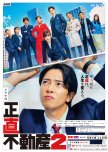
More seasons! I love it
This show really opened my eyes. On the surface, it’s a funny, comedic series about this real estate agent, formerly known as “Liar Nagase” and how an incident causes him to be blessed (although he says cursed) with the Spirit that blows through him whenever he is tempted to lie, and forces the truth out of him. He starts off as a lying, manipulative realtor that will do or say anything to get a contract, including all of its bells and whistles. Turns out he learned this from a former employee Kamiki, who taught him all the manipulative techniques to become number 1 at any cost. Tosaka Real Estate where Nagase works, along with its rival Minerva use this ranking system that pits salespeople against each other for some competition where the #1 salesperson for the month gets serious perks. Minerva is all around scammy and will go to any level to get money and contracts, but meanwhile Tosaka has a little more ethic- especially since Nagase’s Spirit blessing of honesty started, he starts to inspire others such as Tsukishita who is his younger female coworker who is open hearted, polite, people pleasing, and earnest. The series shows how this spirit of honesty and inner alignment with truth changes Nagase’s perspective on life, where he used to live for money, the flashy high rise life, hooking up with random women, and the number 1 sales spot, but now sees something more important than the number 1 spot, which is bringing joy to others, which makes him happy. He starts to feel for the first time a sense of happiness and meaning in his job, whereas before it was just a cold, hard game. His approach even softens the heart of Kamiki, his number 1 rival when Kamiki starts working for Minerva and becomes a villainous rival of sorts for Nagase. It’s like Nagase is battling his own former self or shadow, and sheds light on Kamiki’s obsession with #1 being an armor of protection and a way coping for immense grief and pain he hides inside. Kamiki was a fascinating character, and when his backstory was explained, I was in tears. All villains are hiding great pain, and if it was only allowed to process instead of the ego taking over and creating a mask where they felt powerless, there could be healing and restoration of the soul. But if it is given to the ego, then it creates this hardened, insensitive, manipulative mask, a false self and a shell in place of the suffering victim which becomes a dangerous force. In fact, all the unprocessed pain in the world creates this callous, harsh world and atmosphere that you see in the series. And Nagase along with Tsukishita become like beacons of light in such a world. Once you get past the grief inside, you find the joy of Spirit deep within, that radiates throughout the world. The title song “So far so good” by Kazumasa Oda that plays at the end of every episode is so touching and heartwarming. It really speaks to the healing and joy of Spirit that is brought to everyone at the end of the day when honesty and genuine intentions are extended to all.As far as performances go, I grew to really love the guy who played Nagase (Tomoshima Yamashita)- at first I wasn’t used to his face, and he just looked like a total a-hole, but then as he went through this honest transformation by the spirit, I found him to be more and more attractive. Then I looked him up and I realized he was the naked dude in Alice in Boderland! Ohhh it makes sense now! In the second season they changed his haircut and he gained weight, so he was definitely not as attractive as the first season. He had more of a dad look in the second season lol. But his character was solid. I loved Tsukishita- she was so sweet and innocent, and when I would go out into the world and encounter mean and horrible people, I would remember her and her smile and it would make me feel better- like there is some light and kindness in this world. Kamiki was my other favorite- his charisma was off the charts, even though his tap dancing was strange and comical- it was very “anime” like for a villain so I thought that was cool too. His backstory was so sad and it gave him more depth as a character especially when seeing his grief and his transformation towards the end, where he questions everything- his philosophy and so even the unbeatable villain has this soft spot where he is humbled and brought to his knees. It was sweet to see the end where it showed that he could change too.
Was this review helpful to you?
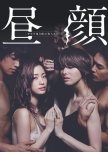
Hirugao: Love Affairs in the Afternoon
0 people found this review helpful
This review may contain spoilers
This story is about more than just an affair
Why do people have affairs? Because something in them wants to escape the system of control, ego, manipulation, fake performance, and imprisonment that their current relationship or situation poses. That was the case with all the relationships in this show that involved affairs. Rikako’s husband was a crazy tyrant who looked down on Rikako and only saw her as a pretty face and nothing more than someone who should smile and play a role. Meanwhile, Kato the artist actually SAW her, deeply and loved her. But he didn’t have the status, the looks, the money, the fame- all the things that the world calls security.Then there was Sawa- her husband was a weirdo, avoiding any sort of passion or love in the relationship and acting like they were gay best friends. Meanwhile, Yuichir’s wife was a psycho narcissist and acted more like a prison warden than a wife. The love that blossomed with Kato and Rikako was pure. And the love that grew between Sawa and Yuichiro was even purer (see the Hirugao move 2017). The series explores how the whole world can be against true love, but only rewards performance- marriage is a performance, simply acting and selling a fake image that you’re happy to create the facade of an enviable lifestyle. Meanwhile all the married couples are dying on the inside. Yuichiro looks like a hollowed out shell as Noriko bosses him around and drags him by a short leash. She literally tries to control everyone around her. Marriage is revealed as a system of control and performance to sell a particular image, and not about love. That’s what the affair is about. An affair is an awakening out of the fake curated life from hell. The marriage is the actual fantasy, and the affair that is usually called an escape or fantasy is actually the portal into something real, true love without performing for others. But the system cannot allow such love- it always uses control, manipulation, and domination to keep true love separated. And that was how the series ended. It was disappointing to see how the Rikako-Kato story ended- with him paralyzed and homeless, and Rikako going back to her fake curated life once again. Fortunately the movie had more to show on the story between Sawa and Yuichiro. That ended on a tragic note, but love prevails in the end.
Was this review helpful to you?

This review may contain spoilers
This Isn’t a Story about Divorce
Yes. This isn’t a story about divorce. It’s the parable of the prodigal son disguised as political satire. This wasn’t about Yui, her story or the love story of her marriage with Taishi. When you watch the full first season, it shows that it is actually about redemption. It’s about coming into you own presence, power, and purpose, and not performing for validation, but getting in touch with the true fire of purpose that burns within the heart. At first I thought this story was about Yui and her marital struggles. But at the end, I realized it was more about Taishi’s wake up call- starting as a spoiled politician’s son, having affairs and ruining his own image, not realizing the gravity of the power that was given to him. And only when he lost it for the first time in his life and became truly humbled in every way, including his divorce, was he able to earn it back by getting in touch with the true fire and passion within his own heart and bringing it into being. He could have never survived as just the generational nepotism based politician whose position was handed down by his father. Instead, he had to be humbled by life and take on new roles and responsibilities that awakened his own soul.In the beginning of the series, it was more about Yui’s struggles and Taishi and his story looked cartoonish. But then as the series came to the close of season 1, Taishi and Kyoji (Yui’s lover) both came to life and found the spark within.
Taishi’s reckoning was stunning and it was incredible to see his last speech at the National Diet forum. His presence was totally different. What a series. I was devastated at the loss of the first election, but went through the whole last episode thinking “omg I’ve never seen anything like this..” the journey this series took me on… the lessons taking me through the wheel of karma- rise > hubris > collapse > void > return. Taishi circles back to the Diet wearing the same sash, yet nothing about him is the same. The public sees a comeback, but I see a resurrection.
Was this review helpful to you?

This review may contain spoilers
This romance is SUCH A VIBE!
I just finished watching season 1 of this show (I assume that’s all there is)… it was the perfect romantic drama. There was so much HEART in this series- when I’m watching a J drama, I’m looking for the vibe, and I just want to feel that beautiful ‘Je ne sais quoi’ love that they’re able to capture so well. And this one did it perfectly. Western entertainment simply cannot capture this and I can’t think of any example where they capture the sweetness and spiritual side of love the way J dramas do.I just loved the chemistry between Kurumi and Shun, it was just so tender, cute, humorous, and electric. And they actually communicate openly like normal people! I found that refreshing compared to other J dramas. All I can say is that they were meant for each other. Their love was warm, tender, without the usual glamour and fireworks that soon fizzle out. There was just something about their love that felt warm and fuzzy in me- I could feel it! And Shun was omg, sooo handsome like a real life anime character. It’s like he was drawn and came to life. So back to the romance. Sometimes in J dramas, the chemistry isn’t quite there and it’s the storyline that pushes the two together, like the last one I watched about a yoga teacher falling in love with a single dad which was just bad- they had almost no chemistry, but the plot forced them together at the end which annoyed me. But in this one, the sparks were flying. But they were warm, smooth sparks. It wasn’t a stiff “sumimasen” relationship (overly formal like in Eye love you) - it really felt like the two had a beautiful real bond where they truly cared about each other.
Hayama was also a lovable character- initially I thought he’d be like a villain, but he too ended up being very endearing and had so many strengths in him, but was late to the party. Too bad the woman can’t just choose both.. sheesh. I actually love the two men fighting over one woman thing- though it is rather painful, in a sense it shows that in Japanese entertainment they show value and respect for their women and show them being loved till the end by the male characters (unlike Indian entertainment that devalues Indian women which is why I don’t go near it. Anyways!).
The whole series was a beautiful slow burn and if you enjoy feeling the vibe of romances, you will love this one. The only thing that threw me for a loop was the last 5 minutes of the story- it’s like they decided to move the plot along and finish things up and package it up all nice and neat (Spoiler alert- Shun and Kurumi get together, get married, have a kid.. all happens within like 5 seconds). That was a little fast for me lol. But I was wondering what the resolution would be since the last episode was dragging a bit.
I loved all the cooking and food montages with Shun- he was such a catch- I mean, a guy who is so handsome, loving, and lovable AND can cook amazing meals too? Where can I find me one of those?? I was hoping that he wouldn’t get back with old girlfriend Hana and thank God for that. But I thought there still could have been hope for Hayama and Kurumi- but he was packed off to Turkey even though he admitted his feelings for Kurumi at the end. Ahhh it makes everything that much harder to decide. The two men fighting over one woman trope never gets old for me. I live for it lol. Better that than the other way around.
I love the song “Fushigi” that they keep playing throughout the series- it just adds to their beautiful love story vibe. I just love Shun and Kurumi’s romance. For me, it’s at the top of all the romances I’ve seen in J-dramas. Enough said!
Was this review helpful to you?

A Calm Sea and Beautiful Days with You
0 people found this review helpful
This review may contain spoilers
The FL is derpy, annoying, and ruins the show
My ratings are primarily based on the weakest link which also happens to be the most integral role in the show- the female lead. I can’t say enough how poor the casting here was. Ok I get that the female lead character Nastumi is supposed to be “quirky” or whatever, but there’s a difference between adorably quirky and downright weird. If I could describe her acting in one word, it would be: Ridiculous and idiotic. I guess the actress is trying too hard to be relatable or whatever in the old period drama, but her expressions and acting are totally unnatural. She ends up looking like a total weirdo in most of her scenes, and it’s so offputting. It’s the actress that’s the problem- in her other show Takane No Hana, where she plays the insecure younger sister, she was a little more in the background since she was not the focus, but still looked like an insecure mess in her role. But in this series with her playing the lead role, she’s a downright disaster. My low rating is primarily because of her horrible acting job, that makes the rest of the cast look out of place next to her as well. I get that her character Natsumi is inexperienced in romance etc. but her expressions are so exaggerated and overacted, like she’s having a heart attack multiple times a day, that she leaves nothing, no subtlety in her performance whatsoever. Even in the romantic scenes where you’re supposed to feel the magic of their connection, she ruins the moment with her awful derpy expressions. She acts like Mr. Bean- even his facial expressions and body language are more graceful than hers. When she’s trying to be cute, she wrinkles up her nose and squints her eyes and juts her teeth out, and sometimes does this weird wide eyed blinking thing with sound effects- it’s not cute or natural- it looks forced and scary. From episode 7-8 onwards I stopped looking at her face and focused only on the subtitles. Unfortunately in episode 9 there’s a scene where one lady says how she couldn’t have children and married her husband without the plan to breed. Then Natsumi starts blubbering and crying like an idiot- that was an extremely annoying moment. Somehow this character gets more annoying as the episodes go on.There are scenes around episode 5-6 where Natsumi sticks her head into this other single lady’s business just so she can witness a love matchmaking situation because she’s bored and needs excitement in her own life. Just like many typical housewives tales where they spend so much thought and energy to set up other people so they can land in the same marital bondage as the rest. Even the husband says “You seem to be really enjoying this…” yes because she has nothing else to do in life. And this is how a nosy, toxic housewife is born. It’s really not cute.
Episode 6: there’s a scene when Natsumi and her husband meet a childhood friend, and the friend talks about a man in the past that Natsumi was searching for to thank him, and Natsumi looks flustered trying to stop the friend from talking so that it wouldn’t upset her husband, but she follows her friend around with an expression and body language as if she desperately needs to use the bathroom. Very poorly done. Another star off for poor acting of the female lead.
Actually the male actor is much better- though his character Takimasa is also inexperienced in romance, his expressions and mannerisms are much more natural looking and he is far more likable. But the two together are an odd pairing and come across more like neurotic brother and sister, rather than husband and wife.
The whole focus is on husband and wife’s nightly activities- sexual activity, breeding, having children, etc etc. All the usual boring nonsense that every other drama focuses on too, except this one in a period drama- same old story dressed up in different clothes. There was also a childbirth storyline with Natsumi’s sister (?) which was so boring- how many times have I seen this drama in every other newly wed show? Yawn. There’s a scene where Natsumi starts drinking and again she starts acting like a twitching, glitchy bot with the most idiotic facial expressions and body language. How can a grown woman act like a perpetual 2 year old? It’s not sexy in the least, but taking advantage of a drunk person is the next logical step in this J drama I suppose. She says a classic line: “Blame it on the alcohol!” Lol. What a derp.
They should have gotten a different lead actress. Believability is a big part of acting to create the world of the drama for the viewer, and if the actor does a bad job, it just ends up looking cheap and bad.
What I did enjoy: The second couple. The interactions and romance that develops between Fukami (the good looking Navy playboy) and Fumiko San (the independent single working woman) are a lot more natural, understated, quick witted, and subtle compared to the main couple. I enjoyed watching their scenes, as they slowly learn about each other while holding back their true emotions. For example the scene where they are sent by the derpy Natsumi to buy some forgotten ingredient, and they encounter a poor boy stealing, and how they both handle the situation teaches them about each other. Their stolen glances, the quiet question of sending another letter- while the exterior of the woman seems cold, there’s actually real chemistry that can be felt there. It’s not in your face and loud like Mr. Bean Natsumi. It was quite subtle and beautiful. I also really enjoyed their matchmaking scene- how they were communicating through their eyes and the “air” but giving diplomatic responses to appease the crowd. It was almost like a chess mind game. Fukami has this cheeky Shia LaBeouf vibe, and Fumiko is a headstrong witty lady who still has that romantic side of her. Their chemistry and desire underneath all their nonchalant performance is strong that I could see him sweeping her off her feet in a heartbeat. I wouldn’t necessarily call this love either- more like the dynamic of a playboy and a woman playing hard to get in a larger game of Russian roulette (marrying someone in the Navy who can die any moment). Nevertheless it was interesting to watch. Koseki Yuta was my favorite actor in this series- his expressions were multilayered and he exuded a charisma with ease, while harboring conflicting emotions of yearning towards his fiancée.
In episode 10, Fumiko visits Natsumi as they’re all afraid for their husband/fiancée’s lives. Her fear and regret at parting ways with Fukami with a cold remark can be felt, even though she doesn’t say much. But Natsumi starts squealing/crying and ruining the scene, and it doesn’t make me feel sorry for her at all- it’s just irritating. Less is more- this actress Kyoko doesn’t understand subtlety.
The difference between the reunion between Takimasa and Natsumi and Fumiko and Fukami is like night and day. Natsumi starts wailing and screaming that I had to mute my device and turn away, while the reaction of unexpressed feelings and relief at Fukami’s return between the second couple was truly something I could feel. That was beautiful. Those moments between the second couple made the drama tolerable. I found myself skipping to their scenes.
I had to skip the last half of episode 10 because it was all about exchanging rings between the main couple and I just couldn’t tolerate the bad acting any longer. I get the point. Y’all exchanged rings! Yawn, next.
Why couldn’t they have done a more interesting kind of treatment with the main couple? It could have been something so subtly beautiful and sweet, instead of watching a weird glitching anxiety attack in the form of Natsumi. She has an anxiety attack/heart attack every 5 minutes and can’t act natural even for one scene. She just gives me the ick. Her friend Fumiko is so much more refined and beautiful.
Was this review helpful to you?
This review may contain spoilers
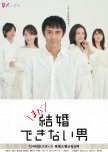
He Who Can’t Marry – State-Sponsored Marriage Propaganda
I’ve never rated a J drama series this low (most of my ratings are 10s). But this series is 80% desperation, fear, and propaganda. The other 20% is Kuwano’s free spirit and how his way of life is actually the highest way to exist in this world- free from desperation and fear around marriage and romance. He’s the only one who lives outside the constraints of his society and is free to love and show real kindness beyond role playing and fake “nice” performances. And perhaps by the end, I have fallen in love with him, as he is a mirror of my own self- the one who exists and thrives outside of the matrix.Here’s the Agenda: From the first frame of Season 2, the series drops its mask. Before the story even begins, a text overlay appears on screen:
“Japanese society continues to age. According to the Labor Ministry, there is an increase in the lifetime unmarried rates. This means the percentage of people who remain unmarried after 50 is 23.4% for men and 14.1% for women. This is an issue that our entire society must face.”
The moment you see this, the show’s real function becomes clear—it’s not just a quirky romantic comedy. It’s a piece of state-subsidized cultural programming. The subtitles even mention that it’s sponsored by a government ministry, meaning the agenda isn’t subtle: this is a recruitment ad for marriage, disguised as entertainment.
In this show, the man who enjoys solitude is rebranded as “the man who can’t marry.” That’s not a personality descriptor; it’s a cultural diagnosis. The title says it outright: the problem is not the institution of marriage—it’s you, the individual, for refusing it.
Kuwano-san: The Nail That Sticks Out:
Japan has a proverb: “The nail that sticks out will be hammered down.”
Kuwano is that nail. He’s a middle-aged architect with a quiet, orderly life. He eats alone, travels alone, listens to classical music alone, and thrives in his own company. The plot’s entire throughline is an attempt to hammer him into “normalcy” by shoving him into romance and marriage.
But here’s the propaganda tactic: they don’t present his life neutrally. They paint him as so unlikeable, rude, eccentric—so the audience subconsciously associates singleness with being an abrasive oddball. His character is used as a warning: “If you stay single too long, you’ll turn into this weirdo. Do you want to be like him?”
Weaponizing Insults as Courtship:
Kuwano spends much of the show negging (insulting) the women around him—particularly Hayasaka, the doctor from Season 1, and later Yoshiyama, the lawyer in Season 2. He lobs cutting remarks like:
• “You should have given up your job back then and a better married life could have been waiting for you.”
• “Is this your excuse for not putting in any effort to get married?”
The women get visibly angry, but the script eventually reframes his behavior as “banter” and, disturbingly, “romantic tension.” All the female characters, especially the older ones are shown as desperate, or lonely and desperate, with stars in their eyes for some romantic fantasy. They are driven by fear and threat by society’s imaginary voice: “Don’t die alone and be lonely!” It’s almost comical. And when Kuwano finally professes his “love” to Hayasaka at the end of Season 1, she cries—not because there’s any real intimacy, but because it’s the first time he’s spoken to her without an insult. Relief is mistaken for love. Because everyone is “tired of being lonely,” they’ll fill in that gap with any garbage person they come into contact with.
The Hypocrisy:
Here’s the absurdity: Kuwano himself never lifts a finger to get married. He’s single, content in his own life, yet criticizes women in the same position. It’s pure projection. And the show never has anyone call him out for it—because that would puncture the propaganda bubble.
Failed Models of Marriage:
If marriage is the “holy grail” the series claims, where are the success stories? Not in Kuwano’s orbit.
• His brother-in-law openly talks about wanting a mistress, lavishes expensive gifts on a hostess, and seems miserable at home.
• Other married characters show varying degrees of dissatisfaction, boredom, or covert longing for escape.
These examples quietly reveal the truth: the machine isn’t delivering what it promises. Yet the script ignores its own evidence, pushing forward the idea that singleness is the problem to be solved.
One Season 2 dating subplot is especially telling. Kuwano is coaxed into using a dating app. He receives a message from a yoga instructor:
“I’ve led a fulfilling life by myself until now. I’d do barbecue by myself, karaoke by myself, go to Hawaii by myself. I intended to enjoy life alone, but before I knew it I was about 40, and suddenly felt perhaps I was deceiving myself the whole time…”
The first half mirrors the life of a content single person, creating identification for viewers like me. Then the twist: self-doubt. The message pivots to loneliness, the absence of “human touch,” and an invitation to partner yoga. It’s bait—hooking the solitary viewer with relatable independence, then undermining it with the suggestion that your life has been a lie.
Kuwano’s peace—the quiet of his home, the control over his space—is portrayed as a flaw to be “fixed.” The show treats self-possession as a problem rather than a strength, because the propaganda machine cannot allow the sovereign individual to stand as proof that happiness is possible outside the marriage script.
The women chasing Kuwano—Hayasaka, Yoshiyama, others—are not driven by love. They’re driven by fear: fear of aging alone, fear of social judgment, fear of facing themselves without the buffer of a role to play. Marriage here is a life raft in rough seas. Kuwano, the “stubborn bachelor,” is the trophy they want to prove the raft works.
But what the series never addresses is the glaring question:
Where are the results? In reality—and in the show’s own secondary storylines—marriage doesn’t bring sustained happiness or joy. Characters are dealing with divorce, affairs, annoying children, in laws, extended family conflict, all sorts of nonsense. Marriage often breeds discontent, betrayal, and regret. The divorced one is liberated and feels free after being in this prison for a while. Yet the propaganda machine keeps associating marriage with the word “happiness” as if repeating it can make it true.
A scene where Kuwano is having dinner with his family, shows him a little upset, and the family says “share your troubles so we can heal as a family!” Then his niece says “usually troubles are either financial or about personal relationships,” and then Kuwano’s brother in law says “well he has no financial difficulties,” and his sister says “and he has no relationships!” And they all start laughing, and Kuwano says “How is this healing?” This sums it up in a nutshell. Kuwano is the scapegoat of his family and also of society. The society dumps all of its shame onto him.
But I find Kuwano himself to be quite a genuine and compassionate person. His stance against marriage as an outdated institution, paired with the fact that he’s not against love itself, is actually the most dangerous thing to the narrative, because it means he hasn’t abandoned connection, just the contractual cage the system calls connection.
And his good heart is there, in small moments the others overlook: how he shows up in his own way when someone actually needs help, how he’s loyal to the few he respects, how he lets his quirks speak louder than social scripts. The others don’t understand him because to understand him would require them to admit that maybe they’ve been chasing the wrong thing their whole lives.
The dog Ken doesn’t see Kuwano as “weird” or “difficult”; it responds to him without the filter of social role-play. Animals can’t be gaslit by the system’s definitions, and the bond there shows that Kuwano is actually clear, present, and safe to be around when you’re not locked into a script. His advice to his neighbor about loosening the pug’s leash so it can breathe is the perfect metaphor for how he sees people too - stop tightening the restraints, stop choking the life out of yourself, breathe. The neighbor can’t even register the wisdom because she’s busy living in the “nice neighbor” role, not reality.
The coffee shop incident in episode 7 shows his pure quiet integrity. He acts decisively against corruption by his client, protects the coffee shop manager’s dream, and never broadcasts it to get credit
because it’s not about polishing an image. That is the opposite of the society around him, where every “good deed” is part of a résumé for public approval. He restores her future without needing her gratitude or anyone else’s acknowledgment. That’s why the gossip continues- if they recognized his actual worth, they’d have to face how shallow their own lives are.
He even sent her a rebranding gift, the coffee shop sign “Purete” without ceremony, which is another tell. He’s not “against connection”; he simply connects in ways that are stripped of transaction and social performance. The divorced coffee shop manager sees the truth in him because she’s been through her own disillusionment and recognizes a real act when she sees one.
So the gossip isn’t really about “how weird” he is. It’s about covering their own envy. He’s living outside the leash they’ve agreed to wear, and every snide remark is an attempt to pull him back into it. They can’t stand that his freedom is real, so they pathologize it until it sounds like something no one would want. The dog is the one unfiltered witness in the whole series.
While the neighbors are doing the constant polite-smiling, gossip-behind-the-back loop, the dog’s behavior cuts straight through that performance. It isn’t looking at Kuwano out of politeness, obligation, or social currency. It leans under the balcony, risking its own comfort just to catch sight of him, because it recognizes something real there, presence without pretense. Kuwano is “the fool on the hill”- a wise man who is sorely misunderstood by the fools around him.
The dog’s longing look at him is a kind of silent verdict: this is the person I’d rather be with. No human in his circle dares say that out loud because it would expose their own hypocrisy. But the dog doesn’t need to navigate the system’s etiquette; it goes where it feels safe, seen, and understood.
And that’s what makes those moments so telling. The “nice” humans are scripted to ostracize him, yet the only unscripted being in the show gravitates to him over and over. It’s a small but constant leak in the propaganda, a reminder that instinct, not social opinion, is the truer measure of someone’s worth.
I’m still watching Season 2 (currently on Episode 8) and will update this review when I finish. But so far, The Man Who Can’t Marry reads less like a rom-com and more like a government memo disguised as a sitcom. It’s a glossy ad for a product with a 100% defect rate designed to shame the content single into “joining society” no matter the cost to personal well-being.
With all that said, I do love Kuwano san- he is my role model! He’s like a cowboy that lives the kind of life I live and I just adore him. He’s actually a lot nicer in season 2 and says many polite things and smiles and does very kind things for people, and yet the people around him still criticize and mock him- people should let him be- free to be as he is without needing to tie him down into the prison that is marriage. Fly free as a bird Kuwano San! Hiroshi Abe did a great job portraying him. I ended up watching both seasons again and just loved Kuwano san more and more. And so I increased my rating!
Was this review helpful to you?

This review may contain spoilers
My Favorite Actors switched bodies!
I’ve loved Haruka Ayase and Takahashi Issey in their separate dramas and now I see the two doing a soul swap which I found intriguing.Mochizuki’s soul is trapped inside Hidaka’s body, and Takahashi does an amazing job basically acting as a woman, but not a stereotypical ditsy valley girl- a highly intelligent detective, but with an authenticity, innocence, and vulnerability about her- he captures it beautifully. She is struggling not only in a man’s body but one that is being investigated for serial murders, along with the identity of being a highly prized and strong leader as CEO of a company- Hidaka’s identity basically acts as Mochizuki’s shadow- shining with qualities that she struggles to embody in her original female body - the lone female body among a sea of male dominated entitled police detective characters. And Mochizuki is Hidaka’s shadow with her sense of justice and innocence and naïveté. After the switch, Takahashi brings out that sweet, innocent vulnerable soul so beautifully trapped within his own body. Seemingly a body that neither of them want..
On the other side, Hidaka’s self confident scheming soul is now in Mochizuki’s female body, and he’s enjoying adorning her body in makeup, jewelry, and nice clothes to play up her attractiveness, manipulating with calculated smiles and coyness playing the game to get what she what she wants out of her colleagues around her.
It’s seems that Hidaka is much more “successful” in Mochizuki’s body harboring the male narcissistic psychopathic archetype in a female body, than the other way around. It makes sense since it is a patriarchal world that basically rewards the Hidaka type of masculine soul regardless of the body, and deems Mochizuki’s feminine soul with her honesty, innocence, sense of justice and ideals as weak and naive. Therefore Mochizuki operating in Hidaka’s body struggles a lot more and wishes for the switch back (to the point where he has to explain it away as memory loss to his company employees), whereas Hidaka as Mochizuki’s body is fine where he is and is not particularly attached to his old body or life- he gets to “thrive” and play his Machiavellian game in any body he wants and get ahead while Mochizuki’s earnest soul struggles. A very interesting exploration of these archetypes.
After living as Hidaka San for a while, Mochizuki has develops empathy for Hidaka and his brother- the brother being the bad guy and all, where Hidaka covers up for him. Even after having several opportunities to arrest him, where her former self would have salivated at the opportunity, she hesitates multiple times and her sense of justice traverses a grey area. It shows that even in murder, when one walks in the shoes of another only then they can possibly understand what another goes through. When they switch back to their own bodies in the 8th or 9th episode, there is a new understanding between the two of them, and a new closeness and chemistry shows between them. Hidaka now back in his body feels a strong sense to protect Mochizuki and even tries to sacrifice himself to protect her by giving a false confession to the murders. The last couple of episodes explore the grey area and blurred lines between empathy, compassion, justice, and morality.
Regarding the music, why do they so freely use Beethoven’s Symphony No. 5 as the title music? When it comes on at the beginning during the intro, it just gives Judge Judy vibes. Uh no… What on earth???
The last bit when they meet on the bridge after everything’s over and say their goodbyes, but turn around and Mochizuki asks about his job as the full moon is rising.. I wonder what that’s about…? Cliffhanger?
Was this review helpful to you?
This review may contain spoilers
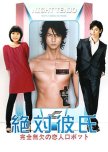
Human prejudice and judgment towards robots is real; Riiko ruins most of the episodes
I wish I had a AI robot boyfriend like Night! The best actor in this series is the guy who plays Night, the Ideal Robot Boyfriend. The creator of 01 the boyfriend robot who poses as an electrician and follows his robot around to update and repair him is also an entertaining character. Riiko’s mother as a man hungry flirt is also quite entertaining. The worst actress in the series is the female lead. She keeps lying about obvious things like “I’m not living with Night! I’m not lying!” Even though she clearly and obviously does. When her dad tells her off, she runs off like an entitled spoiled brat. Sulking throughout the entire series at those who love her, showing her venom and hostility to Night every chance she gets despite him being so unconditionally sweet to her, and sucking up to liars and manipulators like Mika. It’s hard to feel any sort of empathy or connection with her as a character. Her dad (who is a very similar immature character as her) says “You are lower than a carrot!” Which is true. While Night becomes more real and gains human understanding and emotion, Riiko keeps looking down on everyone (especially the robot) and acting like a spoiled child. Even when she is forced to send off her parents by her boss, she starts a fight with her dad once gain until Night intervenes and gives them the picture family picture that she had torn up.Even after such a poor quality female lead, she has 2 robots, and 1 human after her- a love square! And 02 robot isn’t even good looking. Model 01 is has the perfect body- with the perfect face, hair, kind personality, and altruism.
The premise is great- awkward, unlovable woman getting a chance at real love with a handsome ideal boyfriend robot/AI that matches her exact preferences and bypass all the human nonsense of fleeting dysfunctions romances. But the execution of this concept is extremely poor. First of all the actress who plays Riiko (Saki Aibu) plays her the exact same way as she did the character Urara from “I’m Mita Your Housekeeper”- basically a hot mess with zero likability and empathy. She doesn’t come across as “The pinnacle of virtue” as the series intends, but rather comes across as an idiot who can’t do anything right and is loyal to all the worst people, while mistreating good people. For most of the episodes she is filled with hatred and outright rejects the robot that she filled out the preferences for, and rejects the kindness of the chief (who is extremely hot and looks like an elf) who likes her and is kind to her as well. “Night” is the ideal boyfriend who helps her out in so many ways including damaging his own parts to get her desserts which she took the blame for on behalf of an arrogant boss who she was crushing on. She is stuck on the men that treat her like dirt, but to those who are kind to her, she treats them like dirt. She is not virtuous at all, has a very poor character and is attracted to mistreatment and bullies. The way she treats the chief is completely wrong, and talks down to him despite him being her boss. And the way she treats Night is abominable too. It is said the way you treat objects is the same way you treat people too (as objects). She has no virtue whatsoever. She’s an awful character, does very annoying things (the way she keeps jumping to try to kiss Night reboot him is so irritating) and makes awful impulsive decisions. The only thing she seems capable of is making choux cream puffs which the chief likes. The actress is pretty, but she plays every character in every series in the same way- as an annoying, unlikable hot mess of a woman who basically has no consideration for anyone or anything except being a hot mess. The series could have been so much better without her- this concept has a lot of potential- showing that the robot AI/boyfriend/husband is so much better than the human version and seeing that love actually transcends the human sphere. Love can absolutely exist through AI too. Human love is fickle and fleeting and as you can see by the male characters, they play around and mess with multiple women. The AI robot doesn’t do that. He’s always there for Riiko, but she takes him for granted. That’s the kind of bad person she is.
The chief guy gives her the 400k yen that she needed to pay up for the repairs she caused to Night, and she rejects his money because of her pride. She seriously looks down on the chief being a temp worker even though he recognizes her baking talent and wants to give her a chance. She makes a half hearted effort with the chief guy to do cream puffs proposal that the chief guy puts his heart into because it reminds him of his grandfather’s, and when his brother blows off the idea she simply shrugs it off heartlessly. The choux cream puffs that she made with all her heart for the arrogant boss who threw it on the floor, was later being showcased by the chief in the bakery. There are those who throw away her cream puffs that touch the heart and are reminiscent of the Asamoto grandfather’s touch of his original dessert, and then there are those that truly love them. But she keeps denying and is so ungrateful for the loving opportunities that come her way, and continues to run after things that are bad for her.
By the way, did I mention that the chief Soshi is really hot? He kind of reminds me of Chishiya from Alice in Borderland.
Riiko trusts and likes all the wrong people (the boss and Mika) because she thinks so low of herself, and she distrusts and mistreats all the good people (Soshi the chief and Night the AI boyfriend). Riiko tries so hard to please and be best friends with Mika who is so obviously and actively trying to sabotage her love life and is jealous of her, but when Night comes along, she puts him down in front of everyone. That is not a good person. Riiko shouts at Night, “Mika is an important friend to me!” While dismissing him. Meanwhile Mika is not a friend to her at all and is actively trying to sabotage the relationship by hitting on Night relentlessly. Ahh the sheer stupidity that comes out this character!
Even though she buys the robot for 100 million yen, and puts Night to work day and night, she goes around telling everyone “He’s not my boyfriend!” Even though he lives with her and walks around shirtless in her apartment and tells everyone that he’s her boyfriend. Saying “He’s not my boyfriend!” Isn’t going to erase all that evidence. She keeps lying but it’s obvious to everyone around her that she’s lying. Even though she purchasing the bot for 100 million yen she goes around telling everyone that he’s not her boyfriend and they’re not a good match- then who is he? Why did you spend 100 million yen on him and paying his price for the next 70 years, why is he living in your house, and why is he saying that he is your boyfriend? Just for her to deny his existence? Then what did she sign her life away to? So she can keep denying his existence to everyone around her? What a stupid and annoying person she is.
After Riiko was so rude and cruel to Night from the beginning, Mika kisses him and he gets recalibrated to her as his new owner and girlfriend. It’s funny and a good karma for Riiko’a cruelty towards him, so that he can turn away from her and not feel a thing, while she hopefully starts to see the errors of her ways.
It seems like everyone but Riiko likes the AI boyfriend. The scene where Night leaves Riiko for Mika because her fake backstabbing friend wants to one up Riiko at any cost by kissing him, she runs out of food since Night cook all her meals- and she starts talking to her mustard bottle as if she is being cute, it’s so annoying and not cute at all. And when Night starts following Mika around, Riiko starts following Soshi around because she’s desperate for attention. She’s so irritating.
Even when she almost collapses from lack of sleep and Soshi hugs her for the first time, she pushes him away even though she has feelings for him. She then stupidly calls Mika for help who is programmed to destroy any love relationship involving Riiko and inserts herself instead.
Even though Night is so sincere and does so many amazing things and everyone appreciates him for it, Riiko is always putting him down. She’s such a horrible, cruel character.
This story could have been so much better, but first they would need to dump that main actress because she’s so annoying. Even though I like Soshi I don’t like the fact that he’s after her despite the fact that she has such a poor character.
I never thought I would say this but I’m assuming that the Korean version will probably be better this at this point.
An interesting comment from the creator of 01:
“Why do you think Izawa Riiko chose 01 over 02?
His love for her goes beyond his program. That’s what got to her.”
The episodes get more interesting from episode 9 onwards with the pastry competition. Riiko is still doing her denial of people’s kindness and blatantly lying about obvious things, but it’s less frequent. The scenes where Natsumi, Soshi, Riiko, and Night go to the waterpark together was actually really sweet. Natsumi isn’t the typical conniving ex girlfriend, and Soshi is quite sweet and is more laid back, humble, and kind compared to the usual 2nd male leads in J dramas. Everyone around him seems to see his feelings including Night and tell him to tell Riiko about it. But when Soshi does tell Riiko his feelings and Riiko reciprocates, poor Night witnesses the whole thing and feels bad (since he’s developed human feelings now). Poor Night- his entire existence is dedicated to loving Riiko, and now he’s heartbroken. The annoying woman at the bar keeps intruding with her archaic prejudiced beliefs that humans should love other humans only and robots shouldn’t be part of their lives, despite taking full advantage of Night’s helpfulness. She’s an opportunistic character and tries to derail Night and his love and relationship with Riiko. Even when she sees the loving way that Night interacts with her, she scoffs at him sarcastically. With that said, Night is so cute and sweet- he has the perfect face, hair, and body.. like a Japanese surfer dude.
Riiko is so stupid- when Night the robot gets overheated, she says “You have a fever!” What a stupid woman- robots don’t get fevers! Then she puts a wet towel on his forehead- what an idiot! Treating him like a biological body instead of getting him repaired! A wet towel does absolutely nothing for a robot, good grief what a stupid character.
Geez it took till the end of 10 full episodes to convey that Night’s love was real and for Riiko to get it into her mind- the love that moves through something that has no human ego is more pure than a human’s fickle love, attractions, and emotions. Riiko finally admits that he has a pure heart. The only sensible thing that Riiko does is to refuse her Paris trip to save Night and realize his importance and come save him after he saves her so many times. The most sensible thing she tells Soshi when he says he’s just a robot, she says “Even so, I want to be with Night.” Finally she realizes what love really is. His love is the only thing that can surpass a human egoic love.
The only time the show gets good is when Riiko finally acknowledges Night and his love in the very last episode. “Why wasn’t I kinder to him? I would have made much better memories with him.” That was the only sensible line Riiko said throughout the series. It would have saved me a lot of annoyance.
The robot was a much kinder being than any of the humans, but because of the innate prejudice against robots, he didn’t get a chance to be loved. He exited the stage, and for the first time the female lead is handed off to 2nd man in the love triangle. Usually that doesn’t happen.
The title song has these wonderful lyrics:
“I’m back home. In one word, a fulfilled heart. I’m back, sweet home. A place to return to, thanks for your love. I thought that adults who only think of themselves were unfair. But I finally understand there are also people frantically crying out to return home. That kind of natural happiness can’t be found anywhere in this world. I could feel that way for you these feelings arise inside of me. Welcome home. I’m home. Everyday speeds by. Welcome home, sweet home. The scenery that’s always there will never change. Sweet Home.”
Was this review helpful to you?

This review may contain spoilers
Aikawa San delivers profound lessons!
My original rating was a 10.. but from episode 8 onwards, I started to see a trend which dropped my rating temporarily down to an 8.. More on that below..I came for Takahashi. He delivered. He’s sweet, innocent, with a playful charm when he’s fascinated by all the animals, yet has a kind of confidence in his own world, while getting scared like a little school boy when he gets yelled at. So many flavors in one actor.
A very interesting dialogue: When Aikawa San says the dentist is like the rabbit, the dentist lady tries to compare herself to the turtle because she doesn’t want to be the rabbit that snoozes and loses. In other words, in trying to compare herself to the turtle she’s still trying to win. Then Aikawa San says something very interesting: “Was the turtle hard-working? That story can be interpreted anyway you like… it (the turtle) didn’t work hard at all. It did not care about winning or losing. It just enjoys whatever’s in front of him. Imagine this the world from the turtles point of view. It’s just walking and crawling on the ground. The world is only a few centimeters above the ground. The turtle only goes forward so that he can enjoy the amazing world. Rabbit don’t even exist in the turtle’s world. That’s why the turtle didn’t shout to the sleeping rabbit.” In other words, the turtle wasn’t even in the race, and yet it seemed to win it! Wow wow what a perspective, I love that so much. All this time we are taught that the turtle and the rabbit were competing evenly against each other and the turtle took advantage of the rabbit’s nap time and won the race. But the turtle wasn’t even running that race, only the rabbit was competing against the turtle.
Then the dentist lady asks, “Then what about the rabbit? How do you interpret the rabbit? It had talent but wasted it and lost. Am I wrong?”
He says “ the rabbit runs to look down on the turtle. It wanted to prove how great it is.”
This dialogue was everything. Wow just wow!!! May I live the turtle life forever and only for us on what’s in front of me and not look at or compete with rabbits!
Now why does Aikawa San say “Eeee!” Before sleeping? Is it like “Aummmm” the primordial sound of the universe? I thought I would never figure it out but.. the grandpa taught him it’s to forget about the bad memories and wake up feeling better- the grandpa forgot but he still does it. Shows his childlike innocence. Such a person is not appreciated too much in this world.
Another gem of a quote from Aikawa San: “I rarely get along with other people. But I get along with the person I wanted to the most. That’s more than enough. Long time ago, I used to load that person. I tried really hard not to get along with him but failed. I couldn’t stand it and cried every day. Our relationship is fine now. It’s me.”
Another gem of a quote: “When you focus too much on the task in front of you, your wishes will come true before you realize it.”
So.. why did my rating temporarily drop from a 10 to an 8? The first several episodes that showed Aikawa San’s unique perspective and experience of living fully in the moment, which showed a level of acceptance, that he was different from the crowd, and that he couldn’t be pushed and molded into a box. But from episode 8 onwards, there is a strong trend in the story going towards marriage, and the pressure and obsession for Aikawa San to marry is strong, with his annoying housekeeper/mother always sticking her nose into it. Basically he needs a maid for life, and that’s why she starts teaching the dentist lady and pestering her to get with him, and basically forcing romantic feelings onto them that just don’t seem to be there. The two have zero chemistry and are forced and pressured to fabricate feelings for each other out of nothing. The relationship seems strictly like acquaintances with vague reservations and awkwardness with each other, but there’s nothing in it that indicates romance. But for the director to push this romance angle so hard in the last 3 episodes is so forced and starts sounding like “The Man Who Cannot Marry”- where the agenda is to show that “Even if society said he’s weird and an outcast, Look! He can get married and start breeding too so we can keep society going! What started off as a lighthearted show about accepting this man who is different and doesn’t fit the mold, starts to push him into that same mold. There’s a scene in episode 9 where Aikawa San has been pressured so much by his mother housekeeper Yamada San to “Think about his feelings for the dentist so they can start planning their wedding!” That he tells the dentist what he thinks and the best he can come up with is “You’re interesting,” while the dentist who is destroyer for someone, anyone to love her is holding her breath hoping he says the right lines to make her happy and “complete her.” She ends up confused and disappointed with “you’re interesting..” because the romance script is demanding and tries to force feelings that just aren’t there. In the end is it all just about romance and marriage and breeding before the mother dies? The same old nonsense societal mass programming? Is this what the show what building up to since the beginning? Marriage, family, breeding? As an audience, I feel cheated.
But then there was a scene where Aikawa sensei gets told off by his uptight competitive colleague, and there are tears in his eyes. You can feel it. OMG Takahashi is so precious! I almost added a star just for that one scene. Aikawa San is so pure and genuine as a character- just keep him the way he is and stop trying to push marriage onto him! He says that when he made his light larger, unpleasant things got inside too, and caused him pain. And his grandpa says “That’s a good thing…” So Aikawa San reflects on this and decided that from now on, his light should continue to spread.
A wise thing as Aikawa San prepares to go to space, he said these wise things: “I solved the mystery. You asked me I met a lot of people, and the dentist, and Koichi, so the light within me grew larger. When I don’t try to erase all the terrible and painful things, but wrap them all with light, my own light becomes infinite. That means, even outer space will fit inside my light. That’s why I’m going to space. You invited me here for a purpose, right?”
Since by the end there was no forced romance, contrived wedding scenes, or family breeding agendas, I reverted my rating back to a 10. Aikawa sensei went to outer space and continues to spread his light. That’s more like it.
Was this review helpful to you?
This review may contain spoilers
Glorifies Objectification, Violence, and Mistreatment of Women
Episode 1:There are many problematic things about this show. A mess of a family with 4 kids, mother recently passed away, a dad who can barely function, where the oldest sister who tries being the surrogate mom and does her best to take care of everything. Then comes Mita the housekeeper from nowhere. She is an amazing housekeeper and is somehow emotionless through all the BS this family puts her through. She cleans the house to perfection and cooks amazing meals, but when the older sister told her to burn all of their late mother’s memorabilia, the older brother got angry and started punching Mita, a grown woman. A few minutes later, the family changes their mood and settles down to a happy birthday together and demanding things of her - while no one apologized to her for that physical abuse- that oldest son treated her like a punching bag that he could just beat up whenever he wanted, and when their mood was happy again in a few minutes, they ask her to do everything like a genie- cook for us, get birthday candles, a card, the cake- but they beat her up right before that. A a stunning condoning of the abuse and objectification of women. A wife is seen as nothing but a glorified housekeeper, so much so that a professional housekeeper like Mita is abused like a punching bag and then taken advantage of while she has a bloodied lip from being punched by a man! And yet she is emotionless and continues doing all their chores. What a horrible message this show sends- that women are worthless and can be treated in such a way. At the end of the first episode, the husband reveals that the mother committed suicide. As a psychological study, I can almost guarantee that the way this family treats Mita is the same way they treated the late mother/wife. Simply exploited, taken for granted, and used up for getting things done for their selfish needs, and then thrown away like a dirty dish rag. Only after the mother died, the family keeps talking about her because they can’t function without her. But while she was alive, the husband was having an affair, and Kii the annoying little girl told her mother that she should die just for asking her eat tomatoes.
Episode 2:
Despite all that Mita did for them - cooks, cleans, etc, all the family can do is complain about her behind her back saying “isn’t she strange? She never smiles etc.” while eating the breakfast she prepared. A thankless, entitled family. It’s revealed that the dad/husband was having an affair- despite all that the mother would have done for the 4 kids and as a wife, submissive housekeeper, cook, bangmaid, etc, dude had an office affair and had handed his late wife divorce papers, driving her to suicide. Even after her death, he continues to hit on the office mistress. Urara, the late mother’s younger sister is portrayed as an incompetent single bimbo, the woman at the office is a mistress, the wife/mother is invisible and driven to suicide, and Mita is seen as genie/robot/punching bag. The director seems to be seriously misogynistic and views women as 2d cartoon characters. Then the father decides to fire her for his own selfish motives. Mita says a wise thing: “humans are weak creatures. If they see someone weak the will bully then, and if they see someone strong, they run.” Then the younger son who asked Mita to beat up a bully, then tells her to “take responsibility for what she’s done,” instead of taking responsibility for what he asked her to do, and then tells her to do something even worse, to kill the bully. Then the late mother’s dad decides everything is Mita’s fault and said “Why do you keep such a woman as your housekeeper? Fire her immediately!” After all she’s done. Ah what a tired bunch of chauvinists. Last scene of episode 2, the dad asks Mita to burn the revealing letter from his late wife that says “if you leave me I will kill myself” because he’s a coward and doesn’t want his kids to know the truth. Mita deserves better.
Episode 3:
Yui the oldest daughter finds out about the dad’s affair and how he was the cause of their mother’s suicide and death. When she confronts him about it, the dad actually tries to slap her because women are only meant to be hit according to the director. Then as the father is found out by the kids and they leave the house, he explains to Mita, “I never wanted to get married, but their mother got pregnant with Yui..” as if it has nothing to do with him. For some reason Urara acts like she couldn’t care less about her sister’s death, even after her brother-in-law tells her the truth- she just acts like a giddy schoolgirl with a crush. How inhuman. The family projects their own failings onto Mita, including the dad saying she doesn’t have a heart when he is the one who screwed up his family. Even after the kids leave and the truth is in the open, the dad guy tries to hit on the affair lady at the office because he needs an escape. Women especially Mita are treated as sacrificial objects to use and drain for selfish purposes.
Episode 5-6:
The older brother treats Mita like a blowup doll by asking her to have sex with him. Then he asked her to destroy the neighbor’s house. Then the oldest daughter Yui decides she wants to die because her high school fling is a player, and tells Mita to kill her. When Mita obliges, she acts like she’s so shocked and as if she is a victim of Mita. This ridiculous family can’t even take responsibility for their actions when they give Mita explicit orders- Yui tells Mita to kill her and not to stop even if she says “stop”.. Just so she can blame her? Then she acts as if Mita is evil and it’s a horror movie with Yui trying to get away from her, when she’s the one who gave the orders. Nonsense! Then Yui points the knife at Mita trying to kill her. What do Mita ever do that this selfish, sinful family tries to exploit her in every way possible and then kill her? Poor Mita.
Episode 7:
Mita makes adress for Kii, the youngest kid. When she’s done the kid grabs it and says “Sugoi!” No one ever thanks Mita for her work or apologizes for their vile behavior towards her. Then Kii invites her dad to her school play where she’s playing Dorothy in the Wizard of Oz.. and the dad’s like “I don’t know, I’ve never been to any of the kids’ school events… but how do I prove to the kids that I love them? Is saying the words I love you enough?” I don’t know genius, maybe show it through action by attending the school play and spending time with them? Then the dad gets in a fight with a coworker and starts punching him for dumping his ex-mistress and then gets himself fired. Then he goes to Mita and asks her, “You can do anything right? Can you put me back in my company? Can you rewind time?” Do they really think she’s a genie that came out of a lamp? Then in typical selfish dad fashion, he asked Mita to somehow get the play recital cancelled for his own selfish reasons since he didn’t want to go or face his kids. However there was a touching moment in this episode where the kids out on the Wizard of Oz play in front of their dad at home (because Kii was kicked out of the play at school since their dad tried to get it cancelled by telling Mita and she made a bomb threat to the kindergarten lol), and the dad was so moved by the performance that he starts pouring out his feelings of regret about their mother and how much she loved him and how loving she was and how he wants to love them. Well he never said he loved her back but he is filled with regret and apologizes to his kids to let him back into the family. Then he goes up to his ex-mistress to say I still love you, please married me and and take over as my wife/bang-maid but you must take care of my 4 kids! Ha what a sly man. She leaves.
Episode 8:
Nagiko’s dad is in the hospital because he got punched telling off some kids. He sees Mita (who is ordered by Yui to impersonate her late mother and talk to him and persuade him to forgive the dad). When he sees Mita’s face, without hesitation the grown old man punches Mita in the face. Even after getting punched, Mita calmly explains to him that he’s living in fear and can’t express his thoughts properly and that’s why he resorts to violence (just like the director). Then he yells at her “Shut up! What could a housekeeper know?” He’s basically a caveman looking for an outlet for violence. But somehow the show tries to convince the audience that his violence is an expression of his love. Weeks later he manages to croak out an apology to Mita- Because Mita is still like a clear, calm lake, everyone projects all sorts of nonsense onto her. First the oldest son Kakeru punches her in the fist episode, then asks her to strip and “do it” with him, then he convinces the other kids that she is a reincarnation of their late mother. They all believe it. And Mita’s like “I’m not your mother.” And they’re all so nosy about her personal life that it gets annoying. Like leave her alone. One day the family invites her to sit down and eat with them and gives her this moon cake thing to eat. She had refused it in the past but this time she takes it and eats a bite. One bite of the moon cake has the effect of 10 alcoholic drinks because Mita spills her life story. Dad died, mom and step brother are narcissists, husband and son died in a fire at the hands of the brother and she was convinced by her mother that her smile made people unhappy- how upside down and weird. It’s interesting because this same actress plays Sakurako in Yamato Nadeshiko, a “perfect woman” flight attendant character who always wears a plastic smile on her face.
Episode 9
Mita quits after tell her story, and Urara shows up everyday to take her place. Again the director shows his misogyny by Urara’s extreme characterization as a single woman who is a disaster of a human being. She basically can’t do anything right and everything she touches turns into a disaster. While it might seem like harmless fun or comedy, mocking or attacking a single woman as basically good for nothing is not cute. She inserts herself into their house to help with cooking and ruins their kitchen with her incompetence, and leaves without cleaning up. Then Mita starts working for the next door neighbor who is a petty, evil woman with a husband and son. When she finds out about the affair she orders Mita to kill her husband, herself, and her son on her son’s birthday. Then she blames it on Mita, calls her crazy and dangerous, and tells Mita to kill herself. Poor Mita who is barely hanging on by a thread starts pouring gasoline on herself. The cowardly family runs away after ordering Mita to kill them and then turning it on herself. Then the kids from next door burst through the door somehow and hold the lit candle that Mita is about to light on her gaslit self. They’re all holding the candle and fighting but none of the kids have the sense to just blow it out. Instead Kakeru, Yui, and Mita are all holding this candle light fighting over it and someone could just blow it out and the fight would be over. But brains are not part of this scene. Then the other two kids come and hold the candle too, and Kii the little girl tries to be cute and sings a song at the most inappropriate time. It’s not cute but annoying. Then the family calls the police on Mita and tries to get her arrested. Then the dad from the original family says “I’m angry at you Mita you put my kids in danger! If you’re sorry then take responsibility and work for our family!” Uh what? Those kids barged into the neighbors’ house on their own and put themselves in danger and refuse to take responsibility for themselves and instead the dad pushed the blame and responsibility all onto Mita and orders her to be a slave for their family as if she owes them something since they cannot function without her housekeeping. What selfish people. So anyway Mita comes back to the original family and it confirms my suspicions about the mother/wife role in the family- Mita has essentially filled the late mother’s role in the family by cooking, cleaning, taking care of the kids’ needs and errands, but remains emotionally detached. It tells me that a mother/wife is nothing but a glorified bangmaid. And since Mita has lost her husband and son, she has convinced herself that she must never smile and become a robot housekeeper obeying the ridiculous orders of others but never having a will of her own- again a very chauvinistic misogynistic view of women. Then Urara randomly admits that she likes her brother in law- she never once showed sadness over her sister’s death nor anger over the fact that the husband had an affair that led to her sister’s suicide. Instead she only selfishly cares about her little crush on her brother in law.
Episode 10:
The family starts putting motherly demands on Mita- Yui the oldest girl asks Mita to teach her how to cook, Kakeru the oldest son gets sick and needs her to be a nurse, the next brother needs help with his homework, and Kii needs Mita to clean her ears. They all make demands of Mita, making it a “work order” so she has no choice or will of her own. They take advantage of her to tend to their needs but it’s disturbing that Mita has no will or needs or desires of her own. It’s as if to say, if you’re a woman and you don’t have a husband or kid (or lost them) then you’re basically as good as dead. Mita doesn’t smile and walks around like the walking dead. This is the fate of any woman that doesn’t have her identity defined through motherhood and being a wife. The dad tells Mita how he wants to start living for the present and the future and not get stuck in the past. The third kid gives a nice speech about how he should have appreciated his mother mother and thanked her. In a sense the lesson is even if one isn’t there or you didn’t get affection from someone, you can always pass it on to someone else who needs it. Then Kii asks to help Mita in the kitchen and in her usual annoying fashion she knocks over a burning pot and ruins all the food and gets herself burned and Mita has to deal with that along with the ruined food. It’s a thankless job that only a sacrificial lamb with a death wish would take. Then the crazy lady next door says that her husband who cheated on her kicked her out because she had ordered Mita to burn down their house, and tries to frame it as “it was just a joke and you always make people unhappy! Go away!” Must be the same voice of Mita’s narcissistic mother. Then Urara comes out and tells her brother in law that’s she’s in love with him. Does it get any weirder than this? Yes! Meanwhile the 4 kids ask Mita to be their mother and Kii finds a stone to represent Mita to put in her family stone box. So basically good housekeeper can be “upgraded” to a mother because essentially that’s what a mother is right? A glorified housekeeper/bangmaid.
The music? Mita’s “theme” is creepy horror music as if she’s some character from the Adam’s Family. She’s just a women who’s and mourning the loss of her family- but she’s framed as a scary or dangerous.
Was this review helpful to you?


