



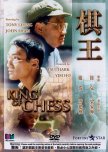
Historical melodrama mixed with goofy comedy
Although seemingly co-directed by Yim Ho, King of Chess has Tsui Hark written all over it, with Hark taking full control later in production leading Ho to disown the movie entirely, the end result mixes their styles but Hark's is way more prevalent than Ho's historical melodrama. The decidedly goofy comedic beats and experimental editing feel out of place for a movie like this, dealing directly with the uneasy history of Mainland China under Mao - Hark's movies often take a more symbolic or allegoric stance on the matter, so makes for a nice stylistic discrepancy in his filmography. However, the cross-cutting narrative between Mao's China and 90s Taiwan draws up some interesting results of paralleling struggles and combined with Lo Ta-yu's infectious synth-driven musical score leads to a movie never quite in focus and equal parts infuriating as it is charming in a way only Tsui Hark can deliver.Was this review helpful to you?
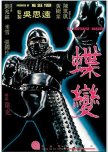
Tsui Hark's debut
The film debut of legendary Hong Kong director and producer Tsui Hark, The Butterfly Murders is a blend of everything and anything into what I'm going to say is an 88-minute new-wave wuxia murder mystery spectacle. If I'm honest, whatever you thought going into this film with a title like that, will not be what you get. Hark's visual style and later hallmarks are on clear display but also tangled up in a plot so confusing that if you look away for a second or even blink, you'll miss vital details and thus the whole story. There is one thing you can infer from the title, however... the butterflies do indeed kill people.Was this review helpful to you?
For a good cause if nothing else
Seemingly roping in about 95% of the Hong Kong Cinema industry, pretending that The Banquet qualifies as anything but a throwaway romp would be nonsensical. The story is strung together with the subtlety of a screaming competition and the plot twists are hackneyed and lame. The cameos and walk-ons are obviously meant to satisfy fans. The film's message is a well-meaning one, but the steps taken to get there are far from creative or interesting. While occasionally amusing, the film isn't really that good, as it was solely made to contribute to the relief efforts of the Yangtze River flood victims, so you can't deny the noble intentions of everyone involved as, ultimately, it does everything it's supposed to.The most pressing issue for me however was the clear absences of Chow Yun-fat and Jackie Chan, must have been busy that weekend.
Was this review helpful to you?
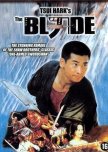
A whirlwind of blood, dust and psychedelic colour
Tsui Hark's 90s reimagining of the classic Shaw Brothers One-Armed Swordsman series, The Blade is a whirlwind of blood, dust and psychedelic colour. Beneath its rough, brutal appearance lies an uncompromising and technically evolved offering that takes a simple tale of vengeful perseverance and gives it the nihilistic gritty art-house treatment offering new twists on old conventions. Although seemingly frantic, it's never random, Hark brings such meticulous attention to everything it's hard not to be impressed.Was this review helpful to you?
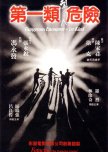
Dangerous Encounters of the First Kind
0 people found this review helpful
Director's Cut
With Tsui Hark's first two movies supposedly bombing at the box office, he decided to lay it all bare and go for broke with Dangerous Encounters of the First Kind, one of the angriest and seriously fucked-up coming-of-age teenage dramas you will ever see, one that never has a happy moment. An unforgettably disturbing piece, that's dark and nihilistic to the utmost extreme, with scenes that will undoubtedly make your skin crawl even if you are the most seasoned of gorehounds. The scenes of on-camera animal cruelty aren't even the worst parts which really tells you how fucked-up the movie truly is. There's a great use of music here, although most of has been stolen because I highly doubt Hark managed to get the rights to Oxygene, Jerry Goldsmith's score to the first Star Trek movie or Dawn of the Dead. Dangerous Encounters of the First Kind is one of the most uncomfortable viewing experiences you could ever watch with seemingly no characters to like but with an abundance to think about, this is a movie that takes balls to view but even bigger ones to make.Was this review helpful to you?
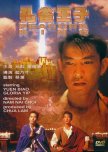
Ambitiously messy
Hong Kong adaptations of Japanese manga tend to hit differently, The Peacock King is no exception, always moving at a frantic pace. There's plenty of ambition sprinkled throughout the film, be it the incredible set design, insane practical effects or the stunning claymation work, the film certainly earns its keep. The problem that ultimately holds this film back from being an all-time classic of its industry is that unfortunately, the story is so unbelievably messy with the most minor of things derailing the experience, having six credited writers certainly gives you that impression. Regardless of that, director Lam Ngai Kai more than delivers plenty of his signature style even including a sequence where Yuen Biao battles a reanimated dinosaur, yes that happens, it just all feels a bit more on the cheaper side with its budget having been spent on its effects more than anything else. Backed by a great cast, including a sadly underused Gordon Liu, and a decent musical score, The Peacock King manages to keep an enjoyable tone despite the cheapness of the proceedings. I'll get to the sequel at some point.Was this review helpful to you?
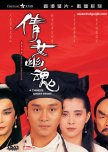
Primo 80s HK Brilliance
One of Tsui Hark's finest productions, A Chinese Ghost Story features many of Hong Kong cinema's most celebrated hallmarks, including over-the-top action, a wild mix of genres, and overwrought emotions that prove surprisingly compelling; nowadays, the film may seem slapdash and overeager to please, but even now it remains a piece of dark, fast-paced, goofy, sultry supernatural wuxia brilliance. While the film clearly owes a great debt to Sam Raimi, it's primo eighties Hong Kong cinema, which means a complete disregard for any attempt at realism. Everything here is so hyper-realistic and over-the-top that it makes Hollywood musicals look like the very model of restraint. There are plenty of spectacular special effects, exceptionally well-choreographed and elegantly staged action, a chilling atmosphere and a classic love story forming the backbone of the film's emotional core; the film is made all the better by Tony Ching Siu-Tung's absolutely gorgeous direction, captivating performances, the wonderful photography and utterly joyous musical score. A Chinese Ghost Story is a beautifully enchanting film and an undisputed classic for a reason, with a sheer cinematic energy that cannot be understated.Was this review helpful to you?
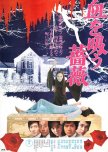
Toho do Hammer
Of the Bloodthirsty trilogy, Evil of Dracula feels the most traditional of the lot; yet, I thought only Hammer would have attempted to set a vampire loose amongst girls' college with predictable results. It certainly feels like the type of film Hammer would make given the gratuitous amounts of bare flesh and blood that permeates the runtime, all that's missing is Christopher Lee. It's noticeably crueller than its predecessors adding a layer of disturbing unpredictability but also relishes in a dose of campy surrealism with director Michio Yamamoto delivering a healthy portion of atmosphere and unnerving imagery, especially towards the end. The attempts to mimic Hammer's early gambles are appreciated, especially given the talents of the crew involved, with a particular scene midway through that certainly sticks in my mind. While several elements are revisited from the previous movies, the back story is the most expansive of the two and also adapts ideas straight out of Stoker's novel. It's another gorgeous effort in terms of visual design with strong performances and another so-so-jazzy soundtrack, Evil of Dracula may not break any major new ground for its subgenre but remains chilling enough to frighten even the most timid of viewers.Was this review helpful to you?
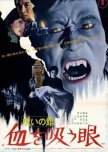
Watery Hench
While The Vampire Doll was a fantastic fusion of Western and Japanese elements with an alluring mystery, Lake of Dracula takes a more straight-laced approach but still offers just as much chills and atmosphere as its predecessor. The film has some incredible horror high points during its runtime, from a good old hide in the cupboard from the monster sequence to some drowning Gothic atmosphere, digging its hooks into the viewer right from the beginning. It wastes little time getting into the meat of things with Michio Yamamoto's incredible direction setting the tone and mood straight away, offering plenty of great scares and unnerving tension building throughout. While not delivering a new perspective on the fantasy of vampirism or Dracula, the film is absolutely gorgeous, all accompanied by some terrific performances and another jazzy musical score by Riichirō Manabe, it's not great but it works well in tandem with the film's visual design. Despite the mess of the story, that does not stop Lake of Dracula from delivering a splendid and highly atmospheric homage to the gothic icon. Offering all that a fan of blood-suckers looks for, draped in an alluring, unheimlich atmosphere and decorated with some effective moments of gore.Was this review helpful to you?
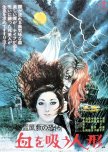
Effectively creepy spin on the vampire mythos
The first entry in Toho's Bloodthirsty trilogy, The Vampire Doll, is an aspiring and brilliantly atmospheric spin on the classic vampire mythos. It has all the gothic trappings you'd expect from its Western counterparts while retaining all the eccentricities that come with Japanese filmmaking. A slow-burning and technically fantastic film, Director Michio Yamamoto tells his grisly story with a cool taciturn detachment, with plenty of scares lurking around the bend, some of it even hair-raising. Moody photography and classy art direction sell the isolated mansion setting with eerie grace and although the relatively simple story may not be anything new, it is written exceptionally well and told at a steady pace to keep maximum attention, the fantastic performances from the cast certainly help to sell it. The film's dark spot for me is Riichirō Manabe's score, while ominous, melodic and gloomy it feels overly repetitive and cheap. Fantastically made and brightly hued, The Vampire Doll is not entirely faultless but for fans of old-school atmospheric scares, it's a corker.Was this review helpful to you?
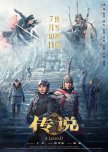
Painfully boring
Watching any form of modern Jackie Chan film comes with its fair share of challenges but A Legend hits a new low for the ageing martial arts star, in this so-called legacy sequel to The Myth. Sure, the film is lavishly produced, with plenty of sweeping landscapes, and suitably epic set pieces, however, it commits the cardinal sin of being unmistakenly boring and a slog to sit through thanks to some abysmally erratic pacing. The film tries to cram in way too much for its runtime and feels like two distinctly different movies crowbarred together, it's rather sad since I know Stanley Tong has been capable of so much better. The elephant in the room is of course the horrific de-ageing job done to Jackie Chan during the scenes set during the Han Dynasty, it looks like someone just got a picture of his face and slapped it on the body of a younger actor, it can be genuinely disturbing at times. If you're expecting Jackie to throw a few moves, then you'll have to wait till the last act before he finally gets down to business. Although it sadly stands as a consolation prize and comes too little too late. I will say however, I did like Nathan Wang's musical score despite the very cheesy and stereotypical soundscape. There’s a noticeable lack of adventure in A Legend, it falters with a largely self-serious tale of action fantasy and a central romance that feels more cringey than it does profound. I highly doubt Panda Plan is gonna be much better.Was this review helpful to you?
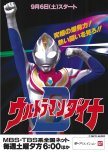
History repeats. But… it changes for the better, little by little.
A sequel to Ultraman Tiga was always going to be an uphill battle and Ultraman Dyna was a struggle initially. Still, Dyna fought that battle hard, never giving up and winning me over by the journey's end. Yes, it's a bit of a step down in quality, probably not helped by the budget cuts in contrast to its predecessor, but that doesn't stop the series from giving it its all when it matters and ending on one of the most gut-punching, haunting and melancholic finales I've seen from any of the Ultra shows.One of my major gripes with this series is its tone. Unlike Tiga, Dyna is more comedically focused, and that tone often undercuts any sense of tension or emotional beats. This frequently left me rather annoyed and disconnected in some of the more outrageous stories, but the series soon managed to find its way to getting the balance right and delivering the best of both. The lack of an overarching story for the majority of the series' runtime isn't necessarily a bad thing as there are some real standout episodes sprinkled throughout, it just lacks the drive to maintain the momentum in the sillier episodes which dominate the series.
My other gripe was with its main cast of characters, they aren't nearly as memorable as the Tiga gang, yet they all have clearly defined personalities and their headlining episodes allow them much more growth than initially expected but they still manage to feel undeveloped as a result. Asuka made for a fascinating watch as the series went on, starting as a real annoyance but pulling a massive 180 and becoming a true hero by the end. However, I don't think the reliance on the Tiga gang helped matters as they tend to crop up repeatedly throughout the series and steal the spotlight from our main team. Hell, Diago makes an appearance in the finale to inspire Asuka to keep fighting as he had done before.
I do have to applaud the production team and all their efforts on the series. The direction is usually great, the odd episode notwithstanding, I do wish we had more than one Akio Jissoji-directed episode. The model and suitmation effects are still up to the high standard of Tiga even if the CG is notably more frequent. While Tatsumi Yano delivers another fantastic score that rivals that of his work on Tiga.
Because I did it for Tiga, here are my favourite episodes from the series:
1. A New Shadow / Solar System Annihilation / Toward Tomorrow...
2. The Smile of Destruction
3. Bird of the Phantom Dream
4. Monster Drama
5. Tear of Churasa
6. The Snow of Venus
7. The 3000 Degree Heat Radiating Monster
8. The Time of Resolution
9. Captain Long-Legs
10. Soldier of Tsukuyo
I have my moans but Ultraman Dyna is still a fabulous show, it does struggle to escape the shadow of Tiga often falling back on it as a safety net, but the whole experience leaves you incredibly satisfied and notably saddened by the end. There's always hope among the darkness and Dyna provides the light even in the most dire of situations.
Was this review helpful to you?
I would die for Hanejiro
In many ways, The Return of Hanejiro feels similar to Tiga Gaiden, but unlike Gaiden, Return of Hanejiro feels closer to the tone and content of its parent show. A last gasp of the sillier elements before the finale, this film lays the jokes on thick and fast, giving a large focus to the bumbling Miji trio. However, the silliness is in earnestness and the special is a fun little side venture, one I certainly enjoyed more than Warriors of the Star of Light, it's much better paced for one thing. Set just after Hanejiro's farewell to the cast but produced 3 years later, it ultimately means the continuity between the two is very off as everyone has noticeably aged between projects, especially Mai who is practically unrecognisable. The production values are still fantastic though, Masaki Harada's direction is great, the cast is all fun to watch and Tatsumi Yano's music is always a winner. For everything that The Return of Hanejiro does well, it does still feel like an expensive DVD extra more than its own entity, regardless... I would die for Hanejiro and I'm sure many more of us would to.Was this review helpful to you?
I watched this for a joke…
Lolita: Vibrator Torture has been the subject of a long running joke between myself and a friend, we’d constantly be recommending it to each other or saying that we’re watching it, it’s a film I didn’t think I’d ever really bring myself to watch. And yet, here I am, having watched it. Doesn’t mean the joke will end though. With a title like Lolita: Vibrator Torture, the film gives off the impressive of exploitation nastiness, yet oddly this pink film is one you can’t look away from. There’s a sledgehammer styling to Hisayasu Satô's direction, the guerilla style camerawork and almost drone-like soundscape only amplifying the effects. Yes, the fetishisitc sex acts are the main selling point of these types of films but here the film is more concerned with diving into the psychological wallows experienced by its characters, it takes the pinku genre as a whole and dilutes it down. There’s a genuinely disturbing piece of extreme cinema buried within the overbearing sexual violence, it's not one recommended for the faint of heart. Stripped down to its core, Lolita: Vibrator Torture will challenge you, one that's meant to be difficult to watch and succeeding in doing so.Was this review helpful to you?
Tired and stagnant
On paper, the premise for Disciples of the 36th Chamber probably sounded promising, sadly this is a disappointing finale to the 36th Chamber trilogy. There's little of the inventiveness and vitality that figured so heavily in the previous films, instead, we're given a sub-standard kung-fu revenge plot tinged with the occasional comedic beats. It feels like a product of yesteryear, marking the passing of the torch when it comes to populist Hong Kong action cinema. One that relegates Gordon Liu to a mere supporting role and focuses on the most annoying Fong Sai-Yuk in the history of Hong Kong cinema as played by Hsiao Ho. That being said, Lau Kar-Leung's direction remains particularly strong but it's his script where the film falls apart, with a few tweaks here and there, it could have been a winner. The usual production values that so epitomise a Shaw Brothers production are all here but ultimately it's at the expense of awfully sluggish pacing, this is the shortest film of the trilogy and yet it feels the longest to the point at which I felt I was zoning out. Sadly, there's not a lot to distinguish Disciples of the 36th Chamber as its own unique experience. It feels tired and stagnant, even with all its traditional Shaw Brothers style, signifying a changing tide for audiences.Was this review helpful to you?


