
 Editorials


 2
2 6
6 1
1 1
1 2
2 1
1 3
3


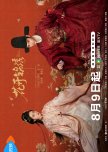
This review may contain spoilers
From Dust to Power, From Power to Peace
The Road to Splendor is, for the most part, a very solidly written historical drama that balances both its female and male leads. It is a story of betrayal, coming of age, hardship, ambition, redemption, heartache, sacrifice, and ultimately triumph. But more than anything, it is about the journey itself: the people you meet, the choices you make, what you lose along the way, and what truly matters when you finally reach the destination.
Set in a Ming Dynasty-inspired setting, the story follows Fu Tingyun, a noble young woman whose life is destroyed by a false accusation, and Zhao Ling, a salt smuggler from a humble background. Neither of them is secretly royal, a lost noble heir, or someone with a powerful identity waiting to save them. They genuinely have to work for everything they achieve.
That is what I loved most about this drama. Their road to splendor is not covered in roses. It is full of poverty, danger, betrayal, political struggles, family conflicts, difficult choices, and pain. When Zhao Ling and Tingyun begin their journey, they have almost nothing: no wealth, powerful position, influential connections, or safety net. They have to start from scratch, relying on their intelligence, determination, courage, and eventually each other. Because of this, every achievement feels earned.
Fu Tingyun's journey was one of my favorite parts. She begins as a noble young woman who understands the world through the privilege and security she was born into, only to suddenly lose everything. She experiences poverty, hunger, danger, betrayal, and the complete loss of the life she once knew. Watching her learn to fetch water, wash clothes, dry grain, and survive as an ordinary person was incredibly satisfying because her strength is built through experience rather than simply given to her by the plot.
One of the most painful moments was seeing her poisoned by her own grandmother, showing how little value she had to her family when her existence became inconvenient. Tingyun eventually learns that family name and blood relations do not necessarily mean protection. She grows into a woman who can stand on her own, rebuild her life without relying on her family, and support Zhao Ling without losing herself. I especially loved that she knew when to listen and when to stand her ground. Her five-year wait for Zhao Ling also showed incredible perseverance and devotion. She became a woman of her own making.
Zhao Ling's journey was equally compelling. He starts as a salt smuggler, rough around the edges, suspicious, clever, practical, and shaped by a difficult life. He isn't the typical powerful prince or noble young master. He starts from the bottom, and his rise is therefore both satisfying and painful.
At first, he believes gaining power will allow him to protect his people and create a better life. But the higher he rises, the more he becomes trapped by the system he once wanted to change. As an official, his responsibilities and political compromises slowly weigh him down. You can see the change in him through his constant headaches, unshaven beard, and increasing distance from his family, friends, and Tingyun.
I understood why he kept things from Tingyun to protect her, but I didn't always agree with him. Tingyun was never a woman who needed to be protected by being kept in the dark. She needed to stand beside him and fight with him. Still, I found his struggle realistic. He spent his whole life believing that becoming powerful would give him freedom, only to discover that power itself could become another burden.
That is one of the strongest themes of the drama. You can gain enough power to change things and still become trapped by that power. The Crown Prince initially gives Zhao Ling an opportunity to rise, but once he becomes Emperor, the relationship changes. Zhao Ling is no longer simply an ally; he becomes a blade in the ruler's hand. This is why I understood his decision to eventually leave the capital.
I loved seeing Jiao Wei Jiu return, even briefly, because it felt like a reminder of Zhao Ling's old salt-smuggler side before all the titles and political responsibilities. His decision to return to Ganlin and become a regional commander was honestly the best decision. Zhao Ling and Tingyun never truly wanted endless power. He wanted to give her a good life, and she wanted them to live peacefully together. Ganlin may not be as prestigious as the capital, but they finally have peace, family, freedom, and each other. After everything they went through, that feels much more like splendor to me.
Their romance is another major reason this drama worked so well for me. It isn't built around constant grand gestures or cliché romance. It is built through shared hardship. They begin almost like enemies and need each other before they love each other. Trust comes before love, understanding comes before romance, and their feelings grow from everything they survive together.
They have been through so much that sometimes a simple meal or small hug between them feels more intimate than a grand romantic scene. Their relationship isn't healthy because they never have problems; it is healthy because they eventually learn how to face those problems together. They don't always agree, and they sometimes frustrate each other, but they continue choosing each other. Their love feels less like fantasy and more like a genuine partnership.
The Ganlin arc remains my favorite because although they were poor and struggling, they actually got to live. They had ordinary moments together, while the capital turns their lives into constant strategy, politics, enemies, and potential disasters. I loved that contrast because it showed that higher social status doesn't necessarily mean a better life. Sometimes you can have everything society considers prestigious and still lose the things that make you happy.
I also appreciated how the drama portrays its women. They are not simply passive figures waiting for men to decide their futures. They scheme, calculate, negotiate, make decisions, and sacrifice. Almost every madam seems to be quietly doing something behind the scenes. The men may stand in the spotlight, but the women are often moving the pieces behind them.
As the story unfolds, the historical elements also become more interesting. The incorporation of things such as Ming Dynasty salt reforms and cultural practices like chastity arches gave the drama a stronger historical foundation. The salt trade isn't simply a backdrop; it becomes deeply connected to the characters, corruption, politics, and their rise to power.
The pacing also deserves credit. For a 36-episode drama, it never felt particularly stagnant to me. Plenty of tragic and uncomfortable things happen, but the drama usually doesn't drag them out for too long. Most conflicts are resolved within a reasonable amount of time before the story moves forward. There are some convenient plot developments, but overall the story remains coherent without relying too heavily on the kind of nonsensical plot devices that can sometimes ruin C-dramas.
There are also many interesting, frustrating, morally grey, and complicated characters along the way. I originally wanted to analyze every one of them, but I think this is a drama where you should draw your own conclusions. Some characters will make you angry, some will surprise you, and some will leave you questioning whether they are good, bad, selfish, or simply trying to survive.
Visually, the drama is also a pleasure to watch. I loved the contrast between the harsh northwestern landscapes, deserts, battlefields, and refugee camps and the beautiful, prosperous capital. The costumes, locations, makeup, and overall atmosphere give the drama a polished feel, while the performances carry many of the more emotional and character-driven moments.
And I genuinely loved the ending. After everything these characters went through, seeing them choose a quieter life away from the center of political power felt incredibly satisfying. They have a daughter, family, peace, and each other. After watching them spend so much of the story fighting simply to survive, seeing them finally get to live was exactly what I wanted. I also appreciated that many of the other characters received proper closure.
The Road to Splendor is much more than a romance or political historical drama. At its heart, it is about choices, ambition, temptation, conscience, sacrifice, power, and the consequences of getting what you once thought you wanted.
Fu Tingyun and Zhao Ling begin with almost nothing. One loses her noble status, while the other starts as a salt smuggler. They struggle together, rise together, lose things together, and eventually discover that perhaps the greatest form of splendor isn't standing at the top, but having someone beside you when you decide to walk away from it.
The road to splendor is ultimately an empty dream if you lose yourself and the people you love along the way. What truly matters are the people you meet on that road, the family and friends you build, the person you become, and whether you can remain true to yourself.
This drama made me smile, swoon, feel frustrated, become angsty, and occasionally want to scream at the characters. But most importantly, it made me care about the journey. It isn't perfect, but it is a journey worth visiting at least once, and I'm genuinely glad I didn't skip it.
Set in a Ming Dynasty-inspired setting, the story follows Fu Tingyun, a noble young woman whose life is destroyed by a false accusation, and Zhao Ling, a salt smuggler from a humble background. Neither of them is secretly royal, a lost noble heir, or someone with a powerful identity waiting to save them. They genuinely have to work for everything they achieve.
That is what I loved most about this drama. Their road to splendor is not covered in roses. It is full of poverty, danger, betrayal, political struggles, family conflicts, difficult choices, and pain. When Zhao Ling and Tingyun begin their journey, they have almost nothing: no wealth, powerful position, influential connections, or safety net. They have to start from scratch, relying on their intelligence, determination, courage, and eventually each other. Because of this, every achievement feels earned.
Fu Tingyun's journey was one of my favorite parts. She begins as a noble young woman who understands the world through the privilege and security she was born into, only to suddenly lose everything. She experiences poverty, hunger, danger, betrayal, and the complete loss of the life she once knew. Watching her learn to fetch water, wash clothes, dry grain, and survive as an ordinary person was incredibly satisfying because her strength is built through experience rather than simply given to her by the plot.
One of the most painful moments was seeing her poisoned by her own grandmother, showing how little value she had to her family when her existence became inconvenient. Tingyun eventually learns that family name and blood relations do not necessarily mean protection. She grows into a woman who can stand on her own, rebuild her life without relying on her family, and support Zhao Ling without losing herself. I especially loved that she knew when to listen and when to stand her ground. Her five-year wait for Zhao Ling also showed incredible perseverance and devotion. She became a woman of her own making.
Zhao Ling's journey was equally compelling. He starts as a salt smuggler, rough around the edges, suspicious, clever, practical, and shaped by a difficult life. He isn't the typical powerful prince or noble young master. He starts from the bottom, and his rise is therefore both satisfying and painful.
At first, he believes gaining power will allow him to protect his people and create a better life. But the higher he rises, the more he becomes trapped by the system he once wanted to change. As an official, his responsibilities and political compromises slowly weigh him down. You can see the change in him through his constant headaches, unshaven beard, and increasing distance from his family, friends, and Tingyun.
I understood why he kept things from Tingyun to protect her, but I didn't always agree with him. Tingyun was never a woman who needed to be protected by being kept in the dark. She needed to stand beside him and fight with him. Still, I found his struggle realistic. He spent his whole life believing that becoming powerful would give him freedom, only to discover that power itself could become another burden.
That is one of the strongest themes of the drama. You can gain enough power to change things and still become trapped by that power. The Crown Prince initially gives Zhao Ling an opportunity to rise, but once he becomes Emperor, the relationship changes. Zhao Ling is no longer simply an ally; he becomes a blade in the ruler's hand. This is why I understood his decision to eventually leave the capital.
I loved seeing Jiao Wei Jiu return, even briefly, because it felt like a reminder of Zhao Ling's old salt-smuggler side before all the titles and political responsibilities. His decision to return to Ganlin and become a regional commander was honestly the best decision. Zhao Ling and Tingyun never truly wanted endless power. He wanted to give her a good life, and she wanted them to live peacefully together. Ganlin may not be as prestigious as the capital, but they finally have peace, family, freedom, and each other. After everything they went through, that feels much more like splendor to me.
Their romance is another major reason this drama worked so well for me. It isn't built around constant grand gestures or cliché romance. It is built through shared hardship. They begin almost like enemies and need each other before they love each other. Trust comes before love, understanding comes before romance, and their feelings grow from everything they survive together.
They have been through so much that sometimes a simple meal or small hug between them feels more intimate than a grand romantic scene. Their relationship isn't healthy because they never have problems; it is healthy because they eventually learn how to face those problems together. They don't always agree, and they sometimes frustrate each other, but they continue choosing each other. Their love feels less like fantasy and more like a genuine partnership.
The Ganlin arc remains my favorite because although they were poor and struggling, they actually got to live. They had ordinary moments together, while the capital turns their lives into constant strategy, politics, enemies, and potential disasters. I loved that contrast because it showed that higher social status doesn't necessarily mean a better life. Sometimes you can have everything society considers prestigious and still lose the things that make you happy.
I also appreciated how the drama portrays its women. They are not simply passive figures waiting for men to decide their futures. They scheme, calculate, negotiate, make decisions, and sacrifice. Almost every madam seems to be quietly doing something behind the scenes. The men may stand in the spotlight, but the women are often moving the pieces behind them.
As the story unfolds, the historical elements also become more interesting. The incorporation of things such as Ming Dynasty salt reforms and cultural practices like chastity arches gave the drama a stronger historical foundation. The salt trade isn't simply a backdrop; it becomes deeply connected to the characters, corruption, politics, and their rise to power.
The pacing also deserves credit. For a 36-episode drama, it never felt particularly stagnant to me. Plenty of tragic and uncomfortable things happen, but the drama usually doesn't drag them out for too long. Most conflicts are resolved within a reasonable amount of time before the story moves forward. There are some convenient plot developments, but overall the story remains coherent without relying too heavily on the kind of nonsensical plot devices that can sometimes ruin C-dramas.
There are also many interesting, frustrating, morally grey, and complicated characters along the way. I originally wanted to analyze every one of them, but I think this is a drama where you should draw your own conclusions. Some characters will make you angry, some will surprise you, and some will leave you questioning whether they are good, bad, selfish, or simply trying to survive.
Visually, the drama is also a pleasure to watch. I loved the contrast between the harsh northwestern landscapes, deserts, battlefields, and refugee camps and the beautiful, prosperous capital. The costumes, locations, makeup, and overall atmosphere give the drama a polished feel, while the performances carry many of the more emotional and character-driven moments.
And I genuinely loved the ending. After everything these characters went through, seeing them choose a quieter life away from the center of political power felt incredibly satisfying. They have a daughter, family, peace, and each other. After watching them spend so much of the story fighting simply to survive, seeing them finally get to live was exactly what I wanted. I also appreciated that many of the other characters received proper closure.
The Road to Splendor is much more than a romance or political historical drama. At its heart, it is about choices, ambition, temptation, conscience, sacrifice, power, and the consequences of getting what you once thought you wanted.
Fu Tingyun and Zhao Ling begin with almost nothing. One loses her noble status, while the other starts as a salt smuggler. They struggle together, rise together, lose things together, and eventually discover that perhaps the greatest form of splendor isn't standing at the top, but having someone beside you when you decide to walk away from it.
The road to splendor is ultimately an empty dream if you lose yourself and the people you love along the way. What truly matters are the people you meet on that road, the family and friends you build, the person you become, and whether you can remain true to yourself.
This drama made me smile, swoon, feel frustrated, become angsty, and occasionally want to scream at the characters. But most importantly, it made me care about the journey. It isn't perfect, but it is a journey worth visiting at least once, and I'm genuinely glad I didn't skip it.
Was this review helpful to you?


