

 2
2 5
5 1
1 1
1 2
2 1
1 1
1


Two halves of a fruit ,Vows, fate, and a role-swap romance
A powerful love story with reincarnation, epic fantasy, hidden identities, sword fights, devastating sacrifice, and love that makes you scream into your pillow — this drama will wreck you in the best way. It’s unskippable, unforgettable, and undeniably addictive. once you start, you won’t be able to stop. And once you finish, you won’t be able to move on.
"Everyone has their own fate. Sometimes, you can save a person but can't change their fate." - Ye Xin
Was this review helpful to you?
This review may contain spoilers
A Micro-Drama That Deserved to Be Much Longer
I went into this one with completely different expectations because I genuinely had to double-check the episode length. When I saw that it was only around 20–30 minutes per episode, I honestly thought I had somehow found an incomplete version. After confirming that this was actually the full drama, I decided to watch it anyway, and I’m so glad I did. For a micro-drama, this was surprisingly ambitious, entertaining, and much better acted than I expected. In fact, out of the short-format dramas I’ve watched, I would easily put this among my favourites.What really made it work for me was the FL, Princess Zhao Yang. She is exactly the kind of female lead I enjoy watching a smart, calculating, politically aware, brave, and completely capable of playing the palace game. I loved that her intelligence wasn't just there for decoration. She constantly had to think several steps ahead, hide her real intentions, manipulate situations to her advantage, and know when to appear careless or ruthless while actually working toward something much bigger. Her seemingly frivolous behaviour was basically a mask she used to survive, and I really enjoyed seeing the contrast between the woman everyone thought she was and the woman she actually was. Snow Kong did a great job carrying that personality, especially considering how little time she had to establish such a complicated character.
I also really liked the political side of the story. Obviously, with such a short runtime, it couldn't explore everything in great depth, but I appreciated that the conflict wasn't simply *good prince versus evil prince*. There were power struggles between the princes, corrupt aristocratic families, commoners being exploited, problems within the government, and questions about merit versus inherited status. I particularly liked the idea of the FL helping talented commoners rise through the system because she understood that replacing a few people at the top wouldn't be enough if the entire structure remained controlled by the same powerful families. It gave her plans more purpose than simply wanting revenge or power for herself.
The ML was another pleasant surprise for me. Shen Xiao being a commoner who gradually rises through the ranks made his character more interesting, especially because his ideals were so different from the people surrounding him. He genuinely wanted to change things rather than simply become another powerful official. Li Hongyi also suited the role really well. His quieter, somewhat resigned personality worked surprisingly well opposite the FL's confidence and sharpness. Their dynamic was one of my favourite parts because she is constantly calculating and manipulating the situation while he often looks like he is simply trying to understand what this woman is doing to his life. But underneath that, his feelings for her were very obvious, and I really enjoyed watching their relationship develop.
The chemistry between the leads was definitely one of the highlights. Considering how short the drama is, they managed to establish a surprisingly convincing connection. Their relationship didn't need endless misunderstandings or unnecessary breakups to create tension. There was attraction, trust, frustration, political cooperation and genuine affection all mixed together. I especially liked that the FL never suddenly became stupid just because she fell in love. Her feelings didn't erase her intelligence, which is something I always appreciate in a strong female lead.
The drama is definitely not without flaws. You can feel the limitations of the short format and budget in some places. Certain political developments happen very quickly, some character decisions could have used more explanation, and there are moments where the story jumps from one development to another because there simply isn't enough runtime to properly explore everything. I actually think this could have been a really good full-length drama if the same story had been given 30–40 episodes. There was enough material here for a much bigger political romance, and sometimes I could almost see the longer drama hiding underneath the micro-drama format.
Despite that, I never felt like it was wasting my time. There was very little filler, and something was constantly happening. The pacing is fast, but in this case I actually enjoyed it because the drama knew exactly what it wanted to focus on. It gave me political scheming, romance, power struggles, strong characters and a satisfying resolution without dragging everything out for the sake of reaching a certain episode count.
I also have to give credit to the supporting cast. I was genuinely surprised after checking some of the actors and realizing that many of them are mostly supporting actors in longer dramas. Everyone managed to make their characters memorable despite having limited screen time. The princes and political figures all contributed to the story, and I especially enjoyed how the different sides of the royal family were used in the larger power struggle.
The story itself isn't particularly revolutionary. You can recognize quite a few familiar tropes, and I could predict where many things were heading. But honestly, I don't mind a predictable story when it executes its clichés well, and that's what happened here. The drama takes familiar palace-politics ingredients and makes them entertaining through the FL's schemes and the chemistry between the leads. I wasn't watching because I expected some shocking twist that would completely change everything. I was watching because I wanted to see how Zhao Yang would get herself and the people she cared about through the next political mess.
And honestly, that is probably my biggest takeaway from this drama: it was just really fun to watch. It didn't have enough time to become the epic historical romance it clearly wanted to be, but within its limitations, it delivered surprisingly well. I would have happily watched another 20 episodes of these characters, especially if they had given us more of the FL's political schemes, the ML's rise through the court, and their relationship after becoming a proper team.
Overall, I went into this thinking I was probably watching a random short drama to fill some time, and ended up being genuinely impressed. It has its flaws, and the micro-drama format definitely holds it back, but the strong FL, capable ML, natural chemistry, political intrigue and fast pacing made it an easy and enjoyable binge. Not perfect, but for a short-format drama, this was genuinely one of the better ones I've watched and I honestly wish it had been longer.
Was this review helpful to you?
This review may contain spoilers
More Than Revenge, More Than Romance-Finding Home After Losing Everything
When I started The First Jasmine (Mo Li), I expected another beautiful historical romance built around revenge, palace intrigue, and a slow-burn love story. Instead, I got something far more thoughtful. This isn't simply a revenge drama or a romance wrapped in political intrigue. It's a story about grief, survival, healing, loyalty, and the choices people make after losing everything. At its heart, it's about the fall of one era and the rise of another, where every character is fighting a different battle. Some seek revenge, some want to restore their family's honor, some are trying to clear the names of those who died unjustly, while others desperately cling to power because admitting they were wrong would mean accepting that their entire lives were built on mistakes. Every alliance has consequences, every victory comes at a cost, and every political decision leaves ordinary people paying the price.As someone who loves history, I found the political writing incredibly refreshing. Rather than presenting a simple battle between heroes and villains, the drama explores how power shifts, how loyalty changes with circumstance, and how survival often requires morally difficult decisions. At times, it genuinely felt like watching a historical lesson instead of a work of fiction. The politics never existed merely to create tension. They shaped every character's motivations, relationships, and choices, making the world feel authentic and believable.
One criticism I've seen repeatedly is that the drama is slow, but I never agreed with that. To me, a slow drama is one where the story stalls and episodes are padded with unnecessary filler. **The First Jasmine** never felt that way. It's simply a character-driven drama rather than an event-driven one. Instead of rushing from one twist to the next, it allows every important relationship and emotional wound the time it deserves. Every conversation, every silence, and every small decision contributes to understanding who these people are. I stayed completely invested throughout all forty episodes because I cared about the characters just as much as the plot.
The drama's greatest strength is undoubtedly Ye Li. Historical dramas often advertise "strong female leads," but that strength is frequently reduced to physical combat, reincarnation or transmigration storylines, or an exceptionally intelligent heroine whose brilliance is confined to household politics. Ye Li is refreshingly different. Her strength comes from her intelligence, resilience, emotional endurance, and quiet conviction. The epidemic at Lishan isn't simply a tragic backstory that's forgotten after a few episodes. It continues to shape every decision she makes throughout the drama. She carries survivor's guilt, quietly dedicates herself to protecting others, and refuses to let her grief define her. She never needs someone to rescue her because her greatest weapon has always been her mind. Watching her patiently outmaneuver her enemies through strategy while carrying unimaginable pain made her one of the most memorable female leads I've watched in recent years.
Mo Xiuyao complements her perfectly. He's not written as the flawless hero who swoops in to save the heroine, nor is Ye Li there simply to heal his physical injuries. Instead, they become each other's greatest source of comfort. Ye Li restores his confidence long before she helps him recover physically, while he becomes the first person who truly understands the loneliness she has buried beneath years of composure. Their relationship is built on trust, mutual respect, patience, and quiet understanding rather than dramatic misunderstandings or overwhelming passion.
Because the romance is so restrained, much of its emotional impact comes from Bai Lu and Cheng Lei's performances. They don't rely on grand romantic gestures or excessive physical intimacy. Instead, they communicate through lingering glances, subtle expressions, and carefully measured silence. Their chemistry isn't loud. It exists in the way they look at each other, the way they listen, and the way they instinctively understand one another without needing words. Bai Lu delivers one of her finest performances to date, portraying Ye Li's grief with remarkable subtlety. Even in scenes where she says very little, you can feel the weight of everything her character has endured. Cheng Lei is equally impressive, bringing quiet dignity and vulnerability to Mo Xiuyao. Together, they elevate every scene they share.
One thing that deserves far more appreciation is the production design. Every frame feels carefully crafted without ever looking artificial. I absolutely loved the makeup and styling because they embraced natural beauty instead of trying to hide everything behind heavy filters. You can actually see the actors' real skin texture, natural complexion, and expressions, which made the emotions feel much more genuine. The costumes are elegant without being overly extravagant, and the sets strike the perfect balance between grand and lived-in. The use of natural wood, earthy colors, stone, and soft lighting creates an atmosphere that feels warm, timeless, and authentic. Nothing feels excessively decorated or overloaded with accessories just to look expensive. Every room, courtyard, and palace feels believable, as though people genuinely live there. It is the perfect amount of detail without ever becoming distracting, allowing the story and performances to remain the focus.
Another aspect I deeply appreciated was how the drama portrays women. Instead of forcing modern ideals into a historical setting, it explores the different ways women exercised influence within the limitations of their time. Ye Li, Guo Jin, Qing Shuang, and the other women each navigate power differently through intelligence, strategy, sacrifice, or political manipulation. Their stories never feel secondary, and they offer a refreshing perspective that is often overlooked in historical dramas.
The supporting cast is equally memorable, with each character contributing meaningfully to the larger narrative. Their individual stories never feel like distractions because they all reinforce the central themes of loyalty, family, sacrifice, and survival. Even the antagonists are written with enough depth to make their motivations understandable, reminding us that history is rarely divided into purely good and evil people. I also appreciated how the drama handled Guo Jin's ending. Rather than giving her a gruesome punishment, it allowed time itself to become her greatest enemy. After spending a lifetime controlling everyone around her, she ultimately faced the one thing no ruler can command. I found that far more poetic than a conventional revenge ending.
The drama isn't flawless. There are moments where the editing feels abrupt despite its forty-episode runtime, and a few supporting characters deserved stronger development. I also wish Princess Lingyun's storyline had been explored more deeply because it held enormous potential. However, these are relatively minor shortcomings in a drama that consistently remains emotionally engaging from beginning to end.
Ultimately, The First Jasmine isn't really about revenge, despite revenge setting the story in motion. It's about finding hope after unimaginable loss, learning to trust again, and discovering that healing isn't something you achieve alone. It asks its audience to understand people rather than judge them, to recognize that history is shaped by flawed individuals carrying impossible burdens. By the time the story reached its beautifully understated conclusion, I realized the greatest victory wasn't defeating enemies or reclaiming lost honor. It was watching two broken people slowly find a place where they could finally call home. That is what stayed with me long after the final episode ended.
Was this review helpful to you?
This review may contain spoilers
Gentle ML, Loyal Grandma, and a Sweet Justice-Filled Romance
This drama was super satisfying! Finally, the bad guys actually got what they deserved instead of just disappearing. The bullying was annoying, but the ending made up for it.The ML is honestly perfect gentle, attentive, respectful, and so loving toward the FL. No yelling, no threats, no scheming, just pure support. His grandma is amazing too so wise, caring, and protective. This is what I call a healthy C-drama family! ❤️
The FL is sweet and gentle but also has a streak of steel when needed. She grows in confidence thanks to the ML and his grandma, and I loved how she completely cut ties with her toxic family.
The fake daughter was hilarious in her failures every time she tried to mess things up, it backfired spectacularly 😂. And unlike most dramas, there’s no other woman constantly scheming for the ML, which made the romance feel real.
I especially loved how gentle and caring the ML was in their intimate scenes. Their chemistry, plus the humor and heartfelt moments with the grandma, made this drama a really wholesome watch.
Was this review helpful to you?
Bound by Fate, Lifted by Love— A Promise Written in the Sky
Love in the Clouds is the first drama that truly convinced me to watch it while it was still airing — something I never do! Normally, I wait for a show to finish, but with LITC, I just couldn’t resist. The trailers, the clips, the spoilers — they all pulled me in, and I’m so glad they did because this drama did not disappoint me at all.From the very beginning, I fell in love with the lead couple. Their chemistry is simply electric, and the emotions they conveyed felt so real and raw. I was already familiar with the female lead from MJTY, but the male lead was new to me. After watching the trailer, I ended up watching three of his previous dramas — and honestly, he didn’t disappoint in any of them. His performance in LITC completely captured my heart.
I can confidently say Love in the Clouds is one of my absolute favorite dramas of 2025. My expectations were sky-high, and it didn’t just meet them — it soared beyond them. The story, the acting, the direction — everything felt beautifully crafted and deeply emotional.
At its heart, LITC is about two souls longing for freedom and love above the rigid rules of the palace — a romance as delicate and fleeting as a drifting cloud. It’s a story of two lovers bound by duty and fate, yet brave enough to chase the sky together despite impossible odds.
A tale of a promise made under the heavens — fragile, eternal, and unforgettable.
Was this review helpful to you?
This review may contain spoilers
A Surprisingly Exceptional Vertical Drama
I honestly didn’t expect a vertical drama to hit this hard. Most of them are messy, rushed, or full of plot holes — but Pride and Preference is the complete opposite. The story is tight, smooth, emotional, and unbelievably well-executed for its short format. Not a single episode felt choppy or confusing. Everything connects, everything matters, and the pacing is perfect.What truly elevates this drama is the chemistry between the leads. Their dynamic is natural, warm, and emotionally charged. The acting is impressive across the board, especially from the FL’s parents, who poured their emotions into every scene. The emotional weight in this tiny drama hits harder than many full-length shows.
Both leads have deep backstories that unfold beautifully. Jijun’s duality — switching between a vulnerable, soft-hearted boy and a strong, controlled heir — was especially well portrayed. And Meng Na? Her styling was flawless, and her emotional delivery gave the drama its soul.
I was terrified this would end in tragedy, especially with how intense some episodes were, but thankfully, the drama stuck the landing without betraying the emotional journey. It even made me cry — a first for a vertical drama.
A rare, well-written, emotionally satisfying short series that proves vertical dramas can be exceptional when done right.
A must-watch for viewers who want heartfelt storytelling without unnecessary drama or fillers.
Was this review helpful to you?

This review may contain spoilers
Comfort Found in the Countryside
When I started Sold Out on You, I wasn't expecting a drama about a home shopping host and a mushroom farmer to work as well as it did. It sounded like one of those oddly specific premises that could either be completely ridiculous or surprisingly charming. Thankfully, it turned out to be the latter. While it never tries to reinvent the romance genre, it knows exactly what kind of story it wants to tell. It's a cozy, easy-going healing drama that focuses on ordinary people finding comfort, purpose, and love through everyday moments.One of the biggest strengths of the drama is its setting. The contrast between Ye-jin's fast-paced career in Seoul and the peaceful countryside creates a refreshing backdrop that feels different from the usual office romance. The village slowly becomes a place where everyone knows each other, looks after one another, and naturally draws both the characters and the audience in. The mushroom farm, the local businesses, and the slower rhythm of life all add to the comforting atmosphere without making it feel overly idealized.
The romance develops at a gentle pace, and I actually appreciated that. Ye-jin and Matthew Lee don't fall in love through dramatic misunderstandings or grand romantic gestures. Instead, their relationship grows through shared experiences, small acts of kindness, and simply learning to understand each other's very different lifestyles. Their chemistry felt warm and natural, making the quieter moments together just as enjoyable as the more emotional ones.
I also liked that both leads were hardworking people who had devoted so much of themselves to their careers that they had forgotten how to simply live. Watching them slowly find balance, open up emotionally, and become each other's safe place was one of the most satisfying parts of the drama. It isn't an intense romance, but it's a comforting one.
The supporting cast deserves just as much credit. The villagers never felt like background decoration. Every side character had their own personality, small storyline, and role within the community. By the time the drama reached its finale and wrapped up everyone's stories, I realized just how attached I'd become to the entire village. Song Hak-daek was easily one of my favorites. She brought warmth, humor, and heart to almost every scene she appeared in. I also really enjoyed the second couple, whose relationship developed naturally and added another layer of sweetness without taking attention away from the main story.
One pleasant surprise was Eric Seo. So many dramas turn the second male lead into an obstacle or create unnecessary jealousy, but this drama chose a much healthier approach. He expressed his feelings respectfully, accepted rejection with maturity, and never became bitter or vindictive. It was refreshing to see a love triangle handled with emotional maturity instead of unnecessary drama.
The production is simple but effective. The countryside scenery, cozy homes, fresh produce, and peaceful landscapes create a relaxing atmosphere that perfectly matches the tone of the story. Even the fictional mushroom cosmetics felt believable enough that I almost wished they actually existed. There are also plenty of small comedic moments, like the rooster scenes, that keep the drama lighthearted without becoming silly.
That said, the drama isn't without flaws. There are a few noticeable plot holes, especially regarding travel time between Seoul and the village, which seems to change depending on what the story needs. Some conflicts are resolved a little too conveniently, and I wasn't entirely satisfied with Ye-jin's reconciliation with her mother. Considering everything her mother put her through growing up, the apology felt far too brief for such deep emotional wounds. I also wished Ye-jin had received a stronger apology and greater recognition after being proven right about the cosmetic controversy. Those storylines deserved a little more weight than they were ultimately given.
Another minor issue is that Matthew Lee remains somewhat mysterious throughout the drama. While his quiet personality fits the story, I did find myself wanting to know more about him beyond his role as the dependable countryside hero. The emotional focus leans more heavily toward Ye-jin's personal journey, making his character feel slightly underexplored by comparison.
Despite these shortcomings, I genuinely enjoyed every episode. The pacing remains steady, the episodes are easy to binge, and the story always leaves you with a smile. It doesn't rely on huge twists or melodrama to keep your attention. Instead, it succeeds through lovable characters, a peaceful setting, mature relationships, and an atmosphere that simply feels comforting.
Overall, Sold Out on You is one of those dramas you watch when you want to unwind. It's warm, charming, and surprisingly refreshing, with enough humor, romance, and heartfelt moments to keep you invested from beginning to end. It may not become everyone's favorite romance, but if you're looking for a relaxing healing drama filled with good people, a beautiful countryside, and relationships built on kindness rather than unnecessary conflict, this is definitely worth watching.
Was this review helpful to you?

This review may contain spoilers
When Familiar Tropes Are Done Right
This is a well-written business romance with good actors, solid production values, and strong execution. One thing I particularly appreciated was that the drama resisted the urge to add unnecessary comedy. Instead, it stayed focused on being a serious business romance, which worked very well for the story it wanted to tell.For a short drama, it delivers an enjoyable binge-watch experience. The main couple is convincing and natural together, and their chemistry carries much of the show. The supporting cast is also strong, but the actors portraying the grandfather in both timelines deserve special mention. They left a lasting impression.
This drama somehow manages to gather almost every cliché commonly found in short dramas, yet it still works because those tropes are executed well. Sometimes familiar stories can be enjoyable when they're handled with care, and that's exactly the case here.
One of my favorite aspects was the friendship between the male lead and his best friend. They were both charismatic, good-looking, and genuinely fun to watch whenever they shared scenes. The young actor in the Republican Era storyline also stood out with a very impressive performance.
The business side of the drama was another pleasant surprise. CEO stories have become incredibly common, but this one made the concept feel more believable by showing how the male lead built his success from the ground up. It felt realistic, especially in today's world where many young billionaires have achieved success through technology and entrepreneurship.
The villains were also surprisingly well-developed. Their eventual downfall felt earned, and Shen Hao in particular was a convincing portrayal of a spoiled rich heir who had spent his entire life getting whatever he wanted. His descent into madness near the end was both entertaining and believable.
I also loved the supporting characters, especially the best friends and the grandfather. They were supportive, loyal, and genuinely cared about the main couple. It was refreshing to see friends who stood by each other rather than constantly betraying one another. At one point, I worried that Shen Gu didn't truly appreciate Fang Hong Sheng, but the story eventually showed that he had always been grateful to him.
And of course, the main couple deserves praise. They looked fantastic together on screen, and the female lead carried herself with the confidence and authority of a true CEO. It's rare to see a drama where both husband and wife are successful business leaders, and I enjoyed watching a smart, capable, and independent CEO wife. Their chemistry was excellent, and they supported each other both personally and professionally throughout the story.
The Republican Era storyline was beautifully done, although undeniably tragic. I especially appreciated the parallel scene near the end that gave viewers a glimpse of a "what if" scenario where they survived and were able to receive their long-awaited happy ending. They may not have found happiness in their past lives, but seeing their modern counterparts get that chance felt satisfying.
Overall, this is a beautifully executed mini-drama that stands well above many of the rushed and poorly developed short dramas in the genre. The acting is consistently strong, with the cast conveying emotions remarkably well through subtle expressions and eye acting. The loyal friendships, supportive family members, and heartfelt relationships gave the story a warmth that many mini-dramas lack.
That said, I did lose some interest toward the final stretch, which prevented me from rating it even higher. Still, it remains a solid and enjoyable short drama that I would happily recommend.
Was this review helpful to you?

A Calm, Simple and Heartwarming Youth Story
This is the kind of drama you pick up when you want something comforting, easy to watch, and genuinely heartwarming. It works perfectly as a palate cleanser. There is little to no heavy angst, no frustrating misunderstandings dragged out for episodes, and no over-the-top drama. Instead, it gives you a soft, steady story about a group of friends growing up together, figuring out life, and slowly finding love along the way.What really stands out is how natural everything feels. The acting is simple and grounded, and the chemistry between the leads is effortless. Their relationship grows in a very believable way, moving from strangers to friends to something deeper without ever feeling forced. The female lead is especially refreshing. She is not written as someone chasing the male lead without self-respect. Yes, she can feel a bit much in the beginning with how hard she tries to befriend him, but that phase passes, and her character becomes much more balanced and likable. She is also academically on par with the male lead, which is a nice change from the usual dynamics we see.
The drama follows a familiar high school to adulthood journey, but what makes it work is the sincerity in its storytelling. It does not try to stand out with unnecessary twists or exaggerated conflicts. Instead, it focuses on friendships, personal growth, and the small moments that make life meaningful. One of the best aspects is how the characters prioritize their goals during high school. Even when feelings are obvious, they do not rush into romance. They focus on their studies and their futures, which makes everything that comes later feel more earned.
The friend group is another highlight. Their bond feels real, with natural ups and downs, but also a sense of lasting connection as they move through different stages of life. The transitions from school life to adulthood are handled smoothly, even with the time skips. You can actually feel them growing older, both visually and emotionally.
The main couple is sweet and stable, with a healthy dynamic that improves over time. They communicate well, set boundaries when needed, and handle confessions and rejections in a mature and respectful way. The male lead may seem like a typical quiet and reserved character at first, but he is never cold or mean. He just takes time to open up, and once he does, his warmth really shows.
The second couple, on the other hand, brings a lot more chaos. Their constant breakups and reconciliations can get tiring after a while, even if they are still fun to watch in their own way. The third pairing is subtle and hinted at, but due to obvious limitations, it stays in the background as more of a strong friendship than anything explicit.
The pacing is mostly smooth, especially in the earlier parts. Toward the end, the time skips feel a bit rushed, and I did wish we got more of the families during the later stages of their lives. Still, the ending is satisfying and full of warmth. It leaves you with a comforting feeling rather than emotional exhaustion.
Overall, this drama does not try to reinvent the genre, but it does everything just right. It is simple, sincere, and full of heart. If you are looking for a light youth drama with strong friendships, a healthy romance, and a story that flows naturally without unnecessary drama, this is definitely worth watching.
Was this review helpful to you?
Refreshing, Realistic, and Delightfully Cute
I absolutely loved this drama. Both the ML and FL are relatively new, which is refreshing for a young school romance drama. The ML has a charming bad boy vibe, kind of a mix of Seo In Guk and Ding YuXi, and the FL is smart, confident, and cute. Their chemistry is delightful, with slow-burn romance, teasing, and playful flirting that will make you smile like an idiot.The ML is a real hunter when it comes to the FL, and she never stands a chance against him. She is shy, but not too timid to speak up for herself. Her roommates and friends are all supportive, with no jealous characters causing drama, which makes the story feel genuine. That boy is a green flag, made of green flags, planted in a green field surrounded by a green forest on a green planet.
I absolutely loved this drama. It is cute, sweet, and refreshingly realistic. The male lead has a charming bad boy vibe that suits him perfectly, and the female lead is smart, confident, and not overly naive. Their chemistry is delightful, with slow-burn romance, teasing, and playful flirting that keeps you smiling throughout.
The friendships are genuine and supportive, and the dorm setting adds charm without unnecessary jealousy or drama. The storyline is well-written, with clever dialogue and thoughtful pacing, including beautiful flashbacks that enrich the characters. The drama strikes a perfect balance of innocence, honesty, and romance. It's heartfelt, fun, and highly rewatchable.
The drama is heartfelt, realistic, and fun. The dialogue and pacing are excellent, and the way the relationship slowly builds feels natural and earned. The ML is seductive yet grounded, and the FL’s innocence is just right. Their honesty and mutual respect make their relationship truly endearing. The supporting cast is equally wonderful, adding warmth and charm without overshadowing the main leads.
This is my first vertical youth drama that I genuinely enjoyed it. The script and performances were a perfect match for each other. Very sweet, slow-burn romance with relatable friendships and a heartwarming story. I highly recommend it.
Was this review helpful to you?
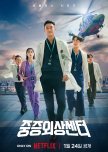
High Energy, Low Impact, Fun to Watch, Hard to Remember
The Trauma Code: Heroes on Call is a fast paced medical comedy drama that does not take itself too seriously. It delivers stylish emergency scenes, explosive energy, and a confident genius male lead, but it also sacrifices depth and realism along the way. While the show is entertaining, it ultimately feels more animated than emotionally grounded.Dr. Baek Kang Hyuk is written like a superhero rather than a human doctor. He can do no wrong, always knows best, breaks rules without consequences, and is never truly challenged by the narrative. Instead of growth, humility, or internal conflict, he remains a one note “perfect” genius throughout. Arrogance is part of his charm, but when the story never checks it, the character becomes tiring instead of compelling. Unlike great medical leads such as in Dr. Romantic or House, Kang Hyuk is never forced to face his own limits.
The supporting cast had potential but was never given enough room to breathe. Nurse Cheon Jang Mi feels like the most believable and grounded character, and Ha Young’s acting stands out naturally. Yang Jae Won also could have been interesting, but the drama never allows viewers to truly connect with him. There was space for emotional arcs, friendships, even light romance, but the short episode count and rushed pacing left everything surface level.
The medical cases are visually exciting and technically stylish, but emotionally hollow. We rarely learn about the patients, so the tension depends entirely on whether Kang Hyuk’s risky choice is “right” again, which it always is. This makes the cases repetitive rather than gripping. The drama focuses more on spectacle than storytelling, explosions and helicopters over human connection.
The pacing is fast, but often frenetic instead of exhilarating. Certain plotlines, like the plane trauma sequence, felt stretched while character development was skipped entirely. More episodes could have helped build relationships, stakes, and emotional investment.
That said, the cast chemistry is good, the production is polished, and the show is fun if you want something light, short, and energetic without heavy commitment. It works as a procedural entertainment piece, just not as a meaningful medical drama.
Overall, Trauma Code delivers stylish execution and engaging cases, but falls short in storytelling and character depth. It is enjoyable in the moment but forgettable afterward.
Watch it if you enjoy fast medical action and charismatic leads. Skip it if you want emotional depth, realistic growth, and layered storytelling.
Was this review helpful to you?
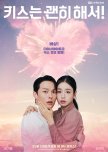
Great Chemistry, Questionable Writing
There is nothing wrong with clichés. I actually love them. When they are placed well and executed properly, they elevate a drama. The problem here is not that Dynamite Kiss uses tropes, but that in the second half it starts throwing everything in at once, hoping something will stick. Most of it does not.Dynamite Kiss started phenomenally. It had the right amount of familiar rom-com setups mixed with small twists that made everything feel fresh. Ji Hyeok may look like the classic cold rich male lead, but he is actually goofy with a soft, puppy-like heart. Da Rim seems like the typical kind and pure heroine, but she is surprisingly assertive, witty, and fun to watch. Because of that, the clichés felt enjoyable instead of tiring.
The first half delivered lovable characters, great comedy, butterflies-inducing moments, proper pining, and well-structured internal and external conflicts. It made me excited to keep watching. Unfortunately, the second half replaced that charm with unnecessary stupidity. What bothered me most is that it mostly affected the female lead, and that is never a good writing choice.
Da Rim’s writing fell apart. She went from genuinely good and strong to unrealistically naive and careless. The writer turned her kindness into stupidity just to push a weak plot forward. That kind of downgrade is frustrating, because character growth should add depth, not erase intelligence. What could have been meaningful development became lazy writing.
Ji Hyeok was not as infuriating, but still disappointing. The drama introduced him with a solid internal conflict and emotional complexity, yet later he barely grows. He stays mostly the same: smart, loyal, kind, and capable. That sounds nice, but without challenge or transformation, it becomes boring. The story stopped asking anything interesting of him.
Ironically, the second leads were written with more nuance than the main couple. I liked how the drama explored different priorities, especially between people with and without children. The way responsibility shapes choices was one of the smarter parts of the script. Yoo Ha Yeong was especially memorable. She seems spoiled at first, but turns out hardworking, honest, and flawed in a human way. Her pushiness created both warmth and discomfort, which made her feel real.
One of the strongest parts of the drama was the mothers’ team. They were not instantly portrayed as perfect workers. They were entitled at times, tired, and unsure of themselves. With Da Rim’s leadership, they learned to see themselves beyond just the role of “mother.” That theme was heartfelt and genuinely well done. It reminded me that people are more than what society labels them.
Where the drama truly failed was with its villains and business conflicts. Ji Hyeok’s father, sister, and Tae Yeong were stock characters with little depth. Their arcs were poorly built and added almost nothing. Instead of forcing typical corporate drama, the story would have been much stronger focusing on family dynamics, emotional struggles, and how those affect love and work. Ji Hyeok’s mother, in particular, deserved much more screen presence because her story was one of the most emotionally compelling.
As for the romance, the initial misunderstanding between the leads was actually fun. Some characters knew the truth, others did not, and that created interesting tension. Ironically, the best part of the relationship was before they officially got together. Once they became a couple, the spark dimmed because the plot focused more on forced drama than emotional connection.
The final episode was especially messy. The memory loss trope felt unnecessary and rushed. Instead of deepening the story, it weakened the emotional payoff. Combined with overextended misunderstandings, lies, and “protect the family” clichés, the ending felt dragged rather than satisfying.
Overall, I truly loved the first half of Dynamite Kiss. The chemistry was strong, the characters had personality, and the tone balanced romance and comedy well. Once the leads got together, everything crumbled because the writer piled on clichés and made everyone suddenly incapable of smart decisions, pushing romance and humor into the background.
I am giving this drama an 8. The first half was easily a 9/10 for me. It was also my first time watching both leads, and despite knowing the issues from spoilers and reviews, I wanted to judge it myself because of the initial hype. I do not regret watching it. It is flawed, but its strong start, charm, and early chemistry still make it worth experiencing.
I might have been more disappointed if I had watched this for the leads, since that usually comes with higher expectations for the script. Thankfully, this was my first drama for both actors, so it didn’t hurt my rating as much as it could have.
Dynamite Kiss is a drama that shows how powerful a good beginning can be, and how fragile a story becomes when writing forgets to respect its own characters.
Was this review helpful to you?
This review may contain spoilers
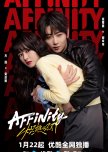
Wild, Addictive, and Surprisingly Emotional
Sci Fi, Passion, and an Unexpectedly Deep LoveAffinity belongs to that rare, chaotic, wildly creative corner of C drama romance that people jokingly call the “crazy but addictive” genre, and honestly, it sits right at the top of it. It is bold, emotional, visually stylish, and completely unafraid to abandon realism in favor of imagination. From the very first episodes, the drama announces that logic is not its priority. Feeling, atmosphere, tension, romance, and surprise are. And somehow, instead of falling apart, everything comes together in a way that keeps pulling you deeper.
What surprised me most is how complex the story actually becomes. On the surface, Affinity looks like pure madness with sci fi elements, action, romance, and twists thrown together. But as it unfolds, the world building starts to make sense emotionally. It is set on an alien, Earth like planet, and because of that, the drama fully embraces creative freedom. The writers do not limit themselves, and instead build a strange but fascinating universe where danger, desire, power, and love constantly collide. The plot keeps surprising you, sometimes in ridiculous ways, sometimes in emotional ones, but it never feels boring.
The production is stylish and immersive. The OST and background music elevate every scene, the visuals are attractive, and the action sequences are well placed so that every episode feels dynamic. There is always something happening. Whether it is fighting, escaping, emotional confrontation, or quiet tension between the leads, Affinity keeps momentum. Even the special effects, while not perfect, work well enough to sell the atmosphere of this strange world.
What truly carries the drama, though, is the relationship between the leads. Despite what some people might expect, their romance is not built purely on physical attraction. It grows slowly and deliberately into something romantic, emotional, and deeply meaningful. The confession scene is one of the strongest moments in the drama. When the female lead finally realizes that the male lead truly loves her, it hits hard and feels earned.
The male lead starts off as cold, brutal, emotionally closed off, and almost frightening. He is the type of character who believes feelings are weaknesses. Through the female lead, he learns what emotions are, what love costs, and what it means to care about something more than power or survival. His growth is one of the most satisfying parts of the drama. By the end, he is no longer just protecting her. He respects her, supports her goals, and stands beside her as a partner, exactly what she said she wanted earlier in the story.
The breakup arc in the middle is another highlight. Technically there is a separation, but it never feels cheap or pointless. It is forced by circumstances, not by lost feelings. Their conflict evolves naturally from anger, to resentment, to painful acceptance. Their last night together is heartbreaking, intimate, and unforgettable. It is one of those scenes that stays with you because it feels emotionally honest instead of melodramatic.
The reunion years later is just as powerful. The actors portray longing, guilt, regret, and enduring love beautifully. You can feel how much time and pain sits between them. The way she lets him back in feels natural, not rushed. There is no instant forgiveness, only quiet understanding and emotional truth. It makes their happy ending feel deserved instead of forced.
I also wish Affinity had been a full length drama. The chemistry between the leads is magnetic, sweet, and intense, and I would have loved even more time with their relationship, growth, and life together. Their love story feels big enough to deserve more space.
Something people do not talk about enough is the second lead couple and the female lead’s brother. His character is morally grey, complicated, and surprisingly touching. His relationship with the second female lead is layered and emotional, and even his death is not brushed aside. The drama allows the weight of it to exist, which makes the story feel richer and more mature. The supporting characters are not just decorations. They add emotional depth and parallel struggles that make the main story stronger.
Affinity is not a drama you watch for realism. It is a drama you watch for creativity, emotion, atmosphere, romance, and bold storytelling. It is strange, messy, intense, sexy, painful, and beautiful all at once. It takes risks, and most of them pay off.
I started this drama because of the hype and curiosity, and I did not expect to fall so hard for it. By the end, Affinity stayed with me emotionally. It stands out in a way most dramas do not. It is chaotic, imaginative, heartfelt, and unforgettable. If you go in with an open mind, it becomes a surprisingly rewarding ride.
Was this review helpful to you?
This review may contain spoilers
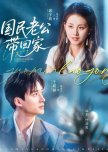
A Slow-Burn Romance Worth the Time
This drama was honestly such a pleasant surprise. The chemistry between the ML and FL was 🔥—their kisses felt mature, deep, and very natural, not forced at all. The ML clearly knew what he was doing in those scenes, and the FL matched his energy so well. Their body language, eye contact, and little gestures made everything feel real and emotional.What I loved most was how their inner thoughts and quiet moments were written. The story didn’t rush; it let feelings build slowly, which made the romance more intense and meaningful. It’s a slow-paced drama, but the longing, emotions, and acting make every episode worth it.
The ML’s character was heartbreaking yet admirable—bullied and mistreated by his family, yet still kind, protective, and selfless. Truly a rare green-flag male lead. His relationship with his younger stepbrother was beautiful too—pure, supportive, and free of jealousy. The FL was gentle, warm, and strong in her own way. She’d been through a lot, and seeing her receive genuine love felt so satisfying.
One villain (the stepmom) really caused unnecessary pain and delays—so frustrating—but it also made the eventual confessions and emotional breakthroughs hit harder. Their confession scenes were touching, sincere, and beautifully acted.
Bonus points for the original voices, meaningful music, and great cinematography. The birthday scenes were especially memorable—ML’s expressions alone said everything.
Overall, this is a mature, heartfelt love story about healing, sacrifice, and second chances. Not overly dramatic or violent—just emotional, romantic, and sincere. If you enjoy slow-burn adult romance with strong chemistry, this one is definitely worth watching. ❤️
Was this review helpful to you?

A Short Drama with the Heart of a Full-Length Film
Summer Rose is one of those rare short dramas that doesn’t feel short at all, it feels like a complete, beautifully crafted movie. The acting is outstanding, with both leads delivering some of the best performances seen in the vertical-format genre. The script breaks away from typical C-drama formulas, offering a raw, sincere, and emotionally grounded story that feels refreshingly real.What truly sets it apart is the honest portrayal of a relationship its struggles, miscommunications, pain, and growth. There are moments when you want to shake the characters for not communicating, yet you still root for them every step of the way. Their emotional journey feels genuine, heartfelt, and deeply relatable.
The drama also stands out for what it doesn’t rely on kidnappings, dramatic deaths, or over-the-top angst. Instead, it focuses on the simple truth that marriage isn’t always roses; it requires commitment, patience, sacrifice, understanding, and love. The final part, where each character expresses what happiness means to them, is especially impactful and beautifully done.
Unexpected, emotional, and incredibly well-acted, Summer Rose is a must watch short drama that delivers far more than its length suggests. It is easily among the most thoughtful and well-performed vertical dramas to date.
Excellence mature watch, It's a roller coaster ride of emotions watching this storyline. FL was willing to marry if there was no love attached, being fearful of loving someone and getting hurt like her mom did. The minute she fell in love with ML she broke off their engagement and left without sharing her feeling to him. ML was older with a stoic personality, in loved her, but not knowing how to communicate it to her. I hurt for him, he was sad, but he pursed to win her back. Only then I was able to see his gorgeous smile! This was beautifully written, and the leads are excellent actors, with great chemistry together!
Was this review helpful to you?


