
 K-Drama


 2
 6
 1
 1
 2
 2
 3



This review may contain spoilers
When Drama Clichés Become Pure Entertainment
Lost Romance is a must-watch for fans of Taiwanese, Chinese, Korean, and Japanese romance dramas. It cleverly takes the most familiar clichés from Asian romance stories and turns them into something fresh, funny, and irresistibly romantic. If you love overbearing CEOs, second lead syndrome, childhood connections, and dramatic confessions but wish those tropes were handled with more self-awareness, this drama delivers exactly that.The story follows Zheng Xiao En, a romance novel editor who is magically transported into the world of a novel after an accident. To her shock, she discovers that she is not the heroine but the villain. Determined to rewrite her fate, she does everything she can to win the heart of the male lead, who looks exactly like the man she secretly admires in real life. This imaginative premise creates a drama that is both wildly funny and deeply romantic.
Vivian Sung is absolutely perfect as Xiao En. Her comedic timing is excellent, and she brings endless energy and charm to the role. I loved how her character constantly mocked common drama tropes, from accidental falls to overdramatic confessions. She is smart, bold, and hilariously self-aware, making her one of the most memorable female leads in recent romance dramas.
Marcus Chang is equally impressive as the male lead. He plays both the cold CEO in the fictional world and his more vulnerable real-world counterpart with remarkable depth. His chemistry with Vivian Sung is exceptional, and their romantic scenes are some of the most passionate and convincing I have seen in a Taiwanese drama.
The second male lead deserves special mention. He is not just a typical rival but a fully developed and lovable character who leaves a lasting impression. I also appreciated the ending that the story gave him, which felt meaningful and satisfying.
One of the biggest strengths of Lost Romance is its humor. The drama is packed with references to iconic works such as Goblin, Descendants of the Sun, and Kill Me, Heal Me. Longtime drama fans will recognize and enjoy these playful nods. At the same time, the series never loses sight of its emotional core.
Despite its fantasy setup, the story is fundamentally about personal growth, healing, and learning to accept all parts of oneself. Xiao En’s journey is not only about finding love but also about understanding her own worth and overcoming her insecurities.
The pacing is excellent throughout all 20 episodes. There is no drag in the middle, and every episode remains engaging. The supporting cast is strong, and even though many of the actors were new to me, they all delivered memorable performances. The friendship between Xiao En and her best friend is especially warm and relatable.
The romance is the true highlight. The chemistry between the leads is outstanding, and the drama does not shy away from giving viewers plenty of heartfelt kisses, emotional confessions, and intimate moments. Their relationship feels both playful and deeply emotional, making it easy to root for them from beginning to end.
The soundtrack is also wonderful and enhances the emotional impact of the story. Combined with the polished production and engaging performances, it creates an immersive viewing experience.
The only minor weakness is that the real-world storyline becomes more conventional toward the end. However, this does little to diminish the overall enjoyment because the emotional payoff is satisfying and well earned.
Lost Romance is a smart, funny, and irresistibly romantic drama that celebrates everything fans love about Asian romance stories while gently poking fun at them. It is charming, heartfelt, and endlessly entertaining.
My rating: 9/10. A highly recommended watch for anyone looking for a romantic comedy with fantastic chemistry, plenty of laughs, and a creative story that remains engaging from start to finish.
Was this review helpful to you?

A Calm, Simple and Heartwarming Youth Story
This is the kind of drama you pick up when you want something comforting, easy to watch, and genuinely heartwarming. It works perfectly as a palate cleanser. There is little to no heavy angst, no frustrating misunderstandings dragged out for episodes, and no over-the-top drama. Instead, it gives you a soft, steady story about a group of friends growing up together, figuring out life, and slowly finding love along the way.What really stands out is how natural everything feels. The acting is simple and grounded, and the chemistry between the leads is effortless. Their relationship grows in a very believable way, moving from strangers to friends to something deeper without ever feeling forced. The female lead is especially refreshing. She is not written as someone chasing the male lead without self-respect. Yes, she can feel a bit much in the beginning with how hard she tries to befriend him, but that phase passes, and her character becomes much more balanced and likable. She is also academically on par with the male lead, which is a nice change from the usual dynamics we see.
The drama follows a familiar high school to adulthood journey, but what makes it work is the sincerity in its storytelling. It does not try to stand out with unnecessary twists or exaggerated conflicts. Instead, it focuses on friendships, personal growth, and the small moments that make life meaningful. One of the best aspects is how the characters prioritize their goals during high school. Even when feelings are obvious, they do not rush into romance. They focus on their studies and their futures, which makes everything that comes later feel more earned.
The friend group is another highlight. Their bond feels real, with natural ups and downs, but also a sense of lasting connection as they move through different stages of life. The transitions from school life to adulthood are handled smoothly, even with the time skips. You can actually feel them growing older, both visually and emotionally.
The main couple is sweet and stable, with a healthy dynamic that improves over time. They communicate well, set boundaries when needed, and handle confessions and rejections in a mature and respectful way. The male lead may seem like a typical quiet and reserved character at first, but he is never cold or mean. He just takes time to open up, and once he does, his warmth really shows.
The second couple, on the other hand, brings a lot more chaos. Their constant breakups and reconciliations can get tiring after a while, even if they are still fun to watch in their own way. The third pairing is subtle and hinted at, but due to obvious limitations, it stays in the background as more of a strong friendship than anything explicit.
The pacing is mostly smooth, especially in the earlier parts. Toward the end, the time skips feel a bit rushed, and I did wish we got more of the families during the later stages of their lives. Still, the ending is satisfying and full of warmth. It leaves you with a comforting feeling rather than emotional exhaustion.
Overall, this drama does not try to reinvent the genre, but it does everything just right. It is simple, sincere, and full of heart. If you are looking for a light youth drama with strong friendships, a healthy romance, and a story that flows naturally without unnecessary drama, this is definitely worth watching.
Was this review helpful to you?
Refreshing, Realistic, and Delightfully Cute
I absolutely loved this drama. Both the ML and FL are relatively new, which is refreshing for a young school romance drama. The ML has a charming bad boy vibe, kind of a mix of Seo In Guk and Ding YuXi, and the FL is smart, confident, and cute. Their chemistry is delightful, with slow-burn romance, teasing, and playful flirting that will make you smile like an idiot.The ML is a real hunter when it comes to the FL, and she never stands a chance against him. She is shy, but not too timid to speak up for herself. Her roommates and friends are all supportive, with no jealous characters causing drama, which makes the story feel genuine. That boy is a green flag, made of green flags, planted in a green field surrounded by a green forest on a green planet.
I absolutely loved this drama. It is cute, sweet, and refreshingly realistic. The male lead has a charming bad boy vibe that suits him perfectly, and the female lead is smart, confident, and not overly naive. Their chemistry is delightful, with slow-burn romance, teasing, and playful flirting that keeps you smiling throughout.
The friendships are genuine and supportive, and the dorm setting adds charm without unnecessary jealousy or drama. The storyline is well-written, with clever dialogue and thoughtful pacing, including beautiful flashbacks that enrich the characters. The drama strikes a perfect balance of innocence, honesty, and romance. It's heartfelt, fun, and highly rewatchable.
The drama is heartfelt, realistic, and fun. The dialogue and pacing are excellent, and the way the relationship slowly builds feels natural and earned. The ML is seductive yet grounded, and the FL’s innocence is just right. Their honesty and mutual respect make their relationship truly endearing. The supporting cast is equally wonderful, adding warmth and charm without overshadowing the main leads.
This is my first vertical youth drama that I genuinely enjoyed it. The script and performances were a perfect match for each other. Very sweet, slow-burn romance with relatable friendships and a heartwarming story. I highly recommend it.
Was this review helpful to you?
Great Chemistry, Questionable Writing
There is nothing wrong with clichés. I actually love them. When they are placed well and executed properly, they elevate a drama. The problem here is not that Dynamite Kiss uses tropes, but that in the second half it starts throwing everything in at once, hoping something will stick. Most of it does not.Dynamite Kiss started phenomenally. It had the right amount of familiar rom-com setups mixed with small twists that made everything feel fresh. Ji Hyeok may look like the classic cold rich male lead, but he is actually goofy with a soft, puppy-like heart. Da Rim seems like the typical kind and pure heroine, but she is surprisingly assertive, witty, and fun to watch. Because of that, the clichés felt enjoyable instead of tiring.
The first half delivered lovable characters, great comedy, butterflies-inducing moments, proper pining, and well-structured internal and external conflicts. It made me excited to keep watching. Unfortunately, the second half replaced that charm with unnecessary stupidity. What bothered me most is that it mostly affected the female lead, and that is never a good writing choice.
Da Rim’s writing fell apart. She went from genuinely good and strong to unrealistically naive and careless. The writer turned her kindness into stupidity just to push a weak plot forward. That kind of downgrade is frustrating, because character growth should add depth, not erase intelligence. What could have been meaningful development became lazy writing.
Ji Hyeok was not as infuriating, but still disappointing. The drama introduced him with a solid internal conflict and emotional complexity, yet later he barely grows. He stays mostly the same: smart, loyal, kind, and capable. That sounds nice, but without challenge or transformation, it becomes boring. The story stopped asking anything interesting of him.
Ironically, the second leads were written with more nuance than the main couple. I liked how the drama explored different priorities, especially between people with and without children. The way responsibility shapes choices was one of the smarter parts of the script. Yoo Ha Yeong was especially memorable. She seems spoiled at first, but turns out hardworking, honest, and flawed in a human way. Her pushiness created both warmth and discomfort, which made her feel real.
One of the strongest parts of the drama was the mothers’ team. They were not instantly portrayed as perfect workers. They were entitled at times, tired, and unsure of themselves. With Da Rim’s leadership, they learned to see themselves beyond just the role of “mother.” That theme was heartfelt and genuinely well done. It reminded me that people are more than what society labels them.
Where the drama truly failed was with its villains and business conflicts. Ji Hyeok’s father, sister, and Tae Yeong were stock characters with little depth. Their arcs were poorly built and added almost nothing. Instead of forcing typical corporate drama, the story would have been much stronger focusing on family dynamics, emotional struggles, and how those affect love and work. Ji Hyeok’s mother, in particular, deserved much more screen presence because her story was one of the most emotionally compelling.
As for the romance, the initial misunderstanding between the leads was actually fun. Some characters knew the truth, others did not, and that created interesting tension. Ironically, the best part of the relationship was before they officially got together. Once they became a couple, the spark dimmed because the plot focused more on forced drama than emotional connection.
The final episode was especially messy. The memory loss trope felt unnecessary and rushed. Instead of deepening the story, it weakened the emotional payoff. Combined with overextended misunderstandings, lies, and “protect the family” clichés, the ending felt dragged rather than satisfying.
Overall, I truly loved the first half of Dynamite Kiss. The chemistry was strong, the characters had personality, and the tone balanced romance and comedy well. Once the leads got together, everything crumbled because the writer piled on clichés and made everyone suddenly incapable of smart decisions, pushing romance and humor into the background.
I am giving this drama an 8. The first half was easily a 9/10 for me. It was also my first time watching both leads, and despite knowing the issues from spoilers and reviews, I wanted to judge it myself because of the initial hype. I do not regret watching it. It is flawed, but its strong start, charm, and early chemistry still make it worth experiencing.
I might have been more disappointed if I had watched this for the leads, since that usually comes with higher expectations for the script. Thankfully, this was my first drama for both actors, so it didn’t hurt my rating as much as it could have.
Dynamite Kiss is a drama that shows how powerful a good beginning can be, and how fragile a story becomes when writing forgets to respect its own characters.
Was this review helpful to you?

This review may contain spoilers
A Cliché Rom-Com That Somehow Works
My Bias, My Boss is a typical rom-com with a familiar story, but its charm and cast make it an enjoyable watch. The story follows Nam Da Reum, a longtime fan of Lee Chan, a former member of the disbanded boy group DNX. When she joins Appello hoping to be closer to her bias, she discovers that her actual boss is Kang Ha Gi, the CEO of the company. From there, her fangirling, work life, and unexpected relationship with her boss slowly come together.The whole "bias vs boss" love triangle never really felt like a proper competition to me, as Da Reum was clearly more comfortable being herself around Ha Gi. Still, I loved Da Reum's growth from someone who kept everything to herself to someone who learned to communicate, follow her own passion, and build a life beyond being a fan.
Ha Gi was probably my favourite character. He felt refreshingly human compared to the usual drama CEO, as he actually works, interacts with his employees, and has a life outside of being the male lead. I also liked how mature the leads were in their relationship. They could be shy and awkward, but they usually communicated instead of turning every problem into unnecessary arguments. I just wish we had gotten more of their dating era.
The story has some plot holes and underdeveloped ideas, especially the explanation behind DNX's disbandment and the decade-long friendship between the two male leads, which I wish had been explored more deeply. But the casting was excellent and made the generic story much more charming. All three leads were new to me, and they did a great job making even some of the more cliché moments work.
I also really liked how the drama portrayed fangirling. Even though I am not a fangirl myself, I enjoyed seeing the softer side of fandom: supporting your bias from afar, finding inspiration in them, and having friends who share the same interest without unnecessary competition. The friendship between the fangirls was especially sweet.
And I have to mention the editing! The cute hearts, texts, graphics, and little visual effects added so much charm and comedy to the drama. Overall, it is not groundbreaking, but it is cute, funny, light, and easy to watch. Sometimes that is more than enough.
Was this review helpful to you?
This review may contain spoilers
From Dust to Power, From Power to Peace
The Road to Splendor is, for the most part, a very solidly written historical drama that balances both its female and male leads. It is a story of betrayal, coming of age, hardship, ambition, redemption, heartache, sacrifice, and ultimately triumph. But more than anything, it is about the journey itself: the people you meet, the choices you make, what you lose along the way, and what truly matters when you finally reach the destination.Set in a Ming Dynasty-inspired setting, the story follows Fu Tingyun, a noble young woman whose life is destroyed by a false accusation, and Zhao Ling, a salt smuggler from a humble background. Neither of them is secretly royal, a lost noble heir, or someone with a powerful identity waiting to save them. They genuinely have to work for everything they achieve.
That is what I loved most about this drama. Their road to splendor is not covered in roses. It is full of poverty, danger, betrayal, political struggles, family conflicts, difficult choices, and pain. When Zhao Ling and Tingyun begin their journey, they have almost nothing: no wealth, powerful position, influential connections, or safety net. They have to start from scratch, relying on their intelligence, determination, courage, and eventually each other. Because of this, every achievement feels earned.
Fu Tingyun's journey was one of my favorite parts. She begins as a noble young woman who understands the world through the privilege and security she was born into, only to suddenly lose everything. She experiences poverty, hunger, danger, betrayal, and the complete loss of the life she once knew. Watching her learn to fetch water, wash clothes, dry grain, and survive as an ordinary person was incredibly satisfying because her strength is built through experience rather than simply given to her by the plot.
One of the most painful moments was seeing her poisoned by her own grandmother, showing how little value she had to her family when her existence became inconvenient. Tingyun eventually learns that family name and blood relations do not necessarily mean protection. She grows into a woman who can stand on her own, rebuild her life without relying on her family, and support Zhao Ling without losing herself. I especially loved that she knew when to listen and when to stand her ground. Her five-year wait for Zhao Ling also showed incredible perseverance and devotion. She became a woman of her own making.
Zhao Ling's journey was equally compelling. He starts as a salt smuggler, rough around the edges, suspicious, clever, practical, and shaped by a difficult life. He isn't the typical powerful prince or noble young master. He starts from the bottom, and his rise is therefore both satisfying and painful.
At first, he believes gaining power will allow him to protect his people and create a better life. But the higher he rises, the more he becomes trapped by the system he once wanted to change. As an official, his responsibilities and political compromises slowly weigh him down. You can see the change in him through his constant headaches, unshaven beard, and increasing distance from his family, friends, and Tingyun.
I understood why he kept things from Tingyun to protect her, but I didn't always agree with him. Tingyun was never a woman who needed to be protected by being kept in the dark. She needed to stand beside him and fight with him. Still, I found his struggle realistic. He spent his whole life believing that becoming powerful would give him freedom, only to discover that power itself could become another burden.
That is one of the strongest themes of the drama. You can gain enough power to change things and still become trapped by that power. The Crown Prince initially gives Zhao Ling an opportunity to rise, but once he becomes Emperor, the relationship changes. Zhao Ling is no longer simply an ally; he becomes a blade in the ruler's hand. This is why I understood his decision to eventually leave the capital.
I loved seeing Jiao Wei Jiu return, even briefly, because it felt like a reminder of Zhao Ling's old salt-smuggler side before all the titles and political responsibilities. His decision to return to Ganlin and become a regional commander was honestly the best decision. Zhao Ling and Tingyun never truly wanted endless power. He wanted to give her a good life, and she wanted them to live peacefully together. Ganlin may not be as prestigious as the capital, but they finally have peace, family, freedom, and each other. After everything they went through, that feels much more like splendor to me.
Their romance is another major reason this drama worked so well for me. It isn't built around constant grand gestures or cliché romance. It is built through shared hardship. They begin almost like enemies and need each other before they love each other. Trust comes before love, understanding comes before romance, and their feelings grow from everything they survive together.
They have been through so much that sometimes a simple meal or small hug between them feels more intimate than a grand romantic scene. Their relationship isn't healthy because they never have problems; it is healthy because they eventually learn how to face those problems together. They don't always agree, and they sometimes frustrate each other, but they continue choosing each other. Their love feels less like fantasy and more like a genuine partnership.
The Ganlin arc remains my favorite because although they were poor and struggling, they actually got to live. They had ordinary moments together, while the capital turns their lives into constant strategy, politics, enemies, and potential disasters. I loved that contrast because it showed that higher social status doesn't necessarily mean a better life. Sometimes you can have everything society considers prestigious and still lose the things that make you happy.
I also appreciated how the drama portrays its women. They are not simply passive figures waiting for men to decide their futures. They scheme, calculate, negotiate, make decisions, and sacrifice. Almost every madam seems to be quietly doing something behind the scenes. The men may stand in the spotlight, but the women are often moving the pieces behind them.
As the story unfolds, the historical elements also become more interesting. The incorporation of things such as Ming Dynasty salt reforms and cultural practices like chastity arches gave the drama a stronger historical foundation. The salt trade isn't simply a backdrop; it becomes deeply connected to the characters, corruption, politics, and their rise to power.
The pacing also deserves credit. For a 36-episode drama, it never felt particularly stagnant to me. Plenty of tragic and uncomfortable things happen, but the drama usually doesn't drag them out for too long. Most conflicts are resolved within a reasonable amount of time before the story moves forward. There are some convenient plot developments, but overall the story remains coherent without relying too heavily on the kind of nonsensical plot devices that can sometimes ruin C-dramas.
There are also many interesting, frustrating, morally grey, and complicated characters along the way. I originally wanted to analyze every one of them, but I think this is a drama where you should draw your own conclusions. Some characters will make you angry, some will surprise you, and some will leave you questioning whether they are good, bad, selfish, or simply trying to survive.
Visually, the drama is also a pleasure to watch. I loved the contrast between the harsh northwestern landscapes, deserts, battlefields, and refugee camps and the beautiful, prosperous capital. The costumes, locations, makeup, and overall atmosphere give the drama a polished feel, while the performances carry many of the more emotional and character-driven moments.
And I genuinely loved the ending. After everything these characters went through, seeing them choose a quieter life away from the center of political power felt incredibly satisfying. They have a daughter, family, peace, and each other. After watching them spend so much of the story fighting simply to survive, seeing them finally get to live was exactly what I wanted. I also appreciated that many of the other characters received proper closure.
The Road to Splendor is much more than a romance or political historical drama. At its heart, it is about choices, ambition, temptation, conscience, sacrifice, power, and the consequences of getting what you once thought you wanted.
Fu Tingyun and Zhao Ling begin with almost nothing. One loses her noble status, while the other starts as a salt smuggler. They struggle together, rise together, lose things together, and eventually discover that perhaps the greatest form of splendor isn't standing at the top, but having someone beside you when you decide to walk away from it.
The road to splendor is ultimately an empty dream if you lose yourself and the people you love along the way. What truly matters are the people you meet on that road, the family and friends you build, the person you become, and whether you can remain true to yourself.
This drama made me smile, swoon, feel frustrated, become angsty, and occasionally want to scream at the characters. But most importantly, it made me care about the journey. It isn't perfect, but it is a journey worth visiting at least once, and I'm genuinely glad I didn't skip it.
Was this review helpful to you?

This review may contain spoilers
Wild, Addictive, and Surprisingly Emotional
Sci Fi, Passion, and an Unexpectedly Deep LoveAffinity belongs to that rare, chaotic, wildly creative corner of C drama romance that people jokingly call the “crazy but addictive” genre, and honestly, it sits right at the top of it. It is bold, emotional, visually stylish, and completely unafraid to abandon realism in favor of imagination. From the very first episodes, the drama announces that logic is not its priority. Feeling, atmosphere, tension, romance, and surprise are. And somehow, instead of falling apart, everything comes together in a way that keeps pulling you deeper.
What surprised me most is how complex the story actually becomes. On the surface, Affinity looks like pure madness with sci fi elements, action, romance, and twists thrown together. But as it unfolds, the world building starts to make sense emotionally. It is set on an alien, Earth like planet, and because of that, the drama fully embraces creative freedom. The writers do not limit themselves, and instead build a strange but fascinating universe where danger, desire, power, and love constantly collide. The plot keeps surprising you, sometimes in ridiculous ways, sometimes in emotional ones, but it never feels boring.
The production is stylish and immersive. The OST and background music elevate every scene, the visuals are attractive, and the action sequences are well placed so that every episode feels dynamic. There is always something happening. Whether it is fighting, escaping, emotional confrontation, or quiet tension between the leads, Affinity keeps momentum. Even the special effects, while not perfect, work well enough to sell the atmosphere of this strange world.
What truly carries the drama, though, is the relationship between the leads. Despite what some people might expect, their romance is not built purely on physical attraction. It grows slowly and deliberately into something romantic, emotional, and deeply meaningful. The confession scene is one of the strongest moments in the drama. When the female lead finally realizes that the male lead truly loves her, it hits hard and feels earned.
The male lead starts off as cold, brutal, emotionally closed off, and almost frightening. He is the type of character who believes feelings are weaknesses. Through the female lead, he learns what emotions are, what love costs, and what it means to care about something more than power or survival. His growth is one of the most satisfying parts of the drama. By the end, he is no longer just protecting her. He respects her, supports her goals, and stands beside her as a partner, exactly what she said she wanted earlier in the story.
The breakup arc in the middle is another highlight. Technically there is a separation, but it never feels cheap or pointless. It is forced by circumstances, not by lost feelings. Their conflict evolves naturally from anger, to resentment, to painful acceptance. Their last night together is heartbreaking, intimate, and unforgettable. It is one of those scenes that stays with you because it feels emotionally honest instead of melodramatic.
The reunion years later is just as powerful. The actors portray longing, guilt, regret, and enduring love beautifully. You can feel how much time and pain sits between them. The way she lets him back in feels natural, not rushed. There is no instant forgiveness, only quiet understanding and emotional truth. It makes their happy ending feel deserved instead of forced.
I also wish Affinity had been a full length drama. The chemistry between the leads is magnetic, sweet, and intense, and I would have loved even more time with their relationship, growth, and life together. Their love story feels big enough to deserve more space.
Something people do not talk about enough is the second lead couple and the female lead’s brother. His character is morally grey, complicated, and surprisingly touching. His relationship with the second female lead is layered and emotional, and even his death is not brushed aside. The drama allows the weight of it to exist, which makes the story feel richer and more mature. The supporting characters are not just decorations. They add emotional depth and parallel struggles that make the main story stronger.
Affinity is not a drama you watch for realism. It is a drama you watch for creativity, emotion, atmosphere, romance, and bold storytelling. It is strange, messy, intense, sexy, painful, and beautiful all at once. It takes risks, and most of them pay off.
I started this drama because of the hype and curiosity, and I did not expect to fall so hard for it. By the end, Affinity stayed with me emotionally. It stands out in a way most dramas do not. It is chaotic, imaginative, heartfelt, and unforgettable. If you go in with an open mind, it becomes a surprisingly rewarding ride.
Was this review helpful to you?
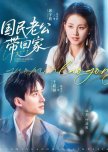
This review may contain spoilers
A Slow-Burn Romance Worth the Time
This drama was honestly such a pleasant surprise. The chemistry between the ML and FL was 🔥—their kisses felt mature, deep, and very natural, not forced at all. The ML clearly knew what he was doing in those scenes, and the FL matched his energy so well. Their body language, eye contact, and little gestures made everything feel real and emotional.What I loved most was how their inner thoughts and quiet moments were written. The story didn’t rush; it let feelings build slowly, which made the romance more intense and meaningful. It’s a slow-paced drama, but the longing, emotions, and acting make every episode worth it.
The ML’s character was heartbreaking yet admirable—bullied and mistreated by his family, yet still kind, protective, and selfless. Truly a rare green-flag male lead. His relationship with his younger stepbrother was beautiful too—pure, supportive, and free of jealousy. The FL was gentle, warm, and strong in her own way. She’d been through a lot, and seeing her receive genuine love felt so satisfying.
One villain (the stepmom) really caused unnecessary pain and delays—so frustrating—but it also made the eventual confessions and emotional breakthroughs hit harder. Their confession scenes were touching, sincere, and beautifully acted.
Bonus points for the original voices, meaningful music, and great cinematography. The birthday scenes were especially memorable—ML’s expressions alone said everything.
Overall, this is a mature, heartfelt love story about healing, sacrifice, and second chances. Not overly dramatic or violent—just emotional, romantic, and sincere. If you enjoy slow-burn adult romance with strong chemistry, this one is definitely worth watching. ❤️
Was this review helpful to you?

A Short Drama with the Heart of a Full-Length Film
Summer Rose is one of those rare short dramas that doesn’t feel short at all, it feels like a complete, beautifully crafted movie. The acting is outstanding, with both leads delivering some of the best performances seen in the vertical-format genre. The script breaks away from typical C-drama formulas, offering a raw, sincere, and emotionally grounded story that feels refreshingly real.What truly sets it apart is the honest portrayal of a relationship its struggles, miscommunications, pain, and growth. There are moments when you want to shake the characters for not communicating, yet you still root for them every step of the way. Their emotional journey feels genuine, heartfelt, and deeply relatable.
The drama also stands out for what it doesn’t rely on kidnappings, dramatic deaths, or over-the-top angst. Instead, it focuses on the simple truth that marriage isn’t always roses; it requires commitment, patience, sacrifice, understanding, and love. The final part, where each character expresses what happiness means to them, is especially impactful and beautifully done.
Unexpected, emotional, and incredibly well-acted, Summer Rose is a must watch short drama that delivers far more than its length suggests. It is easily among the most thoughtful and well-performed vertical dramas to date.
Excellence mature watch, It's a roller coaster ride of emotions watching this storyline. FL was willing to marry if there was no love attached, being fearful of loving someone and getting hurt like her mom did. The minute she fell in love with ML she broke off their engagement and left without sharing her feeling to him. ML was older with a stoic personality, in loved her, but not knowing how to communicate it to her. I hurt for him, he was sad, but he pursed to win her back. Only then I was able to see his gorgeous smile! This was beautifully written, and the leads are excellent actors, with great chemistry together!
Was this review helpful to you?
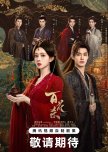
This review may contain spoilers
Equals in Love, Equals in Power
I started Blossoms of Power because I kept seeing clips of He Yu as the Crown Prince all over my feed, and honestly, he was the reason I pressed play. I expected another enjoyable palace romance with political schemes, handsome princes, and a smart female lead. What I didn't expect was to become so invested in almost every major character. By the time I finished, I realized the drama wasn't just carried by its romance. It succeeded because it built a world where nearly every important character had a purpose, every relationship influenced the larger political story, and every victory came at a cost.The story begins with Shen Xihe arriving in the capital under the emperor's order to choose one of the princes as her husband. Unknown to most people, she carries the memories and soul of Gu Qingzhi, whose previous life taught her that love is unreliable and survival comes first. She enters the capital determined to choose the prince who can best protect both herself and her family rather than the one she loves. At the same time, Crown Prince Xiao Huayong has only one wish left. Having lived for years under the shadow of an incurable poison, he wants to survive long enough to uncover who poisoned him and why. Then he meets Shen Xihe and immediately decides she is the woman he wants to spend whatever time he has left with.
Xiao Huayong quickly became one of my favorite male leads in recent historical dramas. We get so many cold, emotionally unavailable, overpowered male leads that it was refreshing to watch someone who was just as intelligent but completely open about his feelings. This man falls first, falls harder, and never tries to pretend otherwise. He shamelessly flirts with Shen Xihe every chance he gets, constantly looks for excuses to stay close to her, and has absolutely no pride when it comes to showing his affection. I especially loved his green tea behavior. The way he would deliberately use his fragile health to make Shen Xihe worry about him had me laughing so many times. Half the time I couldn't tell whether he was genuinely sick or simply being dramatic because he knew exactly how to get her attention. The funniest part is that he really was dying, which somehow made all his little schemes even more endearing.
At the same time, the drama never reduces him to comic relief. Behind the playful personality is someone carrying enormous responsibilities. Every day he lives knowing his time is running out, yet he never stops protecting the people around him or investigating the truth behind the poisoning. He Yu did an incredible job balancing both sides of the character. His comedic timing was fantastic, but his quieter emotional scenes were equally impressive. You could see the exhaustion, fear, and loneliness hiding beneath his smile without him ever needing long dramatic speeches.
Shen Xihe was equally impressive. She is one of those female leads who could easily feel overpowered on paper because she almost never loses her composure. She's calm, intelligent, observant, and constantly several steps ahead of everyone else. Normally that kind of character becomes frustrating because writers eventually make them act out of character just to create conflict. Thankfully, Blossoms of Power never does that. Shen Xihe never suddenly becomes careless for the sake of the plot. She never forgets her intelligence simply so someone else can rescue her. Every decision she makes feels consistent with the woman we've been watching since the beginning. Her victories feel earned because they come through patience, observation, and careful planning rather than convenient coincidences.
I also found myself relating to her more than I expected. Beneath her calm exterior is someone who struggles with love because of everything she experienced as Gu Qingzhi. Her emotional distance, her tendency to prioritize duty over personal happiness, and the way she keeps everyone at arm's length felt surprisingly real. Watching her slowly learn to trust Xiao Huayong became one of my favorite parts of the entire drama.
What makes the romance work so well is that neither lead overshadows the other. They're equals. Both are intelligent enough to survive on their own, both constantly outsmart their enemies, and neither becomes weaker after falling in love. Instead, they become a genuine power couple. Their relationship isn't built on constant rescues or endless misunderstandings. It's built on trust, mutual respect, and the quiet confidence that the other person is capable of handling whatever comes next. I also appreciated that the romance continued developing after they got married. Too many historical dramas treat marriage as the finish line, while Blossoms of Power treats it as the beginning of an even stronger partnership.
One thing I absolutely loved about Xiao Huayong is that he never loved Shen Xihe as someone who needed to be protected or controlled. He always treated her as his equal. He admired her intelligence instead of feeling threatened by it, respected her decisions even when they differed from his own, and trusted her abilities completely. What made me love him even more was how much he quietly prepared for her future. Knowing that his poison could take his life at any moment, he never focused only on spending whatever time he had left with her. Instead, he spent that time making sure she would be safe even after he was gone. Every political move he made, every alliance he built, and every sacrifice he accepted was also preparing a future where Shen Xihe and their child could live securely without depending on anyone else. He wasn't just trying to become worthy of her love. He was building a world where she could continue living safely even in his absence. I think that's one of the purest forms of love the drama portrays. He never asked her to become smaller for him, never tried to outshine her, and never viewed her strength as something that needed to be restrained. He simply stood beside her, supporting her as an equal while quietly carrying the burden of protecting the future they might never get to share together.
The palace politics remained engaging throughout the series. Every prince had his own ambitions, every alliance felt temporary, and every political victory created new problems. The story constantly kept me guessing without becoming unnecessarily complicated. It found a nice balance where the political intrigue remained interesting but never overshadowed the characters.
One thing I genuinely loved was how differently each prince approached love. Xiao Huayong's devotion is obvious from the very beginning. Xiao Changqing completely broke my heart because he truly loved Gu Qingzhi but could never let go of the past. His love wasn't fake or manipulative, but it became an obsession that ultimately destroyed him. Xiao Changying was probably my favorite after the Crown Prince. He wears his heart on his sleeve, loves fearlessly, and never hides his feelings even when he knows they won't be returned. Then there's Xiao Changyu, who quietly gave up power and status simply because the woman he loved mattered more than the throne. Even the Second Prince surprised me. I expected absolutely nothing from him, yet seeing him sacrifice himself for his wife genuinely caught me off guard. It's surprisingly rare to watch a palace drama where so many male characters genuinely love and respect the women beside them instead of treating marriage purely as political leverage.
The second couple completely stole my heart. Bu Shulin and Cui Jinbai deserved so much more screen time than they received. Before I even watched the drama, I saw pictures of Bu Shulin and honestly thought she was played by a male actor. After discovering she was actually portrayed by an actress, I was genuinely impressed because she completely sold the role. She was confident, fearless, unconventional, and one of the coolest characters in the entire drama. Cui Jinbai balanced her perfectly with his calm, patient, and dependable personality. Their relationship grew naturally through mutual respect instead of relying on unnecessary misunderstandings, and every scene between them was simply enjoyable. If anything, I wanted much more of their story.
The production quality was also excellent. The costumes were beautiful, the cinematography remained elegant throughout, and the soundtrack fit the atmosphere perfectly. The entire cast looked incredible on screen, and everyone delivered convincing performances. My only small production complaint would honestly be the cats. They became such an obvious plot device that every time one appeared, I immediately expected something important to happen. After a while, I almost started laughing because they would conveniently show up exactly when the story needed them.
The only major issue I had was the ending. For most of the final episodes, I had accepted Xiao Huayong's death. It was heartbreaking, but it fit the story, and I thought it was a brave decision. Then the drama suddenly revealed that he had survived all along. I don't mind happy endings, but this one left far too many unanswered questions. How was the poison cured after spending the entire drama telling us it was incurable? How did he fake his death? Where had he been all those years? Why did Shen Xihe already know? Did he eventually become emperor? The special episode answers some of those questions, and apparently the novel explains even more, but I wish the drama itself had taken the time to properly explain such an important twist instead of expecting viewers to fill in the blanks.
Even with those complaints, Blossoms of Power easily became one of my favorite historical dramas this year. I rarely feel the urge to rewatch a drama, but this is one I'll happily revisit. It isn't trying to reinvent palace dramas. Instead, it simply takes familiar ideas and executes them exceptionally well. It gives us two intelligent leads who remain equals until the very end, memorable supporting characters, engaging political intrigue, one of the most lovable green-flag male leads I've watched in years, and a romance built on trust instead of unnecessary drama.
If you enjoy palace politics, capable female leads, shamelessly devoted male leads, slow-burn romance, strong supporting characters, and couples who genuinely make each other stronger, then Blossoms of Power is absolutely worth your time.
Was this review helpful to you?
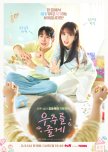
This review may contain spoilers
Two Broken People, One Baby, and a Family in the Making
From the very beginning, Our Universe feels like it is setting up something emotionally heavy and meaningful. The premise itself carries a lot of weight. Two people who barely know each other are suddenly forced to live together and raise a 20-month-old baby after their siblings pass away in an accident. The idea of two broken individuals trying to deal with their own grief while also becoming responsible for a child had the potential to create a deeply emotional and powerful story.The drama follows Woo Hyeon Jin and Seon Tae Hyeong, two in-laws who initially dislike each other. After the tragedy that leaves baby Woo Joo without parents, they end up sharing a house and raising him together. At first their relationship is full of arguments and tension, but slowly things change. Their dynamic gradually moves from bickering enemies to reluctant partners, then to friends, and eventually something deeper begins to grow between them.
One of the strongest aspects of this drama is the slow burn development of the relationship between the main leads. Their feelings do not appear suddenly or through dramatic romantic moments. Instead, the show focuses on small, everyday gestures that slowly build trust and affection. Moments like encouraging each other to follow their dreams, worrying about each other during difficult times, or quietly supporting each other through personal struggles make their relationship feel natural and believable.
Both characters also go through meaningful growth. Tae Hyeong begins as someone emotionally closed off because of his childhood trauma and feelings of abandonment. Over time he slowly becomes more responsible and open as he learns to care for Woo Joo and support Hyeon Jin. Hyeon Jin, on the other hand, starts off somewhat immature and unsure about her own life, but the responsibility of raising Woo Joo pushes her to grow into someone more emotionally stable and determined.
Of course, the true star of the show is baby Woo Joo. The child actor steals almost every scene he appears in. His presence brings warmth and humor to the drama, and many viewers may find themselves watching the show mainly for his adorable moments. In many ways, Woo Joo truly feels like the center of the story, the person who slowly brings the two leads together and helps them form a family.
The share house setting also works very well. The house actually feels like a real lived-in space rather than just a set, and it helps create a cozy and intimate atmosphere for the story. The neighbors and supporting characters add charm as well, creating small but memorable moments that expand the world of the drama.
However, the drama is not without its flaws. Some viewers may feel frustrated by the love triangle, which at times feels unnecessary and overly dramatic compared to the more grounded parts of the story. The second male lead in particular feels somewhat underdeveloped and one-dimensional, mostly existing to create tension rather than having his own meaningful arc.
The pacing can also feel slow at times, especially in the early episodes. The story takes a while to fully build momentum, and some viewers might lose interest before the emotional payoff arrives.
Still, what makes Our Universe stand out is its focus on quiet emotional development rather than dramatic storytelling. It shows how love and family can slowly grow through shared responsibility, grief, and everyday life. The relationship between Hyeon Jin and Tae Hyeong does not rely on big romantic gestures but instead develops through small, meaningful moments that make their bond feel genuine.
Overall, Our Universe is a gentle, slow-burn drama about healing, responsibility, and building a family in unexpected circumstances. It may not appeal to viewers looking for fast pacing or dramatic romance, but for those who enjoy character driven stories and gradual emotional development, it offers a warm and heartfelt experience.
Was this review helpful to you?

This review may contain spoilers
A Chaebol, a Human Power Bank, and Lots of Butterflies
I watched Take Charge of My Heart in one sitting, and honestly, I enjoyed it much more than I expected! Sometimes you just need a drama that doesn't take itself too seriously, and this was exactly the kind of feel-good rom-com I needed. It's cute, funny, a little ridiculous, and completely aware of what it's trying to be. As Bo-bae herself points out, people don't always watch chaebol romances for realism. Sometimes we just want the feels and butterflies. And honestly, I couldn't agree more.The premise is wonderfully absurd. Na Bo-bae is an aspiring screenwriter whose body generates static electricity, making physical contact with others difficult. Baek Ho-rang is a wealthy corporate heir with an artificial heart that needs recharging. When they discover that Bo-bae's electricity can charge his heart, they strike a deal: she'll help him, and he'll become the inspiration she needs to write better romantic stories. Watching a CEO depend on a woman who can literally charge him like a power bank is as ridiculous as it sounds, but that's part of the charm. You either accept the silliness and enjoy the ride or spend the entire drama questioning the logic. I chose the former!
The leads and their chemistry were easily the biggest highlights. Kim Young-kwang and Chae Soo-bin made Bo-bae and Ho-rang such an enjoyable couple. Their banter, playful interactions, and romantic moments felt natural, and I loved how their relationship gradually developed from a practical arrangement into something more meaningful.
Ho-rang was a particularly pleasant surprise. I expected the typical arrogant chaebol who takes half the drama to learn basic manners, but he turned out to be an absolute sweetheart. Watching this reserved CEO become softer, sillier, and more affectionate as he falls for Bo-bae was genuinely endearing. Kim Young-kwang handled the transition from composed executive to completely smitten boyfriend beautifully.
Bo-bae was equally charming, with her warmhearted and energetic personality. Despite her unusual ability and professional struggles, she keeps moving forward. I also liked that she wasn't simply there to solve Ho-rang's problems. They both needed companionship, acceptance, and someone who could understand them. Their relationship helped them grow, and while their journey wasn't particularly groundbreaking, it was sweet to watch.
The second male lead deserves some love, too! Cha Woo-min brought so much warmth to Eun-ho, making him caring, supportive, and easy to root for. I didn't quite develop second-lead syndrome, but I certainly wanted good things for him. He was more than just a source of romantic tension, and I appreciated that the drama gave him a likable personality of his own.
The supporting cast was another plus. Bo-bae's family and best friend were lovely, and their unconditional support added warmth to the story. I also appreciated that the drama didn't overwhelm us with unnecessary characters or subplots. Even the antagonists were convincingly portrayed, although Ho-rang's aunt, uncle, and cousin became increasingly frustrating. Their greed escalated without much remorse or meaningful development, and I would have liked to see them face more satisfying consequences.
My biggest disappointment was the ending. Ten episodes felt like the perfect length for this story, and the pacing was generally good, but I wanted more time with the main couple once everything settled. After getting so attached to them, their final moments together felt a little rushed. And come on, a wedding in Bo-bae's script isn't the same as seeing the main couple's actual wedding! I would have loved that little bit of extra closure.
Overall, Take Charge of My Heart isn't trying to reinvent the rom-com, and it doesn't need to. The premise is ridiculous, the tropes are familiar, and some conflicts could have been handled better, but the drama delivers where it counts: charming leads, great chemistry, funny interactions, and a romance that makes you smile.
I finished all ten episodes in one sitting, and I can already see myself revisiting my favourite scenes when I need a pick-me-up. If you're looking for a cute, lighthearted romance with a lovable male lead and plenty of feel-good moments, give it a try. Sometimes a drama doesn't need to be realistic or groundbreaking. Sometimes it just needs to make you laugh, give you butterflies, and leave you happy you watched it.
Was this review helpful to you?
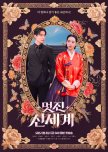
This review may contain spoilers
A Fun Time-Travel Romance Carried by Fantastic Chemistry
This was such a fun surprise. On the surface, it's about a struggling actress who becomes possessed by the spirit of a woman from the Joseon era, but underneath the fantasy and comedy lies a story about fate, second chances, love, and choosing the life you want to live. The time-travel concept isn't particularly groundbreaking, but it is executed in a way that keeps the story entertaining without becoming overly complicated.The biggest reason this drama works is the chemistry between the leads. From their very first encounter, they bounce off each other effortlessly. Their enemies-to-lovers dynamic is filled with hilarious arguments, playful banter, and plenty of laugh-out-loud moments. Once they fall in love, the relationship only gets better. I loved that they actually spent time together like a real couple by going on dates, watching TV together, walking hand in hand, and simply enjoying each other's company. Their romance felt warm, natural, and refreshingly free from unnecessary misunderstandings.
One thing I appreciated was that the writers never relied on forced breakups or poor communication just to create drama. Whenever problems appeared, the characters actually talked to each other instead of jumping to conclusions. It made their relationship feel much healthier than what we usually see in romantic comedies.
Heo Nam Jun was easily one of my favorite parts of the drama. I've seen him in previous projects before, but this role completely changed my opinion of him. First of all, his voice deserves its own fan club. I genuinely spent half the drama wondering how I never noticed it before. Beyond that, he gave his character so much charm and emotional depth. He starts off looking like the typical cold chaebol, but slowly reveals a surprisingly soft, awkward, and hopelessly romantic side. Watching that transformation was incredibly satisfying.
Im Ji Yeon was equally fantastic. She balanced comedy and emotional scenes effortlessly. Her chaotic energy, expressive reactions, and absolutely unhinged laugh made her character so much fun to watch. She could go from looking completely ordinary to looking stunning in the blink of an eye, and she fully embraced every ridiculous situation the drama threw at her.
Their fights honestly became one of my favorite parts of the show. Every argument, every slap, every dramatic crash-out somehow became hilarious instead of frustrating. The comedy landed consistently because both actors committed completely to their roles.
The supporting cast also deserves credit. The loyal assistant, the grandparents, the eccentric aunts, and even the adorable dog all added warmth to the story. I also thought the villain was surprisingly effective. He wasn't overly theatrical, but there was always something unsettling about him that made every appearance feel tense.
The production is solid throughout. The contrast between the historical flashbacks and the modern-day setting works beautifully, and the pacing rarely drags despite juggling romance, comedy, fantasy, action, and mystery. Could the drama have benefited from a couple more episodes? Probably. Some side stories could have been explored further. But I never felt like the shorter runtime hurt the overall experience.
Overall, this isn't a drama that reinvents the time-slip romance genre. Instead, it succeeds by executing familiar tropes exceptionally well. The writing keeps things simple, the romance is genuinely adorable, and the chemistry between the leads carries the entire show. Most importantly, it's simply fun. I had a smile on my face through most of it, and sometimes that's exactly what I want from a romantic comedy.
Was this review helpful to you?

This review may contain spoilers
A Predictable Second Chance Romance With Lots of Heart
To Love and Cherish is a classic second-chance romance about a young couple who fall deeply in love, get separated, and reunite ten years later. The story itself isn't anything new, and you can probably predict where most of it is going, but I still had a pretty easy and enjoyable time watching it.What really worked for me were the flashbacks. Young Ran and Yai were honestly adorable. Their first-love innocence, shameless flirting, sweet kisses, and open declarations of love gave me exactly the young romance feeling I wanted. Their chemistry felt natural, passionate, and full of that excitement you get when two people are completely in love. I actually found myself wondering how these two cute, happy young people turned into such emotionally tired adults and what happened during those ten years to change them so much.
Unfortunately, I didn't feel the same chemistry from the adult versions. I really wanted more from Film and Bua because they are carrying the main romance, but something just didn't click for me. Their acting was fine, although I especially felt that the younger versions were more convincing emotionally. Maybe the adult characters were written to be more mature and restrained, but I still wanted to feel that same spark and intensity between them.
The supporting characters were actually one of my favourite parts. Sam and Alex were absolute green flags and brought so much warmth to the story. I loved how they supported Ran, made her feel safe and comfortable, and were simply there for her without unnecessary complications. They genuinely added positive energy whenever they appeared, and I honestly wouldn't have minded seeing even more of them.
Of course, we also get the obligatory Thai drama characters who make you want to scream at your screen. Yai's mother and Nana were particularly exhausting. Nana especially had me questioning every life choice she made. Chasing someone who clearly doesn't want you for fifteen years is not romantic persistence to me, it's time to move on!
One thing I appreciated was that, despite all the drama, there wasn't some huge love triangle or endless romantic competition. The story stays focused on the main couple, even if I personally connected more with their younger versions and the supporting characters.
Overall, To Love and Cherish didn't bring anything particularly new to the second-chance romance genre, but it was still an easy and enjoyable watch. The younger Ran and Yai completely won me over with their sweetness and chemistry, while the adult romance left me wanting more. I just wish the drama had managed to bring that same passion and emotional connection into their reunion years.
Was this review helpful to you?
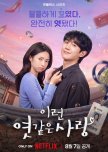
This review may contain spoilers
Predictable, Imperfect, but Full of Heart
Our Sticky Love was honestly such a fun and heartwarming watch for me. It is not a drama with a complicated or groundbreaking story, and the plot is definitely predictable with quite a few familiar tropes, but somehow I still found myself enjoying the journey a lot. The combination of romance, comedy, action, and those wholesome small-town moments made it an easy drama to sit down and enjoy without overthinking everything.What I enjoyed the most was the love story. Tae Ha and Eun Sae had a really sweet dynamic, and I liked how their relationship slowly developed from his protective lie into something genuine. Tae Ha was such a green-flag ML for me. He loved Eun Sae deeply but never tried to take advantage of her situation. Even when she started falling for him, he still wanted her to recover her memories and make her own decision about him. I especially loved how careful he was with her boundaries. His love for her felt sincere rather than possessive.
Tae Ha himself was probably my favorite character. He is quiet, reserved, and sometimes almost hilariously expressionless, but there is so much emotion underneath that exterior. His relationship with his grandmother was another part of his character that I really loved. So much of what he does comes from his love for her and his desire to protect her, even when it costs him everything. Jung Hae In did a great job balancing Tae Ha's softer side with his action scenes and his more serious past.
I also enjoyed Eun Sae more than I expected. I liked that she wasn't simply written as a helpless woman with amnesia. Even without remembering everything, her personality and instincts were still there. She questioned things, noticed inconsistencies, and didn't blindly accept everything Tae Ha told her. I actually enjoyed watching her slowly become suspicious and try to figure out what was really happening. Her confidence and stubbornness also gave their relationship some fun moments.
The village characters were another highlight for me. I genuinely enjoyed watching Eun Sae slowly build relationships with the people there. At first, there were plenty of arguments and misunderstandings, but those relationships gradually turned into genuine affection and support. Tae Ha's relationship with the villagers was also really touching. They cared about him, understood him, and were willing to stand beside him when things became difficult. Some of the funniest moments came from the villagers, and the way everyone eventually came together was one of the most wholesome parts of the drama.
My problem was that while I loved the *characters* from the village, the village itself often felt strangely bland and lifeless. Apart from the main cast and the supporting characters we already knew, there weren't enough people around to make it feel like an actual living community. It often felt like the village existed mainly as a setting for the characters rather than a real place where people lived. I wish we had seen more everyday life, more background characters, and more interaction that made the town feel alive.
The crime and action storyline was entertaining enough, although the plot itself was quite predictable. There were plenty of familiar tropes, including amnesia, fake dating, hidden identities, childhood connections, and criminal conspiracies. Some of the plot developments were also a little too convenient, and there were moments where the logic could have been stronger. Still, I didn't mind it too much because the romance and characters kept me invested.
I also appreciated that the drama didn't make every relationship unnecessarily toxic. Tae Ha's feelings for Eun Sae were genuine, and even though the situation began with a lie, his intentions were about protecting her rather than manipulating her for his own benefit. Their romance eventually became something much more mutual, and that was what worked for me.
The second couple, unfortunately, didn't convince me nearly as much. I liked the idea of their relationship, but I felt that there wasn't enough development to make their eventual romance feel completely earned. Their history and emotional problems were not explored deeply enough for me to become invested in their reconciliation. I kept wondering how I was supposed to believe that a psychiatrist could be so unable to understand or communicate the relationship issues between them. Their storyline needed more buildup, more explanation, and honestly more time together.
The drama also has some tonal issues. There are moments where you go from a cute and fluffy romantic scene straight into something much darker and violent. The contrast could be quite jarring sometimes. I actually enjoyed both sides of the drama, but I think the transitions could have been smoother.
Still, despite all those complaints, I really liked the overall experience. This is the kind of drama I would recommend when you want something fun, romantic, wholesome, and easy to watch. It made me laugh, gave me plenty of cute moments, and I genuinely became attached to the characters. The story may not be particularly original, but the romance gave it enough charm to make the predictable parts easy to overlook.
The ending was also satisfying, which definitely helped my overall impression. After everything the characters went through, I wanted something warm and happy, and the drama delivered that.
Overall, Our Sticky Love was not perfect, and I can understand why some people might find the plot too cliché or the village storyline too underdeveloped. But personally, I came for the romance and ended up staying for the characters. The village itself may have felt a little empty, the second couple needed much more development, and the plot could have been more original, but Tae Ha and Eun Sae's love story was sweet enough to make the whole journey worthwhile.
Sometimes I don't need a drama to reinvent the genre. Sometimes I just want good chemistry, characters I enjoy watching, some laughs, a little angst, and a happy ending. Our Sticky Love gave me exactly that.
Was this review helpful to you?


