
 K-Drama


 2
 6
 1
 1
 2
 2
 3



This review may contain spoilers
A Heartfelt Journey That Tried to Tell Too Many Stories
I went into Road to Success expecting a heartwarming sports drama, but what I found was something much more ambitious. It tries to blend coming-of-age, healing, sports, romance, mystery, trauma, family drama, and even a little suspense into one story. On paper, it has everything I usually enjoy, and for the first half, I genuinely thought it was going to end up in my 9s. Unfortunately, while its ambition is admirable, it ultimately becomes the very reason the drama struggles to reach its full potential.The first fifteen episodes were honestly fantastic. They were fun, emotional, and surprisingly engaging. Every episode gave me something to look forward to. I loved the interactions between the characters, especially all the little inner monologues and the way everyone constantly misunderstood each other while the audience knew what was actually happening. Those moments gave the drama so much personality and made the cast incredibly easy to love. By that point, I was already thinking this would easily end up being an 8.5 or even a 9 out of 10.
Sadly, somewhere after episode fifteen, everything started losing momentum.
The biggest problem is that Road to Success simply tries to tell too many stories within thirty-two episodes. There are so many interesting plotlines that constantly compete for attention that none of them receive the development they deserve. The mysterious person responsible for bringing the football team back together feels incredibly important during the beginning, only to disappear for a huge portion of the drama before suddenly becoming relevant again. The same happens with several family storylines. We never really see whether Wen Chengye's father genuinely accepts his son's decision to play football, and Lin Wanxing's relationship with her parents also feels unresolved. They're briefly confronted, then quietly disappear without giving us the emotional closure those relationships deserved.
The biggest disappointment, however, was the entire storyline surrounding Lin Wanxing's past. The person responsible for destroying her career is introduced as this major mystery, yet when the truth finally comes out, the confrontation feels incredibly easy. The male lead finds him almost effortlessly, resolves everything quickly, and the drama immediately moves on. Considering this event shaped the female lead's entire life, I expected a much more emotional and satisfying resolution.
That became a recurring issue throughout the drama.
Every time the story introduced an interesting mystery, emotional conflict, or character trauma, it would quickly rush through the resolution before moving on to the next storyline. Instead of allowing emotional moments to breathe, the narrative constantly jumped ahead, making many scenes feel less impactful than they should have.
The drama's biggest weakness is its pacing.
Rather than naturally developing each storyline, it often feels like we're watching only the beginning and ending of important events while the middle is skipped entirely. You understand what happened, but you rarely experience how the characters reached those emotional conclusions. As a result, even scenes that should have been emotionally devastating never quite leave the impact they deserve.
This is especially noticeable because the drama is trying to balance so many different genres at once.
It wants to be a healing story, a sports drama, a romance, a mystery thriller, and a coming-of-age series simultaneously. Unfortunately, it never fully commits to any of them. The romance receives just enough attention to make you invested before disappearing for several episodes. The mysteries are intriguing until they're solved far too easily. The sports storyline builds excitement but often takes a back seat to other plots. The healing journeys are genuinely meaningful but frequently interrupted by another mystery waiting to be solved.
Instead of complementing each other, these genres often compete for screen time.
The romance was probably my biggest personal disappointment.
The chemistry between Esther Yu and Chen Jingke is genuinely lovely, and I really enjoyed watching them together during the early episodes. Their slow burn initially felt very promising. However, somewhere along the way, that slow burn simply... stopped burning.
Once the male lead realized Lin Wanxing wasn't responsible for the incident he blamed her for, it almost felt like the romance paused entirely. By the time he finally confessed his feelings, I found myself no longer emotionally invested in whether they became a couple or not. Their dating phase was equally underwhelming, lacking the emotional payoff that such a long buildup should have delivered.
Ironically, despite romance not being the drama's strongest element, Esther Yu gives one of the most mature performances of her career.
I've always thought she was capable of much more than the overly cute characters she's often cast as, and this drama proves exactly that. Lin Wanxing is warm, compassionate, resilient, and quietly determined without becoming exaggerated. Esther balances vulnerability and strength beautifully, making this one of my favorite performances from her so far.
Chen Jingke was equally enjoyable.
His reserved personality worked perfectly opposite Esther's warmth, and together they provided the emotional center that kept me invested even when the storytelling became uneven. I just wish he had received even more screen time because every time the drama focused on him, it became noticeably stronger.
The real stars of the series, however, are the students.
Watching these children slowly overcome trauma, abuse, family pressure, bullying, and feelings of worthlessness became the emotional heart of the drama. The football team wasn't simply learning how to play a sport—they were learning how to believe in themselves again. Whether their struggles came from poverty, wealth, strict parents, neglect, or emotional abuse, every child represented a different kind of pain.
The message that everyone carries invisible burdens regardless of social status was genuinely beautiful. More importantly, the drama constantly reminds us that having someone believe in you can completely change the direction of your life.
Unfortunately, even here the writing feels inconsistent.
The team is introduced as a complete group, yet by the second half the story focuses almost exclusively on three or four members while the rest quietly fade into the background. I found myself wanting to know more about many of the other students, but the drama simply didn't have enough time.
The mystery elements also left me frustrated.
Who left the email and password on the classroom board? Who created the puzzles leading to her grandfather's classroom? Who placed the photographs and keys? These details seemed incredibly important when they were introduced, but the drama often forgot about them until it suddenly remembered they existed. Instead of creating satisfying mysteries, they ended up feeling like convenient plot devices.
Some scenes also felt surprisingly illogical.
One example that really bothered me was the counseling session where the female lead somehow overhears the male lead's private conversation with his psychologist. Confidential therapy sessions exist for a reason, and using such an unrealistic situation simply to force emotional development felt incredibly awkward.
The football itself was enjoyable, although not always convincing.
The matches created excitement, but occasionally it was obvious the actors weren't actually playing competitive football. The coaching also felt inconsistent. We're told Wang Fa is one of the country's most respected youth coaches, yet during one of the biggest matches his strategy essentially comes down to telling the team to eat well, sleep well, and stay calm while the opposing team arrives with detailed tactical plans. Moments like that made the sports aspect feel less authentic than it could have been.
Another aspect that never quite worked for me was how the drama handled some of its supporting relationships. Lin Wanxing's friendship with her best friend left me more confused than emotionally invested. The story kept insisting they shared an incredibly deep bond, but I rarely felt it. In fact, some of their interactions almost made it seem as though her friend had romantic feelings for her rather than simply being a close friend. They never shared those heartfelt conversations or moments of emotional vulnerability that usually define a lifelong friendship, so when the drama leaned on that relationship for emotional impact, it didn't resonate as strongly as it should have.
The same issue applies to Wang Fa's manager and best friend. While he provided some comic relief, he often felt like a character who existed only when the plot needed him. His relationship with Wang Fa's sister also never sat right with me. He continued pursuing her even though she clearly wasn't taking the relationship seriously, yet she never gave him a firm rejection either. Instead of feeling like a charming slow-burn romance, their dynamic became awkward and frustrating because neither character seemed honest about what they wanted. It was another subplot that could have been much stronger with better development.
Despite all these issues, there is still so much to appreciate.
The performances are consistently strong across the entire cast. Esther Yu delivers one of her best roles to date, Chen Jingke is quietly compelling, and the young actors deserve enormous praise for carrying so much emotional weight. The drama genuinely succeeds whenever it slows down and allows its characters to simply exist together.
In many ways, Road to Success feels like several really good dramas trying to occupy the same thirty-two episodes. Every individual storyline had enough potential to become emotionally memorable, but because the drama kept rushing from one idea to another, very few of them reached the depth they deserved.
That's ultimately how I feel about the entire series.
For fifteen episodes, I genuinely believed I was watching a drama that would easily earn a place among my favorites. Then the pacing accelerated, the mysteries became easier, the romance lost its emotional momentum, and the resolutions started arriving before the emotional journeys had properly unfolded.
It's still an enjoyable watch with meaningful themes, lovable characters, and genuinely heartfelt moments. It reminds us that healing often begins with someone simply believing in us, and that no matter our background, everyone carries struggles that aren't immediately visible.
I just wish the drama had trusted those stories enough to let them breathe.
The first half promised something truly special. The second half never quite lived up to that promise. Still, thanks to its wonderful cast, heartfelt message, and memorable students, Road to Success remains a worthwhile watch—even if it never fully reaches the heights it seemed destined for.
Was this review helpful to you?

This review may contain spoilers
Love Between Illusion and Reality
Love Between Lines begins with a simple but intriguing idea: life is like a game. At first, you might think this will be a fully virtual reality drama, but that is not really the focus. The VR world works more like a mirror to reality, showing dreams, regrets, and hidden emotions rather than just fantasy. The line between illusion and real life is intentionally blurred, and sometimes the characters fall out of their game personas in ways that quietly reveal who they truly are. After the first few episodes, the story settles more into the real world, with the game appearing at key moments to deepen the emotional meaning instead of distracting from it.What truly makes this drama special is how natural everything feels. The relationship does not rely on loud tropes or forced misunderstandings. It grows through effort, communication, and presence. The female lead is smart, bold, and unafraid to take initiative. She is not waiting to be chosen. She chooses for herself. The male lead is calm, mature, and quietly charismatic. His confidence never feels arrogant. It feels earned. Together, they create a romance that is grounded and believable, full of small gestures like hugs, pecks, hand holding, teasing banter, and moments of comfortable silence. Their intimacy feels lived in rather than staged.
The romance is mature, slow, and easygoing without being boring. There is just enough angst and build up to make the emotional payoff feel real. Instead of rushing into love, they learn each other first, supporting, observing, and adjusting along the way. Their journey feels like watching two neighbors slowly become partners in life, not just lovers written into a script.
Lu Yu Xiao as Hu Xiu shines with natural warmth. She never feels like she is acting. She feels like someone you could meet in real life. Hu Xiu is kind, resilient, intelligent, and quietly brave. She sacrifices for her family, yet she is also strong enough to make life altering decisions for herself. She enters the virtual world to escape reality, but inside the game she is forced to face her own fears and unanswered questions. When asked, "Do you know what you want?" she finally begins to reclaim her dreams instead of settling for a safe but unhappy choice. Her growth feels emotional rather than dramatic, and that makes it powerful.
Chen Xing Xu as Xiao Zhi Yu is captivating in a restrained way. He listens more than he speaks and plans rather than reacts. His quiet strength gives the romance its calm foundation. He protects without controlling, supports without overshadowing, and observes instead of rushing in. His expressive eyes, subtle smiles, and steady presence add layers to every scene. His personal storyline about clearing his father's name and reclaiming his identity adds emotional depth. In the VR world, he becomes Qin Xiao Yi, a warlord commander described as cunning and complex, and that duality between game and reality is beautifully handled.
Their relationship is built on equality. They work together. They trust each other. They grow together. Zhi Yu sees Hu Xiu’s talent long before she fully sees it herself, yet he never tries to reshape her. He allows her space to exist, evolve, and become who she wants to be. Even when he hides parts of his plans, Hu Xiu understands his emotional needs. She gives him courage just as much as he gives her safety. Their love feels mutual, not one sided.
The friendships and workplace dynamics are refreshing. There is no unnecessary jealousy and no cliché rivalries created just for tension. Even the company’s female head is kind and supportive, which feels rare in dramas that usually force a mean boss twist. The colleagues feel like real people, and the second couple’s layered storyline adds warmth and emotional texture instead of noise.
The VR world is not just decoration. It adds symbolism, atmosphere, and emotional meaning. Visually, it is stunning and immersive. The transitions between real life and the game are smooth and intentional, tied closely to the characters’ inner struggles. Instead of pulling you out of the story, the VR scenes pull you further in. They reflect the male lead’s past, the female lead’s doubts, and the quiet parallels between who they are and who they want to be.
Pei Zhen, the stepbrother and rival, is not written as a simple villain. He is desperate, wounded, and driven by a lifelong need to prove himself to a father who never gave him enough love. His desire for Hu Xiu is selfish and aggressive, while Zhi Yu’s love is steady and patient. Still, Pei Zhen represents emotional damage rather than pure evil. Small moments, like the bandage Hu Xiu puts on his forehead, carry symbolic weight. That band aid becomes a sign of his inner wounds and how starved he is for simple care. His arc asks an interesting question about whether someone can truly change when their foundation was built on neglect.
What really sets Love Between Lines apart is that it respects its audience. It trusts viewers to read subtle emotions, notice quiet gestures, and understand meaning without everything being spelled out. It does not rely on exaggerated drama, forced angst, or endless misunderstandings. Instead, it succeeds through atmosphere, emotional maturity, strong performances, and thoughtful pacing.
The cinematography, music, and rhythm work together beautifully. The background music supports the emotions without overpowering them, and the visual design, especially in the VR sequences, adds a cinematic quality that enhances immersion rather than distraction.
Overall, Love Between Lines is perfect for viewers who enjoy healthy relationships, slow burn romance, emotionally intelligent characters, and storytelling that values growth over chaos. It quietly sneaks up on you and stays with you long after the episodes end. It is not only about love. It is about choosing yourself, understanding others, and learning where illusion ends and reality begins.
Was this review helpful to you?
This review may contain spoilers
I really enjoyed this drama. While the rich guy poor girl setup is not new, the strength lies in how thoughtfully the relationship was developed, with no unnecessary side plots, third wheels, or forced misunderstandings. Once the leads fell for each other, they were loyal, mature, and professional, both at work and in their personal lives.It was refreshing to see two consenting adults comfortable with intimacy and honest communication. The romance is a slow burn but meaningful, warm, and engaging, with conflicts resolved calmly and respectfully. I loved the chemistry, the maturity of the characters, and how they supported each other’s growth. Truly a perfect match and a drama I would happily rewatch.
Ruan Chao Yang stands out as a particularly well written female lead. She is ambitious, hardworking, and determined to succeed on her own merits. The drama places real emphasis on her professional growth, not just her romantic journey. Even more commendable is the inclusion of a female mentor, something rarely shown on screen, which adds depth and realism to her development. Instead of portraying her as either already self made or perpetually studying, the story shows her actively building a career step by step.
Cheng Huai Zhou complements her arc perfectly. He supports her without overshadowing her achievements and believes in her potential without trying to control her path. Their relationship feels like a true partnership rather than a rescue fantasy.
Overall, Starlit Heart is a warm, feel good drama with strong writing, mature characters, and excellent chemistry. It balances romance and career growth with surprising elegance for a short vertical format. Meaningful, engaging, and emotionally satisfying, this is a drama I would happily rewatch and confidently recommend.
Was this review helpful to you?
What makes this drama stand out is how normal and real everything feels. No over-the-top CEO clichés, no cartoonishly toxic families, no dramatic misunderstandings every five minutes. Just two intelligent, grounded adults slowly—and naturally—falling in love. The ML has a good job without being a 22-year-old billionaire, the FL is sweet, strong, and real, and the show treats her hearing aid with respect, without turning it into a plot device. It’s simply part of her, and that inclusion felt beautifully done.
The physical intimacy was handled with softness and maturity, growing out of trust rather than fanservice. In a world where people romanticize emotional detachment and mock vulnerability, their relationship felt healing. They’re each other’s firsts—not in a childish way, but in a heartfelt “your feelings matter to me” way. When the FL admitted she fell first, the ML didn’t turn it into power; he cherished it. Their bond is gentle, tender, and emotionally honest.
The performances were truly lovely. Guo Yuxin and Huang Haowen have magnetic chemistry—the kind that doesn’t need heavy tropes to sell the romance. Their confession scene moved me to tears; it felt raw, pure, and full of sincerity. Even the families were wonderful—supportive, warm, non-toxic—creating a rare safe space that made the romance shine even more.
This is such a sweet, healing gem of a drama. Simple, sincere, beautifully executed, and full of emotional warmth. I’m still thinking about it, long after finishing it.
Was this review helpful to you?

This review may contain spoilers
A Little Journey Through Time, Romance, and the Art of Ceramic
An interesting one-hour drama about time travel that manages to be neither too complicated nor overly simple. The story follows two people who travel back to the Ming Dynasty and try to figure out how to return to their own time. However, that is only the setup. The real heart of the drama lies in the art of pottery making.I really enjoyed the idea of two people from different countries, speaking different languages and coming from different cultures, finding a connection through a shared journey and a twist of fate. The romance is sweet, but what truly caught my attention was the cultural and historical aspect of the story.
I've always loved Chinese ceramics and learning about different civilizations, so this was right up my alley. My favourite part was the ending, where actual ceramic artists introduced the craft and explained the pottery-making process. I especially appreciated that the drama incorporated real artists and their techniques rather than simply using pottery as a pretty background for the story.
Overall, The Beauty of Glaze felt like a little glimpse into the history of ceramic art, wrapped in a time-travel story with a touch of romance. It's short, interesting, and a lovely watch if you enjoy traditional crafts, cultural history, and gentle romantic stories.
Was this review helpful to you?
This review may contain spoilers
A Revenge Story That Could Have Been So Much Better
I started this drama mainly for Zhou Ye and Xu Kai, and the opening gave me high hopes. It had a dark, intriguing atmosphere, an interesting revenge setup, and characters whose motivations made me curious. Unfortunately, while the beginning was strong, the story gradually lost some of its momentum.Xu Kai was easily my biggest reason for sticking with it. Shen Run was my favourite character, and I enjoyed watching his patience, intelligence, and determination. Xu Kai also did a great job showing the contrast between Yan Rui and Shen Run. His performance and chemistry with Zhou Ye were among the drama's strongest points.
Qingyuan had a promising introduction. She was intelligent, capable, and determined, and I initially looked forward to seeing her carry out her revenge. However, as the story progressed, her decisions became increasingly driven by revenge, sometimes at the expense of the intelligence and caution she had shown earlier. Her repeated reliance on Shen Run to get out of difficult situations also made her feel less capable than the character we first met. I especially struggled with her decision to marry Li Congxin as part of her plan. I wanted more reflection on the choices she made and the impact they had on Shen Run.
The romance had genuine chemistry, and I enjoyed the early tension between the leads. Their enemy phase, with all the teasing and testing, was particularly fun, and I wouldn't have minded if it had lasted longer. The slow burn eventually paid off, but I still wanted more emotional development. These two had a shared past, years of separation, and so much history to work through, yet much of it was presented as information rather than something we really got to experience. I also wish the story had given them more opportunities to work together as partners instead of constantly separating their storylines.
The revenge plot was probably my biggest disappointment. The grain fraud investigation was a strong starting point, with enough mystery and political intrigue to keep me invested. But as the story moved forward, the Xie family began to dominate the narrative, while Shen Run's own story and revenge seemed to take a back seat. There was so much potential in his background and the years he spent away, and I wanted the drama to explore those parts more deeply. The political storyline also felt somewhat distant, with court matters often explained rather than brought to life through compelling scenes.
The supporting characters had potential too, but several of them were underused. The maid and other characters who could have supported Qingyuan's plans often faded into the background. I also never felt that the Xie family had the same presence or authority as the powerful family matriarchs in other historical dramas. Some of the conflicts became exaggerated, and their eventual resolutions didn't always feel as satisfying as they could have been.
On the production side, I liked the costumes and the dark historical atmosphere, especially in the early episodes. However, some settings and visual choices started to feel repetitive, and the editing and background music occasionally distracted me.
Overall, Spring of the Blade had an intriguing premise, a strong opening, and a central couple with good chemistry, but its execution didn't quite live up to its potential. I would have liked more focus on Shen Run's story, a more emotionally developed reunion, and a revenge plot that allowed both leads to contribute meaningfully. I'd put it around 7 to 7.5, with Xu Kai being the main reason I enjoyed it as much as I did. I don't think it was a bad drama, just one that could have been so much better.
Was this review helpful to you?

This review may contain spoilers
A Chaotic, Hilarious & Surprisingly Emotional Modern Wuxia
I Am Nobody made it onto my watchlist because of Huo Meng Hao after Dashing Youth. Since it has a similar martial-arts feel but in a modern setting, I was already curious, and having both Huo Meng Hao and Bi Wen Jun in the cast pushed it onto my high-priority list. Going in, the only thing I knew was that it was basically a wuxia story in a contemporary setting, so I thought it could be an interesting watch. I definitely wasn't prepared for how chaotic and funny the first episode would be.This is basically a modern wuxia mixed with superhero fantasy and anime-style comedy, with a huge cast of young characters, strange powers, eccentric elders, different clans and sects, and enough chaos to make you wonder how all of this is going to fit together. And somehow, it works. One minute you're laughing like crazy at something completely ridiculous, and the next you're watching a genuinely heartbreaking scene. I went in expecting the comedy to be the main tone, so I was honestly surprised by how emotional the drama eventually became.
I haven't read the original comic, and I definitely felt overwhelmed during the first few episodes. There are so many characters, abilities, groups, and pieces of history being introduced that it initially felt like organized chaos. Thankfully, the drama does a good job of repeatedly explaining things and slowly filling in the gaps. Once the 100th Outsiders Martial Arts Contest began, I was fully invested. Somehow, despite the huge cast, I ended up remembering who everyone was and becoming attached to quite a few of them.
The world-building is one of the biggest strengths for me. I loved the idea of a hidden martial world existing alongside modern society. Seeing people dressed like traditional monks while using mobile phones, taking pictures during supernatural battles, or casually discussing ancient techniques in a modern setting was hilarious. At the same time, the drama takes its martial world seriously, with different sects, clans, families, powerful abilities, old grudges, and generations of history. It feels like a modern superhero universe built around Chinese martial arts, Taoism, and folklore.
The tournament arc was easily one of my favorite parts. The fights were spectacular, but what made them even better was the character development happening around them. Wang Ye and Zhuge Qing's battle was a particular highlight for me. The different abilities were creative, and the fight direction, camera work, CGI, and choreography made the supernatural techniques feel genuinely powerful. The production team clearly put a lot of thought into making the action feel almost anime-like while still keeping its Chinese identity.
And then there are the characters.
Wang Ye quickly became one of my favorites. I have a weakness for lazy but ridiculously intelligent characters, and he gave me major Shikamaru vibes. What I liked most was that despite having one of the most powerful abilities, he never became obsessed with power. He understood the responsibility that came with it and still allowed Chulan to make his own choices. His friendships with Chulan, Baobao, and Zhuge Qing were another highlight, and Neo Hou felt perfectly suited to the role.
Feng Baobao completely stole my heart. She's probably one of the strangest and most adorable characters I've watched. Her emotionless expressions, blunt honesty, incredible fighting ability, and complete inability to lie made her hilarious, but her backstory gave the character so much more emotional weight. The more I learned about her, the more attached I became. That scene where she simply follows Chulan's instruction even when it puts her in danger genuinely hurt me. She's the kind of character where once you become attached to her, anything bad happening to her automatically affects you.
Zhang Chulan took me a little longer to appreciate, but eventually I really loved him too. At first, his cowardly and shameless behavior can make you want to hide from secondhand embarrassment, but that's exactly what makes the character work. His cowardice is partly an act because his grandfather taught him to hide his abilities, and underneath all the nonsense he's actually incredibly clever. Watching him slowly go from someone who runs away from everything to someone willing to stand up for the people he cares about was one of my favorite character journeys. And yes, he really does collect friends like Pokémon.
I also really enjoyed the older generation. I initially assumed the grandmasters would mostly exist to provide exposition or eventually sacrifice themselves for the younger characters, but they actually have their own personalities, friendships, history, and impressive moments. Chief Celestial Taoist was especially entertaining, and I absolutely loved his red sneakers. The veteran actors brought so much weight to the story, whether they were being funny, emotional, or completely terrifying.
One thing I appreciated about the drama is that the older generation doesn't simply dismiss the younger one. There is a sense that the future belongs to them, while the elders support them from the side. By the end, it becomes clear that the younger characters aren't just there to inherit the world. They are going to decide what happens to it.
The emotional side also caught me completely off guard. The story deals with identity, family, destiny, responsibility, revenge, friendship, and the consequences of choosing power. Some of the backstories are genuinely painful, especially when you realize how much of someone's personality was shaped by what happened to them growing up. The drama doesn't simply divide people into good and evil. Many characters make terrible choices for understandable reasons, while others use their suffering as an excuse to hurt people. That moral grey area made the story much more interesting for me.
The biggest weakness is also connected to its biggest strength: there is a lot going on. The Jiashen Calamity, the Eight Supremes, the 36 Thieves, Chulan's family, Baobao's origins, the different techniques and factions... there were moments when I was completely lost. Even by the end, several questions remain unanswered or only partially explained. But considering how enormous this world is, I can understand why everything couldn't be resolved in one season. It definitely feels like a story designed to unfold over multiple seasons.
I also watched an hour-long interview with the main cast, writer, and director, and honestly, it made me appreciate the drama even more. You can tell how deeply the actors understood their characters and how much thought the director put into the casting. After watching the interview, I appreciated the performances even more because it was clear that everyone had a very specific understanding of the character they were portraying. (Someone please add this interview to the MDL specials so other fans can find it too!)
Overall, I Am Nobody was such a pleasant surprise. I went in expecting a funny modern wuxia with Huo Meng Hao and ended up getting a chaotic, hilarious, emotional, visually impressive fantasy with characters I genuinely became attached to. It made me laugh, gasp, and unexpectedly cry, sometimes within the same episode.
It isn't a perfect drama, and you definitely have to survive those first few episodes while the world and its enormous cast are being introduced. But once everything starts coming together, the chaos becomes part of the fun. For me, this was one of those rare dramas that managed to be genuinely funny, emotionally touching, and seriously exciting at the same time.
Was this review helpful to you?
This review may contain spoilers
A Predictable Mystery Saved by a Brilliant Performance
I'm not usually a thriller or mystery watcher. Without romance, family bonding, or business, a drama really has to be special to hold my attention, but I started Regeneration mainly for Jing Boran. I had already guessed most of the plot by halfway through the first episode even withour reading the synopsis, so the excitement didn't last long. I struggled to binge the first few episodes, but around episode 6, I became curious about Fei Ke's story. That only lasted about half an episode before things became predictable again, and after that I mostly watched to see how it would all unfold.The drama starts with reporter He Shan witnessing the kidnapping of her contact, Fei Ke. Later, she and four other people are summoned to an island mansion for the reading of his will. Each of them knew a completely different version of Fei Ke, and as they share their memories, we slowly begin to realize that none of these versions tells the whole story.
For me, Jing Boran was easily the highlight. Everyone keeps describing Fei Ke as someone with an inexplicable charm that draws people in, and I think a lot of that comes from Boran himself. His acting made Fei Ke's deception believable because he could completely change depending on who he was interacting with. He even played a much younger version of the character without it feeling awkward, which genuinely impressed me.
What surprised me most was how much my feelings toward Fei Ke changed. At first, He seemed greedy, manipulative, and completely despicable. But as more of his past was revealed, I started feeling sorry for him and eventually found myself trying to understand him.
Fei Ke isn't simply an evil mastermind who carefully planned everything from the beginning. He's a deeply flawed person who keeps making the wrong choices, often out of resentment, hurt, or a desire for revenge. The same is true, in different ways, for the people around him. Almost everyone has their own lies, regrets, excuses, and reasons for avoiding responsibility. As the story unfolds, the line between victim and perpetrator becomes increasingly complicated, and I liked that the drama didn't make it easy to completely hate or sympathize with anyone.
I also liked how the story explores how much our past shapes the people we become. Fei Ke had opportunities to choose differently, but his experiences and desire for revenge kept pulling him further down the same path. There is something genuinely sad about realizing that the person he could have become was still there somewhere underneath all the identities he created.
The supporting cast did a good job too, and the ensemble nature of the story worked well because every character brought another perspective to Fei Ke. The dark visuals and more natural-looking cinematography also suited the tone beautifully.
That said, the drama didn't completely win me over. The first few episodes were slow for me, and I found myself struggling to stay interested. The final episode also felt overly dramatic and didn't give me quite the satisfying closure I wanted. I think the story could have landed better with a slightly different approach.
Still, Regeneration ended up being much more interesting than I expected. There is no romance here to keep me invested, so Jing Boran's performance had to do a lot of the heavy lifting for me, and he absolutely delivered. He made Fei Ke someone I could hate, pity, understand, and eventually feel genuinely sad for.
I probably wouldn't have picked this drama for myself without Jing Boran, but I'm glad I watched it. And once again, he has convinced me that I need to watch more of his work.
Was this review helpful to you?

This review may contain spoilers
Questionable, Uncomfortable, Yet Surprisingly Watchable
An age-gap romance between a teacher and her student doesn't exactly sound comfortable when you first hear about it. I actually tried to pass on this drama several times, but the poster and title kept intriguing me. Eventually, I thought, why not? At worst, I could always drop it. Somehow, I ended up finishing it.This is definitely not a drama that will make you feel warm and fuzzy. If anything, it makes you question the characters, their choices, the dynamics between them, and even your own feelings about what you're watching. The drama does try to justify the leads' actions, but I personally wasn't convinced by it.
The ML is 17, almost 18, and still in high school. He's rebellious and constantly gets into trouble, partly to spite his wealthy and controlling mother, who has a lot of influence over the school. Then we have the FL, a 30-year-old new teacher who becomes involved in his life. From the very beginning, the age gap and teacher-student dynamic made the romance uncomfortable for me.
The first few episodes were especially difficult to watch. The ML clearly develops feelings for her, while she initially tries to maintain boundaries but slowly develops feelings herself. It isn't presented as something overtly inappropriate at first, but watching a teacher gradually become romantically involved with her student was still extremely uncomfortable.
And as someone who has been a teacher myself, my teacher mode was working overtime while watching this drama. I usually try to ignore unrealistic school details for the sake of entertainment, but here there were so many things that kept pulling me out of the story.
The bullying storyline was one of my biggest problems. I really dislike dramas where bullying is a major part of the plot, and this one was especially difficult for me to sit through. The private-school parent association setup also felt very fake and forced, mainly existing to give the ML's mother power and influence over the school.
The school itself never really felt like an actual school to me, and the teachers didn't behave in ways that felt believable. The FL's professionalism was another major issue. She repeatedly behaved in ways that I found difficult to respect, and because this is supposed to be a romance, I needed to at least understand or connect with the leads. Unfortunately, I never really did.
The ML also felt very one-dimensional to me. His rebellious behaviour is established early, but I never felt that the character developed enough beyond that. I kept waiting for more depth and complexity, but most of the time he remained the same difficult teenager.
The drama also seems confused about what it actually wants to be. Is it a romance? A crime mystery? A revenge story? It tries to be all three, but the combination doesn't always work. The romance was easily the weakest part for me. I didn't feel the chemistry, emotional connection, tension, or spark between the leads that would make me understand why they were drawn to each other.
Interestingly, I thought the FL's revenge storyline was much more successful. The mystery surrounding her past was kept hidden reasonably well, and I didn't see everything coming. The stalker storyline, on the other hand, was pretty obvious to me from the beginning.
There are also quite a few disturbing twists throughout the drama. Some were predictable, others genuinely surprised me, but many of them left me feeling uncomfortable rather than emotionally invested.
That said, I can't say I hated watching it. I was entertained enough to keep pressing the next episode button, and the story did manage to surprise me at least once. So despite all my problems with it, I still finished it.
Overall, I'd call this an average watch that didn't quite deliver on its potential*. It raises some interesting questions about boundaries, morality, relationships, and how people justify their choices, but the romance didn't work for me, the school setting felt unrealistic, and too many character decisions were difficult to accept.
If you're curious about it, I'd say give it a try and decide for yourself. If the teacher-student dynamic makes you uncomfortable, though, there's absolutely no need to force yourself through it. Just be prepared for a drama that will probably make you uncomfortable more often than it makes you swoon.
Was this review helpful to you?
This review may contain spoilers
Excellent Performances, Frustrating Writing
I had very mixed feelings about this drama. There were moments when I genuinely loved it, and others where I found myself questioning some of the writers' choices. By the end, I walked away appreciating its performances, visuals, and emotional moments more than the story itself. It's a drama that does many things well, but one major storyline prevented me from loving it as much as I wanted to.The premise immediately stood out because it didn't feel like a typical modern C-drama. Instead of the usual office buildings and wealthy CEOs, the story takes place largely in Thailand and revolves around racing, boxing, mechanics, and underground competitions. That rebellious atmosphere gave the drama its own identity and made it visually refreshing. The racing scenes were particularly enjoyable. While I'm not an expert on motorsports, the technical aspects, action sequences, and overall presentation felt convincing enough to keep me invested. It became one of my favorite parts of the series.
The cinematography also deserves praise. The Thailand locations gave the drama a softer yet adventurous atmosphere that perfectly complemented the emotional journey of the characters. Combined with a beautiful soundtrack and meaningful symbolism woven throughout the story, the production created an experience that often felt richer than the plot itself.
Performance-wise, He Yu completely stole the show for me.Jin Zhao is easily the emotional center of the drama, and He Yu portrays him with remarkable restraint. Rather than relying on dramatic outbursts, he communicates through subtle expressions, lingering glances, and quiet pauses. Every smile, every moment of hesitation, and every heartbreak felt genuine. Even when I strongly disagreed with Jin Zhao's decisions later in the story, I never stopped appreciating He Yu's performance. He carried the emotional weight of nearly every important scene and made Jin Zhao someone I continued rooting for despite his flaws.
I know many viewers struggle with her voice or the type of characters she usually plays, but I honestly think this is one of her strongest performances so far. Jiang Mu is written as a sheltered, wealthy eighteen-year-old who is spoiled, impulsive, dramatic, and often frustrating. I didn't always like her personality, but I completely believed the character. Esther never tried to make Jiang Mu more likable than she was supposed to be, and I appreciated that honesty in her performance. I still prefer her role in My Journey to You, but this drama showed another side of her acting that deserves recognition.
That said, the romance itself left me conflicted. The biggest obstacle for me was the entire sibling setup.Yes, the drama technically explains that they aren't related by blood because Jin Zhao was adopted. But that explanation never completely erased the psychological reality of how they were raised. These two characters grew up believing they were siblings, yet once they reunite as adults, the romantic tension begins almost immediately. There is almost no period of adjustment, self-reflection, hesitation, or internal conflict.
That was incredibly uncomfortable for me.
The constant childhood flashbacks showing their innocent sibling relationship immediately followed by scenes of obvious romantic tension created a contrast I never fully accepted. It often felt like the story relied on the "not actually related" explanation as a technical loophole instead of exploring the emotional complexity such a situation would realistically create.
Thankfully, once I managed to look past that aspect, I found myself becoming invested in the relationship itself.
Unfortunately, the drama then introduced another storyline that frustrated me even more.
After the time skip, the tone becomes significantly darker and far more emotional. While I appreciated that shift, Jin Zhao's decisions surrounding his illness became my biggest issue with the entire series.
I completely understood why he wanted to protect Mu Mu.What I couldn't accept was that he made the decision for her.Instead of trusting the woman he loved, he disappeared from her life, ignored her messages, convinced everyone around him to lie, and allowed six years to pass without giving her the opportunity to decide whether she wanted to stay beside him.
I've never liked the "I'm leaving because I love you" trope, and this drama didn't change my mind.If someone truly loves you, they deserve the truth. Let them decide whether they want to face hardship together instead of taking that choice away from them.
Ironically, one of my favorite scenes in the entire drama comes from San Lai.
He confronts Jin Zhao and says exactly what I had been thinking the entire time. Protecting someone shouldn't mean denying them the ability to choose. That conversation finally gave voice to my own frustration and made me appreciate San Lai even more.
He was honestly one of my favorite supporting characters.He brought humor whenever the story became too heavy, but more importantly, he wasn't afraid to challenge Jin Zhao whenever he believed he was making poor decisions. He wasn't simply there to support the male lead unconditionally. He questioned him, argued with him, and acted like a genuine friend.
Unfortunately, even San Lai disappointed me during the six-year separation.
Watching him participate in keeping the truth from Mu Mu felt completely out of character after everything he had previously stood for. It weakened one of my favorite supporting relationships simply to preserve the unnecessary misunderstanding.
The supporting cast as a whole was enjoyable, although most of them never received enough development to become memorable beyond their connection to the main couple. Lin Sui was another character I liked, but many supporting roles ultimately functioned more as emotional support for the protagonists than fully developed individuals with stories of their own.
The drama also missed opportunities to strengthen several emotional relationships.
One example was Jiang Mu's relationship with her parents. Their treatment of her following the family conflict never receives the emotional resolution I hoped for. Their refusal to let her see her grandfather one last time was genuinely heartbreaking, yet the story moves forward without fully addressing the emotional damage they caused.
Despite all my criticisms, I never stopped enjoying the racing storyline.
Those scenes consistently brought excitement whenever the emotional drama became too overwhelming. The action was well choreographed, the competitions were entertaining, and the entire mechanic and garage setting helped distinguish the series from countless other modern romances.
My biggest criticism, however, remains the second half.
The emotional stakes become much higher, but many of the conflicts rely on frustrating decisions rather than natural character growth. The accident storyline was particularly difficult to watch because so much suffering could have been avoided through simple honesty. Instead of creating emotional catharsis, it often created unnecessary frustration.
Still, there is a lot to admire here.The acting is genuinely excellent, especially from He Yu. The visuals are beautiful, the Thailand setting gives the drama a unique atmosphere, the soundtrack fits every emotional moment perfectly, and the racing sequences provide enough excitement to balance the heavier themes.
This ended up being one of those dramas where I admired the performances more than the writing.He Yu delivered one of my favorite performances in a modern C-drama, Esther Yu proved once again that she's capable of much more than the cute roles she's often given, and the production created a world that felt fresh and visually distinct.
I just wish the story had trusted its characters enough to let them communicate honestly instead of relying on prolonged secrecy and unnecessary sacrifice.
The performances, racing, visuals, and emotional atmosphere kept me invested until the very end. If only the writing had shown the same confidence as its cast, this could have been something truly special.
Was this review helpful to you?
This review may contain spoilers
Familiar Story, Exceptional Execution
Key to the Phoenix Heart is one of those dramas that proves a familiar premise can still feel fresh when it's backed by thoughtful writing. On paper, it has everything we've seen before: an arranged marriage, a feared general, court politics, hidden identities, family conspiracies, military reform, and a love triangle. None of these ideas are particularly new, but the execution is what makes the drama stand out. Rather than relying on shocking twists or melodrama, it builds its story through strong characters, meaningful relationships, and political conflicts where every decision has lasting consequences.The story wastes very little time. Across just twenty-eight episodes, it manages to weave together military corruption, succession disputes, concealed identities, mechanical inventions, political factions, family tragedies, and revenge into one cohesive narrative. The pacing is undeniably fast, and there are moments where another two or three episodes would have allowed certain emotional scenes and political developments to breathe. Some character decisions happen rather quickly, and a few plot points are explained instead of fully explored. Even so, the story never feels incoherent. Every revelation connects back to something established earlier, alliances constantly shift for understandable reasons, and characters remain consistent with the people they have been written to be.
One of the biggest strengths of the drama is its cast of characters. There isn't a single major character who feels like they exist simply to create unnecessary misunderstandings or artificial conflict. Everyone has a purpose within the story, whether they are central to the political struggle or quietly supporting it from the background. That is something historical dramas often struggle with, but Key to the Phoenix Heart handles remarkably well.
The relationship between the three main characters was probably my favorite part of the entire drama. Instead of creating a conventional love triangle where two men simply compete for one woman's affection, the story intertwines romance with politics, loyalty, and duty. Their relationships are shaped just as much by their responsibilities and life choices as by their feelings. Every decision they make affects not only themselves but the future of everyone around them, making their dynamic far more compelling than a typical romantic rivalry.
Xiao Wuyi is undoubtedly the heart of the drama. Hou Minghao delivers one of his strongest performances to date, portraying a man feared throughout the kingdom as the infamous Demon General. Beneath that intimidating reputation, however, is someone carrying enormous grief, responsibility, and quiet compassion. He rarely asks others to understand him and almost expects to be misunderstood. Some of his strongest scenes are also his quietest, where tiny expressions reveal far more than dialogue ever could. He is ruthless when necessary, deeply loyal to those he loves, and never seeks recognition for doing the right thing. That balance makes him one of the most memorable historical male leads I've watched recently.
Jiayu was another pleasant surprise. Instead of existing solely as the general's love interest, she has genuine importance within the political narrative. Her knowledge of engineering, weapons, and military equipment gives her meaningful contributions throughout the story, allowing her to solve problems through intelligence rather than luck. She is mischievous, confident, and endlessly entertaining without ever becoming immature. Ai Mi did an excellent job bringing both warmth and determination to the role, and I was genuinely impressed by how naturally she held her own alongside a much more experienced cast.
One aspect I appreciated was how the drama handled Xiao Wuyi's two previous wives. The moment I learned he already had two wives before marrying Jiayu, I immediately assumed this would become another unnecessary harem storyline. Thankfully, that wasn't the case at all. Both women exist for very specific narrative reasons and have their own meaningful character arcs. Neither relationship is romantic, and both women become important contributors to the overall story rather than simply existing to create jealousy. It completely subverted my expectations in the best possible way.
That same level of care extends to the supporting cast. Xiao Wuyi's guards are exactly what elite military guards should be. They are competent, dependable, and never suddenly become incompetent just so the plot can happen. They protect their general, contribute to important missions, and remain valuable throughout the story. Jiayu's maid also avoids the common servant trope of constantly creating unnecessary problems. Even when she isn't central to the plot, she always serves a meaningful purpose.
The second male lead's sister also deserves special mention. She is one of those characters you constantly switch between disliking and sympathizing with. Everything she does comes from her determination to secure her brother's future, even when those choices are morally questionable. Her relationship with the Eagle King was something I genuinely wanted to see explored even further because their scenes together carried so much emotional weight.
The romance itself is probably the drama's weakest aspect, though not because it lacks chemistry. On the contrary, the leads have wonderful chemistry built on trust, admiration, and friendship. Their playful bickering is genuinely funny, and watching them slowly become each other's safe place is incredibly satisfying. I simply wish the romance had been allowed to express itself a little more openly. The emotional connection between them is beautiful, but after everything they endure together, I expected slightly stronger emotional payoff. Even so, I appreciated that their relationship was built on mutual respect rather than grand romantic gestures. Sometimes that kind of quiet companionship feels more genuine than endless declarations of love.
Visually, the drama consistently impressed me. The battle scenes looked far better than I expected given the production scale, and the opening sequence involving real fire remains one of my favorite openings in a historical drama this year. The costumes were beautiful, the cinematography maintained a cinematic quality throughout, and the soundtrack was excellent enough that I never skipped the opening credits.
I especially liked Hou Minghao's styling. The slightly curly hairstyle suited him perfectly and gave Xiao Wuyi a distinctive appearance that separated him from many other historical male leads. Ai Mi's styling, makeup, and costumes were equally beautiful and complemented her energetic personality. Ironically, the makeup department did a better job with her than with Hou Minghao, whose makeup occasionally looked heavier than necessary. The child actor portraying young Xiao Wuyi also deserves praise because he perfectly captured the emotional foundation of the character.
What ultimately stayed with me wasn't any single romance or political scheme but how well every character fit into the larger story. Nobody felt wasted. Every ally, enemy, servant, soldier, and family member had a role to play, and every storyline contributed to the bigger picture. That's one of the clearest signs of strong writing.
Overall, Key to the Phoenix Heart may begin with a predictable setup, but it transforms familiar ideas into a genuinely engaging historical drama through thoughtful execution, layered characters, and meaningful political storytelling. It isn't perfect, and the compressed pacing occasionally limits its emotional impact, but it never loses sight of its characters or the story it wants to tell. If you enjoy historical dramas driven by politics, loyalty, capable protagonists, strong friendships, and characters whose choices genuinely matter, this is absolutely worth watching.
Was this review helpful to you?

This review may contain spoilers
A Mature, Grounded Story of Growth, Work, and Quiet Love
This drama is essentially a slice of life business romance where characters actually act their age, and that already sets it apart from a lot of shows in the same genre. It is very much character-driven and female-centered, focusing on personal growth, career struggles, and emotional maturity rather than just romance. If you go into it expecting intense love story moments from the start, it might feel slow. But if you stay with it, it slowly unfolds into something much deeper and more rewarding.One of the things that sets TRL apart from other noona romances is the way the leads are written. Almost every other noona romance qualifies the romance between the leads by making the woman super immature. I love that this drama doesn't do that: Qi Xiao behaves pretty much like a mature 20-year-old, while Shen Ruoxin behaves like a 32-year-old, independent career woman. Though we see both of them act a little childish at times, they still carry themselves in a way that fits their age, and that alone makes their relationship feel grounded and believable.
At the center of everything is Shen Ruoxin, and honestly, she carries the drama effortlessly. She is calm, rational, and incredibly self-aware. What I loved most about her is her ability to set boundaries. Whether it’s in the workplace or in her personal life, she knows her worth and doesn’t let people cross certain lines. Her journey is not about finding love, it is about surviving and thriving in a corporate world that constantly undermines her because of her age and gender. The drama does a great job highlighting how women are judged at every stage of life, whether they are single, married, or trying to balance both. And yet, Ruoxin never loses herself. Even when she gets pushed down, she adapts, learns, and rises again on her own terms.
Qi Xiao complements her character beautifully. He is younger, but never written as immature or naive. Instead, he is emotionally intelligent, respectful, and quietly strong. His admiration for Ruoxin comes first, and that naturally evolves into love. What makes him stand out is his consistency. He doesn’t play games, doesn’t create unnecessary drama, and doesn’t try to overpower her. He supports her in a way that feels equal, not dominating. Their relationship is built on understanding rather than dependency, which is rare to see.
The romance itself is a slow burn, but it works perfectly for this story. It develops through small, meaningful moments rather than grand gestures. There is mutual respect, emotional safety, and a sense of partnership that grows over time. The age gap is acknowledged but never exaggerated. It becomes just one aspect of their relationship rather than the defining conflict. Even the presence of a second male lead does not turn into a toxic triangle. Instead, it adds another perspective on love and compatibility.
Xu Mingjie, the second male lead, is a great example of that. He represents stability and logic, someone who seems like the “right choice” on paper. But the drama makes it clear that emotional connection cannot be replaced by practicality. His character is handled with maturity, especially in how he deals with rejection, which was honestly refreshing to watch.
The side characters and parallel storylines add a lot of depth to the overall narrative. Song Ziyan’s arc, in particular, stands out. Her life as a housewife highlights a completely different set of struggles. While Ruoxin faces challenges in the workplace, Ziyan deals with losing her sense of identity within marriage. Their contrasting journeys show that no path is easier, just different. The younger couple, Su Yang and Sijia, bring in another perspective, focusing on financial struggles and the uncertainty of early adulthood. These layered relationships make the world feel real and lived-in.
The parental dynamics also deserve appreciation. Ruoxin’s mother represents traditional expectations and societal pressure, while Qi Xiao’s mother brings warmth and understanding. Watching that contrast, and the gradual growth that comes from it, adds emotional depth without feeling forced.
One of the strongest aspects of the drama is how it portrays workplace reality. Office politics, favoritism, age discrimination, and gender bias are all shown in a very grounded way. It doesn’t feel exaggerated or overly dramatic. Instead, it reflects situations that feel frustratingly real. At times, it even turns corporate conflicts into something genuinely engaging, where you find yourself invested in strategy, power shifts, and small victories.
The pacing is definitely on the slower side, but it suits the story. The drama takes its time to build characters and relationships, allowing everything to develop naturally. It may not be for everyone, especially if you prefer fast-paced storytelling, but for those who enjoy character-driven narratives, it is very rewarding.
There are also a few moments that really stayed with me. The confession and getting-together scene was one of my favorites. It was so simple, yet so meaningful. The way the “door” between them was visually removed felt symbolic, almost poetic. It wasn’t loud or dramatic, but it said everything about their emotional distance finally disappearing.
Another moment that hit close to home was when Ruoxin’s mother went to her friend’s husband, reminded him of his promises, and encouraged reconciliation. It felt very rooted in our culture, where elders step in not just to interfere, but to guide and preserve relationships. It may not always resolve everything, but it offers perspective, and sometimes that’s enough to start healing. That scene felt warm, familiar, and deeply relatable.
And then there’s Ruoxin’s mother herself. She can feel overbearing and even toxic at times, but she also has a sharp understanding of people. The way she judged Ruoxin’s potential partners was surprisingly accurate. It made me reflect on how, despite conflicts with our parents, there is a certain wisdom that comes from their life experience. You may not always agree with them, but you can’t completely dismiss their perspective either.
This drama really stands out in how it handles real-life issues:
Age discrimination in the workplace
Gender bias and expectations from women
Marriage vs career pressure
Office politics and favoritism
It does not feel preachy, but it makes you think. It shows how society defines success differently for men and women, and how hard it is to break those expectations.
Overall, this is a calm, mature, and quietly powerful drama. It doesn’t rely on heavy drama or exaggerated romance to keep you hooked. Instead, it focuses on growth, relationships, and the realities of life. It’s the kind of story that stays with you, not because of big moments, but because of how real and relatable it feels.
Who should watch this?
If you enjoy slow-paced, character-driven stories with mature relationships and realistic themes, this is definitely for you. If you like dramas that focus on personal growth, career struggles, and emotional depth rather than just romance, you will probably appreciate this a lot.
Who might want to avoid it?
If you are looking for fast-paced storytelling, heavy romance, or dramatic twists, this might not work for you. The pacing can feel slow, especially in the beginning, and the romance takes its time to fully develop.
Final thoughts
This is not the kind of drama that tries to impress you instantly. It grows on you slowly. It’s calm, reflective, and quietly impactful. The kind of story you don’t rush through, but rather sit with and appreciate over time.
Was this review helpful to you?
Age Gap Slow Burn Love Story That Feels Soft Yet Underwhelming
The constant back and forth between different years felt a bit too frequent for my liking, even though I appreciated that the drama always made it clear when a time jump happened. I usually enjoy stories where the leads separate and reunite with new perspectives, but in Sniper Butterfly this concept did not fully land for me. Their chemistry was decent but not outstanding, and the plot itself lacked enough excitement to keep me fully engaged. A few moments were cute, but toward the final episodes I found myself skipping scenes because nothing truly pulled me in.What worked better for me was the female lead’s strength and composure. Her emotional journey felt realistic and easy to connect with. The male lead is warm and supportive, and their relationship develops slowly without feeling forced. Instead of loud romance, it leans into understanding, respect, and quiet affection, which gives their bond a gentle sincerity. The overall pacing is calm and the atmosphere soothing, and the acting feels natural rather than exaggerated.
That said, the drama loses momentum after the breakup. Once the leads separate, the story becomes overloaded with work scenes and very little emotional interaction. Even after they reunite, the plot feels empty, with episode after episode focusing on business instead of relationship growth. Ironically, the side couple became more interesting to watch. The girl chasing the guy in a sweet, non-cringey way and the soft tsundere male made their romance more engaging than the main one.
The younger man and older woman setup also felt overdone and not particularly fresh. The second male lead, however, was surprisingly mature and respectful. He never forced his feelings onto the FL and accepted her relationship with the ML with grace. Even with some jealousy and banter, he stayed supportive, which made him one of the more pleasant characters in the drama.
The ML clearly has flaws such as social anxiety, communication problems, and overconfidence, but the FL rarely falters. The only time she truly felt human was during her divorce, when she desperately tried to hold onto a broken marriage. After that, she becomes almost too ideal, always understanding, always composed, always doing the right thing, which removes some emotional balance between the leads.
Visually, some choices also distracted me. The FL’s wardrobe barely changes between past and present except for a haircut, and the constant short skirts in a corporate setting felt unrealistic, especially when no other women dressed the same way. Even the ML sometimes looked like he was wearing clothes from the past timeline in the present.
Lastly, the ML’s mental health was glossed over too lightly. Instead of simply pushing him forward, the story could have explored real psychological help. I actually appreciated when the SML suggested therapy, and I wish the drama had gone deeper into that instead of focusing so heavily on business in the later episodes.
Overall, Sniper Butterfly is an okay watch but nothing particularly special. If you are not deeply invested in the romance, there is very little to keep you hooked, especially once the story shifts into repetitive workplace scenes instead of emotional development.
Was this review helpful to you?
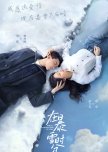
A Snowy Romance Wrapped in Warm Friendships
Amidst a Snowstorm of Love is a calm, cozy, and emotionally gentle drama that prioritizes atmosphere, relationships, and everyday warmth over heavy conflict. It’s the kind of show that quietly wraps around you, making it perfect for winter evenings and slow, comforting watches.The romance between Lin Yi Yang and Yin Guo is soft, natural, and free of unnecessary misunderstandings. Their relationship develops through small gestures, shared silences, and steady emotional support rather than dramatic twists. While I personally found the ML’s acting a little bland at times, this was my first fluffy modern romance, and the sincerity of the story kept me invested enough to finish it—and enjoy it overall.
What truly stood out for me, even more than the romance, was the male friendships. The bond between Lin Yi Yang, Jiang Yang, and Meng Xiaodong was warm, respectful, and deeply supportive. There was no toxic rivalry—only mutual admiration, healthy competition, and genuine brotherhood. Their dynamic added depth and balance to the story, making the world of billiards feel grounded and meaningful. The way they supported each other, both in sport and in life, was one of the most satisfying aspects of the drama.
The supporting cast also deserves praise. Yin Guo’s friends and Lin Yi Yang’s teammates acted as natural wingmen and wingwomen, bringing light humor and warmth without stealing focus from the main story. The billiards storyline blended smoothly with the romance, enhancing character growth rather than distracting from it.
Visually, the drama is beautiful—filmed across multiple countries, with soothing cinematography and a fitting OST that elevates the cozy, introspective mood. The pacing is slow, but intentionally so; the plot is the relationship and the interactions. If the chemistry works for you, the drama works. If not, it may feel uneventful.
Overall, Amidst a Snowstorm of Love is a healing, low-angst drama that celebrates companionship, first love, and brotherhood. It may not be perfect, but it’s sincere, comforting, and quietly memorable—definitely worth watching if you enjoy soft romance and strong friendships.
Was this review helpful to you?
This review may contain spoilers
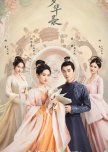
A Beautiful, Empowering Journey
I started watching A Dream of Splendor with zero expectations and somehow ended up finishing it in just two days. This drama quietly pulls you in and refuses to let go. From its storytelling to its characters, visuals, and emotional depth, it delivers a rare balance of elegance, realism, and heart.
🌸 Story & Themes
At its core, A Dream of Splendor is a story about three women who refuse to accept the fate society assigns them. Zhao Pan’er, Sun San Niang, and Song Yin Zhang each come from difficult pasts and low social standing, yet they dare to dream of independence, dignity, and success. Their journey to the capital is not just physical, but emotional and symbolic—a fight against class prejudice, gender restrictions, and personal trauma.
The drama explores women’s empowerment, social hierarchy, human rights, and self-worth, but it does so without becoming overly heavy. Humor, warmth, romance, and suspense are woven in beautifully, making the narrative engaging rather than exhausting.
💼 Business & Growth Arc
One of the most satisfying aspects of this drama is the business storyline. Watching the women build their teahouse from scratch is incredibly rewarding. Zhao Pan’er’s sharp business sense, San Niang’s culinary skills, and Yin Zhang’s artistic talent complement each other perfectly.
Their struggles with customers, competitors, officials, and societal bias feel realistic and grounded. Success is never handed to them it’s earned through strategy, resilience, and teamwork. The business side is not just a backdrop; it actively shapes their character growth and independence.
💕 Romance & Relationships
The romance between Zhao Pan’er and Gu Qian Fan is refreshingly mature. Their relationship is filled with longing, misunderstandings, restraint, and quiet devotion. The misunderstandings between them can be frustrating, but they come from fear, duty, and past trauma rather than petty reasons.
Gu Qian Fan may appear cold and distant, but he never truly stops protecting Pan’er. Pan’er, in turn, remains patient because of the depth of her love. Their chemistry feels natural especially the physical closeness. Their hugs, kisses, and moments together feel sincere and lived-in, setting a high standard for how couples should be portrayed on screen.
Chi Pan serves as a gentle, almost bittersweet presence more a bridge in Pan’er’s emotional journey than a true rival which adds emotional depth without unnecessary drama.
👩🦰 Female Characters Done Right
This drama truly shines in its portrayal of women. Pan’er is neither a flawless nor a helpless damsel. She is smart, ambitious, emotionally vulnerable, and deeply human.
San Niang and Yin Zhang are not sidelined for the sake of the main romance. They make mistakes, suffer consequences, grow, and mature. Their bond feels genuine—full of support, disagreements, and unconditional loyalty. The scene where Yin Zhang finally stands up for herself is incredibly uplifting.
🎭 Acting & Casting
The acting across the board is outstanding. It’s refreshing to see age-appropriate casting, where actors actually look and feel right for their roles.
Liu Yifei brings grace and subtlety to Zhao Pan’er, especially in emotional scenes and quiet moments.
Chen Xiao is phenomenal as Gu Qian Fan—stoic, reliable, and irresistibly charismatic. His restrained expressions and quiet devotion made him a standout.
Jelly Lin deserves special praise for her impressive character development as Yin Zhang.
Even the supporting and male side characters are well-written, memorable, and emotionally engaging.
🎨 Cinematography & Aesthetics
The first third of the drama is especially magical. The cinematography creates a peaceful, almost otherworldly atmosphere. The water reflections, teahouse scenes, city streets, and natural lighting are stunning. Costumes are elegant and refined without being over-the-top, and the sets feel fresh rather than recycled from other historical dramas.
⚖️ Minor Criticisms
Some misunderstandings dragged on longer than necessary.
The ending could have offered more happy, settled moments for the main characters.
Certain plot threads felt slightly underdeveloped toward the end.
🌟 Final Thoughts
A Dream of Splendor is an inspiring, emotionally rich, and beautifully crafted drama. It celebrates women’s resilience, meaningful love, chosen family, and personal ambition without losing its elegance.
With its strong writing, mature romance, compelling business arc, and exceptional performances, this drama easily earns its 9/10 rating. It’s one of those rare shows that feels both comforting and empowering—and absolutely worth revisiting.
Highly recommended for anyone who loves strong female leads, mature romance, business growth stories, and beautifully told historical dramas.
Was this review helpful to you?


