

 2
2 5
5 1
1 1
1 2
2 1
1 1
1


A Heartwarming Journey That Feels a Bit Rushed
Family by Choice is a warm, character-driven drama that leans heavily into the idea that family isn’t always about blood, but about the people who choose to stay. The story follows three individuals who grow up together under unusual circumstances, forming a bond that feels closer than most biological families. The drama is structured across different life stages childhood, youth, and adulthood which helps in showing how their relationships evolve over time.The strongest aspect of the drama is definitely the family dynamic. The relationship between Kim San Ha, Yun Ju Won, and Kang Hae Jun is the emotional core, and many of their moments together feel comforting and heartfelt. The father figures, especially Ju Won’s dad, truly stand out. His performance brings warmth, stability, and emotional depth that elevates the entire drama. The friendship between the parents also adds a grounded layer, showing how support systems are built through shared struggles.
The acting overall is solid, but one thing that didn’t fully work for me was the teenage phase. I found it a bit hard to believe them as actual teenagers, especially Ju Won. Her mannerisms and delivery felt a bit too mature at times, which made those early years slightly less immersive. San Ha gets some leeway since his character is written as more emotionally reserved and mature, and Hae Jun manages to bring in expressive energy that fits better, but Ju Won’s portrayal in that phase didn’t completely convince me.
When it comes to character arcs, there are both strengths and gaps. San Ha’s quiet pain and internal struggles are present, but not explored deeply enough. His trauma, especially involving his mother, feels like it needed more space and conversation. Similarly, Hae Jun’s storyline with his biological father and parts of his past are introduced but not fully unpacked, which leaves a sense of incompleteness.
The romance is another mixed area. While the main couple does get a happy ending, the shift from a sibling-like bond to romance feels rushed and not entirely convincing. The emotional buildup, particularly from Ju Won’s side, could have been handled with more depth. In contrast, Hae Jun and Dal’s relationship feels more organic. You can see the gradual development of feelings, hesitation, and acceptance, which makes their arc more believable and satisfying.
One thing the drama does well is keeping things relatively clean and focused. It avoids unnecessary love triangles and doesn’t rely on forced drama, which makes it an easier and more pleasant watch. The pacing is generally smooth, and the time jumps feel natural, though the shorter runtime means some slice-of-life moments and deeper emotional beats are sacrificed.
Visually and tonally, the drama is comforting. It balances emotional scenes with lighter, everyday moments, creating a soft and easy viewing experience. The themes of belonging, support, and chosen family come through clearly, and there are definitely moments that hit emotionally, especially those centered around home and parental love.
In conclusion, while Family by Choice stands well on its own as a heartfelt and comforting drama, the comparison with Go Ahead is almost inevitable. The original has the advantage of time and depth, which makes the emotional arcs feel more layered and immersive. That said, this version still has its own charm and is definitely worth watching. If you are primarily a K-drama viewer, you will likely enjoy this take for its pacing and tone. And if you are curious about the story in a more detailed and emotionally expansive form, then Go Ahead is absolutely worth checking out as well.
Personally, I watched this almost 1.5 years after finishing Go Ahead, which really helped me see it with fresh eyes and appreciate it for what it is rather than constantly comparing. Both versions offer something valuable, and honestly, both are worth experiencing in their own way.
Was this review helpful to you?
A Story of Love, Loss, and Brotherhood That Outshines Everything Else
Tale of the Nine-Tailed is one of those dramas where the premise pulls you in, but it’s the characters, especially the relationships, that keep you watching. While it presents itself as a fantasy romance, the real emotional core lies in the bond between Lee Yeon and Lee Rang. Their relationship is layered with resentment, guilt, love, and longing, and it evolves in such a raw and heartfelt way that it easily becomes the highlight of the entire story. Every interaction between them carries weight, and their journey from broken brothers to something much deeper is what truly gives the drama its soul.The romance between Lee Yeon and Nam Ji Ah feels more subdued. It has its sweet and loyal moments, and there is a sense of unwavering devotion, but it never quite reaches the same emotional intensity as the brotherly bond. Still, it works in its own quiet way, adding warmth to the story without overpowering it. The side characters, especially Ki Yu Ri and Koo Shin Joo, bring charm and balance, making the world feel more complete and lived-in.
Visually, the drama is stunning. From neon-lit cityscapes to mystical forests and eerie supernatural settings, it creates a strong atmosphere that fits the tone of the story. Even when the CGI isn’t perfect, the overall aesthetic and direction make up for it. There is a certain cinematic quality to the way scenes are framed, which adds to the immersive experience.
The OST is another highlight. It is catchy and used really beautifully throughout the drama. The music blends well with emotional scenes and adds an extra layer to the storytelling without feeling forced.
That said, the plot itself can feel messy at times. The overarching storyline, particularly involving the villain Imoogi, does not always land as strongly as it should. For such a powerful and ancient evil, the execution feels underwhelming, even though his connection to the main leads is interesting. The drama also tends to repeat certain narrative patterns, and some parts in the middle feel stretched or less impactful.
Despite its flaws, the emotional weight of the story carries it through. Themes of love, sacrifice, and longing are handled in a way that still resonates, especially through Lee Rang’s character. His pain, vulnerability, and need to be loved add a depth that elevates the entire drama. The ending, while bittersweet, feels fitting for the kind of story it tells, even if it leaves a lingering ache.
Overall, Tale of the Nine-Tailed is not perfect, but it is memorable where it matters most. If you enjoy character-driven storytelling and emotional depth over a tightly structured plot, this is definitely worth watching.
Was this review helpful to you?

This review may contain spoilers
Flawed Love Chaotic Ride and a Frustrating Grandma
If you are tired of perfect, green flag leads and flawless couples, this drama might be for you. Both the male lead and female lead are deeply flawed, and whether you enjoy the story depends on how much you can tolerate that.The male lead starts off quite strange and even uncomfortable to watch, leaning into obsessive behavior that can feel off putting. However, his character shows strong growth over time and eventually becomes endearing. The female lead is a refreshing change from the typical naive heroine. She is mature, has realistic dreams, and knows what she wants, although her inability to set firm boundaries can be frustrating.
The drama leans more into rom com than pure romance, with the comedy often overshadowing the love story. The central relationship feels like an emotional rollercoaster. One moment you are laughing at them, the next you are annoyed, then somehow rooting for them again. This constant back and forth continues throughout the series.
The plot itself is quite typical. A male lead who falls in love at first sight and pursues the female lead in a way that can feel like stalking, multiple love rivals, and a stretched will they or will they not dynamic. It becomes repetitive toward the end, and the pacing drags even though the outcome feels obvious halfway through.
The side characters are a mix of entertaining and questionable. The workplace setting feels more like a café where people come and go freely rather than a professional environment, but it still manages to stay lively and engaging. However, the biggest issue comes from the grandmother. She spends almost the entire drama trying to separate the leads for reasons that only get explained in the very last episode. Instead of adding depth, her actions feel unnecessarily frustrating and push her straight into the worst guardian category. She constantly interferes without thinking ahead, making her more exhausting than impactful.
Performance wise, Satomi Ishihara delivers a strong and believable performance, balancing both emotional and comedic scenes effortlessly. Tomohisa Yamashita plays the robotic and emotionally restrained male lead very well, managing to convey a lot through subtle expressions.
There are also technical drawbacks. The English dialogue can feel awkward, especially for native speakers, as the accents and delivery do not always land naturally. While the drama includes some cute and enjoyable clichés, the chemistry between the leads may not work for everyone.
In the end, the drama delivers a cheesy but warm conclusion, even if it may not feel fully earned after all the conflict. It is entertaining overall, though frustrating and repetitive at times, and while it is enjoyable to watch once, it may not be something worth revisiting.
Was this review helpful to you?
This review may contain spoilers
Simple Story, Strong Emotions
The story follows two past lovers who are separated because of betrayal, with the female lead being involved in the death of the male lead’s father. When he returns years later, more powerful and driven by revenge, their paths cross again but the feelings between them are still very much there. The setup sounds intense, but the drama focuses more on emotions than plot twists.The plot itself is pretty simple and honestly quite predictable. Most of the twists are easy to guess, and the main villain never really feels like a real threat. There are conflicts, but nothing that makes you stressed or worried for the characters. Even the big issue between the leads gets resolved in a convenient way. So if you are looking for a strong storyline, this might feel a bit underwhelming.
What really makes this drama worth watching is the male lead, played by Zi Xian. He completely carries the show. His screen presence is strong, and he is very expressive, especially with his eyes. Whether it is anger, heartbreak, or soft affection, he makes it feel real. His gaze and the way he delivers emotional scenes really stand out, and honestly, he is the main reason the drama stays engaging.
The second male lead was a nice surprise. He actually manages to match that energy and does not feel overshadowed. He brings a lot of charm and feels very natural on screen, so I would not be surprised to see more of him in future dramas.
The female leads were decent. They were not outstanding, but they did their job well and never felt annoying or out of place. The main focus stays on the leads’ relationship anyway, so it works out fine.
The chemistry between the main couple is really good. You can feel the longing, the history, and the unresolved emotions between them. Some scenes are genuinely heartbreaking, especially when love and resentment collide. I also liked how both characters were willing to sacrifice everything for each other, which made their relationship feel more intense.
Visually, the drama is quite nice. The costumes, setting, and overall aesthetic fit the mood well, and the OST adds to the emotional scenes.
The ending was satisfying, which is always a plus for short dramas. It wraps things up clearly without dragging or feeling incomplete.
Overall, it is not a plot-heavy drama, but it works because of the emotions, chemistry, and especially the male lead’s performance. If you enjoy intense romance with longing and a good visual vibe, this is an easy watch.
Was this review helpful to you?
All Over the Place and Hard to Follow
As a stand-alone film, this movie struggles heavily with storytelling. The narrative feels choppy and often incoherent, with little connection between scenes or character actions. Many moments seem to jump from one point to another without proper buildup, leaving the viewer confused about what is happening and why. For someone unfamiliar with the original story, the film can feel disorienting and, at times, frustrating to follow.The pacing adds to this problem. Some scenes are stretched out unnecessarily, while others pass by so quickly that you barely have time to process them. This uneven pacing creates a scattered viewing experience where important moments don’t get the attention they need, while less significant scenes are given too much time.
I also found myself questioning certain directorial choices. Some scenes, like extended introductions or visual sequences, do not add much value to the story and instead take away time that could have been used to develop the plot more clearly. On top of that, the CGI throughout the film is noticeably weak, which further affects immersion.
Overall, the movie feels disconnected and poorly structured. With better editing, tighter storytelling, and improved pacing, it could have been much more engaging. As it stands, it’s a disappointing watch, especially for viewers expecting a coherent and well-executed narrative.
Was this review helpful to you?
Romance Is a Bonus, but Friendship Is the Heart
This drama tells a story about ordinary people living ordinary lives in ordinary circumstances, but what makes it special is the extraordinary relationship between the main leads. The ML and FL share a 20-year friendship, and what I loved most is that neither of them wanted to ruin that friendship just because of romance.The story follows the FL, who has recently gone through a difficult divorce and is trying to rebuild her life. After being away from the workforce for years, she struggles to re-enter the industry and repeatedly fails. Meanwhile, the ML is a successful author and the youngest chief editor at a publishing company. Eventually, the FL manages to get a job at the same publishing company by lying on her resume, and that’s where her journey of rebuilding her life truly begins.
One thing I appreciated about this drama is that it has what I would call a mature love triangle… or maybe even a love rectangle. However, unlike many dramas, none of the characters become annoying or frustrating enough to make you want to skip their scenes. Every character feels human, and the story slowly unfolds their personalities and struggles in a very natural and grounded way. Credit definitely goes to the writer and screenwriter for creating such believable characters.
Some people say that the ML is a coward, but I personally disagree. To me, he felt like a gentle and emotionally mature person. He knew that his feelings were one-sided and that the FL didn’t see him romantically, so he chose not to risk ruining their long friendship. Instead, he patiently stayed by her side, even if it meant watching her love someone else. When the FL finally began to see him differently, he didn’t hold back anymore. Considering the history and depth of their friendship, his behavior felt completely understandable to me.
The overall tone of the drama is very gentle, and it is told in a calm, comforting way. Watching it actually made me realize how overstimulating many modern dramas have become with constant twists and exaggerated drama. This show is the opposite. It allows your mind to relax while still keeping you engaged, which is honestly refreshing.
If there is one thing I wish had been explored more, it would be the FL’s background, especially her life as a mother. We know she has a daughter, but the drama only shows them interacting a few times in the beginning. I would have liked to see more of that emotional side of her life.
Another highlight of the drama for me was the workplace environment. The publishing company and the atmosphere between the employees felt warm and welcoming. Watching the team slowly grow closer and support each other was honestly one of the most enjoyable parts of the show.
This is also one of those dramas where the writing itself stands out. The plot isn’t overly dramatic or filled with shocking twists, but the consistency and quality of the script make it very engaging. Maintaining that level of storytelling across 16 episodes is not easy, and it shows the strength of the writing. Instead of relying on unrealistic drama tropes, the show focuses on realistic relationships and personal growth.
The publishing industry was portrayed in an interesting way as well. Of course, parts of it were somewhat romanticized, but the drama also touched on some of the harsher realities of the industry.
What I liked most about the story structure is how neatly everything comes together. There are no unnecessary plotlines or dragged-out conflicts. The story progresses naturally, and everything builds up gradually until it falls into place in a satisfying way. It’s the kind of drama that makes you feel comfortable rather than stressed while watching it.
The characters are another strong point. Not only were they perfectly cast, but every character had their own development and emotional journey. Even the supporting characters were charming and memorable in their own ways. Their friendships and their willingness to support each other created many heartwarming moments throughout the drama.
One thing that stood out to me was how the main characters behaved like actual mature adults. Their conflicts were not created by ridiculous misunderstandings or random plot twists, which is something that usually frustrates me in dramas. Instead, they communicated, respected each other, and made decisions that were consistent with their personalities.
The female lead deserves special mention. She is written as someone who is strong, kind, patient, and resilient, and her journey of rebuilding her life is genuinely inspiring. Her character is portrayed with a lot of grace, which made her very easy to root for.
The main couple also had a very natural chemistry. Their relationship felt warm and genuine without ever becoming overly dramatic or exaggerated.
Even though I’m usually not someone who rewatches dramas, this is one of those shows I would definitely return to if I wanted something comforting to watch. It has the kind of story that lifts your mood while still feeling meaningful.
Another unique element that I absolutely loved was the outros at the end of each episode. They feature character monologues combined with beautiful quotes, and they often give deeper insight into the characters’ thoughts and emotions. I found myself watching them very carefully every time because they added an extra emotional layer to the story. Honestly, those heartwarming outros alone make the drama worth revisiting.
Overall, Romance Is a Bonus Book is a drama that doesn’t rely on intense drama or flashy storytelling. Instead, it focuses on warm relationships, personal growth, and the quiet beauty of everyday life. It may not have a groundbreaking plot, but the comforting atmosphere, well-written characters, and thoughtful storytelling make it a very enjoyable watch.
For me, this drama is a solid 8/10, and I would even add an extra +0.5 just for the beautiful outros. It’s definitely the kind of drama that stays with you and makes you want to watch it again someday.
Was this review helpful to you?

A Soft and Nostalgic Story That Grows With You
The story itself is simple and mellow, without heavy drama or shocking twists, but that is exactly its strength. It focuses on growing up, changing as people, and learning how to love properly. It may not be the most original story, but it becomes memorable because of its emotional sincerity and lovable characters.What makes the drama special is how the relationship evolves over time. When they were young, Xiaoxi was always the one chasing Jiang Chen, confessing openly and fearlessly. But as they grow older, the roles slowly reverse, and Jiang Chen becomes the one holding on and expressing what he could never say before. That emotional shift makes their love feel real and earned rather than forced.
Hu Yitian did a great job portraying Jiang Chen. His cold, quiet, and emotionally reserved personality made sense for the character. He was never truly uncaring, just someone who struggled to express himself. His character development was subtle but meaningful, and seeing him slowly open up was one of the most satisfying parts of the story.
Shen Yue made Chen Xiaoxi charming and lovable despite her flaws. She was cheerful, clumsy, and sometimes overly focused on Jiang Chen, which could feel frustrating at times. But she brought warmth and emotional life to the character, and her growth into someone more mature and independent was handled nicely.
The friend group is one of the strongest aspects of the drama. Their friendship feels natural, supportive, and genuine. Characters like Wu Bosong, Lu Yang, and Lin Jinxiao added emotional depth and balance to the story. Their individual struggles and growth made the world feel complete, not just centered around the main couple.
The drama starts off light, funny, and fast paced, which makes it easy to get attached. However, the later episodes slow down significantly, and some parts feel dragged out. The reintroduction of certain romantic tensions later on felt unnecessary, especially when the emotional resolution was already clear. Despite that, the emotional payoff and character closure make the journey worth it.
Overall, this drama stands out not because of complex plot, but because of how naturally it portrays youth, love, and growing up. It is the kind of story that stays with you quietly and becomes even more meaningful when you look back on it.
Rating: 8.5/10
A simple, heartfelt drama that proves sometimes the quietest stories leave the strongest impact.
Was this review helpful to you?
A Soft and Nostalgic Story That Grows With You
The story itself is simple and mellow, without heavy drama or shocking twists, but that is exactly its strength. It focuses on growing up, changing as people, and learning how to love properly. It may not be the most original story, but it becomes memorable because of its emotional sincerity and lovable characters.What makes the drama special is how the relationship evolves over time. When they were young, Xiaoxi was always the one chasing Jiang Chen, confessing openly and fearlessly. But as they grow older, the roles slowly reverse, and Jiang Chen becomes the one holding on and expressing what he could never say before. That emotional shift makes their love feel real and earned rather than forced.
Hu Yitian did a great job portraying Jiang Chen. His cold, quiet, and emotionally reserved personality made sense for the character. He was never truly uncaring, just someone who struggled to express himself. His character development was subtle but meaningful, and seeing him slowly open up was one of the most satisfying parts of the story.
Shen Yue made Chen Xiaoxi charming and lovable despite her flaws. She was cheerful, clumsy, and sometimes overly focused on Jiang Chen, which could feel frustrating at times. But she brought warmth and emotional life to the character, and her growth into someone more mature and independent was handled nicely.
The friend group is one of the strongest aspects of the drama. Their friendship feels natural, supportive, and genuine. Characters like Wu Bosong, Lu Yang, and Lin Jinxiao added emotional depth and balance to the story. Their individual struggles and growth made the world feel complete, not just centered around the main couple.
The drama starts off light, funny, and fast paced, which makes it easy to get attached. However, the later episodes slow down significantly, and some parts feel dragged out. The reintroduction of certain romantic tensions later on felt unnecessary, especially when the emotional resolution was already clear. Despite that, the emotional payoff and character closure make the journey worth it.
Overall, this drama stands out not because of complex plot, but because of how naturally it portrays youth, love, and growing up. It is the kind of story that stays with you quietly and becomes even more meaningful when you look back on it.
Rating: 8.5/10
A simple, heartfelt drama that proves sometimes the quietest stories leave the strongest impact.
Was this review helpful to you?

A Good Story Trapped in a Short Format
This drama had a really interesting detective story at its core, but the short format and poor editing held it back a lot. The plot itself was actually good and different from typical predictable cases, but the way it was edited made everything feel chopped and incomplete. Many scenes jumped too quickly, and I often found myself wondering how and why the characters suddenly ended up in certain situations.The biggest reason I kept watching was the leads. CYF and WMY had excellent chemistry, and their interactions felt natural and engaging. The actors did a great job with what they were given, and their performances made the characters more likable even when the writing did not give them enough depth. Unfortunately, because of the short runtime, the characters felt flat and one dimensional, and we never got to fully understand their motivations or personalities.
The reactions, responses, and overall flow were weak especially in the beginning, and the editing never really improved. It honestly felt like this story would have worked much better as a full length drama where the cases and characters could be explored properly. The potential was clearly there, but the format limited its impact.
Overall, it is not a bad drama, and the it is worth watching. But it also feels like a missed opportunity. With better direction, smoother editing, and a longer format, this could have been a truly great detective drama instead of just an average one with unrealized potential.
Was this review helpful to you?

watchable but forgettable noona romance
This drama had a promising premise and some genuinely sweet moments, but overall it ended up being an average watch with noticeable flaws. As an adaptation of Something in the Rain, it manages to capture the soft, slow romance vibe, but it lacks the emotional depth and natural chemistry that made the original memorable.The biggest issue for me was the chemistry between the leads. Individually, they did fine, and there were some cute and swoon worthy scenes with decent skinship, but together their relationship often felt forced and unconvincing. Instead of feeling natural, many of their interactions came across as awkward or staged. The female lead initially appeared naive and overly dependent, often falling into the damsel in distress trope, although she did show more maturity later. The male lead was likable and visually fitting for the role, but his emotional delivery sometimes felt stiff.
The writing was another weak point. Many plot developments were predictable and heavily telegraphed. The female lead’s ex-boyfriend was clearly written to fail from the start, with obvious incompatibilities inserted just to justify the breakup. Some character introductions and situations also felt unrealistic and convenient rather than organic. The drama had a slow pace, especially in the middle, where it dragged unnecessarily and could have benefited from tighter editing.
The secondary couples had potential but were severely underdeveloped. Their storylines felt rushed, especially toward the end, with important moments happening off screen, which made it difficult to stay emotionally invested. This was disappointing because they could have added more depth and balance to the overall story.
The beginning and ending were the weakest parts. The start relied too much on forced encounters, and the ending felt abrupt and rushed, with unnecessary flashbacks that made it seem like the writers struggled to conclude the story properly. The final scenes felt more like filler than a satisfying resolution.
That said, the drama wasn’t completely without merit. It maintained a relatively low angst tone, avoided overly dramatic breakups, and had some genuinely warm and comforting moments. The acting overall was decent, with the female lead carrying much of the emotional weight of the story.
In the end, Love the Way You Are is a watchable but forgettable romance. It has its sweet moments and decent performances, but weak writing, lack of strong chemistry, and pacing issues prevent it from being truly memorable. I’d rate it a 6.5/10.
Was this review helpful to you?
This review may contain spoilers
Quirky, Fluffy, and Fu With Some Missed Potential
After the first five episodes, the show was pretty enjoyable, and it stayed fairly engaging up to episode 13. There are definitely some standout scenes, but there are also moments that feel a bit ridiculous. The heart-ache concept is unusual but adds a lot of fun to the story. The way the characters cooperate is refreshing and keeps the show lively.At first, I was more invested in the second couple than the first, but once the father’s storyline resolved, my interest dipped. Speaking of the father, this drama features one of the most understanding fathers, and he became a really nice character to have in the second half. It felt like the sister lost her empathy after the divorce and was forcing her decision regarding the first couple. In the last half of the series, the third couple helped save the show for me without them, I might have dropped it entirely.
The drama features three couples with interesting dynamics, but unfortunately, none of them are fully developed. For instance, the first couple’s relationship doesn’t really evolve before or after their official pairing. The past-life storyline felt uneven and choppy, leaving some parts, like the dreams and the heartache element, without proper closure.
The final episode introduces an unnecessary amnesia trope, and I didn’t feel much chemistry between the leads. The sister and her partner were only watchable because of his acting; she mostly had a poker face throughout. Interestingly, the tension between the maid and the male lead’s friend was more compelling.
I started watching because I love Ouyang Nana from Snowfall, and the unique quirk of this drama—where the male lead’s heart actually aches whenever the female lead cries definitely caught my interest. Overall, it’s a cute, fluffy drama that’s decent and entertaining. The ending felt a bit rushed, but I’m happy all the side couples got their happily-ever-afters.
The mystery element was engaging, with high stakes for the female lead, though sometimes it felt too easy for the leads to solve problems. It would have been more exciting to see them struggle or fail more realistically. Instead, it often felt like they just hit a small obstacle rather than a real wall, only to overcome it easily in the next episode.
Overall, it’s a fun watch, especially if you enjoy light romance with quirky twists, though it has its fair share of flaws in pacing and character development.
Was this review helpful to you?

Chemistry Stronger Than Revenge
This drama delivers an intense and emotionally layered revenge story with excellent performances, especially from Wang Chen Peng and Zhai Yiying. The female lead stands out as a smart, manipulative, and emotionally complex character, while the male lead’s transformation from cold and guarded to vulnerable and deeply devoted was portrayed beautifully. Their chemistry is powerful, and even when romance takes a backseat to revenge, their emotional connection remains compelling.Despite the typical limitations of vertical dramas, the production quality was impressive, with strong cinematography, detailed costumes, and visually pleasing sets. The story balances revenge, emotional growth, and romance effectively, and the actors brought depth and sincerity to their roles. The emotional scenes, confrontations, and character arcs made this drama engaging from start to finish, earning it a place among memorable and enjoyable watches.
A gripping mix of revenge and romance with stellar chemistry between the leads. The slow-burn love and intense emotions make it an unforgettable watch.
Was this review helpful to you?
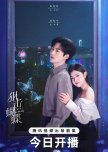
Age Gap Slow Burn Love Story That Feels Soft Yet Underwhelming
The constant back and forth between different years felt a bit too frequent for my liking, even though I appreciated that the drama always made it clear when a time jump happened. I usually enjoy stories where the leads separate and reunite with new perspectives, but in Sniper Butterfly this concept did not fully land for me. Their chemistry was decent but not outstanding, and the plot itself lacked enough excitement to keep me fully engaged. A few moments were cute, but toward the final episodes I found myself skipping scenes because nothing truly pulled me in.What worked better for me was the female lead’s strength and composure. Her emotional journey felt realistic and easy to connect with. The male lead is warm and supportive, and their relationship develops slowly without feeling forced. Instead of loud romance, it leans into understanding, respect, and quiet affection, which gives their bond a gentle sincerity. The overall pacing is calm and the atmosphere soothing, and the acting feels natural rather than exaggerated.
That said, the drama loses momentum after the breakup. Once the leads separate, the story becomes overloaded with work scenes and very little emotional interaction. Even after they reunite, the plot feels empty, with episode after episode focusing on business instead of relationship growth. Ironically, the side couple became more interesting to watch. The girl chasing the guy in a sweet, non-cringey way and the soft tsundere male made their romance more engaging than the main one.
The younger man and older woman setup also felt overdone and not particularly fresh. The second male lead, however, was surprisingly mature and respectful. He never forced his feelings onto the FL and accepted her relationship with the ML with grace. Even with some jealousy and banter, he stayed supportive, which made him one of the more pleasant characters in the drama.
The ML clearly has flaws such as social anxiety, communication problems, and overconfidence, but the FL rarely falters. The only time she truly felt human was during her divorce, when she desperately tried to hold onto a broken marriage. After that, she becomes almost too ideal, always understanding, always composed, always doing the right thing, which removes some emotional balance between the leads.
Visually, some choices also distracted me. The FL’s wardrobe barely changes between past and present except for a haircut, and the constant short skirts in a corporate setting felt unrealistic, especially when no other women dressed the same way. Even the ML sometimes looked like he was wearing clothes from the past timeline in the present.
Lastly, the ML’s mental health was glossed over too lightly. Instead of simply pushing him forward, the story could have explored real psychological help. I actually appreciated when the SML suggested therapy, and I wish the drama had gone deeper into that instead of focusing so heavily on business in the later episodes.
Overall, Sniper Butterfly is an okay watch but nothing particularly special. If you are not deeply invested in the romance, there is very little to keep you hooked, especially once the story shifts into repetitive workplace scenes instead of emotional development.
Was this review helpful to you?

The Rise of Hua Zhi in a World That Doubted Her : When Intelligence Becomes Power
Blossoms in Adversity tells the story of survival, growth, and love in a society that believes women cannot stand without men. When tragedy strikes the powerful Hua family, the men are exiled and their property confiscated, leaving only women and children behind. Overnight, the once-protected household is pushed into poverty and danger. In the middle of this collapse stands Hua Zhi, who refuses to let her family fall apart.With intelligence and resilience, she leads the Hua women through rebuilding their lives, restoring their business, and reclaiming their dignity. Along this difficult road, she meets Gu Yan Xi, the Commander of the Security Bureau, whose fate becomes deeply intertwined with hers. From cautious allies to unwavering partners, the two slowly develop a relationship built on trust, loyalty, and quiet affection rather than dramatic clichés.
🌸 Characters & Romance
Hua Zhi (played by Zhang Jing Yi) is one of the strongest yet softest female leads in recent historical dramas.She is a resourceful and intelligent young woman who, after her family faces ruin, uses her hidden talents to lead her female relatives in navigating poverty and social stigma She is capable without being arrogant, gentle without being weak. What makes her special is how naturally her leadership grows. She does not suddenly become powerful; she learns, fails, adapts, and keeps moving forward for the sake of her family. Her business sense, emotional intelligence, and compassion turn the Hua household from helpless victims into independent survivors.
Opposite her is Gu Yan Xi (played by Hu Yi Tian), the feared yet deeply loyal Commander of the Security Bureau. On the surface, he is cold, disciplined, and ruthless to enemies, but with Hua Zhi he is gentle, respectful, and quietly devoted. Rather than controlling her, he believes in her. Their relationship is refreshingly mature. They communicate, trust each other, and walk through danger together instead of creating misunderstandings.
Their romance is a slow burn filled with subtle flirting, emotional support, and mutual sacrifice. There are no dragged-out love triangles or forced separations. Instead, we watch two adults slowly become each other’s strongest allies.
🎭 Acting
Zhang Jing Yi delivers a graceful and emotionally grounded performance as Hua Zhi. She balances softness with authority beautifully. Whether leading her family, negotiating business, or showing vulnerability, her expressions feel natural and sincere. You can see Hua Zhi’s growth not only in dialogue but in posture, confidence, and emotional control.
Hu Yi Tian shines in one of his best historical roles to date. As Gu Yan Xi, he blends stoicism with warmth. His fight scenes are sharp, his presence commanding, and yet his quiet moments with the female lead are full of tenderness. He plays the contrast between savage commander and gentle lover extremely well.
The supporting cast also elevates the drama. The Hua family women, servants, and side couples all feel alive and meaningful. Even the emperor, though frustrating, is performed with nuance and complexity, adding depth rather than simple villainy.
🎬 Execution & Storytelling
The execution of Blossoms in Adversity is polished and engaging. The pacing remains steady across its episodes without dragging. Emotional moments never feel overly melodramatic, and happy moments feel earned rather than exaggerated.
Visually, the drama is beautiful. Costumes, sets, and cinematography enhance the historical atmosphere and make every scene immersive. The production quality supports the storytelling rather than distracting from it.
What stands out most is the balance between romance, family, business, and politics. While the later episodes lean more into political conflicts and slightly away from business development, the emotional core of the drama never gets lost. The ending wraps up character journeys in a satisfying, comforting way that feels complete.
🌼 Final Thoughts
Blossoms in Adversity is not just a romance drama. It is about women discovering their worth, families rebuilding from nothing, and love growing through trust instead of chaos. It delivers comfort without being boring and strength without losing tenderness.
If you enjoy historical dramas with strong female leads, mature romance, emotional intelligence, and meaningful storytelling, this one deserves a spot on your watchlist.
⭐ Rating: 9/10
A heartfelt, empowering drama with beautiful performances, steady romance, and lasting emotional impact.
Was this review helpful to you?

This review may contain spoilers
A Doctor, A Firefighter, and Love That Defies Time and Class
ASlow-Burn Romance in a Patriotic World and a Love That Still BurnsAngsty action romance drama with firefighters and hospital theme.The two leads do have chemistry. It's not as deeply rooted as one would like it to be, but there is some chemistry between the two leads. Love at first sight, reconcile 10 years later between two Individuals of Noble Profession.
I honestly loved this drama. From start to finish, it’s a mix of bromance, romance, action, and life lessons that makes it unforgettable. It’s not your typical drama with the “intelligent boy / dumb girl” trope — here, both leads are mature, smart, and hardworking, and the story respects their growth and emotions.
💛 Story & Characters:
Yang Yang as Song Yan: Absolutely brilliant. He’s mischievous, talkative, fierce, and yet responsible as a firefighter and a leader. The way he balances his ambition, love life, and caring for his team is realistic and inspiring.
Wang Chu Ran as Xu Qin: Sophisticated, reserved, and independent. Her journey of balancing family obligations, love, and career as a doctor is beautifully portrayed. Her growth from being constrained by her family to pursuing love and independence feels natural and earned.
The drama also honors real-life professions — firefighters, rescue workers, and doctors. The scenes showing their struggles and sacrifices are so moving and respectful. It made me appreciate their dedication and bravery, and added a layer of realism you rarely see in dramas.
✨ What I Loved:
True-to-life emotions and conflicts — not over-the-top fantasy drama stuff.
The relationship development between the leads is paced realistically. Every interaction matters, every emotional moment hits.
The drama gives respect and recognition to all jobs, showing that every profession has its difficulties and deserves acknowledgment.
Action and romance are well-balanced — it’s not just about love; it’s about life, duty, and resilience.
Even small details — like showing the difficulty of being a firefighter — add depth and meaning to the story.
⚡ Acting:
The whole cast delivers, from leads to supporting characters. Song Yan’s and Xu Qin’s chemistry is seamless. While I occasionally found Xu Qin a bit frustrating (but not enough to drop the drama), her moments of growth made it satisfying to watch. Song Yan’s journey as a professional, lover, and friend is heartfelt.
The mother character adds tension, and though at times annoying, her arc — especially being redeemed later — is well-handled. Supporting characters, like Xu Qin’s brother and team members, enrich the story and bring balance.
💡 Pacing & Writing:
Realistic pacing — take your time with this drama; don’t skip episodes, or you’ll miss small but meaningful developments.
Modern, mature, and engaging — emotions are developed over time, not forced.
Some social class subplots felt repetitive, but the drama’s main strength is in its characters and realistic storytelling, which outweighs minor cliches.
💌 Who Should Watch:
If you love realistic modern dramas that mix romance, friendship, and action.
If you appreciate emotional depth and character growth.
If you want a drama that respects real professions and shows life struggles in adulthood.
Fans of Yang Yang or Wang Chu Ran — both deliver career-defining performances.
Viewers who enjoy slow-burn romance and meaningful bromance.
⚠️ Who Might Not Enjoy It:
Those looking for fast-paced, light, or purely fantasy romance.
People who don’t like subtle emotional build-up — this drama is about noticing the small things.
Viewers who are bothered by social class conflicts or strict family dynamics — these are part of the story, though handled well.
💖 Final Thoughts:
This drama is heartfelt, realistic, and inspiring. It made me laugh, cry, smile, and feel pride for real-life heroes like firefighters and doctors. Every scene matters, every character contributes, and the emotional pay-off is immense. Truly, a must-watch for anyone who values story, character, and life lessons in a drama.
Rating: 9/10
If you haven’t watched it yet — take your time, enjoy the journey, and ride the emotional waves. You won’t regret it.
Was this review helpful to you?


