

 2
2 5
5 1
1 1
1 2
2 1
1 1
1



This review may contain spoilers
A Love Story Written Across Timelines
Blossoming Love is honestly one of those dramas that stays with you long after you finish it. Or in my case, even after being forced to put it on hold because of locked Youku episodes. I still remember how obsessed I was when I first started it. I binged more than twenty episodes in a single day because the story completely pulled me in with its mystery, emotional tension, and layered storytelling. Unfortunately, the long break made me lose some emotional connection with the characters, otherwise this could have easily been a 9.5/10 drama for me. Even now, I know this is the kind of drama that deserves a full rewatch because there are so many details and connections you only fully understand later.For anyone planning to watch this drama, I would honestly say not to let mixed reviews stop you. The plot may sound familiar on paper with themes of fate, rebirth, gods, demons, and time loops, but the way the story is told feels incredibly fresh and creative. This is not a straightforward fantasy romance where everything is spoon-fed to the audience. The storytelling is complex, nonlinear, and layered across different timelines involving the past, present, and future. Many scenes that initially seem confusing or random eventually come full circle and make complete sense later on.
The story begins with Mu Xuanling, the Saintess of the Dark Realm, rescuing Xie Xuechen, the cold and righteous alliance leader. What starts as a playful and flirtatious dynamic slowly evolves into something much deeper and far more tragic. One of the best things about this drama is that the female lead actively pursues the male lead from the very beginning. She is bold, confident, intelligent, and emotionally expressive, which makes her feel refreshing compared to the usual passive fantasy heroines.
Sun Zhen Ni absolutely shines in this role. Mu Xuanling is playful and teasing on the surface, but underneath that charm is someone carrying loneliness, trauma, and emotional scars. Watching her slowly unravel across the story was genuinely emotional. Her chemistry with Vin Zhang was excellent, and together they created one of the most emotionally satisfying fantasy couples I have seen in recent dramas.
The male lead also surprised me. At first he appears to be the typical cold savior archetype, but as the story progresses, his layers slowly reveal themselves. His journey across timelines and identities was heartbreaking. One of my favorite revelations in the drama was learning that he had always been the “Gege” from the female lead’s memories. Suddenly all the strange glitches and timeline inconsistencies made sense. The drama handles its time-loop elements surprisingly well, and every reveal feels rewarding rather than random.
The romance is honestly beautiful. It is not just about attraction but about trust, sacrifice, destiny, and choosing each other again and again despite pain and loss. What I appreciated most was the lack of forced misunderstandings between the leads. Even when the story becomes complicated, they continue to trust and protect one another. Their love story felt epic, emotional, and deeply fated in a way that fantasy dramas often try to achieve but rarely fully succeed at.
I also have to mention the second male lead because he was one of the most interesting characters in the drama. He is morally gray, obsessive, emotionally damaged, and layered in a way that constantly makes you conflicted about him. The actor portrayed him brilliantly through subtle expressions and emotional restraint. I never truly saw him as a romantic rival, but I did understand his pain and motivations. His storyline added another emotional layer to the drama rather than simply serving as a love triangle.
One of the strongest aspects of Blossoming Love is its themes. Beneath all the fantasy elements, this drama constantly explores philosophical ideas about life, death, fate, love, obsession, trauma, and free will. Many characters are haunted by their inner demons, whether it is fear, hatred, guilt, or loneliness. The drama repeatedly questions whether fate is predetermined or if people truly have the power to change their destinies. It also explores how obsession and emotional projection can destroy both oneself and others.
The side stories were also surprisingly emotional. Some of the supporting romances and tragic backstories genuinely moved me just as much as the main plot. The world feels emotionally alive because every character carries their own pain and motivations.
Visually, the drama is stunning. The CGI is beautiful for a fantasy drama, especially compared to many recent productions, and the fight scenes are enhanced perfectly by the OST. The soundtrack deserves special praise because it elevates almost every emotional moment. Some scenes genuinely gave me chills because of how well the music, cinematography, and acting came together.
The acting overall was very strong, including the supporting cast and even the child actors. I especially loved the little girl who played A’Bao. There were very few moments that felt awkward or cringeworthy, which is honestly rare in xianxia dramas.
Of course, the drama is not perfect. The nonlinear storytelling can be confusing at first, and some viewers may struggle with the clingy behavior of the female lead in the earlier episodes before understanding the deeper context behind it. The final arc also slows down a little because of the amount of backstory and explanations needed to connect everything together. But personally, I appreciated that the drama took time to explain its mysteries properly rather than rushing through them.
Blossoming Love feels like a drama designed for rewatches. Once you know the truth behind the timelines, reincarnations, and character relationships, earlier scenes gain completely different meanings. It is the kind of story where every puzzle piece eventually fits together.
Overall, this drama gave me everything I love in fantasy romance: emotional storytelling, layered characters, philosophical themes, strong chemistry, beautiful visuals, tragic devotion, and a story that respects the audience enough to slowly unfold its mysteries instead of simplifying everything immediately.
A beautifully emotional fantasy drama about fate, sacrifice, and love across timelines that I will definitely revisit again someday.
Was this review helpful to you?

This review may contain spoilers
Chaotic, Addictive, and Full of Revenge
Marry Him in Her Place turned out to be a surprisingly addictive Republican-era revenge drama filled with angst, tension, betrayal, and just enough romance to keep things emotionally engaging. It is not the most logical drama out there, but if you are willing to switch off your brain for a while and simply enjoy the chaos, it becomes a very entertaining watch.The story follows Liang Yi, who survives betrayal and returns under a new identity as Xu Yin to take revenge on the people who ruined her life. From the very beginning, the drama hooks you with its dark atmosphere, revenge-driven storyline, and emotionally charged confrontations.
One thing I really appreciated was that the male lead was actually intelligent. Instead of dragging out the obvious misunderstanding for half the series, he quickly realizes that the woman before him is not his childhood fiance and eventually figures out her true identity as well. That alone already made the drama feel more refreshing compared to many other revenge mini dramas where the male lead remains clueless forever.
The male lead honestly carries a huge part of the drama. He has the perfect balance of charm, intensity, and emotional restraint, and Ryan Ren’s performance made every scene more engaging. The chemistry between the leads may not be overflowing with soft romance, but the tension between them is excellent. This drama focuses more on angst, obsession, revenge, and emotional pain than pure romance, and that darker dynamic works well for the story.
The villain deserves special mention because he is genuinely terrifying. The ex-husband/fiancé is cruel, manipulative, violent, and unpredictable in a way that makes the revenge arc feel satisfying. Wang Ze Xuan did an incredible job portraying such an unstable and dangerous antagonist that some scenes genuinely felt uncomfortable in the best possible way.
The female lead is good overall, though I would not call her exceptionally smart. Some of her decisions are frustrating, and without the male lead stepping in multiple times, she probably would not have survived several situations. Still, she is not weak, and her determination to get revenge keeps the story emotionally compelling.
The drama also deserves credit for actually using weapons properly. Guns are not just decorative props, which is surprisingly rare in Republican-era dramas. Although some fight scenes and mob weapons looked questionable, the action sequences generally added intensity to the story.
What makes this drama so bingeable is its pacing. The short episodes keep the momentum going, and there is always another twist, betrayal, or confrontation waiting around the corner. Even when the story becomes over-the-top or unrealistic, it remains entertaining enough that you just want to keep watching.
That said, the drama definitely has flaws. Some scenes involving violence between characters, including slapping and knife-related confrontations, can feel excessive. Logic also takes a backseat at times, and certain plot developments require a lot of suspension of disbelief. But honestly, this drama knows exactly what it is. It is dramatic, messy, intense, and emotionally chaotic in a way that somehow works.
Watching this drama felt like eating chaotic street food you know might upset your stomach later, but it tastes so good in the moment that you keep coming back for more. It may not be perfect, but as a short Republican-era revenge drama filled with angst and tension, it is definitely one of the more memorable ones.
A dark, addictive revenge drama with a smart male lead, a terrifying villain, strong emotional tension, and enough chaos to keep you hooked until the very end.
Was this review helpful to you?

This review may contain spoilers
A Villainess Who Refuses to Lose
The Fortune Writer is one of the most creative and emotionally gripping short dramas I have watched. It takes the familiar concept of characters discovering they are trapped inside a story, but instead of following the destined heroine, it focuses on the so-called villainess who refuses to accept the tragic ending written for her. The result is a dark, twist-filled romance that feels both refreshing and deeply moving.The story follows Su Yun Qi, a second female lead who is supposed to interfere with the main couple and suffer for it. Unlike typical antagonists, she becomes aware of her role and decides to fight against the fate imposed on her. She is cunning, ruthless, and often morally gray, yet her determination to write her own ending makes her impossible not to root for. This is one of the rare dramas where the female lead remains intelligent and strategic throughout, even after falling in love.
Daisy Li delivers a phenomenal performance. She carries the drama with remarkable emotional depth, effortlessly shifting between vengeance, vulnerability, and tenderness. Her portrayal of Su Yun Qi is captivating, and she once again proves why she stands out among short drama actresses.
The male lead initially took some time to grow on me because of his youthful appearance, but his character turned out to be far more complex than expected. He is not a conventional noble hero. He is morally gray, ruthless when necessary, and fiercely devoted to the female lead. Together, the two leads share an intense and layered relationship built on manipulation, distrust, sacrifice, and profound love. Their chemistry is powerful, and their romance gradually evolves into the kind of all-consuming devotion where both are willing to give up everything for each other.
One of the drama’s greatest strengths is its writing. The plot is full of unpredictable twists, and every episode reveals new layers to the story. It boldly explores dark themes, including betrayal, murder, and emotional trauma, while still delivering moments of tenderness and hope. The drama also cleverly pokes fun at common romance tropes, adding a self-aware humor that keeps the story engaging.
The production quality is impressive for a mini drama. The pacing is tight, and there is very little filler. Supporting characters such as Jin Jiu are memorable and add both emotional support and strength to the narrative.
At its core, The Fortune Writer explores two powerful ideas: that only we can change our own fate, and that true freedom comes when we let go of our fears and desires. Beneath the fantasy and suspense lies a deeply emotional story about identity, destiny, and the courage to challenge the role the world has assigned to us.
The Fortune Writer is dark, romantic, and wonderfully unconventional. It offers a rare anti-heroine, a complex love story, and a plot that consistently surprises. If you enjoy morally gray characters, angsty romance, and stories about defying destiny, this drama is absolutely worth watching.
A brilliantly written short drama that proves mini series can be just as compelling and emotionally powerful as full-length productions.
Was this review helpful to you?

This review may contain spoilers
The Second Couple Steals the Show
First Romance started out with a lot of promise and quickly caught my attention. The initial misunderstanding, where the male lead mistakes the female lead for a boy, was resolved within the first few episodes, which made me think the story would avoid dragging out unnecessary clichés. Unfortunately, after that strong beginning, the drama fell into a long cycle of misunderstandings, poor communication, and every familiar romance trope imaginable.The story follows a typical college romance formula with childhood connections, jealous classmates, love rivals, sports competitions, and even the obligatory hand injury. While none of these elements are inherently bad, the drama does little to make them feel fresh or emotionally compelling. Much of the plot feels repetitive, and there are long stretches where very little actually happens. The male lead does not confess his feelings until episode 18 of 24, which makes the romantic progress feel frustratingly slow.
The female lead is especially stands out from the usual childish heroines often seen in youth dramas. Her tomboy personality is believable, and Wan Peng portrays her with charm and confidence.
The highlight of the drama is undoubtedly the second couple. Their relationship is a well-developed slow burn with excellent chemistry, and I often found their story more engaging than the main romance. The second male lead is incredibly charismatic and visually striking, while his counterpart is understated and quietly captivating. Unfortunately, they are not given enough screen time, and their conclusion feels somewhat incomplete.
The friendships are another positive aspect. The loyal and supportive friend group adds warmth to the story, and several supporting characters, including the parents, are genuinely enjoyable whenever they appear.
Overall, First Romance is a cute and easy watch with a charming female lead and a memorable second couple, but it is held back by a dull and overly familiar storyline. The excessive misunderstandings and very slow romantic development make it less engaging than it could have been.
Was this review helpful to you?

This review may contain spoilers
Rural Charm with a Frustrating Turn
Don't Disturb Me Farming is a refreshing take on the classic fish-out-of-water trope by flipping it completely. Instead of a rural girl adjusting to city life, it’s the rich male lead who is thrown into village living and struggling to adapt, which makes the setup feel a bit different and interesting at the start.The leads actually perform quite well, and their acting feels natural for the most part. The initial episodes are especially enjoyable with a sweet premise and good chemistry, giving the drama a lot of early potential. The rural setting also adds a calming and visually pleasant backdrop that fits the tone of the story.
However, as the story progresses, it starts losing balance. The female lead can feel inconsistent, often written as overly naive or careless just to push misunderstandings forward. At times, her lack of awareness towards both the male lead’s feelings and the intentions of others becomes frustrating. On the other hand, the male lead also seems to shift personality depending on the plot needs, which weakens the consistency of his character.
The introduction of side characters, especially the so-called best friend and college acquaintance, adds more frustration than depth. Their involvement drags the story down and creates unnecessary conflict that feels forced rather than natural. Many viewers would likely agree that the drama would have worked better if it stayed focused on the main couple and the farming storyline.
Despite these issues, the drama still has its charm. Once you get past the slower and more irritating middle episodes, it returns to a softer, more satisfying tone towards the end. The conclusion is simple and sweet, giving a proper closure to the couple’s journey.
Overall, this is a light, relaxing watch with a strong concept and good beginning, but it gets weighed down by unnecessary complications and inconsistent character writing. It’s enjoyable in parts, especially if you don’t take the middle stretch too seriously.
Was this review helpful to you?
This review may contain spoilers
Chaos, Comedy, and Complicated Love
Never Too Late is a fun, light romcom that starts off strong with a genuinely hilarious first encounter between the leads. The drama leans heavily into its quirky setup, and once you accept the slightly unconventional premise involving their parents and the almost step-sibling dynamic, it becomes an easy and entertaining watch.One of the strongest aspects of the drama is its relationships. Every dynamic feels a bit different and adds its own flavor. The second couple brings a lot of charm, and honestly, they can be more engaging than the main pair at times. The parents’ storyline is also surprisingly enjoyable, especially how they try to balance things and unintentionally create awkward yet funny situations for the leads. The childish fights and banter between the main couple also add to the romcom vibe, even if they can feel a bit repetitive.
The story itself is fairly well-developed, even if some misunderstandings feel unnecessary or exaggerated. Characters generally act in ways that make sense for them, so even when situations are a bit ridiculous, they remain watchable rather than frustrating. The romance is sweet, and there are some nice moments between the leads, though the emotional connection doesn’t always land as strongly as it should.
Where the drama struggles is in execution. The female lead’s performance can feel inconsistent, and her styling doesn’t always help her character either. The male lead is decent but not particularly standout. At times, the chemistry between the leads feels lacking, which takes away from the impact of their romantic moments. In contrast, the supporting cast and side relationships often feel more natural and enjoyable.
Overall, this is a drama you watch for its fun, chaotic energy rather than perfection. It has its flaws in acting and consistency, but the humor, unique relationship dynamics, and entertaining side characters make it a worthwhile watch if you’re in the mood for something light and easy.
Was this review helpful to you?

A Decent Watch with a Charming Lead
In Love with Loving You turned out to be a pleasant surprise. It’s not a brand new storyline, but the way it’s executed makes it enjoyable and both leads deliver natural, mature performances that make the romance easy to watch.At first, the relationship might come across as something shallow, almost like it’s driven by attraction between an employee and her playboy client after an accidental encounter. But as the story unfolds, it adds more depth, especially with the reveal of the male lead’s long-standing feelings. Knowing he had been in love with her for years gives a different perspective to his actions. For some, that backstory might feel a bit questionable or even slightly obsessive, but it does explain why he approaches things the way he does in the present.
The male lead is definitely the highlight of the drama. He is caring, patient, and consistently supportive, making him very easy to root for. His dynamic with his friend and assistant also adds a nice touch to the story. The second couple is also fun and interesting, adding a lighter, more playful layer to the overall narrative. On the other hand, the female lead can be frustrating at times. Her decisions and reactions don’t always match the situation, which can make the relationship feel a bit one-sided, with the male lead putting in more emotional effort. Still, their chemistry works well enough to keep you invested.
For a debut project, the male lead does a solid job, and the overall production holds up well. The story is simple, the romance is light, and it doesn’t try to be overly complicated. It’s the kind of drama you can watch when you want something easy and engaging without too much emotional heaviness.
Overall, it’s not perfect, but it’s a decent and enjoyable watch. If you’re in the mood for a light romance with a strong male lead and a straightforward storyline, this one is worth checking out.
Was this review helpful to you?

No Chaos, No Toxicity—Just a Solid Story
The Burning Sun is honestly a breath of fresh air in a genre that often relies on the same tired tropes. From the start, what stands out is what the drama chooses not to include. There’s no drugging, no abuse, no manipulative mistresses, no over-the-top revenge plots, and none of those exaggerated twists like hidden identities or long-lost children. Instead, it focuses on a grounded, simple story about normal people, and that alone makes it feel refreshing.The story is straightforward but engaging. It doesn’t try to shock you with unnecessary drama, yet it still keeps your attention through consistent pacing and a clear narrative direction. The writing stays focused on its core idea until the very end, which makes the whole experience feel complete and satisfying. Even the plot twist, while not overly complicated, lands well and adds just enough excitement without breaking the tone of the drama.
The relationship between the main leads is one of the strongest aspects. It develops naturally, without forced situations or artificial conflicts. Their bond grows gradually through interactions that feel realistic and human. There are moments where you might feel frustrated with the male lead, and other times when the female lead might annoy you, but their reactions and decisions still feel believable rather than exaggerated for drama.
If you are expecting a heavy romance filled with intense intimacy and dramatic declarations, this might not be the right drama for you. The romance here is subtle and grounded. It focuses more on emotional connection and mutual understanding rather than physical affection. That said, the chemistry between the leads is still strong and easy to watch.
Another highlight is the supporting cast. The drama keeps its character list relatively small, which works in its favor. Every character has a purpose, and no one feels unnecessary. Zizi, the male lead’s friend, and other side characters all contribute meaningfully to the story. Special mention goes to the female lead’s brother and the male lead’s sister, whose roles play an important part in bringing the main couple together. Despite the limited cast, the scenes never feel empty or boring.
The villain is also handled well. Instead of being overly dramatic or cartoonish, the antagonist fits naturally into the story and adds tension without overpowering it. It keeps the conflict interesting while still staying within the grounded tone of the drama.
Overall, this is a well-paced, cleanly written drama that proves you don’t need extreme plot devices to tell an engaging story. It’s simple, realistic, and emotionally satisfying. If you’re tired of exaggerated tropes and want something more natural and easy to watch, this drama is definitely worth your time.
Was this review helpful to you?

This review may contain spoilers
Clichés, Chaos, and a Surprisingly Fun Watch
This drama is honestly a mix of frustration and guilty pleasure, and somehow it still ends up being entertaining. The plot is very cliché, with over-the-top villains who feel like they walked straight out of a cartoon. But the one thing it does right is giving quick payback. The bad guys don’t drag on for episodes, they get punished fast, and that part is genuinely satisfying to watch.The male lead completely carries the show. He is charming, smart, and has that effortless, slightly snarky presence that makes even the most ridiculous scenes enjoyable. On the other hand, the female lead is written as naive to the point where it becomes inconsistent. At times she feels sweet and harmless, but most of the time she comes across as overly dependent on the male lead. Her problems never seem to end, and every single situation turns into another rescue moment for him. After a while, it starts to feel repetitive and a bit frustrating.
And yet, despite all of this, the drama has a weird charm. It is so exaggerated and over-the-top that it almost becomes entertaining in its own chaotic way. The acting, styling, and overall execution can feel questionable at times, but that silliness is also what makes it fun if you don’t take it too seriously.
In the end, this feels like a vertical drama stretched into a full-length format. It is messy, unrealistic, and full of clichés, but if you go in with low expectations and just want something light and dramatic, it can still be an enjoyable watch.
Was this review helpful to you?

A Quiet Love Story Wrapped in Art, Nature & Healing
A modern drama set in historical homes, wrapped in culture, art, and heritage, with what feels like a sudden, almost impulsive marriage between two complete opposites. It’s honestly a bit insane how these two people, who are not the best with words or emotional expression, somehow understand how to care for and protect each other so instinctively. The cinematography alone makes this worth watching, especially in the first few episodes it feels like pure ASMR. The wind flowing, leaves falling, birds chirping, water dripping, the warmth of wood everything feels so immersive. And then you have the ML, living what looks like someone’s dream retirement life surrounded by puppies and kittens, whose peaceful world gets completely disrupted by a chaotic FL who proposes marriage to him during her birthday meltdown.What starts off as a tropey setup quickly settles into a surprisingly calm and healing slice-of-life story. The leads may come off as frustrating or even a little “stupid” in how they handle emotions, but that’s also what makes them feel real. They are both wounded in their own ways, carrying abandonment issues and emotional baggage, and instead of grand romantic gestures, their love grows through quiet care, protection, and small everyday actions.
The romance is definitely slow-burn and not overly dramatic. It’s not about flashy chemistry or intense passion, but more about companionship and mutual healing. They misunderstand each other at times, make impulsive decisions, but thankfully the conflicts don’t drag unnecessarily. What stands out is how well they complement each other, each giving the other something they’ve been missing in life.
One of the most unique aspects of this drama is its deep focus on traditional craftsmanship. From lantern making to wood carving, it almost feels like a docudrama at times, showcasing the beauty and decline of these art forms in a modern world. This adds depth to the story, though it does become a bit heavy-handed and slightly preachy towards the end when the narrative shifts more into business conflicts and cultural messaging, which takes away from the romance.
The side characters and relationships add warmth without feeling forced. The found family theme runs strong throughout, and even characters you might initially dislike grow on you over time. The friendships, the small-town vibe, and the sense of community all contribute to the comforting tone of the drama.
Visually, this drama is stunning. It doesn’t rely on a big budget but uses its locations beautifully. Every frame feels intentional and poetic. The OST is soft and fits perfectly with the mood, and honestly, you could watch this drama just for the atmosphere alone. It really does feel like a quiet escape, like you’re spending time in a peaceful countryside home.
That said, it’s not without flaws. The plot itself is quite simple and at times feels like it lacks direction, especially in the final stretch where it shifts focus away from the core relationship. Some story arcs feel rushed or resolved too easily, and if you’re someone who needs strong plot progression or constant excitement, this might feel boring.
Overall, this is a gentle, healing drama that thrives on mood, simplicity, and emotional undercurrents rather than big dramatic moments. It’s not groundbreaking, but it has a quiet charm that pulls you in. If you’re in the mood for something slow, comforting, and visually beautiful with a touch of romance and a lot of heart, this is definitely worth a watch.
Was this review helpful to you?
Dark Themes, Strong Acting, Weak Emotional Core
This drama is intense, twist-filled, and heavily character-driven, with turns happening almost every few minutes. The story focuses on the idea of “the little people” being discarded by those in power, alongside women trying to claim their own strength and place in society. While the romance is present, it clearly takes a back seat to the political intrigue and power struggles.The main lead, Jian Qui is determined, caring, and just. He is not a flawless hero; he carries his own inner demons, much like the female lead and even the antagonist. The female lead’s journey is rooted in rebirth and trauma, where she swears to save her loved ones from death after suffering horrific past experiences. However, her attempts often fall short, becoming a recurring theme of the story. Despite her determination, she frequently relies on the male lead to resolve critical situations, which weakens her agency at times.
The villainous characters are not purely evil; each of them is given a perspective and motivation, which makes them more layered and interesting. Even the so-called villainess has a complex backstory, though it is somewhat simplified in execution, especially with her predictable emotional dependency on the male lead.
The emperor stands out as the only truly irredeemable character, while most others receive some form of resolution or consequence by the end. The narrative explores dark themes such as abuse of power, exploitation, and emotional trauma, including disturbing elements like coercion, manipulation, and violence.
The romance, however, feels lukewarm and at times lacks sincerity. Some viewers may find the romantic scenes underwhelming or even cringeworthy, as emotional depth between the leads is not always convincingly portrayed.
Despite these flaws, the production quality is strong. The cast is visually appealing and delivers solid performances, and the costumes and sets are beautifully designed. The overall aesthetic of the drama is polished and high quality, making it feel like a well-funded production.
However, the writing does not always match the production value. What could have been a gripping psychological and political drama about smart characters outmaneuvering each other often gets simplified by predictable twists and underdeveloped execution. Each time an interesting turn appears, it quickly resolves in a more generic direction, which reduces its overall impact.
In the end, this is a drama with strong ideas, good acting, and high production value, but inconsistent writing. It had the potential to be remarkable, especially with its themes of power, survival, and human weakness, but doesn’t fully reach that level.
Was this review helpful to you?
Both the ML and FL are equally cunning and intelligent, which makes their dynamic even more fun to watch. He is very much an anti-hero, openly not nice, while she matches his energy without hesitation. Their interactions are intense, sharp, and full of tension, but what I really liked is how that slowly shifts into something more supportive and genuine. By the end, they become a surprisingly wholesome couple, even after all the chaos.
The plot keeps things interesting with constant twists. Just when you think you have figured things out, something new happens. Some parts do feel a bit sloppy or too convenient at times, but for a short drama, it still manages to stay engaging throughout.
Visually, it looks great. The costumes, hairstyles, and overall aesthetic are very appealing, and even the CGI is decent. The supporting characters, especially the second male lead, add more depth and are not just there for filler.
Overall, it is messy, dramatic, and a bit chaotic, but also very entertaining. If you enjoy intense dynamics, smart characters, and fast-paced storytelling, this is definitely worth watching.
Was this review helpful to you?

A Gentle Drama That Lacks Depth
There was nothing really special about the surgeries, but I loved how they embraced each other and created heartwarming vibes.To be honest, Um Jae-il and Kim Sabi carried the whole show for me. They had unique personalities and often made mistakes when judging situations, which made them more human. Without them, this drama would’ve been so freaking boring. The other characters weren’t very good—especially the female lead.
Still, there were parts that felt boring. Some scenes seemed to have no clear purpose and didn’t really move the story forward. It made the pacing feel off in a few episodes and left me wondering what the point was.
In the end, Resident Playbook had heart and humor, but it would have been better with a tighter storyline. If you like character-focused dramas with a mix of funny and touching moments, it might be worth checking out. The drama feels quite boring at times. i DID NOT WATCHED THE HP first s o the cames was not as meaningful for me as well⌲ FL survived med school & everything to finally become a resident & all she talks and thinks about is quitting.
⌲ To add to the previous point, the whole plot about the debt is a bit insane too..
Resident Playbook follows four first-year residents in the OBGYN department. You’ll note that Hospital Playlist’s protagonists were four men and one woman. Here, we have three women and one man. One difference is that the characters from Hospital Playlist knew each other for years, and it was apparent from the chemistry they all had. Here, four first-year residents are pooled together, with only two of them knowing each other as former classmates.
Oi Young is the reluctant young woman who started the resident program previously but quit. She’s also in serious debt and living with her sister, her sister’s husband, and the husband’s brother, Koo Do Won, whom Oi Young has a crush on. Koo Do Won is a charming and delightful upper resident of the OBGYN department. Oi Young doesn’t realize that she has great, natural ability, but she’s always a bit hesitant and unsure of herself. She’s easily the most unhappy of the four, always trying to find a way out of her predicament rather than finding the joy in her work. Of course, as time moves on, she slowly begins to realize her gift.
Pyo Nam Gyeong is the drama queen of the group. That isn’t a knock against her. She actually brings a lot of charm for someone who loves to shop and read the latest horoscopes. She has an even bigger heart than she realizes, and she forms a quick attachment to a patient who appears to be too demanding. Pyo Nam Gyeong wears her heart on her sleeve.
Um Jae Il is the “energizer bunny” of the group! This guy’s got a full tank and then some in reserve. He’s very eager to learn but even more eager to help the patients as much as possible. He’s a bit of a perfectionist when it comes to making sure he does things right, which drives the second-year residents crazy! He’s a bit too cautious sometimes and struggles to learn how to be confident in his decision-making. He’s not shy about losing sleep if it means being there for a patient.
Finally, we come to my personal favorite, Kim Sa Bi. Nicknamed “the android” due to her intellectual prowess and really not caught up in feelings, she tends to drive people crazy with how much she knows. However, even Kim Sa Bi has to learn the difference between book knowledge and experience. She can come across as a bit arrogant, and she doesn’t like it if someone appears to know more than she does, which got her into a brief spat with Oi Young. She even speaks in an almost robotic-clipped manner, which, frankly, I found endearing. She rarely smiles, but when she does, she lights up the room. However, even Kim Sa Bi can’t hide her admiration for the previous all-boy band member, Um Jae Il! Their dance sequence is easily one of the highlights of the series! Her struggles are about trying to be more empathetic and caring toward her patients.
They didn;t give any patients detail till epi 6 so i was unable to connect with patiend it has only one heartfelt movement whe fl has to inform about the upcomming detal of the mother toa child other than than i did not cate about paties and in episodes 7 they introduced buch of new charachter without bacgorund and in epi 8 they forced some patiends backgounds and at that pont i did not care
Resident Playbook is a medical slice-of-life drama that had a lot of potential but didn’t fully deliver. It’s a show that tries to give heartwarming hospital stories and a look into the lives of first-year medical residents, but something is missing in the overall execution.
To start with the good parts: the side stories involving patients are the best part of the show. Some of them are emotional and meaningful, and a few may even make you tear up. The show also does well in showing a few important social issues like IVF, mental health, and women making choices for themselves, which was a refreshing and positive touch.
But the main story, especially the character development of the four residents, felt weak and flat. We don’t get to know them deeply, and most of the time, they feel like background characters. Only two or three stand out a bit, while the others don’t leave a strong impression. The focus was too much on the female lead, and it made the rest of the team feel sidelined.
The romance was slow and subtle, and while it had some sweet moments, it didn’t feel strong enough to carry the show. Also, the humor was light and forgettable, and some scenes were just too slow or too long. Each episode is over an hour, and the final episode is almost like a movie, which made the pacing feel stretched.
Acting-wise, the cast did okay, but some performances didn’t match the emotions the scenes needed. The female lead’s character felt cold and hard to connect with, though that may be more due to writing than acting.
In the end, Resident Playbook isn’t a terrible drama. It has a few touching stories, a warm message here and there, and some romantic moments that may keep you watching. But it doesn’t have the heart or spark that makes a drama truly memorable.
The 4 residents were likable and had a great dynamic, but I feel like the writers didn't do much with the plot. It's more like a week-to-week drama with new cases, so don't expect some massive main plot. To be honest, it doesn't need anything like that.
Was this review helpful to you?
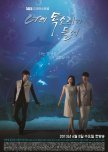
Fun to Watch, Hard to Take Seriously
I really wanted to love this drama, I truly did. It actually starts very strong, with an interesting backstory and a premise that immediately grabs your attention. The pacing in the beginning is good, the cast is impressive, and the drama does a great job building tension and emotional intensity early on.However, as the story progressed, I started to feel increasingly frustrated with the mechanics of the plot, especially the legal aspects. For a drama that revolves heavily around court cases and the legal system, the lack of realism becomes very noticeable. Many of the cases simply don’t make logical sense from a legal standpoint, and it becomes difficult to stay invested when the courtroom situations feel so unrealistic.
One of the biggest examples of this is when Park Soo Ha is tried for murder even though the only evidence found is a severed hand. With modern forensic science, this kind of situation felt completely ridiculous and really broke my immersion in the story.
The drama also makes some questionable writing choices when it comes to the characters. The male lead searching for his “first love” by randomly following strangers in the street felt strange and unrealistic, especially considering things like the internet or simply searching by name would exist. It’s even harder to believe when the story expects us to accept that he could recognize her face after meeting her only briefly as children many years ago.
The female lead’s character development was also confusing at times. As a child she was brave and admirable, but as an adult she initially comes across as extremely rude and arrogant. She often behaves like a snob, even in simple situations where basic kindness would make sense. While her flaws could have been interesting for character growth, the way they were written sometimes felt exaggerated.
Another strange point is how she becomes a public defender despite being portrayed as a rather incompetent lawyer. The drama tries to justify this with her personal story, but realistically it would have made more sense if she had stronger professional credentials to support that position.
That being said, the drama is not without its strengths. The villain is genuinely compelling and creates a strong sense of tension whenever he appears on screen. His performance was easily one of the best parts of the show. Some emotional moments also land very well, particularly the death of Jang Hye Sung’s mother, which was one of the most powerful scenes in the drama.
The show also mixes in comedy and lighter moments, which helps keep it entertaining even when the plot starts to feel shallow. The actors do a good job with what they’re given, and their performances are often what keeps the drama watchable.
My biggest disappointment, though, was the lack of chemistry between the main leads. While I could clearly see the male lead’s devotion and love for the female lead, I never felt the same emotional intensity from her side. Because of that, it became difficult to fully root for their relationship.
The story overall isn’t terrible, but it relies heavily on common drama clichés, including things like amnesia, which didn’t really add much depth to the narrative.
In the end, I finished this drama mostly because I’m a completionist. If I had put it on hold, it probably would have stayed there forever or eventually ended up on my drop list. I managed to finish it, but it definitely wasn’t an easy watch for me.
Overall, I Hear Your Voice is a drama I would still recommend if you’re looking for romance, some action, and a few entertaining moments. However, if you’re expecting a serious or realistic legal thriller, this probably isn’t the best choice. With how many strong legal dramas exist today, there are definitely better options in that genre.
Was this review helpful to you?

An Interesting Story That Lost Its Direction
This drama had an interesting concept and a strong start, but weak writing and inconsistent character development prevented it from reaching its full potential. While it was enjoyable in parts, especially because of the male lead and the fantasy premise, the story became slow and less engaging toward the end.Character and Acting
Xiao Wudi (Chen Zhe Yuan)
Xiao Wudi was easily the highlight of the drama. He is intelligent, manipulative, and emotionally complex, and his gradual character growth was the most compelling part of the story. Chen Zhe Yuan did an excellent job portraying both his cunning nature and emotional vulnerability. His performance carried the drama.
Nan Xing (Shen Yue)
Nan Xing was introduced as a strong athlete, but her character felt inconsistent. She switched between being independent and helpless depending on the scene. Shen Yue did fine overall, but some emotional scenes lacked depth. Her athlete backstory and trauma were not explored properly and felt unnecessary.
Lu Zi Chen (Luo Ming Jie)
Lu Zi Chen was a soft, flawed, and somewhat childish character. His awkwardness and emotional confusion made him realistic and occasionally funny. Luo Ming Jie portrayed him well and brought charm to the role.
Ye Qing (Qu)
Ye Qing was calm, independent, and supportive. She was one of the more stable and well-written side characters. Qu delivered a solid and convincing performance.
Supporting characters
Nan Xing’s mother stood out the most among the supporting cast. The second and third couples were interesting but lacked proper development and screen time.
The Good
• Xiao Wudi’s character and Chen Zhe Yuan’s performance
• Strong and interesting fantasy concept
• Fluffy and entertaining early episodes
• Male lead falling first was refreshing
• No frustrating or dragged love triangles
• Some emotional and heartwarming moments
• Strong supporting characters like Ye Qing and Nan Xing’s mother
The Average
• Main romance had sweet moments but uneven chemistry
• Second lead couples were interesting but underdeveloped
• Comedy was present early on but disappeared later
• Fantasy elements and powers were underused
• Workplace and side plots lacked realism
The Bad
• Weak and inconsistent writing, especially for the female lead
• Nan Xing’s character felt poorly developed and inconsistent
• Confusing identity and novel plot elements
• Slow pacing and boring final episodes
• Emotional impact weakened toward the end
• The last part of the drama felt unnecessary and confusing
This drama had a lot of potential and started off strong, but poor writing and inconsistent character development held it back. Chen Zhe Yuan’s performance as Xiao Wudi was the biggest strength and the main reason to continue watching. It was enjoyable in parts, but not memorable enough to revisit.
Was this review helpful to you?


