
 K-Drama


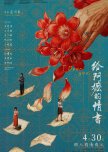
It's all fun and games 'til the tears start flowing
Fool was I to think during the first 20 minutes or so of Dear You that this would would be a whirlwind comedy with a smattering of poignant, emotional scenes. Instead, it ended up being the reverse.
Dear You is a story topped and tailed in the present day, but most of the plot is set during the mid-20th century. It revolves around qiaopi, the letters and money that Chinese overseas (in Thailand, in this case) sent back home to their loved ones.
What makes Dear You so touching is how it uses simple misunderstandings between characters to show how strong bonds between people actually are, and how yearning for home provides strength for a community. Human resilience and sincerity is the emotional force of this film.
Everyone in the movie theatre was trying to be polite and not cry too loudly, but I clearly wasn't the only one that spent the majority of Dear You in tears.
What surprised me when I was reading about the movie afterwards is how much they've achieved with a shoestring budget and relatively unknown actors. I would have never guessed this was such a cheap production!
It's also interesting to see how the movie's success seems to have spurred conversations in Singapore around language politics.
This is the first movie I've seen in Teocheow. I watch a lot of Chinese, Taiwanese, and some Hong Kong cinema, but haven't watched an entire movie or series that hasn't been in either Mandarin or Cantonese. I think the closest has been was the sporadic use of Taiwanese Hokkien in Autumn's Concerto.
This piece of history around qiaopi was also new to me. I think the icing on the cake was the epilogue of Dear You where they showed how qiaopi that had featured in the storyline were actually based on real life qiaopi. And so we all started crying again :')
Dear You is a story topped and tailed in the present day, but most of the plot is set during the mid-20th century. It revolves around qiaopi, the letters and money that Chinese overseas (in Thailand, in this case) sent back home to their loved ones.
What makes Dear You so touching is how it uses simple misunderstandings between characters to show how strong bonds between people actually are, and how yearning for home provides strength for a community. Human resilience and sincerity is the emotional force of this film.
Everyone in the movie theatre was trying to be polite and not cry too loudly, but I clearly wasn't the only one that spent the majority of Dear You in tears.
What surprised me when I was reading about the movie afterwards is how much they've achieved with a shoestring budget and relatively unknown actors. I would have never guessed this was such a cheap production!
It's also interesting to see how the movie's success seems to have spurred conversations in Singapore around language politics.
This is the first movie I've seen in Teocheow. I watch a lot of Chinese, Taiwanese, and some Hong Kong cinema, but haven't watched an entire movie or series that hasn't been in either Mandarin or Cantonese. I think the closest has been was the sporadic use of Taiwanese Hokkien in Autumn's Concerto.
This piece of history around qiaopi was also new to me. I think the icing on the cake was the epilogue of Dear You where they showed how qiaopi that had featured in the storyline were actually based on real life qiaopi. And so we all started crying again :')
Was this review helpful to you?


