

 2
2 2
2 1
1


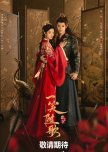
This review may contain spoilers
? Fated Hearts — A Love Written by Fate and The Essence of Villainous
Fated Hearts is a Chinese historical romance drama that tells a story of love, destiny, and redemption. It is not just a tale of passion but also one of pain, growth, and understanding — where even enemies are bound by fate, and every heart carries its own scars.Plot Overview
The drama follows the story of Fu Yixiao, a brave and skilled female general, and Feng Suige, a prince from the rival kingdom. Once mortal enemies on the battlefield, they are brought together by an unbelievable twist of fate. Destiny weaves their lives tightly, forcing them to walk through both fire and water, facing countless trials and betrayals — even from those closest to them.
Their love story is not easy. It is filled with conflict, pain, and misunderstanding, yet also with deep emotion and trust that grows stronger with every hardship. What begins as hatred slowly transforms into love — not the gentle kind, but a love that burns, heals, and survives against all odds.
Character Depth and Moral Fairness
One of the most special points about this drama is how every character has their own fair story. Even the villains are not purely evil — they have reasons that make their choices understandable.
Each person, whether hero or antagonist, carries a justifiable cause for revenge or pain.
The difference between the villain and the hero isn’t why they seek revenge — it’s how they choose to take it.
This makes the drama feel incredibly human and realistic. No one is entirely right or wrong; every soul has its own wounds, and every decision comes with a cost.
Themes and Emotions
Fated Hearts explores the timeless themes of fate, love, loyalty, betrayal, and redemption. It teaches that love isn’t always peaceful — it often demands sacrifice and courage. The drama also highlights how destiny may be cruel, but even in the face of heartbreak, people can still choose compassion and forgiveness.
Conclusion
In the end, Fated Hearts is more than a romance — it’s a journey of souls bound by fate.
It shows that even when love begins in hatred and is tested by betrayal, it can still bloom amidst fire and storm.
With its deep characters, emotional storytelling, and stunning visuals, this drama stays with you long after the final episode.
✨ A story where every heart has a reason, every wound tells a tale, and love finds its way through the ashes of destiny.
Was this review helpful to you?
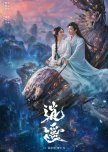
This review may contain spoilers
A Beautiful, Flawed Fantasy
Initial Expectations vs. Reality 🎬After Love in the Clouds, I genuinely looked forward to Unclouded Soul. I loved Hou Minghao’s pairing in LITC, so I went into this drama determined to be fair and open-minded. Unfortunately, despite giving it multiple episodes and trying to understand the narrative direction, this drama never truly worked for me on an emotional or logical level.
Main Couple: Individually Fine, Together Mismatched 💔
Let me be clear first: both the ML and FL were okay as individual performances. I neither dislike nor strongly favor the female lead actress here. However, as a couple, they simply did not make sense to me.
There was a persistent lack of romantic chemistry. Their emotional beats felt forced rather than natural, and I never felt convinced that their bond had grown organically. Ironically, the chemistry between the FL and the SML was noticeably stronger, more emotionally grounded, and far more engaging to watch. That contrast only made the main romance feel weaker.
Romance Logic: Love That Came Too Easily ⏳
The biggest issue for me lies in the emotional logic of the love story.
A century ago, the ML was betrayed and killed by the woman he loved. That kind of trauma should leave a deep psychological scar. Yet when he meets a girl who looks exactly like her, he:
conveniently forgets the pain
falls in love again far too quickly
shows almost no internal conflict
Even in fantasy dramas, emotions must follow logic. This wasn’t tragic romance—it felt rushed and careless. There was no convincing buildup, no meaningful struggle, and no sense that the ML truly processed his past.
Plot Structure: Familiar, Predictable, and Disjointed 🔄
I watched five episodes in one day, and that alone says something—I wasn’t confused, just underwhelmed.
Many scenes felt overly familiar, almost recycled from other xianxia dramas. I could often predict where the story was heading, which removed any sense of tension or anticipation.
Worse, the narrative progression felt jump-cut and fragmented. Important motivations, consequences, and transitions were either rushed or skipped entirely, making the plot feel illogical rather than complex.
Demon Valley & World-Building: A Missed Opportunity 👹
The Demon Valley should have been one of the strongest elements of the drama—but instead, it felt strangely unserious.
The demons often behaved like comic relief rather than fearsome beings, and the ML, despite being the Demon King, lacked the authority, menace, or gravitas expected of someone in that position. His behavior didn’t match his title, which weakened both his character and the world-building.
Time Travel & Ending: Conceptual but Unsatisfying ⏳
The FL experiences three flashback events. In the first two, she fails to change the past—understandable, since she lacks foreknowledge.
But the final time?
She does understand future events—yet we’re supposed to believe everything will magically turn out differently.
Personally, I couldn’t trust that outcome.
I don’t mind open endings. I don’t even mind tragic endings. What I mind is an ending that feels emotionally unearned. This one left me unsatisfied—not because it was sad or ambiguous, but because it lacked conviction.
Side Characters: Confusing Choices ❓
The actions of the SFL and SML in the final episode felt unclear and unnecessary. I struggled to understand their narrative purpose at that point, which made the conclusion feel even more scattered.
Ironically, the SML was one of the more compelling characters throughout the drama—his motivations, inner conflict, and emotional restraint felt far more believable than the ML’s arc.
Production Value: Mixed Feelings 🎨
CGI & costumes: acceptable and sometimes visually pleasing ✨
Background settings: personally not appealing
Visuals couldn’t compensate for narrative weaknesses
Final Thoughts: Why It Didn’t Work for Me 🧊
Unclouded Soul had potential—a strong cast, a fantasy premise, and philosophical ideas about fate and desire. But in execution, it felt:
emotionally rushed
logically inconsistent
narratively predictable
Even if the creators intended a complex Möbius-loop structure, complexity only works when clarity exists first. Without emotional grounding, the drama felt cold rather than profound.
In the end, this wasn’t a drama I hated—but it was one that never truly touched my heart. And for a romance fantasy, that’s the most disappointing outcome of all.
Was this review helpful to you?

Threads of Power: Symbolism, Strategy, and the Rise of Sejong
“The Queen Who Crowns reframes early Joseon history through the fierce, often unseen labour of a queen — Lady Min, Queen Wongyeong — whose influence created the political soil for the age of Sejong. It’s a viscera-rich portrait of ambition, ritual, and the private cost of public power.”⚜️ Historical Context
Set at the violent pivot between the fall of late Goryeo and the rise of early Joseon, The Queen Who Crowns unfolds during one of the most turbulent transitions in Korean history ⚔️. At its heart stands Queen Wongyeong (Lady Min, born 1365) — wife to Yi Bang-won, who would later become King Taejong, and mother to the legendary King Sejong the Great 👑.
The series situates her amid the storm of shifting loyalties, bloodline rivalries, and political purges that marked Joseon’s founding. Her family, the Yeoheung Min clan, once among the most powerful noble houses, climbed swiftly with her marriage, but later faced brutal downfall as Taejong consolidated power 💔.
Through this lens, the drama transforms dry chronicle into emotional storytelling — showing how behind every throne stood a woman balancing love, ambition, and survival 🌿. The court isn’t just a battlefield of men; it’s a stage where one queen’s silence, strategy, and sorrow quietly shape the dawn of a new dynasty.
🔮👘 Symbolism, Clothing & Setting
The Queen Who Crowns is a visual feast, speaking through fabric, color, and iconography 🏯✨. Recurring motifs — phoenix embroidery, willow-leaf fans, and seasonal palettes 🍂❄️🌸☀️ — convey emotional and political meaning without dialogue. The phoenix on Wongyeong’s robes signals maternal authority and legitimacy 👑, while its appearance without the dragon subtly marks her power outside official sanction. Dragons on Yi royal garments assert state authority and public legitimacy 🐉.
Color communicates mood. Early earthy tones 🟤 evoke warmth but instability, a lingering Goryeo influence; as Joseon rituals take hold, cold blues and formal reds 🔵🔴 signal Confucian order and institutional authority. Costume degradation — tattered embroidery or dulled threads — reflects political setbacks and clan decline ✨. Objects like fans, seals, and hidden jewels act as narrative shorthand: a pawned heirloom signals defeat, a concealed seal hints at secret influence 📜💼.
The drama also balances historical accuracy with stylistic flourish. Ritual headdresses (혼례복·관모) and layered collars show Ming influence 🇨🇳➡️🇰🇷 while retaining Joseon silhouettes 👘. Dense gold-thread embroidery and vertical Min family patterns signify wealth and political networks, contrasting with circular Yi motifs emphasizing centralized authority 🧵👑.
Palaces follow Confucian austerity, with minimalistic halls, clean lines, and ritual-focused courtyards 🌿🏯. Occasional ornamental flourishes or stylized crowns are deliberate artistic choices rather than historical errors. Together, costumes, props, and architecture create a living palace — a world where status, power, and emotion are legible to any attentive viewer 🔍💛.
❤️ Relationship Dynamics & Emotion
At the heart of The Queen Who Crowns lies the Queen–King axis 👑💫 — a relationship that is as political as it is personal. Queen Wongyeong is not merely a supportive consort; she is a partner, strategist, and power broker 🌿🕊️. Every glance, every carefully folded sleeve, communicates her influence behind the throne. Her intelligence and foresight shape court politics as much as her husband’s decrees, yet she must constantly navigate the dangerous line between support and overreach ⚖️.
Taejong, on the other hand, is a man of contradictions: gratitude toward his queen, paranoia about rivals, and ruthless pragmatism when consolidating power ⚔️🖤. The drama captures these fluctuations beautifully — moments of tenderness and vulnerability are juxtaposed with sudden political calculation, making their interactions feel alive, tense, and unpredictable.
The series excels in portraying emotional rupture 🌸💔. When the Min clan faces setbacks or family members are sacrificed for political stability, Wongyeong’s grief is never melodramatic — it is quiet, ceremonial, and deeply human. This restraint underscores the harsh reality of queenship in a Confucian court: emotional expression must coexist with political necessity.
Their marriage reads simultaneously as a political alliance and an intimate tragedy 💑🕯️. Even in the most private moments — a shared cup of tea, a fleeting touch, a whispered command — the audience senses layers of loyalty, love, and fear. Secondary characters, from ambitious princes to loyal ministers, mirror and magnify these dynamics, showing how every relationship in the palace is a balance of strategy and sentiment ⚖️🌿.
Ultimately, the drama frames love and power as inseparable: to survive, Wongyeong must be shrewd; to rule, Taejong must be ruthless. Their interactions are not just romantic; they are microcosms of the dynasty’s birth, each emotional choice echoing in the corridors of history 🏯✨.
⚔️ Power Struggles, Statecraft & the Road to Sejong
The Queen Who Crowns doesn’t shy away from the bloody calculus of early Joseon politics 🩸🏯. The Strifes of the Princes, executions, exiles, and factional betrayals are shown as personal tragedies, not just historical events 💔, emphasizing the human cost of consolidating power.
Taejong’s rise is ruthless: he abolished private armies, restructured bureaucracy, and removed rival factions, laying the groundwork for a centralized state ⚖️🔥. The series captures this harsh prelude to Sejong’s golden age, showing that political stability demanded blood, strategy, and moral compromise.
The drama balances intrigue and emotion ⏳. Purges are most effective when the motives — institutional threat versus personal vengeance — are clear. Courtroom battles and council meetings illustrate bureaucratic mechanics, though the show sometimes favors personal drama over policy detail 🌿📜.
Historically, Taejo founded Joseon, but it was Taejong’s consolidation — centralizing military and fiscal control — that enabled Sejong the Great to rule effectively 👑✨. Sejong’s focus on scholarship, culture, and institutional reform was only possible because the dynasty was stabilized through these earlier, often brutal, measures 🌸🕊️.
By blending political strategy, human cost, and historical consequence, the drama reminds viewers that every throne was won through both violence and vision, and every dynasty’s golden age was born from calculated sacrifice ⚔️💛.
🎭 Character Development & Acting
The Queen Who Crowns excels at layered character portrayals, making each figure more than a historical silhouette 👑✨.
Queen Wongyeong is portrayed not as a one-dimensional schemer but as a complex, conflicted figure 🌿💔. Her intelligence, political savvy, and strategic brilliance are constantly tempered by maternal vulnerability and personal grief. Moments of quiet reflection — a folded sleeve, a lingering gaze, a whispered command — reveal the emotional weight she carries behind the throne 🕊️🧵.
Taejong is equally nuanced. The series balances his state-building brilliance — centralizing power, reforming bureaucracy, and consolidating military authority ⚖️⚔️ — with the moral and emotional cost of his rule: paranoia, fratricide, and personal sacrifice 💀💛. His private anguish is often as compelling as his public triumphs, making him both fearsome and tragically human.
Supporting princes, ministers, and court officials are more than background props 🌸. They reveal institutional tensions, political scheming, and factional rivalry. Figures reminiscent of Jeong Do-jeon are given depth and motivation, while palace eunuchs, elders, and minor nobles enrich the political texture, showing that every player has a stake in the dynasty’s survival ⚖️🏯.
🎬 Production Quality & Technical Brilliance
The production values are consistently high 🌟. Set design, matte paintings, and palace layouts convincingly evoke a Ming-informed early Joseon world 🏯🇨🇳. Costume work is meticulous: textures, embroidery density, and color hierarchies convey status, power, and lineage 🧵👑.
Cinematography uses candlelight, narrow corridors, and shadowed hallways to create claustrophobia and tension 🌒🕯️, immersing viewers in the stakes of palace intrigue. The soundtrack is carefully crafted, with leitmotifs differentiating the Min clan from the Yi dynasty 🎶🌸, adding another layer to character and political identity.
Even the smallest roles shine: minor ministers, concubines, or palace servants bring texture and realism to a world otherwise dominated by kings and queens ✨🌿.
However, there are occasional weaknesses. Some anachronistic ornaments or language registers appear, and certain scenes favor melodrama and romance over the substance of political maneuvering 💔⚖️. Still, these are minor quibbles in an otherwise immersive and polished production.
Ultimately, acting and production work hand in hand to bring historical tension and personal emotion to life. Cha Joo-young’s Wongyeong is sharp, wounded, and endlessly compelling 🌿💫, while Lee Hyun-wook’s Taejong combines charisma with menace ⚔️👑. The supporting cast and visual design ensure that the palace feels alive, dangerous, and politically charged, making the audience feel the weight of every choice and every betrayal 🏯🕊️.
“Ultimately, The Queen Who Crowns is less a documentary than a palace elegy — a vivid, sometimes fictionalized portrait of a queen who both made and suffered the making of a dynasty. It’s strongest when it reads ritual and fabric as political language; weaker when it reduces national reform to interpersonal melodrama. For readers who care about costume, symbolism, and the emotional architecture of power, it’s essential viewing.”
Was this review helpful to you?
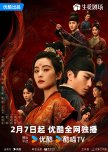
Moral Grayness and Feminine Strength
I dove into Kill My Sins with high hopes—and I wasn’t disappointed by its ambition. From the first scene, the drama felt like a darker, more complex take on historical costume-mystery, one that doesn’t shy away from trauma, power games, and moral ambiguity. It left me both intrigued and emotionally stirred. 😮🕯️The story follows Ye Ping An, a travelling physician who arrives in the capital (Chang’an/Luoyang region). It quickly gets branded a “witch” due to her unconventional methods and her reputation for treating not just bodies but broken hearts and minds.
Meanwhile, Yuan Shao Cheng, a low-born but extremely ambitious magistrate, uses her as a pawn in his rise to power. What begins as a murder investigation morphs into a twisted game of revenge, secrets, and survival: Ye Ping An may not be the innocent she appears, and Yuan Shao Cheng may not be the one simply chasing power. The emotional stakes keep rising as the mystery and politics intertwine.
What really stood out to me about Kill My Sins (掌心) was the depth and complexity of its heroine. Liu Shi Shi’s portrayal of Ye Ping An felt incredibly layered — she’s not just a pretty face or a victim of circumstance, but a woman carrying pain, intelligence, and strategy in equal measure 🎭🧠. Watching her navigate trauma while staying calm and calculating was mesmerizing. The drama also deserves credit for its boldness in tackling heavy themes like revenge, societal pressure, and personal redemption. Rather than just using these ideas for shock value, the story actually builds on them and uses them to shape character growth and moral tension 📜💔.
Visually, the series is a feast. The cinematography, costuming, and set design create a moody, refined atmosphere that fits the tone of the story perfectly 🎬🏯. You can feel the emotional weight of every scene — the dark corridors, candlelight, and symbolic use of mirrors and scars all enhance the storytelling. I also liked that the antagonists weren’t one-dimensional; even the villains had reasons for their actions, and the show makes you pause before deciding who’s right or wrong 😈🔍. The plot twists kept me engaged too — the pacing in the early episodes was sharp, and every reveal seemed to push the story in unexpected directions. I love when a drama respects the viewer enough to let us piece together the truth instead of spelling it out 🔐✨.
However, Kill My Sins isn’t without flaws. The pacing at times felt inconsistent — there were moments when so many threads unfolded at once that it became overwhelming 🕰️😓. I occasionally found myself needing to rewatch certain scenes just to follow who was scheming against whom. Similarly, while the central relationship had potential, the emotional buildup between the leads didn’t always land. I wanted more quiet, intimate moments that allowed their bond to feel earned and organic 💞🧩.
Another noticeable issue was the editing and narrative convenience in some plot points. Certain plans seemed to work out too easily, or transitions between major story turns felt rushed 🤨⚙️. It slightly undercut the realism of Ye Ping An’s otherwise sharp intelligence. As for Dou Xiao’s character Yuan Shao Cheng, while he fits the role visually, there were stretches where his emotional delivery felt restrained — as if the script didn’t give him enough room to show the character’s inner conflict 🎭📉. Finally, this drama is undeniably dark and emotionally heavy. If you’re looking for something light or purely romantic, this one can feel draining at times — it’s a story that demands full attention and emotional energy 🧠💤.
Overall, Kill My Sins is a standout for me in recent historical dramas. It’s not perfect—it demands attention, and it carries emotional weight—but it rewards with richness: in characters, theme, and atmosphere. If you enjoy stories where the heroes are flawed, the lines between right and wrong blur, and the romance isn’t the only thing driving the plot, then this one is worth it.
Was this review helpful to you?
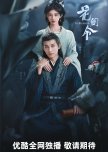
“When Love Wears Another Face”
From the very first moment, In Blossom (花间令) pulls you into a world where beauty and death coexist — a delicate bloom growing from the shadows. 🌸🕯️ It’s a historical mystery wrapped in layers of identity, revenge, and love. Set in the intricate city of Heyang, the story blends the tenderness of romance with the sharp edge of suspense. What begins as a reunion of lovers soon turns into a haunting tale of betrayal, secrets, and rebirth.In Heyang City, Yang Caiwei, a talented coroner ⚖️🩸, reunites with her childhood sweetheart and fiancé Pan Yue after ten years apart 💕. But their long-awaited wedding turns into tragedy when Shangguan Zhi, the jealous sister of Pan Yue’s best friend 😈, kidnaps Yang Caiwei and steals her face to take her place as the bride 👰🏻♀️🎭. Soon after the wedding, the fake bride is found murdered, and the main suspect is Pan Yue himself 🕯️⚔️.
Awakening with Shangguan Zhi’s face, Yang Caiwei hides her true identity and vows to uncover the truth — determined to expose Pan Yue’s secrets and reveal what really lies behind love and betrayal 🌹🔥.
What immediately drew me into In Blossom was its visuals and atmosphere 🌸. The drama is breathtaking to look at — from the elegant costumes to the soft, candlelit sets that perfectly capture the feeling of mystery and melancholy. ✨ The camera often lingers on Yang Caiwei’s scarred face, contrasting her quiet pain against the grandeur of Heyang’s courtly world. That subtle visual storytelling truly amplified the emotional stakes and made the entire setting feel alive. 🎬
I also found the premise refreshingly clever 💡. A coroner heroine, a stolen face, and a murder mystery woven into palace intrigue — it instantly stands out from the usual Xianxia or fluffy romance dramas. The story had me constantly questioning: Who really did it? What is Pan Yue’s true role? That slow unraveling of truth kept me hooked. 🔍💔
Another thing I loved was Yang Caiwei herself. She’s not a passive or fragile heroine waiting to be rescued 💪. Instead, she’s intelligent, skilled, and capable of standing her ground — her profession as a coroner gives her strength and individuality. I admired how she faced death with calm determination. Pan Yue, too, isn’t the typical brooding hero; his quiet sense of justice and devotion make him deeply compelling. ❤️🔥 Together, they balance each other beautifully.
What made the drama even more appealing was the absence of toxic love triangles or exaggerated misunderstandings 🙏. The romance blooms naturally in the backdrop of the mystery — slow, steady, and mature. It feels grounded rather than forced, allowing viewers to connect with the characters emotionally without unnecessary drama. 🌹
However, not everything worked perfectly 😕. At times, the chemistry between the leads felt slightly lacking. The first actress portraying Yang Caiwei in the early episodes left a strong impression, so when the switch happened, I felt a bit of emotional disconnect 🎭. Though both actors performed well, the transition briefly disturbed the immersion.
The pacing also wavered midway ⚖️. Certain episodes dragged with case-of-the-week plots that slowed down the main mystery. As one viewer on Reddit aptly put it, “The writing… it’s not the most solid when it comes to the mystery aspect.” 🔎 The buildup was intriguing, but the final payoff didn’t hit with the intensity I hoped for.
On the romance side, I sometimes wished for more personal, quiet moments just between Yang Caiwei and Pan Yue 💞 — moments untouched by political plots or investigations. Their connection is heartfelt, but it occasionally feels overshadowed by the heavier revenge and mystery themes.
Lastly, some supporting characters could have been more developed 🎭. Shangguan Zhi, for instance, had the potential to be a complex and tragic rival, but her character was reduced mostly to obsession. I wanted to understand her pain and choices more deeply — it would’ve made the story richer and the emotional stakes higher.
In Blossom is a blend of sorrow, suspense, and beauty — not perfect, but deeply touching in its quiet way. It’s not a fluffy romance full of laughter and kisses; it’s a mature story about love, truth, and redemption. 🕊️
Was this review helpful to you?
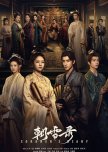
Forensics, Politics, and Feelings !
I was drawn to this drama because I love mysteries and investigation themes, and the setup of a female lead who becomes a forensic-type investigator in a historical setting sounded fresh. Also, the cast looked promising, and I was curious to see how the assassination/murder-mystery angle would play in a palace intrigue background.🩸 Synopsis
Qin Wan (played by Li Landi) is the daughter of a high-ranking judicial official whose family was destroyed after being implicated in a royal case. She escapes by assuming the identity of Qin Wan, the Ninth Miss of the Qin household, and uses her exceptional medical and forensic skills as a coroner to investigate gruesome deaths and buried secrets. Along the way she meets Yan Chi (Ao Ruipeng), a prince’s son with his own vendetta, and together they dig into a web of palace conspiracies, skeletons from the past, and a central case tied to her father’s downfall. 🎭🔎.
✅ What I Liked 💀❄️
First off, I love a good female-led mystery — and Li Landi’s Qin Wan (aka Shen Wan) absolutely delivers that. She is a heroine who actually uses her brain instead of crying. 🧠💪 Her character has lost everything and yet rebuilds herself through sharp intellect and medical skill, uncovering truths others would rather keep buried. It’s refreshing to see a heroine whose drive isn’t centered around romance but around justice and survival. That solid, purpose-driven premise instantly drew me in. 🎯🔥
The investigation cases at the beginning are genuinely gripping. 🕵️♀️🩸 From the chilling headless bride case to the eerie well-buried corpses, the show manages to capture that rare mix of suspense and tragedy. I appreciated that Coroner’s Diary didn’t sanitize its mystery — it embraced the forensic side with autopsies, clues, and deductions instead of just hinting vaguely like most period dramas do. 👁️🔍 It gives off a realistic detective vibe, which made each reveal more satisfying.
Visually, this drama is such a treat. 🎬✨ Dimly lit morgues and finely detailed costumes give everything a grounded yet cinematic tone. The production quality feels higher than average — polished, mature, and not overdramatic. I especially liked that Qin Wan and Yan Chi (Ao Ruipeng) actually work together as equals instead of the typical “male lead saves her every five minutes” setup. Their teamwork feels natural, like two minds unraveling puzzles rather than two hearts forcing chemistry. 🤝💞
And that leads me to the romance — the slow burn is such a plus! 🔥❤️ No exaggerated confessions or cringey “oops we fell into each other’s arms” scenes here. Instead, their bond deepens case by case, through mutual respect and shared missions. Watching them grow closer through danger and discovery gave the emotional payoff real weight. 💫💬
❌ What I Found Weak in Coroner’s Diary (朝雪录) ⚖️🕯️
As much as I enjoyed the premise and early cases, the storytelling does lose some of its sharp edge later on. 🌀 While the drama ambitiously mixes murder mysteries, revenge arcs, political intrigue, and romance, not all of them land smoothly.😕📜
Pacing — the eternal enemy of good dramas. ⏳😩 What started as a tightly focused investigative journey slowly gets tangled in too many subplots. The transition from thrilling forensic mysteries 🧬 to grand palace conspiracies 👑 and then to swoony romance 💞 felt uneven. It’s like the show couldn’t decide what genre it wanted to be by the end.
And finally, I also felt a few conveniences in the script — moments where the leads magically get the exact clue they need at the exact moment — and that undercuts the clever-case vibe occasionally. Still, those are forgivable because when a case lands (some of the reveals are genuinely chilling), the show delivers that satisfying, "oh-so-gross but brilliant" detective moment. 😬🧠💥
📌 Recommendation
If you’re into mystery + historical setting + smart female leads, then yes — this one’s for you.
If you expect top-tier romance or perfectly tight plotting, you may feel slightly let down.
Given your interest in symbolic imagery and emotions, this drama delivers enough layers (justice, corpses, redemption, mask vs reality) to keep you thinking.
My tip: Watch the first few cases with attention — the setup is strong there. Then, if you feel the momentum dropping, adjust expectations and enjoy the ride for what it is.
Was this review helpful to you?
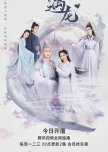
"Miss the Dragon: Stunning Looks, Messy Plot – My Honest Take”
I first watched Miss the Dragon around the time it aired, which was also when my C-drama obsession began 😅📺. Back then, I rated it 9.5/10, but looking back now… lmao, my memory of it being “good” feels a bit hilarious 😂. Even though it holds nostalgia as one of the first dramas I ever watched, revisiting it shows just how messy it really is.💔 What Went Wrong
Illogical Plot & Confusing Storytelling 🤯
The plot is all over the place. The female lead (FL) starts as a servant, but her clothes, room, and lifestyle are ridiculously luxurious 🏰💎 — no explanation is given, which makes zero sense. The storyline is full of cliches and poorly thought-out twists, making it hard to follow who’s supposed to be the villain or why anything is happening 😵.
Underdeveloped Characters 😒
The main couple lacks chemistry 💔, making it difficult to care about their romance. Even the second lead couple, who are somewhat more interesting 🌱, don’t get enough development to feel fully engaging. Many interactions feel forced, and motivations are inconsistent 🤷♀️.
Acting & Dialogue Issues 🎭
The lead actors don’t quite bring their characters to life 😬. Dialogue often feels stiff, and emotional scenes fail to land. The supposed tension or romance between the main couple just doesn’t hit 💔.
Overused Fantasy Tropes 🐉
Reincarnation, constant misunderstandings, and repeated “drama triggers” make the story feel stretched and predictable ⏳. There’s no fresh take on these tropes, and it often drags rather than excites.
🌟 A Few Bright Spots
Visual Appeal & Costumes 👗✨
The drama looks beautiful — the sets, costumes, and cinematography are visually pleasing 🌸. Even if the story fails, your eyes are still entertained 👀.
Supporting Characters Show Promise 🌱
Some side characters are more engaging than the leads. With better writing, they could have made the story more enjoyable, but unfortunately, their potential isn’t fully realized 😔.
🔚 Final Verdict
Miss the Dragon is a classic style over substance drama 🎨💔. It’s enjoyable for nostalgia, visuals, or a light fantasy watch 🐉😅, but the plot, characters, and acting leave much to be desired. Perfect if you want a guilty-pleasure watch without expecting much logic or depth 🙃.
Was this review helpful to you?
This review may contain spoilers
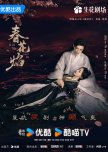
“A Beautiful Beginning, a Broken Ending: My Thoughts on Kill Me Love Me”
🎬 The drama opens with a gripping setup for revenge. Kill Me Love Me tells the story of Mei Lin (played by Wu Jinyan), whose family and hometown, Qingzhou, were destroyed in a fire triggered by the army of Great Yan. Mei Lin loses her family in a massacre, spends ten years training as an assassin, and enters the lion’s den with the mission to kill General/Prince Murong Jing He(played by Liu Xueyi) as a Lady of Xiyan, embedded in the political marriage scheme. What unfolds is a tale of revenge, war, identity, betrayal—and a dark romance.✅ What I liked
The hook and early tone: The first few episodes grabbed me. The image of a broken city, a woman hardened by loss, and a prince who’s scarred and fighting his own demons—this set-up had serious promise. Critics agree the opening arc is strong.
The leads and their chemistry: Wu Jinyan and Liu Xueyi are a striking pair. Their screen presence and emotional connection elevate many scenes. Liu Xueyi and Wu Jinyan bring "intense" chemistry …
Production values: I appreciated the costumes, the wide-shot landscapes, the snowy mountain backdrops. “real snow! real mountains!” which adds to the immersive feel.
Strong revenge premise: As someone who enjoys the layered symbolism and imagery of Chinese historical dramas, I found Mei Lin’s journey—from survivor to assassin—compelling.
❌ What disappointed me
The plot loses momentum: After the strong start, the story begins to drag. The stakes feel diluted, and the second arc—after the main revenge mission—is much weaker. The revenge arc ends too early, and the remaining episodes feel like filler.
Character inconsistencies: Mei Lin transforms rather quickly from ruthless assassin to soft domestic partner, which weakens her arc. Jing He’s “dark prince” persona fades too early and becomes more conventional. The female lead turns from a psychotic assassin into a cute darling in less than 8 episodes.
Predictability and clichés: that the fearsome assassin and ruthless general turn into lovers and the revenge plot softens—came true. The drama leans on typical tropes: enemies to lovers, royal power struggles, misunderstandings, love triangles. It ticked the box for every trope used in period romance dramas.
A bleak ending: If you go in expecting a clean, triumphant revenge and a fairy-tale love, you might feel let down. The finale is sad, and the “victory” is bittersweet at best.
🎯 My verdict
The initial set-up, tone and leads are strong and engaging → gives it a solid base.
But the execution falters in the middle and end: lost potential, weaker arc, unsatisfying payoff.
Someone who values symbolic imagery, mythology of vengeance, strong female lead and historical costume detail—the early parts will be very enjoyable. But the weaker second half might bring frustration.
If I were to summarise in one sentence:
Kill Me Love Me starts with bold ambition, powerful visuals and emotional stakes, but gradually loses its strategic edge and traction, leaving a beautifully acted yet uneven drama that could have been remarkable.
Was this review helpful to you?
This review may contain spoilers
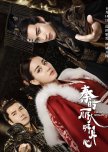
Toxic Love Like Chains — A Beautiful Soul Trapped in
I chose this drama because of two main reasons — the male lead was Qin Shi Huang, a real historical figure 🏯, and because of Dilraba ❤️. As an actress, I’ve always loved her acting, and I was really curious to see how the story would show the world of China’s first emperor.But honestly… after watching it, I don’t even know what to say 😩. The story turned out to be such a mess.
⚡ Story & Characters
At first, it started like a typical historical romance — political conflicts, strong personalities, and emotional tension. But very quickly, it became something uncomfortable to watch 😞.
What they tried to represent as “love” felt more like control and obsession. The emperor’s actions were full of possessiveness, threats, and manipulation. He was a real maniac 👑😠 — forcing Gongsun Li to stay with him, isolating her, and doing everything to keep her under his control.
And what frustrated me the most is that the drama romanticized it. They made it look like all his cruelty and madness were just because “he loved her too much.” 😒 Like… seriously? That’s not love. That’s obsession.
Every time he hurt her or destroyed something she loved, the background music would soften and the camera would zoom in like it was some romantic moment. It made me so uncomfortable 😤.
💔 Gongsun Li’s Character
Dilraba’s acting was amazing as always 🌸, but her character was written so poorly. Gongsun Li started as a strong, loyal woman, yet slowly lost all her strength. She kept sacrificing her happiness and freedom for the emperor’s so-called “love.” Watching her trapped in that golden cage, pretending to be fine while breaking inside 💔, was truly painful.
🩸 The Emperor — Power Over Love
I know Qin Shi Huang was a ruthless and ambitious ruler in history. But here, the drama confused cruelty with romance 😶. His temper, his threats, his punishments — everything was justified as “because he loves her.”
No matter what he did, the show would twist it into a tragic love story. It almost felt like they wanted us to pity him, instead of questioning his actions. But how can someone who constantly hurts the person they love be called romantic? 💢
He was not a lover. He was a man possessed by power and insecurity — and that’s what destroyed everything.
🕯️ The Ending & The Message
The ending left me completely drained 😔. Instead of giving a sense of justice or redemption, it just showed the same cycle of pain. Gongsun Li’s death didn’t feel meaningful or powerful — it felt tragic and hopeless.
After all the suffering, there was no real growth, no true love — just loss, control, and regret. It was like watching a flower being crushed by the very hands that claimed to cherish it 🌸💀.
🏺 Overall Thoughts
Yes, the costumes and cinematography were beautiful 🎞️. The sets were grand, the lighting was gorgeous, and Dilraba looked stunning in every scene. But no amount of beauty can cover up a toxic story.
Sometimes dramas show us the dark side of love — but this one tried to make that darkness look beautiful. And that’s what I disliked the most 💔😡
Was this review helpful to you?
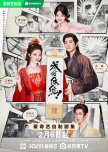
From Chaos to Complexity: An Unexpectedly Deep Journey
* [My rewritten review after completing the drama]After watching the trailer of How Dare You a few months ago, I was waiting so impatiently for this drama to air. 😭✨ From the very first glimpse, I felt like it was going to be hilarious. Even though comedy is not really my cup of tea, I was extremely curious to see how Chang Lei and Wang Churan would handle funny characters — and most importantly, how their chemistry would burn on screen. 🔥
I just completed the drama and honestly, it has not disappointed me. 🙌 I haven’t read the original novel or watched the donghua adaptation, so I’m experiencing the story purely through the drama itself. That actually helps me enjoy it without comparisons.
😂 From Comedy Chaos to Political Depth
At the beginning, I expected pure comedy — chaotic humor, exaggerated situations, lighthearted fun. The first episodes even had moments that made me laugh awkwardly (yes, that “how are you” line caught me off guard 😭).
But after episode three, the tone gradually shifted. What started as a seemingly light transmigration drama slowly unfolded into something much deeper.
The second half? It became a real palace political drama.
Transmigration itself isn’t new in historical dramas, but this drama brought novelty in execution. The plot development, the layered foreshadowing, and the structural payoff were surprisingly solid. Some moments felt slightly strange in pacing, but when the foreshadowing was revealed, everything clicked. That “ohhh” realization feeling was rare and satisfying.
For example, small details like Xie Yong’er and the jasmine motif didn’t feel random. They were carefully planted hints. Even minor characters — from Xu Yao to the scholars — had clear ambitions and narrative completeness. Their motivations were expressed with clarity. I haven’t seen such passionate, era-consistent dialogue in a long time.
One of the most satisfying parts for me is the dynamic between the male lead and female lead. 🥹 They work together. They plan together. They survive together. There’s a mutual understanding between them that feels very refreshing. They are not plotting against each other — they are plotting side by side to protect themselves and improve the kingdom. That partnership feels mature and balanced.
💖✨The Couple - Partnership and Romance
The ML–FL dynamic was honestly one of the most satisfying parts for me. 🥹 They don’t scheme against each other — they strategize side by side. They plan together, survive together, and genuinely try to improve the kingdom together. That partnership feels mature, balanced, and so refreshing for a C-drama couple.
The FL is incredibly sharp and strategic. 🧠✨ She observes, calculates, and acts — she doesn’t wait to be saved. I love that energy.
And the ML… he lived through years of loneliness and manipulation after transmigrating so young. When he met her, everything changed. 😭 Even while hiding his true situation, he loved her wholeheartedly. He barely worried about himself — her safety always came first. That kind of quiet, selfless love really hits. 💔
At first, their chemistry felt more like allies than lovers. But as the story progressed? It started to burn. 🔥 Watching them grow from survival partners into something deeper — through subtle glances and unspoken protection — was lovely.
🌸 Wang Churan — Unexpectedly Perfect
I had watched her some dramas before. But her acting there wasn't that special to me.
But here? She is stunning. Absolutely stunning.
Her beauty is almost unreal — especially in the male disguise scene in the tavern. How can she look that good even dressed as a man? And when she pouts slightly? Too cute.
But beyond visuals, she brought brightness and warmth to the role. She felt lively, intelligent, and emotionally sincere. I genuinely couldn’t imagine anyone else playing this character.
👁️ Chang Lei — The Eyes That Act
Now my favorite part.
After watching My Journey to You in 2024, I waited more than a year to see Chang Lei portray a character whose eyes carry that same raw emotional depth again.
And finally, I saw it.
His eyes in this drama do the acting on their own.
Sometimes they are filled with laughter.
Sometimes they are terrifying in tyrant mode.
Sometimes they are full of loneliness and pain.
Sometimes they soften with love.
I don’t even need to categorize the emotion — it just reaches me. It hits directly.
Dan lived in loneliness for years. Manipulated. Poisoned. Used like a puppet. And yet when he met her, his world shifted. Even when he couldn’t let her go, even when he hid truths from her, his concern was always about her safety. That silent, restrained affection hurt in the best way.
At first, I didn’t see intense romantic chemistry. It felt more like allies. But as the story progressed, their chemistry slowly ignited. That slow burn made it even more satisfying.
His performance here proves again that he can be comedic, dark, vulnerable, and authoritative — all through subtle control. I truly missed seeing that depth.
💔 The Ending… and My Regret
Now, about the ending. honestly… I wanted more. Where was CEO Zhang? I wanted modern company scenes, not just reunion-on-the-subway vibes. The emotional build-up was so high, and suddenly it cut. I felt like some aftermath scenes were missing.
It’s not about comparing or dragging anything down. I just genuinely feel that if the production had slightly more episodes — maybe four or six more — the pacing in the final stretch wouldn’t have felt rushed.
Still, despite some regrets, it remains a very faithful adaptation with impressive acting and detailed presentation. Knowing the novel beforehand actually made me more critical, but it also allowed me to appreciate how certain textual descriptions were transformed into visual storytelling.
Was this review helpful to you?
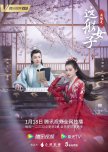
A Girl Like Me — A Heroine Who Shines
A Girl Like Me, and honestly, I loved every bit of it 😍. From the very beginning, Ban Hua captured my attention — she’s not just the noblest lady in Daye, but also completely unforgettable because of her spirit and strength ✨.Ban Hua is independent, fearless, and forthright 💪. She speaks her mind, never allows herself to be manipulated, and faces every challenge with intelligence and courage 🧠🔥. Her straight-shooting manner and explosive temper make her so relatable and refreshing — she isn’t the typical quiet, obedient heroine. I really admire that about her 💖.
The drama is full of lighthearted yet touching moments. Seeing Ban Hua navigate her family responsibilities, her love life, and the societal expectations with such confidence and decisiveness kept me hooked 👀. And the chemistry with the male lead is just perfect 😍 — he’s handsome, cute, and matches her energy, making their interactions so much fun and heartwarming 💕.
What I also loved is how the drama balances comedy, romance, and meaningful growth. Ban Hua’s journey isn’t just about love; it’s about staying true to herself, making tough choices, and embracing her independence 💫. Every episode made me smile, cheer, and sometimes even laugh out loud 😂.
The production is beautiful too 🎥✨ — the costumes, the sets, and the little details of Daye culture make the world feel vivid and immersive. You can see the care put into the visual storytelling, which adds a lovely layer to the story 🌸.
Overall, A Girl Like Me is such a joy to watch! Ban Hua is a heroine who inspires confidence, courage, and self-respect. The romance is fun and sweet, the characters are strong and memorable, and the story keeps you engaged from start to finish 💖🌟. This drama makes me feel empowered, happy, and completely entertained — exactly what I look for in a historical romance drama 🏯💕.
✨ In short:
A smart, fearless heroine 🌸 + a charming, loving male lead 😍 + heartwarming romance and beautiful visuals 🎥 = a drama I will definitely rewatch! 💖💫
Was this review helpful to you?
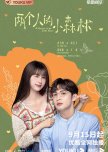
A Romance of the Little Forest : Between Blossoms and Silence
🌾 If you ask what makes a drama linger in your heart, A Romance of the Little Forest is a perfect answer. From the moment I pressed play, A Romance of the Little Forest felt like a breath of fresh countryside air. The green woods, the gentle chirp of birds, the trickle of stream water — everything about the setting made me exhale and relax. The drama isn’t flashy; instead, it invites you to pause, look around, and let love grow slowly.🌸 The story centers on Zhuang Yu, a botanist who is a cool, focused person, deeply absorbed in his research, indifferent to fame, social life, or love. Years ago, he unintentionally broke the heart of Yu Meiren, a cheerful, warm girl from the countryside who secretly admired him. Over time, Meiren evolves: she earns a doctorate in ornithology, then chooses to become a fashion blogger to escape the pressure of scientific research. Fate brings them together again in a village called Qingshui, where Zhuang Yu goes for fieldwork and unwittingly stays at Meiren’s family bed-and-breakfast.
🌿From its soothing rural backdrop to the slow-burn romance between a passionate botanist and a vibrant fashion blogger, it’s one of those modern dramas that doesn’t just entertain — it heals.
I feel like I found a little sanctuary watching this. Especially on days when the world outside felt noisy, Meiren’s laughter in the forest, Zhuang Yu quietly tending to his plants, resonated with me.
The title “Little Forest” makes sense: the forest isn’t huge, grandiose, or mythical. It is small, intimate, and personal. It becomes the space where two people carry their pasts in their pockets and decide maybe to leave them behind together.
🌼 And I rarely focus on OSTs, but 好像都一样 (All Seems The Same) touched something deep within me—it makes my heart quietly smile.
🍃 Additionally, there are some less perfect aspects. The secondary plotlines: Some of the screen time goes to supporting couples or side stories, which I found less engaging, because I was mostly invested in Meiren & Zhuang Yu. I saw other viewers share similar feelings. And, if you prefer big declarations, you may feel the romance here is subtle. For me, that’s part of its charm — but it might not be for everyone.
☀️ A Romance of the Little Forest is like a soft-sunlit afternoon walk in a green wood. It’s about quiet growth, warm company, and the kind of love that doesn’t need grand gestures — just presence, kindness, and patience. If you’re in the mood for something healing, then this drama is worth your time.
Was this review helpful to you?
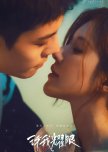
This review may contain spoilers
“Modern Romance, Complicated Hearts”
Honestly, this drama was the most emotionally stressful modern drama I’ve seen 😅💔. The story is strong, the characters are interesting, and the acting is impressive, but the constant cheating in the relationship made it hard for me to fully enjoy it 😕💔. The romance starts and develops with deception and infidelity, which kept me feeling tense and frustrated rather than relaxed.The plot follows Xu Yan, an ambitious and elegant anchorwoman 💼✨, and Shen Hao Ming, a successful and charming man. Their relationship seems perfect at first glance, but it’s built on manipulation and secret affairs 😳🎭. Even as their feelings deepen, the cheating continues to complicate their bond, making it difficult to root for them completely ❤️🔥⚡. The story is modern, intense, and full of emotional highs and lows, showing how ambition, desire, and personal mistakes intersect with romance.
What I loved most was the acting and chemistry between the leads 🌹. Zhao Lusi and William Chan deliver convincing performances, capturing both the passion and the tension in their complicated relationship 💞. A modern couple whose relationship is as much about ambition, image, and power as it is about love. It moves beyond simple romance into something rawer and more psychologically complex. The production values are polished, and the modern settings — from elegant offices to intimate personal spaces — enhance the story’s emotional impact ✨🏙️.
But—there’s a “but”. The core of their romance is built around cheating, manipulation and lies. 😕💔 Xu Yan’s crafted identity and Haoming’s control over elements of their marriage made it difficult to fully root for their relationship. Whenever they tried to repair things, I found myself asking: Based on what? Also, the narrative sometimes dragged in the middle episodes as it kept circling around the same emotional loop rather than pushing forward. Some scenes felt heavy rather than hopeful. 🕰️
At its heart, Love’s Ambition is a modern romance that isn’t afraid to show scars — ambition‑driven choices, love tainted with mistrust, and redemption that has to be earned. 🌹🔥 If you're okay with a messy love story, filled with cheating and power‑dynamics, and prioritizes growth over instant emotion, this will intrigue you.
Was this review helpful to you?


