
 K-Drama


 2
2 1
1 1
1 1
1


This review may contain spoilers
Speaking Seven Languages, Missing One: The Language of emmotions
The series shows that the difficulty of “translating” love is not only about words, but above all about emotions, fears, and inner wounds. The heroine, lacking self-confidence, is convinced that no one can truly love her or stay with her. She lives in fear of the future and, whenever she tries to move forward, she feels guilty — either because she believes she might unjustly hurt someone, or because she fears disappointing the other person. She does not recognize her own worth, even though she remains positive, warm, sincere, and deeply human.
Can This Love Be Translated? primarily deals with emotional misunderstanding rather than language barriers. The male lead is an extremely rational and highly intellectual man who speaks several languages, yet is incapable of understanding emotions — both his own and those of the woman he loves. He feels something for her but does not know how to identify or interpret it.
Through the character of Dorami, the male lead finally begins to understand the heroine’s emotional state: her fears, her desires, her inner chaos. Dorami does not only help her, but also indirectly acts as an emotional bridge for the hero. Here, “healing the mind” does not mean correcting or imposing external order, but understanding, observing, and accompanying. Understanding inner chaos allows a path toward harmony.
The Japanese character is also very important: despite the language barrier, emotional understanding between him and the heroine is much clearer. Their relationship has a rom-com tone with genuine chemistry, while the main storyline, more grounded in reality, is more melodramatic and psychological. It almost feels like two parallel series, reinforcing the central message.
The series stands out for its careful writing and lack of clichés. All characters are well developed, both in the script and in their performances. This is not a light romance, but a deep psychological dramedy, pleasant to watch and inviting reflection on the importance of making the effort to emotionally understand the person one loves.
It is also important to highlight the quality of the writing: the series is written by the same screenwriters as Alchemy of Souls and Hotel de Luna. Their signature is clearly felt, particularly through certain atmospheres, the attention to emotions, and an almost melancholic sensitivity that recalls the universe of Hotel de Luna for attentive viewers.
The directing adopts a very benevolent approach, especially in the way foreign cultures are portrayed. They are shown in a positive, human, and respectful manner, through nuanced characters as well as beautiful locations that contribute to the emotional and cultural openness of the series.
As for the music, the result is more mixed. The Korean tracks lack a truly memorable theme. Opera, although present and important within the universe of the series, is often portrayed as something not very accessible to an uninitiated audience and is sometimes pushed into the background in favor of K-pop — which is somewhat disappointing given the emotional richness opera could have brought.
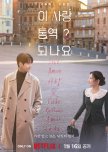
Kim Seon-ho is remarkable in his restrained and sensitive role, bringing real emotional nuance to his character. Go Youn-jung is also impressive, portraying her character as fragile, funny, and deeply human — far from being just a “famous actress.” Fukushi Sota is excellent in his role as a romantic lover and vulnerable. The other characters are also well developed, especially the the manager and i love the writer and director of show
Can This Love Be Translated? primarily deals with emotional misunderstanding rather than language barriers. The male lead is an extremely rational and highly intellectual man who speaks several languages, yet is incapable of understanding emotions — both his own and those of the woman he loves. He feels something for her but does not know how to identify or interpret it.
Through the character of Dorami, the male lead finally begins to understand the heroine’s emotional state: her fears, her desires, her inner chaos. Dorami does not only help her, but also indirectly acts as an emotional bridge for the hero. Here, “healing the mind” does not mean correcting or imposing external order, but understanding, observing, and accompanying. Understanding inner chaos allows a path toward harmony.
The Japanese character is also very important: despite the language barrier, emotional understanding between him and the heroine is much clearer. Their relationship has a rom-com tone with genuine chemistry, while the main storyline, more grounded in reality, is more melodramatic and psychological. It almost feels like two parallel series, reinforcing the central message.
The series stands out for its careful writing and lack of clichés. All characters are well developed, both in the script and in their performances. This is not a light romance, but a deep psychological dramedy, pleasant to watch and inviting reflection on the importance of making the effort to emotionally understand the person one loves.
It is also important to highlight the quality of the writing: the series is written by the same screenwriters as Alchemy of Souls and Hotel de Luna. Their signature is clearly felt, particularly through certain atmospheres, the attention to emotions, and an almost melancholic sensitivity that recalls the universe of Hotel de Luna for attentive viewers.
The directing adopts a very benevolent approach, especially in the way foreign cultures are portrayed. They are shown in a positive, human, and respectful manner, through nuanced characters as well as beautiful locations that contribute to the emotional and cultural openness of the series.
As for the music, the result is more mixed. The Korean tracks lack a truly memorable theme. Opera, although present and important within the universe of the series, is often portrayed as something not very accessible to an uninitiated audience and is sometimes pushed into the background in favor of K-pop — which is somewhat disappointing given the emotional richness opera could have brought.
Kim Seon-ho is remarkable in his restrained and sensitive role, bringing real emotional nuance to his character. Go Youn-jung is also impressive, portraying her character as fragile, funny, and deeply human — far from being just a “famous actress.” Fukushi Sota is excellent in his role as a romantic lover and vulnerable. The other characters are also well developed, especially the the manager and i love the writer and director of show
Was this review helpful to you?


