

 1
1


Both dramas are about a detective who doesn't believe in the supernatural but has to team up with a spiritual expert to help solve a case that might be related to the occult


They have a very similar setup. Both stories involve a scheme to seize the throne, an attempted assassination, and a doppelgänger who takes the place of the crown prince or princess. The main difference is that The Air is a GL story, while Thara Himalai is a straight romance. In The Air, the love interest is the princess's bodyguard, whereas in Thara Himalai, the female lead is a doctor.


Both Wu and Peaceful Property are bromance-focused dramas with supernatural storylines. Both dramas follow two unlikely partners who start off clashing but slowly grow really close and end up becoming emotionally dependent on each other. Both series balance comedy, fun banter, and emotional moments instead of being completely dark or horror-focused.

Both male leads marry the female lead because their moms want them to. In each story, the female lead has secretly had a crush on the male lead for a long time. In both dramas, the woman pursues the man first, and each female lead also has a hidden side to her personality.


In both Love at First Night and Rabbit on the Moon, the leads meet while traveling, fall fast, and sleep together — then reunite in the real world and discover how much the other person kept hidden.

Saint Suppapong and Orn Patchanan reunite as the lead pair in both series. In Let’s Fight Ghost, they portray a ghost-exorcist duo in a quirky supernatural rom-com. In Happiness, they take on more intense roles as young police officers navigating a dangerous lockdown inside a quarantined apartment complex.


Both Jao Sao Prissana and Ra Raerng Fai revolve around revenge driven by deep emotional and familial wounds. In Jao Sao Prissana, Rada takes her friend’s place at the wedding as part of a calculated plan to avenge her sister’s suffering. In Ra Raerng Fai, Chakrit seeks retribution by seducing Yada’s sister and abandoning her at the altar, only to later target Yada in a tense game of emotional manipulation. Central to both stories are strong, resilient female leads—Rada remains calm and determined despite the chaos she causes, while Yada confronts betrayal with strength and engages Chakrit in a battle of will and pride.

Both Tie Me (K)not and 101st Marriage Proposal showcase how authentic, unwavering love can help heal past traumas and empower a strong woman to reclaim her emotional strength. Both dramas center around a female lead deeply wounded—Lalita from abuse, Kaoru from grief—whose emotional healing comes through the steadfast, caring love of the male lead. In Tie Me (K)not Lalita finds empowerment through her journey and Toey’s support; in 101st Marriage Proposal Kaoru learns to move forward and embrace love again through Tatsuro’s persistence.
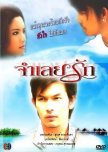

Both Lhong Ngao Jun and Jamloei Rak follow revenge-driven plots fueled by mistaken identity, where the male leads target the wrong women for past tragedies. Ae blames Pim for his friend’s death, while Harit blames Soraya for his brother’s suicide. Both men later realize the women are innocent, and their hatred gradually turns into love. The dramas blend themes of revenge, romance, and emotional growth, with both female leads suffering mistreatment from their families.


Game Rak Ao Keun and Loneliness Society are Thai romantic dramas that explore themes of complicated love, emotional entanglement, and unexpected connections born from loneliness. Both feature female leads—played by Nune Woranuch—who become emotionally involved in unconventional relationships: Arisa seeks revenge and falls for a young escort, while Meena pretends to be someone’s girlfriend and unexpectedly bonds with his brother. In both stories, love develops under pressure, driven by personal turmoil, deception, and emotional conflict. The dramas also share production ties, airing on GMM25 and featuring Joss Way-ar as the male lead.


Both Fah Jarod Sai and Tam Hua Jai Pai Sood Lah feature strong female leads who face love under cultural or familial pressure. In each story, romance grows from difficult or unwanted circumstances—Michelle is forced into palace politics and sent to the desert as a royal concubine substitute, while Danielle is pushed into an arranged marriage by her stepfather. Despite these challenges, both women show resilience and independence, ultimately choosing love on their own terms. Set against exotic, culturally rich backdrops, the dramas blend emotional depth with escapist storytelling through royal intrigue and foreign traditions.

The plots are actually quite similar: both feature an arranged relationship where one of the leads pretends to be well-behaved, while secretly hiding a mischievous side out of fear that their partner won't accept the real them. The main difference is that Cutie Pie is a BL, whereas My Wife’s Gunslinger God is a straight romance.


