
 News
News 

 27
27 53
53 8
8 1
1 1
1 1
1 1
1 1
1 1
1 8
8 2
2 3
3 1
1 1
1 1
1 1
1 9
9 4
4 4
4


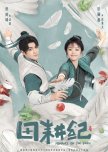
Rage on the Farm: You Reap What You Scheme
I picked up Romance on the Farm as a palate cleanser, something like a cup of light roast coffee to balance out the heavy, emotionally taxing dramas on my watchlist. With only 26 episodes and a familiar “entering a game world” premise, I expected a breezy, no-brainer ride. The kind you watch with your brain on standby mode. Instead, what I got was a show that had me fuming, my patience tested, and my blood pressure doing interval training.
The story follows Lian Man Er, who enters a virtual game and finds herself living as part of the chaotic Lian family in a rural village. Along the way, she meets Shen Nuo, and together they navigate family conflicts, farming ventures, small business ambitions, and some covert missions on the side. On paper, it sounds like a balanced mix of slice of life and light adventure. In execution, it leans heavily into family drama that feels less like storytelling and more like emotional warfare.
I went in telling myself not to get invested. Game world stories rarely stick the landing, and the awareness that everything is “just virtual” usually creates a layer of detachment. Ironically, that awareness made the frustration worse. Watching Man Er endure the Lian family’s relentless schemes while knowing she understands it is a constructed world made it all the more baffling. The household itself is pure chaos. Grandma Lian screams like it is her full-time job, the extended family schemes non-stop, and Man Er’s parents have the combined backbone of overcooked noodles.
The conflicts are not your typical petty family squabbles either. They are extreme to the point of disbelief. We are talking about forced marriage to become a burned widow for a dead man, intentional harm leading to miscarriage, and repeated attempts to ruin lives without consequence. What truly fuels the frustration is the lack of accountability. The elders constantly forgive these actions, brushing them aside in the name of family unity. Man Er’s father, in particular, is the embodiment of misplaced filial piety. He stays silent when his daughter is nearly sacrificed but suddenly finds his voice when his sister is wronged. The inconsistency is so glaring that it almost feels like unintentional satire.
Even after the family “separates,” they are still essentially living under the same roof, just divided by a wall. Predictably, the schemes continue, and so does the cycle of wrongdoing followed by easy forgiveness. Man Er herself adds to the frustration. For someone with modern awareness, her naivety is difficult to ignore. She rarely stays guarded, even around those who have harmed her before, and often falls into situations where she needs rescuing. It is a bit of a damsel in distress loop that grows tiring over time.
The drama places heavy emphasis on the sanctity of family, almost to an exaggerated degree. It pushes the idea that blood ties justify everything, no matter how extreme the wrongdoing. This makes the eventual harmonious ending feel staged and unearned. Character shifts, especially for figures like Grandma Lian, happen so abruptly that it feels like a switch was flipped rather than a journey completed. Some side characters show believable growth through consequences, but others seem to change simply because the script demands a happy ending.
The game premise, unsurprisingly, does not fully deliver either. The conclusion in the real world feels incomplete, almost like an afterthought. Without the special episode, the ending would have landed even flatter. Even then, it leans into the classic ambiguity trope, hinting at connections rather than committing to them. It is the kind of ending that makes you go, “That’s it?” rather than leaving a lasting impression.
There are also moments of questionable morality presented under the guise of justice. Shen Nuo, despite being one of the more likable characters, participates in actions that indirectly cause harm to Man Er, such as the wine incident that leaves her drowning in debt. While he later compensates for it, the situation highlights a double standard in how justice is carried out. It raises the question of how many others might have been collateral damage under similar assumptions.
That said, Shen Nuo does stand out as a character. His calm demeanor, intelligence, and steady sense of justice make him more compelling than most. His relationship with Man Er develops gradually, which is a refreshing change from instant love tropes. His quiet affection and composed approach to romance are easily some of the drama’s highlights. The way he handles love rivals with respect instead of sabotage is surprisingly mature.
Speaking of rivals, the second male lead, Wang You Heng, is almost too good for this world. He is thoughtful, patient, and genuinely supportive. His gestures, like lighting fireworks simply because it would make Man Er happy, add a layer of sincerity that hits harder than grand romantic declarations. Watching him stand there, holding those fireworks while witnessing Man Er’s turning point with Shen Nuo, is the kind of soft heartbreak that lingers.
The supporting cast is a mixed bag, leaning heavily toward frustrating. However, a few bright spots do exist, including the loyal Chang Feng, the kind-hearted cousin Lian Ye Er, and You Heng’s family. These characters provide brief moments of relief in an otherwise tension-heavy narrative.
One area where the drama truly shines is its production quality. The visuals are surprisingly polished, with well-balanced color grading and lighting that enhances the mood of each scene. The rural setting is captured beautifully, and there is clear attention to detail in costume and styling to distinguish between social classes and character progression. Even the action sequences are handled with care, adding a layer of visual engagement that keeps the show watchable despite its narrative frustrations.
In the end, Romance on the Farm feels like a misleading title. The romance exists, but it is not the main dish. It is more like a side garnish to an overwhelming serving of family drama. Despite all its flaws, it remains oddly entertaining in a “why am I still watching this” kind of way. If you go in expecting logic, consistency, or emotional payoff, you might come out disappointed. But if you treat it like a chaotic rollercoaster and keep your expectations in check, it can still be an engaging, if slightly rage-inducing, watch.
The story follows Lian Man Er, who enters a virtual game and finds herself living as part of the chaotic Lian family in a rural village. Along the way, she meets Shen Nuo, and together they navigate family conflicts, farming ventures, small business ambitions, and some covert missions on the side. On paper, it sounds like a balanced mix of slice of life and light adventure. In execution, it leans heavily into family drama that feels less like storytelling and more like emotional warfare.
I went in telling myself not to get invested. Game world stories rarely stick the landing, and the awareness that everything is “just virtual” usually creates a layer of detachment. Ironically, that awareness made the frustration worse. Watching Man Er endure the Lian family’s relentless schemes while knowing she understands it is a constructed world made it all the more baffling. The household itself is pure chaos. Grandma Lian screams like it is her full-time job, the extended family schemes non-stop, and Man Er’s parents have the combined backbone of overcooked noodles.
The conflicts are not your typical petty family squabbles either. They are extreme to the point of disbelief. We are talking about forced marriage to become a burned widow for a dead man, intentional harm leading to miscarriage, and repeated attempts to ruin lives without consequence. What truly fuels the frustration is the lack of accountability. The elders constantly forgive these actions, brushing them aside in the name of family unity. Man Er’s father, in particular, is the embodiment of misplaced filial piety. He stays silent when his daughter is nearly sacrificed but suddenly finds his voice when his sister is wronged. The inconsistency is so glaring that it almost feels like unintentional satire.
Even after the family “separates,” they are still essentially living under the same roof, just divided by a wall. Predictably, the schemes continue, and so does the cycle of wrongdoing followed by easy forgiveness. Man Er herself adds to the frustration. For someone with modern awareness, her naivety is difficult to ignore. She rarely stays guarded, even around those who have harmed her before, and often falls into situations where she needs rescuing. It is a bit of a damsel in distress loop that grows tiring over time.
The drama places heavy emphasis on the sanctity of family, almost to an exaggerated degree. It pushes the idea that blood ties justify everything, no matter how extreme the wrongdoing. This makes the eventual harmonious ending feel staged and unearned. Character shifts, especially for figures like Grandma Lian, happen so abruptly that it feels like a switch was flipped rather than a journey completed. Some side characters show believable growth through consequences, but others seem to change simply because the script demands a happy ending.
The game premise, unsurprisingly, does not fully deliver either. The conclusion in the real world feels incomplete, almost like an afterthought. Without the special episode, the ending would have landed even flatter. Even then, it leans into the classic ambiguity trope, hinting at connections rather than committing to them. It is the kind of ending that makes you go, “That’s it?” rather than leaving a lasting impression.
There are also moments of questionable morality presented under the guise of justice. Shen Nuo, despite being one of the more likable characters, participates in actions that indirectly cause harm to Man Er, such as the wine incident that leaves her drowning in debt. While he later compensates for it, the situation highlights a double standard in how justice is carried out. It raises the question of how many others might have been collateral damage under similar assumptions.
That said, Shen Nuo does stand out as a character. His calm demeanor, intelligence, and steady sense of justice make him more compelling than most. His relationship with Man Er develops gradually, which is a refreshing change from instant love tropes. His quiet affection and composed approach to romance are easily some of the drama’s highlights. The way he handles love rivals with respect instead of sabotage is surprisingly mature.
Speaking of rivals, the second male lead, Wang You Heng, is almost too good for this world. He is thoughtful, patient, and genuinely supportive. His gestures, like lighting fireworks simply because it would make Man Er happy, add a layer of sincerity that hits harder than grand romantic declarations. Watching him stand there, holding those fireworks while witnessing Man Er’s turning point with Shen Nuo, is the kind of soft heartbreak that lingers.
The supporting cast is a mixed bag, leaning heavily toward frustrating. However, a few bright spots do exist, including the loyal Chang Feng, the kind-hearted cousin Lian Ye Er, and You Heng’s family. These characters provide brief moments of relief in an otherwise tension-heavy narrative.
One area where the drama truly shines is its production quality. The visuals are surprisingly polished, with well-balanced color grading and lighting that enhances the mood of each scene. The rural setting is captured beautifully, and there is clear attention to detail in costume and styling to distinguish between social classes and character progression. Even the action sequences are handled with care, adding a layer of visual engagement that keeps the show watchable despite its narrative frustrations.
In the end, Romance on the Farm feels like a misleading title. The romance exists, but it is not the main dish. It is more like a side garnish to an overwhelming serving of family drama. Despite all its flaws, it remains oddly entertaining in a “why am I still watching this” kind of way. If you go in expecting logic, consistency, or emotional payoff, you might come out disappointed. But if you treat it like a chaotic rollercoaster and keep your expectations in check, it can still be an engaging, if slightly rage-inducing, watch.
Was this review helpful to you?


