
 Editorials
 25
25 48
48 8
8 1
1 1
1 1
1 1
1 1
1 1
1 7
7 2
2 3
3 1
1 1
1 1
1 1
1 5
5 1
1 3
3


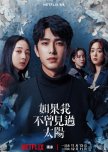
I’ll Jump with You, Even Without the Sun
Had I Not Seen the Sun (Part 1) is not an easy watch, and it never pretends to be. It is raw, dark, and emotionally heavy, weaving together love, hope, trauma, and violence in a way that can feel almost too real at times. Consider this a gentle warning, because some moments are deeply triggering. But if you are willing to sit with discomfort, the story offers an immersive experience that lingers long after the credits roll.
The drama opens with a striking premise. Li Jen Yao turns himself in, calmly confessing to being the infamous Rainstorm Killer. He recounts his crimes in chilling detail, yet refuses to explain why he did them. He then agrees to an interview with journalist, Chou Pin Yu. Their initial encounter is unforgettable. A simple glance between them becomes charged with tension and curiosity, almost like time pauses just to let that moment breathe. Tseng Jing Hua brings a quiet magnetism to Jen Yao, balancing a smirky charm with something warmer underneath, while Chiang Chi’s wide-eyed, searching gaze makes Pin Yu instantly compelling. That first meeting alone was enough to keep me seated.
From there, the narrative begins to blur lines between reality and something more elusive. After meeting Jen Yao, Pin Yu starts experiencing vivid dreams and unsettling visions involving him and a mysterious schoolgirl. These sequences are eerie and intentionally disorienting. The lighting choices, often tinted in pinks and purples, feel a bit dated and occasionally take you out of the moment, but they still contribute to the overall sense of unease. Some of her visions, especially the more intimate ones, are strange to watch, yet they reinforce the central mystery. You are not always comfortable, but you are always curious.
As the story shifts further into the past, the emotional weight deepens. Jen Yao’s life is defined by chaos and pain. His father’s gambling addiction and violence cast a long shadow over his childhood, while his mother clings to false hope that things will change. You can feel his frustration, his helplessness, and the quiet desperation of wanting to escape a life that offers no light. And then Chiang Hsiao Tung enters, almost like sunlight breaking through a storm. Played with effortless charm by Moon Lee, she embodies warmth, innocence, and possibility. Her presence softens Jen Yao’s world, giving him something he has never truly had before.
The drama leans heavily on symbolism, particularly through the imagery of moths, butterflies, and the sun. Hsiao Tung, like a butterfly, represents freedom and lightness, moving through life with joy and curiosity. Jen Yao, like a moth, is driven by intense emotions, drawn to light even if it risks burning him. Between them is the sun, a symbol of hope and purpose, something bright enough to guide them both. It is a simple metaphor, but the drama uses it effectively to deepen their connection.
Their relationship unfolds with a tenderness that feels almost fragile. The closer they get, the more you start to worry about what might happen next. And that sense of dread is not misplaced. When Ouyang Ti enters the picture, the tone shifts sharply. His obsession and cruelty push Jen Yao into a corner, forcing him into situations that are difficult to watch. By this point, the drama becomes emotionally exhausting in the best and worst ways. It demands your attention, but it also tests your limits.
A brief escape to Taipei introduces a quieter chapter, where Jen Yao, Hsiao Tung, and Lai Yun Chen share moments that feel like a pause before everything falls apart. Yun Chen is a complicated presence. Her coldness toward Jen Yao can be frustrating, but it gradually reveals itself as a form of protection, rooted in her own pain and her love for Hsiao Tung. This arc feels almost peaceful, yet there is an underlying tension that makes it clear this calm will not last.
Episode 8 marks a turning point that is both beautiful and devastating. The intimacy between Jen Yao and Hsiao Tung is portrayed with such care that it makes what follows even harder to bear. When Hsiao Tung confronts Ouyang Ti in an attempt to help Jen Yao, her courage is heartbreaking because it is also naive. What happens next is brutal. Even within the limits of censorship, the drama does not hold back. The violence is depicted in a way that feels disturbingly real, leaving a lasting impact not just on the characters, but on the viewer as well.
What lingers even more are the quiet moments that follow. Jen Yao walking Hsiao Tung home, her refusal to blame him, and the minimal words exchanged between them carry an emotional weight that is hard to describe. It is in these small, restrained scenes that the drama truly shines. The aftermath is just as difficult, especially in how Hsiao Tung’s parents respond. Their reactions feel misguided and frustrating, adding another layer of pain to an already devastating situation.
Despite everything, the story finds moments of fragile comfort. One of the most striking comes when Hsiao Tung admits she once considered ending her life. Jen Yao’s response is simple yet profound. He does not try to stop her or offer empty reassurances. Instead, he tells her that if she jumps, he will jump with her. It is not a solution, but it is companionship in its most absolute form. In a drama filled with darkness, that line feels like a small, flickering light.
The ending of Part 1 is bittersweet in the most painful way. Jen Yao spends years in juvenile detention, missing a promise that meant everything. Yet Hsiao Tung keeps her side of it, leaving behind traces of a love that refuses to fade. It is a quiet, devastating conclusion that feels both complete and incomplete at the same time.
This drama took me a long time to finish, partly because I needed breaks to process what I was watching. It is not something you casually binge. It demands emotional investment and, at times, emotional endurance. Saying that I enjoyed it does not feel quite right. But I can say that it moved me, unsettled me, and stayed with me. If you are looking for something light, this is not it. But if you are drawn to stories that explore love and trauma with unflinching honesty, Had I Not Seen the Sun (Part 1) is an experience worth having.
The drama opens with a striking premise. Li Jen Yao turns himself in, calmly confessing to being the infamous Rainstorm Killer. He recounts his crimes in chilling detail, yet refuses to explain why he did them. He then agrees to an interview with journalist, Chou Pin Yu. Their initial encounter is unforgettable. A simple glance between them becomes charged with tension and curiosity, almost like time pauses just to let that moment breathe. Tseng Jing Hua brings a quiet magnetism to Jen Yao, balancing a smirky charm with something warmer underneath, while Chiang Chi’s wide-eyed, searching gaze makes Pin Yu instantly compelling. That first meeting alone was enough to keep me seated.
From there, the narrative begins to blur lines between reality and something more elusive. After meeting Jen Yao, Pin Yu starts experiencing vivid dreams and unsettling visions involving him and a mysterious schoolgirl. These sequences are eerie and intentionally disorienting. The lighting choices, often tinted in pinks and purples, feel a bit dated and occasionally take you out of the moment, but they still contribute to the overall sense of unease. Some of her visions, especially the more intimate ones, are strange to watch, yet they reinforce the central mystery. You are not always comfortable, but you are always curious.
As the story shifts further into the past, the emotional weight deepens. Jen Yao’s life is defined by chaos and pain. His father’s gambling addiction and violence cast a long shadow over his childhood, while his mother clings to false hope that things will change. You can feel his frustration, his helplessness, and the quiet desperation of wanting to escape a life that offers no light. And then Chiang Hsiao Tung enters, almost like sunlight breaking through a storm. Played with effortless charm by Moon Lee, she embodies warmth, innocence, and possibility. Her presence softens Jen Yao’s world, giving him something he has never truly had before.
The drama leans heavily on symbolism, particularly through the imagery of moths, butterflies, and the sun. Hsiao Tung, like a butterfly, represents freedom and lightness, moving through life with joy and curiosity. Jen Yao, like a moth, is driven by intense emotions, drawn to light even if it risks burning him. Between them is the sun, a symbol of hope and purpose, something bright enough to guide them both. It is a simple metaphor, but the drama uses it effectively to deepen their connection.
Their relationship unfolds with a tenderness that feels almost fragile. The closer they get, the more you start to worry about what might happen next. And that sense of dread is not misplaced. When Ouyang Ti enters the picture, the tone shifts sharply. His obsession and cruelty push Jen Yao into a corner, forcing him into situations that are difficult to watch. By this point, the drama becomes emotionally exhausting in the best and worst ways. It demands your attention, but it also tests your limits.
A brief escape to Taipei introduces a quieter chapter, where Jen Yao, Hsiao Tung, and Lai Yun Chen share moments that feel like a pause before everything falls apart. Yun Chen is a complicated presence. Her coldness toward Jen Yao can be frustrating, but it gradually reveals itself as a form of protection, rooted in her own pain and her love for Hsiao Tung. This arc feels almost peaceful, yet there is an underlying tension that makes it clear this calm will not last.
Episode 8 marks a turning point that is both beautiful and devastating. The intimacy between Jen Yao and Hsiao Tung is portrayed with such care that it makes what follows even harder to bear. When Hsiao Tung confronts Ouyang Ti in an attempt to help Jen Yao, her courage is heartbreaking because it is also naive. What happens next is brutal. Even within the limits of censorship, the drama does not hold back. The violence is depicted in a way that feels disturbingly real, leaving a lasting impact not just on the characters, but on the viewer as well.
What lingers even more are the quiet moments that follow. Jen Yao walking Hsiao Tung home, her refusal to blame him, and the minimal words exchanged between them carry an emotional weight that is hard to describe. It is in these small, restrained scenes that the drama truly shines. The aftermath is just as difficult, especially in how Hsiao Tung’s parents respond. Their reactions feel misguided and frustrating, adding another layer of pain to an already devastating situation.
Despite everything, the story finds moments of fragile comfort. One of the most striking comes when Hsiao Tung admits she once considered ending her life. Jen Yao’s response is simple yet profound. He does not try to stop her or offer empty reassurances. Instead, he tells her that if she jumps, he will jump with her. It is not a solution, but it is companionship in its most absolute form. In a drama filled with darkness, that line feels like a small, flickering light.
The ending of Part 1 is bittersweet in the most painful way. Jen Yao spends years in juvenile detention, missing a promise that meant everything. Yet Hsiao Tung keeps her side of it, leaving behind traces of a love that refuses to fade. It is a quiet, devastating conclusion that feels both complete and incomplete at the same time.
This drama took me a long time to finish, partly because I needed breaks to process what I was watching. It is not something you casually binge. It demands emotional investment and, at times, emotional endurance. Saying that I enjoyed it does not feel quite right. But I can say that it moved me, unsettled me, and stayed with me. If you are looking for something light, this is not it. But if you are drawn to stories that explore love and trauma with unflinching honesty, Had I Not Seen the Sun (Part 1) is an experience worth having.
Was this review helpful to you?


