

 21
21 39
39 8
8 1
1 1
1 1
1 1
1 1
1 6
6 2
2 3
3 1
1 1
1 1
1 3
3 1
1 3
3


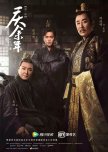
The Joy Is Real
Joy of Life came into my life at a strangely perfect time, right after I walked out of a scholarship interview that did not go the way I hoped. I was not expecting much, but somehow this drama lived up to its title in the most literal sense. It brought me joy. Not in an overwhelming or dramatic way, but in a steady, satisfying flow that kept me grounded while constantly surprising me. It feels rare to find a drama that is this witty, this fresh, and this confident in its storytelling. More often than not, I found myself shaking my head in admiration, thinking, “okay, that was smart.”
The story opens with a young man who regrets a life he barely got to live, only to be reborn as Fan Xian in a completely different era, carrying memories of the 21st century. What follows is not just a typical rebirth narrative, but something that plays out like a carefully constructed puzzle. Raised in Danzhou under the watchful care of his grandmother, trained by the mysterious Wuzhu and the terrifying yet oddly endearing Fei Jie, Fan Xian grows up equipped with skills and knowledge that make him stand out a little too much. When he finally heads to the capital, expecting a comfortable life, reality hits quickly. Assassination attempts, political marriages, inherited power, and dangerous secrets all crash into his world at once. From there, the story never really slows down, yet it never feels overwhelming either. It is layered, but light on its feet.
At the center of it all is Fan Xian, easily one of the most memorable characters I have seen in a costume drama. There is something so refreshing about how he is written. He is sharp, skeptical, and occasionally chaotic, yet grounded by a strong moral compass and unwavering loyalty to the people he loves. His modern perspective allows him to question traditions and authority in ways that feel both bold and oddly satisfying. The way he casually avoids kneeling in a rigid royal court says a lot about who he is, which is why the one moment he does kneel carries so much weight. He is clever enough to navigate political schemes, skilled enough to survive physical threats, and lucky enough to have people who would step in for him when needed. Watching him never feels stressful. It feels reassuring, like you know he will find a way, even if that way is completely unorthodox.
Zhang Ruoyun deserves a lot of credit for bringing Fan Xian to life. This was my first time watching him, and he made an immediate impression. His comedic timing is effortless, and his expressions land perfectly without feeling exaggerated. He knows exactly when to be playful and when to pull things back for emotional moments. There is a natural charm in his performance that makes everything feel believable. He does not just act as Fan Xian, he becomes him in a way that feels seamless.
Beyond its main character, the writing itself is where the drama truly shines. The premise might not sound entirely new, but the execution feels incredibly original. It treats time and memory almost like a quiet scientific riddle, something closer to a cosmic physics problem than a simple plot device. The drama does not overexplain. It trusts the audience to follow along, dropping hints here and there while focusing on Fan Xian’s journey. Sometimes I had to rewind a scene or two, but once things clicked, they really clicked. The balance between humor and politics is especially impressive. The comedy never feels forced, and the political intrigue never feels too dense. Hidden motives, shifting alliances, and unexpected twists are all presented in a way that is easy to digest yet still impactful. Some twists genuinely made me pause and think, wow, that runs deeper than I expected.
The supporting cast adds even more depth to the story, particularly the three father figures in Fan Xian’s life. Chen Daoming as the Emperor and Wu Gang as Chen Ping Ping both carry an undeniable presence. The Emperor feels unpredictable and quietly terrifying, while Chen Ping Ping, confined to a wheelchair, commands attention in a completely different way. Their interactions with Fan Xian are fascinating because they blur the line between care and manipulation. Fan Jian, on the other hand, offers a more traditional form of warmth and protection, grounding Fan Xian in something that feels genuine and familial. The contrast between these three dynamics adds so much texture to the story.
Other characters leave strong impressions in their own ways. Wuzhu remains a mystery that lingers in the background, making every appearance feel significant. Fei Jie stands out as both a harsh teacher and a deeply caring figure, someone who expresses love in the most unconventional ways. His quiet admission of seeing Fan Xian as a son is one of the more emotional moments in the drama. Lin Wan Er, while likable at times, can be frustrating with her hesitation and internal conflicts, though she never becomes an obstacle to Fan Xian’s path. The Fan family dynamic is another highlight. From the fiercely loyal Fan Ruo Ruo to the initially cautious but eventually caring stepmother and brother, their relationships evolve in a way that feels natural and rewarding.
What ties everything together is the production itself. The use of modern-style background music in a historical setting should not work as well as it does, but here, it feels just right. The entire drama has a certain sparkle to it, like champagne. It is light, smooth, and quietly celebratory without losing its depth. Even smaller characters and background moments feel thoughtfully executed, adding to the overall immersion.
By the time I reached the end, I realized I could not easily pick a single favorite aspect. It is everything working together, the character, the writing, the humor, the quiet philosophical undertones, that makes this drama so memorable. Joy of Life is something I would return to without hesitation, especially on days when I need a reminder that stories can still feel this alive.
The story opens with a young man who regrets a life he barely got to live, only to be reborn as Fan Xian in a completely different era, carrying memories of the 21st century. What follows is not just a typical rebirth narrative, but something that plays out like a carefully constructed puzzle. Raised in Danzhou under the watchful care of his grandmother, trained by the mysterious Wuzhu and the terrifying yet oddly endearing Fei Jie, Fan Xian grows up equipped with skills and knowledge that make him stand out a little too much. When he finally heads to the capital, expecting a comfortable life, reality hits quickly. Assassination attempts, political marriages, inherited power, and dangerous secrets all crash into his world at once. From there, the story never really slows down, yet it never feels overwhelming either. It is layered, but light on its feet.
At the center of it all is Fan Xian, easily one of the most memorable characters I have seen in a costume drama. There is something so refreshing about how he is written. He is sharp, skeptical, and occasionally chaotic, yet grounded by a strong moral compass and unwavering loyalty to the people he loves. His modern perspective allows him to question traditions and authority in ways that feel both bold and oddly satisfying. The way he casually avoids kneeling in a rigid royal court says a lot about who he is, which is why the one moment he does kneel carries so much weight. He is clever enough to navigate political schemes, skilled enough to survive physical threats, and lucky enough to have people who would step in for him when needed. Watching him never feels stressful. It feels reassuring, like you know he will find a way, even if that way is completely unorthodox.
Zhang Ruoyun deserves a lot of credit for bringing Fan Xian to life. This was my first time watching him, and he made an immediate impression. His comedic timing is effortless, and his expressions land perfectly without feeling exaggerated. He knows exactly when to be playful and when to pull things back for emotional moments. There is a natural charm in his performance that makes everything feel believable. He does not just act as Fan Xian, he becomes him in a way that feels seamless.
Beyond its main character, the writing itself is where the drama truly shines. The premise might not sound entirely new, but the execution feels incredibly original. It treats time and memory almost like a quiet scientific riddle, something closer to a cosmic physics problem than a simple plot device. The drama does not overexplain. It trusts the audience to follow along, dropping hints here and there while focusing on Fan Xian’s journey. Sometimes I had to rewind a scene or two, but once things clicked, they really clicked. The balance between humor and politics is especially impressive. The comedy never feels forced, and the political intrigue never feels too dense. Hidden motives, shifting alliances, and unexpected twists are all presented in a way that is easy to digest yet still impactful. Some twists genuinely made me pause and think, wow, that runs deeper than I expected.
The supporting cast adds even more depth to the story, particularly the three father figures in Fan Xian’s life. Chen Daoming as the Emperor and Wu Gang as Chen Ping Ping both carry an undeniable presence. The Emperor feels unpredictable and quietly terrifying, while Chen Ping Ping, confined to a wheelchair, commands attention in a completely different way. Their interactions with Fan Xian are fascinating because they blur the line between care and manipulation. Fan Jian, on the other hand, offers a more traditional form of warmth and protection, grounding Fan Xian in something that feels genuine and familial. The contrast between these three dynamics adds so much texture to the story.
Other characters leave strong impressions in their own ways. Wuzhu remains a mystery that lingers in the background, making every appearance feel significant. Fei Jie stands out as both a harsh teacher and a deeply caring figure, someone who expresses love in the most unconventional ways. His quiet admission of seeing Fan Xian as a son is one of the more emotional moments in the drama. Lin Wan Er, while likable at times, can be frustrating with her hesitation and internal conflicts, though she never becomes an obstacle to Fan Xian’s path. The Fan family dynamic is another highlight. From the fiercely loyal Fan Ruo Ruo to the initially cautious but eventually caring stepmother and brother, their relationships evolve in a way that feels natural and rewarding.
What ties everything together is the production itself. The use of modern-style background music in a historical setting should not work as well as it does, but here, it feels just right. The entire drama has a certain sparkle to it, like champagne. It is light, smooth, and quietly celebratory without losing its depth. Even smaller characters and background moments feel thoughtfully executed, adding to the overall immersion.
By the time I reached the end, I realized I could not easily pick a single favorite aspect. It is everything working together, the character, the writing, the humor, the quiet philosophical undertones, that makes this drama so memorable. Joy of Life is something I would return to without hesitation, especially on days when I need a reminder that stories can still feel this alive.
Was this review helpful to you?


