
 News


 28
 58
 8
 1
 2
 1
 1
 1
 1
 8
 2
 3
 1
 1
 1
 1
 9
 5
 4


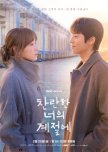
Spring Blooms After the Coldest Winter
Some stories arrive like the first gentle thaw after a long, bitter freeze, promising to melt away heavy grief and usher in warmth. In Your Radiant Season sets out to do precisely that, framing human emotion through the poetic lens of passing weather. At its heart, this is a narrative about finding a way to bloom even when stuck in the coldest stretches of life. The premise carries a quiet, literary elegance: no matter how severe the frost, spring eventually claims its turn, reminding us to radiate whatever season we find ourselves in. For the first half of its run, the drama honors this delicate promise with genuine grace, even if the later episodes trade that atmospheric warmth for a more conventional, well-trodden path.
The story centers on Song Ha Ran and Sun Woo Chan. Ha Ran has locked herself in a winter of her own after losing her loved ones. Woo Chan lives a radiant life on the surface but carries deep wounds and a mysterious past. When they meet, they slowly heal each other, making sure winter passes and spring blooms. Around them, the narrative gives ample time to Grandma Kim Na Bong, Song Ha Yeong, Song Ha Dam, and their respective partners. The result feels genuinely warm, exploring love, relationships, healing, trauma, and loss.
The first episode was underwhelming, but the next few picked up beautifully. Switching between present events and snippets of flashback was a smart way to build suspense, and I found myself curious and eager to see where things were headed. The moments between families and couples had me smiling from ear to ear. Sadly, the second half steers toward predictable clichés and easy way outs. I don't mind clichés on their own, but the build up was so good that I had higher expectations for the payoff. I also grew tired of how the drama keeps inflating conflicts only for them to turn out not so bad. Once or twice is fine, but doing it constantly feels like playing with my feelings. It also drains the suspense, because I learn to expect that things will never be that dire.
One thing I appreciate most is the casting. The drama clearly pays attention to resemblance. The Song sisters actually look like sisters, the younger and older versions of Ha Ran look like each other, and even Cheon Jae the dog was cast well. The acting is good across the board, too.
Lee Sung Kyung has always been a hit for me. She has a wide range, comfortable in both bright and darker roles, and her Ha Ran is very convincing. Described as a beautiful and cold fashion designer, she brings the character to life with her pretty look, expressive face, and fashionable fits. Unfortunately, the writing for Ha Ran has inconsistencies here and there. Still, the actress covers those flaws so well that you would only notice if you pay very close attention.
Chae Jong Hyeop is simply perfect. I have always been charmed by him in his previous works, and this one is no exception. He has an innocent, masculine, harmless charm that could disarm even the strongest alpha woman. As a bright, cheerful, friendly animator with a dark and mysterious past, he nails Woo Chan's duality. He is charming and cute in his positivity, yet his emotional scenes wrecked me. I want to give him a big hug during the sad scenes and get a hug from him during the bright ones, and that says a lot. Woo Chan is also the better written of the two leads.
Together, the two have a chemistry that is cute and touching. She heals him, he heals her. I especially appreciate that the story avoids the cliché of instant attraction. When they first meet, both show restraint instead of being mesmerized or chasing the other, which gives depth to each character and to the relationship. Their healing, romantic, and emotional scenes are all a joy to watch.
The supporting characters shine just as much. Grandma Na Bong carries a double charm, switching between the charismatic Na Na Kim and the cuter Na Bongie. Her bond with her granddaughters is sweet, though I wish it had been explored more. Her romance with her past love, Park Man Jae, is wonderful, giving off a senior, nostalgic kind of love. Her unexpected relationship with Yu Gyeom, who ends up becoming her caretaker, also stole my attention.
Ha Yeong has typical second child energy, except she uses it to hold the family together rather than mess around. Since the other characters keep steady emotions, her explosive expressions and antics make everything livelier and more balanced. She is the family's anchor, always pretending to be fine so no one breaks. I wish her relationship with Yeon Tae Seok had been explored more, as going straight from mini angst to a confession did not feel like enough.
Ha Dam gives off youngest child energy. She is sensitive and focused on her dream. She has less screentime, especially in the first half, but that makes sense since she is still in school, and what we do see is enough to give her depth. Her romance with Cha Yu Gyeom is cute but underdeveloped. It is clear why she fell for him, but not how or when he fell for her, especially since Yu Gyeom seems 0% angry about his condition, leaving me wondering where his love for her came from.
What touched me most, though, is the sisters' bond. They fight like siblings but quickly mend the cracks. One drowns in sorrow, one pretends to be fine, one feels left out, and still they show up for each other. One thing I wish had been written better is how everyone grieves for their mother while their father is barely acknowledged. The sisters mention either mom, or mom and dad, but never dad alone. It did not take me out of the story, but it felt sad.
Visually, the drama is consistent with its language. Spring tree beside winter tree, first snow, broken glasses, and more keep me invested in the themes and arcs. Not everything works, though. The lighting is a bit much in certain scenes, creating a dreamy effect that put me off at times, and the hazy look of the flashbacks kept distracting me. The OSTs are well done, nothing too memorable but never unfitting, supporting each scene's mood just right.
[SPOILERS: THREE PARAGRAPHS AHEAD]
By the time the story reaches its climax, the central conflict between Ha Ran and Woo Chan ends up resolving with more of a whisper than a bang. The narrative setup for their central misunderstanding was potent: Ha Ran’s lingering anger stems from realizing she spent seven full years in stagnant grief over a past connection, only to learn the person who truly understood her back then was Woo Chan instead of Hyeok Chan. Yet when the moment arrives for them to reckon with this realization, the show bypasses a deeper emotional confrontation. Instead of having the characters thoroughly unpack the weight of those lost years, the script relies on a rapid succession of melodramatic triggers: a sudden worry for his safety, a glance at his emotional sketchbooks, and a third-party explanation of his tragic background. It converts complex resentment into immediate sympathy, wrapping up a profound identity revelation with a surprisingly convenient bow.
This tendency toward easy resolutions extends to the broader cast, where happy endings are handed out like party favors. While closure is always welcome, the final act relies on a string of dramatic miracles that feel somewhat unearned. Grandma Na Bong’s looming dementia diagnosis is suddenly revealed to be an operable condition, Yu Gyeom’s career-ending foot injury miraculously heals, and Woo Chan’s life-threatening brain condition is operable. Using major medical crises strictly for temporary suspense, only to erase them all at the finish line, cheapens the genuine struggle these characters endured. Yu Gyeom’s foot injury at least served character growth, but I don’t think Na Bong’s dementia arc was needed beyond drama and suspense, and Woo Chan’s brain condition feels added just so he could be a healthy man by the end.
Even so, the finale manages to land several tender beats. Woo Chan’s brief, emotional reconciliation with his father delivers genuine pathos, and Grandma Na Bong’s wedding with Grandpa Man Jae is an absolute delight. Ha Yeong and Tae Seok ending up together was sudden but made enough sense. The show even sneaks in a fun visual touch with Tae Seok’s hairstyle changes, using his fringe to mirror his journey from guilt-ridden isolation to emotional openness. Ha Dam and Yu Gyeom are honestly the cutest, with a naive young love that adds fluffy flavor to the drama. It was annoyingly cute, and I mean that in a good way. I also love that they matured, both individually and as a couple.
[SPOILERS END]
Ultimately, In Your Radiant Season is a cozy, visually thoughtful drama that works best if you sit back and enjoy its warm, thematic breeze without dissecting the plot mechanics too closely. It may rely a bit too heavily on genre shortcuts and convenient miracles to clear its final hurdles, but its tender focus on healing, delightful ensemble dynamics, and standout lead performances make it a pleasant journey through the changing seasons of life.
Was this review helpful to you?


