
 K-Drama




Feels Like a Deep Exhale!
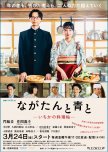
Have you ever heard of *iyashikei*? It’s a Japanese genre often translated as “healing-type” stories that focus on peaceful daily life, calm environments, and emotional restoration. That is exactly how I would describe *Kitchen Knife and Green Chili Pepper*. This drama doesn’t rush you. It doesn’t overwhelm you. It gently invites you to slow down.
Plot**
The story follows Ichika, a 34-year-old divorcee and the daughter of a prestigious Kyoto ryōtei (a traditional high-class Japanese restaurant). She works as a chef in a Western-style restaurant, while her family’s historic ryōtei struggles financially. In an attempt to save it, the family plans to marry her younger sister into the wealthy Yamaguchi family. But when her sister elopes with the man she loves, Ichika is suddenly asked to step in and marry 19-year-old Amane Yamaguchi instead. At the same time, the family’s financial crisis deepens, pushing Ichika to confront both tradition and survival in order to protect her family’s legacy.
RYŌTEI**
To fully understand this drama, context is everything. A ryōtei is not just a restaurant; it is a deeply traditional, refined space historically reserved for elite gatherings, sometimes involving geisha entertainment and discreet political or business meetings. In these establishments, the kitchen was traditionally ruled by male chefs, while women often the wife or “okami” of the house served guests in elegant kimono. The role of the women in kitchen is very important to highlight because, although women were expected to cook at home, they were long excluded from professional culinary roles. It was never heard of seeing a woman cooking in restaurant was almost an insult to tradition. This gender dynamic sits quietly but powerfully in the background of Ichika’s journey.
Post War**
The time period also matters. The drama unfolds in post–World War II Japan, during a time of rapid modernization. You see the tension between tradition and change everywhere in clothing, architecture, and even in food. Ichika often wears Western-style outfits, while her mother remains in traditional kimono. American soldiers appear in certain scenes, holding meetings at the ryōtei showing a new modern world next to close traditionally driven society. There’s a subtle layering of cultures: old Japan, new Japan, and Western influence, all coexisting, sometimes clashing.
Food is the true heart of this series. The reason it feels like *iyashikei* lies in its pacing and cinematography. It is slow, deliberate, and comforting. The camera moves slows, at times it lingers on Ichika’s hands as she chops, mixes, and prepares ingredients. You find yourself unconsciously relaxing, just watching her cook. The dishes are beautiful blends of traditional Japanese cuisine with Western influence, reflecting the transitional era of the story itself. Also the attention is focused on the subject without the backdrop being too overwhelming, but appears more calm and comforting.
But cooking here is more than sustenance. It is intentional. It is emotional. Food becomes a language a way to celebrate, to remember, to apologize, to heal. There’s something deeply soothing about how the drama frames these moments. The soft lighting, the focus on textures, the steam rising from dishes, the hydrangeas in the background, the quiet alleys of Kyoto everything feels magical without trying too hard. It’s a visual feast not only for the eyes but for the soul. At times, it's feels like we are in Kyoto, just glancing though a window to find Ichika cooking in the kitchen, it gives homey feeling, the sort of familiarity that make you happy.
I genuinely felt like this drama reset my nervous system. It moved me from tension into stillness. Watching it felt like taking a deep breath after holding it for too long.
Even the end credits reflect this calm intentionality. Instead of random images or a black screen with names rolling, the camera often returns to Ichika in the kitchen sitting quietly, thinking about a recipe, tasting, reflecting. It feels like we are standing outside her kitchen window, gently observing her world.
With a second season coming this year, I truly hope they preserve the same softness, the same visual poetry, and the same healing energy that made this drama so special.
Plot**
The story follows Ichika, a 34-year-old divorcee and the daughter of a prestigious Kyoto ryōtei (a traditional high-class Japanese restaurant). She works as a chef in a Western-style restaurant, while her family’s historic ryōtei struggles financially. In an attempt to save it, the family plans to marry her younger sister into the wealthy Yamaguchi family. But when her sister elopes with the man she loves, Ichika is suddenly asked to step in and marry 19-year-old Amane Yamaguchi instead. At the same time, the family’s financial crisis deepens, pushing Ichika to confront both tradition and survival in order to protect her family’s legacy.
RYŌTEI**
To fully understand this drama, context is everything. A ryōtei is not just a restaurant; it is a deeply traditional, refined space historically reserved for elite gatherings, sometimes involving geisha entertainment and discreet political or business meetings. In these establishments, the kitchen was traditionally ruled by male chefs, while women often the wife or “okami” of the house served guests in elegant kimono. The role of the women in kitchen is very important to highlight because, although women were expected to cook at home, they were long excluded from professional culinary roles. It was never heard of seeing a woman cooking in restaurant was almost an insult to tradition. This gender dynamic sits quietly but powerfully in the background of Ichika’s journey.
Post War**
The time period also matters. The drama unfolds in post–World War II Japan, during a time of rapid modernization. You see the tension between tradition and change everywhere in clothing, architecture, and even in food. Ichika often wears Western-style outfits, while her mother remains in traditional kimono. American soldiers appear in certain scenes, holding meetings at the ryōtei showing a new modern world next to close traditionally driven society. There’s a subtle layering of cultures: old Japan, new Japan, and Western influence, all coexisting, sometimes clashing.
Food is the true heart of this series. The reason it feels like *iyashikei* lies in its pacing and cinematography. It is slow, deliberate, and comforting. The camera moves slows, at times it lingers on Ichika’s hands as she chops, mixes, and prepares ingredients. You find yourself unconsciously relaxing, just watching her cook. The dishes are beautiful blends of traditional Japanese cuisine with Western influence, reflecting the transitional era of the story itself. Also the attention is focused on the subject without the backdrop being too overwhelming, but appears more calm and comforting.
But cooking here is more than sustenance. It is intentional. It is emotional. Food becomes a language a way to celebrate, to remember, to apologize, to heal. There’s something deeply soothing about how the drama frames these moments. The soft lighting, the focus on textures, the steam rising from dishes, the hydrangeas in the background, the quiet alleys of Kyoto everything feels magical without trying too hard. It’s a visual feast not only for the eyes but for the soul. At times, it's feels like we are in Kyoto, just glancing though a window to find Ichika cooking in the kitchen, it gives homey feeling, the sort of familiarity that make you happy.
I genuinely felt like this drama reset my nervous system. It moved me from tension into stillness. Watching it felt like taking a deep breath after holding it for too long.
Even the end credits reflect this calm intentionality. Instead of random images or a black screen with names rolling, the camera often returns to Ichika in the kitchen sitting quietly, thinking about a recipe, tasting, reflecting. It feels like we are standing outside her kitchen window, gently observing her world.
With a second season coming this year, I truly hope they preserve the same softness, the same visual poetry, and the same healing energy that made this drama so special.
Was this review helpful to you?


